Start With Understanding Your Acne
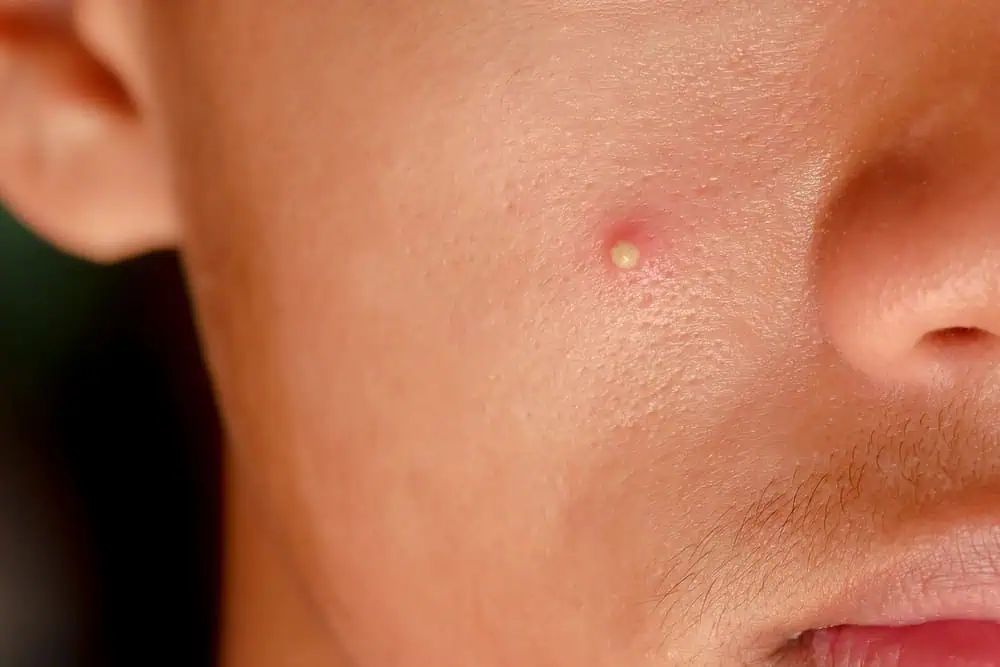
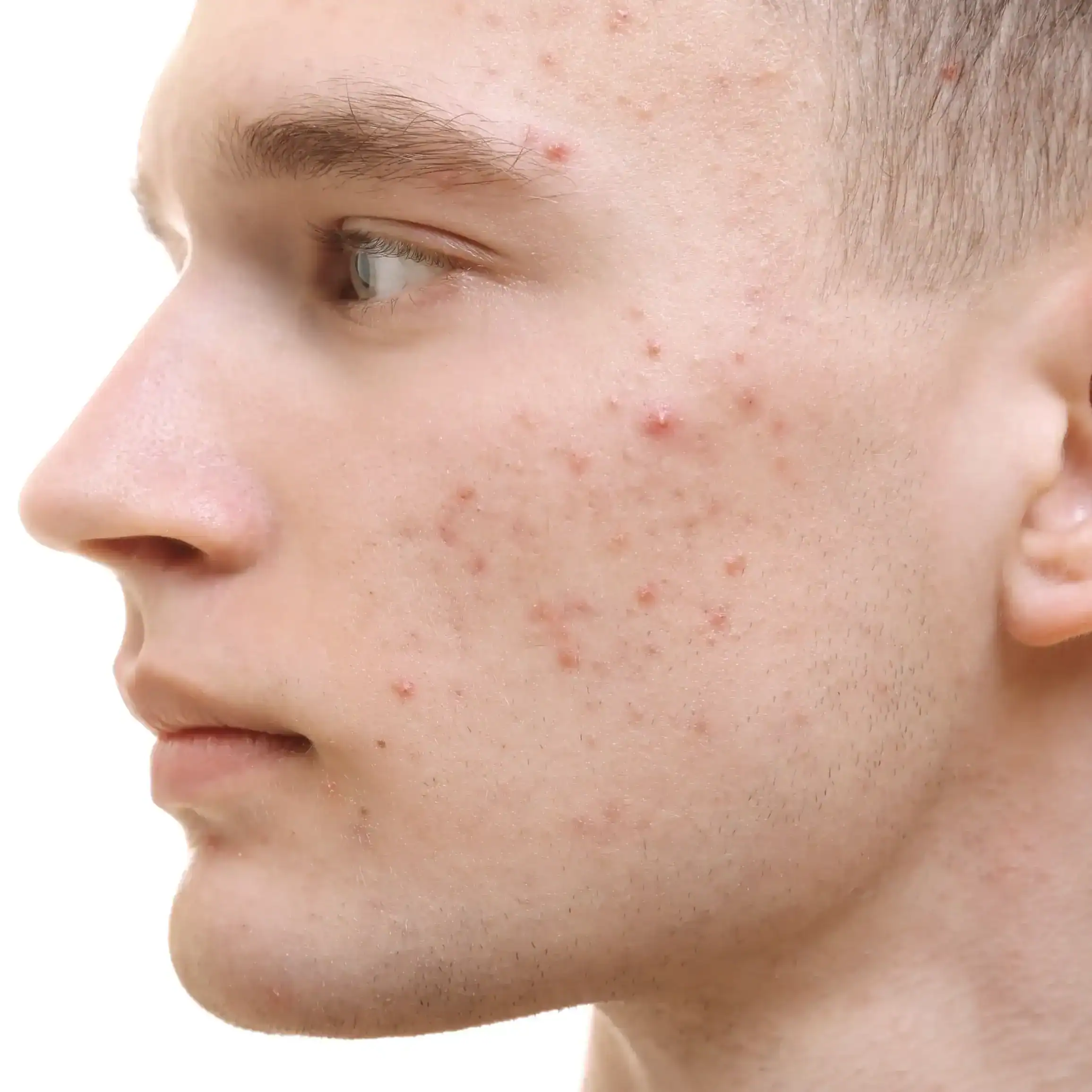
Acne is the most common skin problem in the United States. It occurs in the form of blackheads, whiteheads, pimples, and lumps, sometimes called nodules. Acne usually begins in puberty, but the condition is not restricted to any age group. Adults in their 20s, 30s, 40s – even 50s – can develop acne.
Common causes of acne include:
- Overproduction of oil by enlarged oil glands in the skin
- Blockage of the hair follicles that release oil
- Growth of bacteria, called P. acnes, within the hair follicles
- Pores clogged with dead skin cells
- Bacteria causing inflammation within pores
- Environmental factors, such as humidity, causing swelling of the skin
- Certain medications
- Genetic factors
- Hormonal changes
Most acne appears on the face, but it can also occur on the shoulders, upper arms, chest, neck, and back.
Acne dermatologists classify acne before treatment; it varies from mild to moderate in most cases. Mild acne is classified as having a few to several blemishes, and moderate acne consists of several to many blemishes. Severe acne is classified as many or extensive blemishes, including acne cysts.
Untreated acne can be emotionally damaging, especially in the teenage years. Acne scarring, low self-esteem, depression, and anxiety can result from untreated acne, so talk to a Water’s Edge dermatologist and get serious medicine for your skin.
Acne Statistics
- Acne affects 40 million to 50 million Americans.
- Nearly 85% of all people have acne at some point in their lives, most often on the face, chest, and back.
- By the mid-teens, more than 40% of adolescents have acne or acne scarring, which requires treatment by a dermatologist.
Acne and Acne Scar FAQs
The different types of acne include:
- Comedonal acne
Comedonal acne looks like tiny bumps all over the skin, particularly on the chin, nose and forehead. These papules, which are close to the skin’s surface and often flesh colored, result from pores clogged by excess sebum and dead skin cells. No bacteria is involved. Comedonal papules aren’t red or inflamed like pimples and don’t contain pus. A closed comedone is known as a whitehead. An open comedone is known as a blackhead. Comedonal acne is common in oily skin. It is one of the easiest types of acne to treat.
- Inflammatory acne
Inflammatory acne often involves red, swollen breakouts that may contain pus. Clogged pores are one culprit, as is a type of bacteria called Propionibacterium acnes that develops inside the pores. Inflammation happens as part of the body’s attempt to fight the bacteria. More severe cases of inflammatory acne can produce nodules and cysts. The root cause of inflammatory acne is often a hormonal imbalance that affects the hair follicle and the sebaceous (oil) gland it’s attached to. Less commonly, certain medications or chemicals are to blame.
- Cystic acne
Less common, cystic acne is one of the more aggressive forms of acne (technically it’s a type of inflammatory acne). Pus-filled cysts penetrate deep into the skin. Inflammation creates pressure — and pain. Cystic acne is often driven by hormonal changes, which helps explain why it’s more common in teens and pregnant women. It requires early intervention and aggressive treatment; otherwise, permanent scars may result. Prescription medication is often necessary. Popping or squeezing an acne cyst will drive bacteria deeper into the skin and spread the infection.
Unfortunately, acne is not a curable condition, but your Water’s Edge acne dermatologist can treat your acne and help prevent new breakouts from occurring. Water’s Edge offers several treatment options, and your acne dermatologist will determine the right treatment for you.
Acne treatments include:
- Topical prescriptions
- Acne surgery
- Microdermabrasion
- Oral antibiotics or birth control pills
- Photodynamic therapy. Read Photodynamic Care Instructions (PDF) to learn more.
- Facials for Teens
Acne Scars
Acne scarring is a frustrating problem for both patients and physicians. It has a high prevalence in acne patients and can be psychologically devastating to patients with severe cases. The causes of acne scarring are complex and each patient needs to be approached on an individual basis.
During your consultation, your acne scars are categorized (rolling, boxcar, ice pick, etc.) and a treatment plan is tailored for your specific skin tone and scars, which can significantly improve the appearance of your skin.
Acne treatments prevent new breakouts from occurring, but you must let existing blemishes heal. This is why acne treatments can take a few weeks to make noticeable improvements.
Tips for acne care and acne scar prevention:
- Gently wash affected areas twice a day and after perspiring with mild soap and warm water.
- Use your fingers to cleanse your face; anything else could cause irritation.
- Use gentle, alcohol-free cleansers that don’t dry out your skin.
- Do not scrub your skin; vigorous washing and scrubbing can irritate your skin and make acne worse.
- Use lukewarm water, not hot water.
- To prevent scars, do not pop, squeeze, or pick at your acne.
- Try to keep your hands away from your face.
- Protect your skin from sun overexposure.
- Use only oil-free, water-based, non-comedogenic (does not clog pores) moisturizers, cosmetics, and sunscreens.
- Seek treatment early for acne that does not respond to over-the-counter medications.
- Use medication as directed and allow enough time for acne products to take effect, which might be six to eight weeks.
Water's Edge Videos About Acne

Acne Scar Treatment Options
For adult and teenage acne, Water’s Edge Dermatology offers comprehensive treatment of acne scarring, which includes the options below. Often a combination of procedures is required to provide the maximum amount of improvement in acne scarring. For example, fractional laser therapy may be combined with chemical peels, subcision and/or fillers to provide the best possible improvement to scarring. A treatment plan is organized for each patient’s specific needs. This comprehensive acne scarring therapy gives the highest chance for improvement in acne scarring.
Fractional Laser Skin Resurfacing (Non-Ablative)
Non-ablative fractional laser skin resurfacing uses microfractional laser technology and energy microbeams to precisely target the affected areas of skin. The body’s natural healing process stimulates collagen growth to replace the damaged tissue with healthy, new tissue, creating smoother, younger-looking skin. It requires little to no downtime because there is no removal of the outer layers of skin. It can also be used on ALL skin colors and types.
Non-ablative laser skin resurfacing is less invasive than DOT therapy and requires less recovery time. It’s ideal for the beginning stages of facial rejuvenation or darker skin tones and an excellent maintenance treatment to DOT therapy.
Intense Pulsed Light (IPL) Photorejuvenation
Intense pulsed light (IPL) photorejuvenation with the Icon™ Aesthetic System can treat skin of all colors to improve your skin texture and tone and reduce the appearance of pores. It also reduces sun damage for a more rejuvenated appearance.
Chemical Peels
Chemical peels work by producing a controlled injury to the top layers of the skin, which is followed by a healing response that produces smoother, softer, more youthful skin. Superficial chemical peels are useful for treating acne and acne scarring, as well as brown spots, melasma and keratoses. Superficial chemical peels are safe for all types of skin, including skin of color. There is virtually no downtime after such peels.
Chemical peels are used in two ways for acne scarring:
The first method is the CROSS technique, in which a small amount of highly concentrated trichloroacetic acid (TCA) is placed directly into an acne scar, creating a wound. The collagen remodeling and healing process that ensues can smooth out the skin at the site. Usually multiple treatments are required.
The second method is a total face chemical peel, which uses a lower concentration of TCA, Jessner’s solution, salicylic acid or glycolic acid. The skin is rejuvenated as it heals.
Dermabrasion
Dermabrasion is an excellent technique for improving skin damaged by acne scars. Different from microdermabrasion, dermabrasion is a procedure in which layers of skin and underlying scars are precisely contoured with a small, handheld medical-grade sander. The procedure requires local anesthesia for comfort, and the skin usually heals in seven to 10 days.
Dermal Filler Injections
Injectable dermal fillers such as Restylane or Juvederm can be injected under acne scars to smooth out the skin. The improvement in the appearance of the skin is immediate and lasts for many months as the material slowly degrades. Some of the improvement may be permanent.
Subcision
Subscision is an excellent treatment for “rolling” or “boxcar” type of acne scars, which often have fibrous attachments holding the base of the scar down to the underlying deeper tissue.
After the surrounding skin is numbed with a local anesthetic, a small needle is carefully inserted under the skin to cut and release these attachments beneath the scar. During the healing process, collagen remodeling occurs and new collagen is laid down underneath the scar, further improving the smoothness of the skin. Occasionally a filler substance can also be injected under the scars after subscision to make the scar look less visible and to produce the results wanted.
Mini-Excision of Scars
Certain scars, such as very deep scars or scars that project outward from the skin, are often best removed surgically. The scar is cut out completely and the skin edges are carefully brought together with sutures. The final scar is much less visible than the original acne scar.