What Is an Atypical Nevus?
An atypical nevus, also called dysplastic nevus or atypical mole, is a benign mole that looks different. The word atypical means “not like the rest.”
Atypical moles are benign, but some people who have these moles have a higher risk of getting melanoma. The risk of getting melanoma increases significantly when a person with atypical moles has:
- Many atypical moles
- Had melanoma in the past
- A first-degree blood relative (parent, sibling, or child) who had melanoma
If a person has a few (one to four) atypical moles and none of the above risk factors, the increased risk of getting melanoma is small.
Atypical Mole FAQs
Atypical moles tend to vary in appearance. An atypical mole can be larger than other moles. Some are more than one color. Others have a jagged border. These traits also are warning signs of melanoma.
Your Water’s Edge Dermatology practitioner should examine all moles that show any of the following ABCDEs of melanoma:
- A stands for ASYMMETRY: One half is unlike the other half
- B stands for BORDER: Irregular, scalloped, or poorly defined border
- C stands for COLOR: The mole is varied from one area to another, with shades of tan, brown, and black; may also be white, red, or blue
- D stands for DIAMETER: While melanomas are usually greater than 6mm (the size of a pencil eraser) when diagnosed, they can be smaller
- E stands for EVOLVING: A mole or skin lesion that looks different from the rest or is changing in size, shape, or color
If a mole has any of these traits, it is important to see a Water’s Edge dermatologist. Other changes also should be reported, such as a mole that begins to burn or itch. The number of newly diagnosed melanomas continues to rise. With early detection and treatment, melanoma has a high cure rate.
Atypical moles usually begin to appear at or around puberty. These moles can appear in adults as well. While they can occur anywhere on the body, they most commonly develop on the trunk. Atypical moles rarely appear on the face but may develop on the scalp, head, and neck.
An atypical mole is not the same thing as a melanoma, so an atypical mole does not always need to be treated. If a dermatologist suspects that an atypical mole may be a melanoma, the dermatologist will remove the mole (or part of it) so that the mole can be examined under a microscope. This is known as a biopsy.
Because melanoma can develop within an atypical mole, anyone who has atypical moles should watch these (and all) moles for change. A mole can change in size, color, or shape. It can start to itch or burn. If a mole changes in any way, a Water’s Edge Dermatology practitioner should examine the mole.
xxx
xxxx.
Some people who have many atypical moles have Familial Atypical Multiple Mole Melanoma (FAMMM) syndrome. People with FAMMM syndrome have:
- A first-degree relative (parent, sibling, or child) or second-degree relative (grandparent, grandchild, aunt, or uncle) who has had melanoma
- A large number of moles, often more than 50, with some moles being atypical moles and the moles often varying in size
- Moles that show certain features when viewed with a microscope
- A person who has FAMMM syndrome should have a full-body screening from a Water’s Edge Dermatology practitioner every three to six months, beginning at puberty. Screenings may be less frequent once the moles appear stable.
Your Water’s Edge dermatologist also may recommend regular examinations from an ophthalmologist (eye doctor), skin photography, or regular screenings for relatives. All of these approaches help with early detection and treatment of melanoma. When detected and properly treated in the early stages, melanoma has a high cure rate.
People with FAMMM syndrome also should examine their own skin at least every three months and possibly more frequently. The purpose of this examination is to find the earliest changes to a mole.
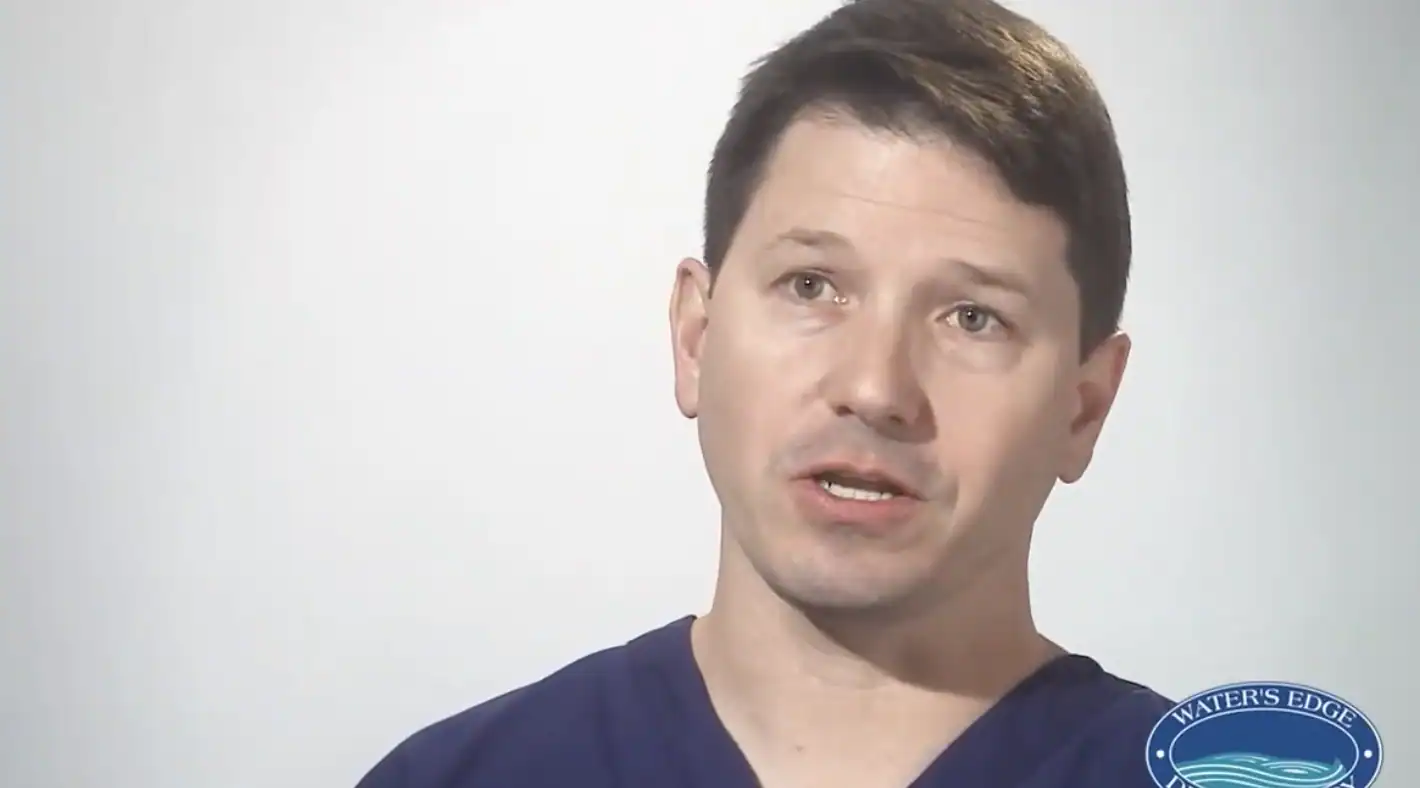
Water's Edge Video About Atypical Moles
What You Can Do: Prevention Tips
Sun exposure is the most preventable risk factor for all skin cancers, including melanoma. As unprotected sun exposure is thought to increase the number of moles, reducing sun exposure is an easy way to reduce your risk for skin cancer. Here’s how to protect adults and children from sun exposure by playing in the shade, wearing protective clothing, and applying sunscreen.
- Use extra caution near water, snow, and sand because they reflect the damaging rays of the sun, which can increase your chance of sunburn.
- Get vitamin D safely through a healthy diet that may include vitamin supplements. Don’t seek the sun.
- Avoid tanning beds. Ultraviolet light from the sun and tanning beds can cause skin cancer and wrinkling. If you want to look like you’ve been in the sun, consider using a sunless self-tanning product, but continue to use sunscreen with it.
- Check your birthday suit on your birthday. If you notice anything changing, growing, or bleeding on your skin, see a dermatologist. Skin cancer is very treatable when caught early.