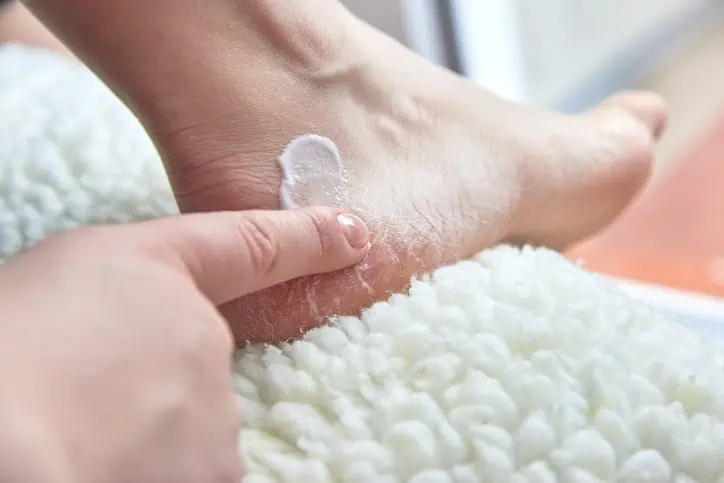
Xerosis cutis is the medical term for abnormally dry skin. It is a common condition, particularly in the elderly.
Skin needs moisture to stay smooth. As you age, retaining moisture in the skin becomes more difficult. Your skin may become dry and rough as it loses water and oils.
Xerosis Cutis FAQs
Xerosis cutis most commonly occurs on the arms and legs. Symptoms include dry, itchy, and scaly skin with white flakes. Skin may appear red and irritated, and fine cracks may develop. Your skin may also feel tight, especially after showering or bathing.
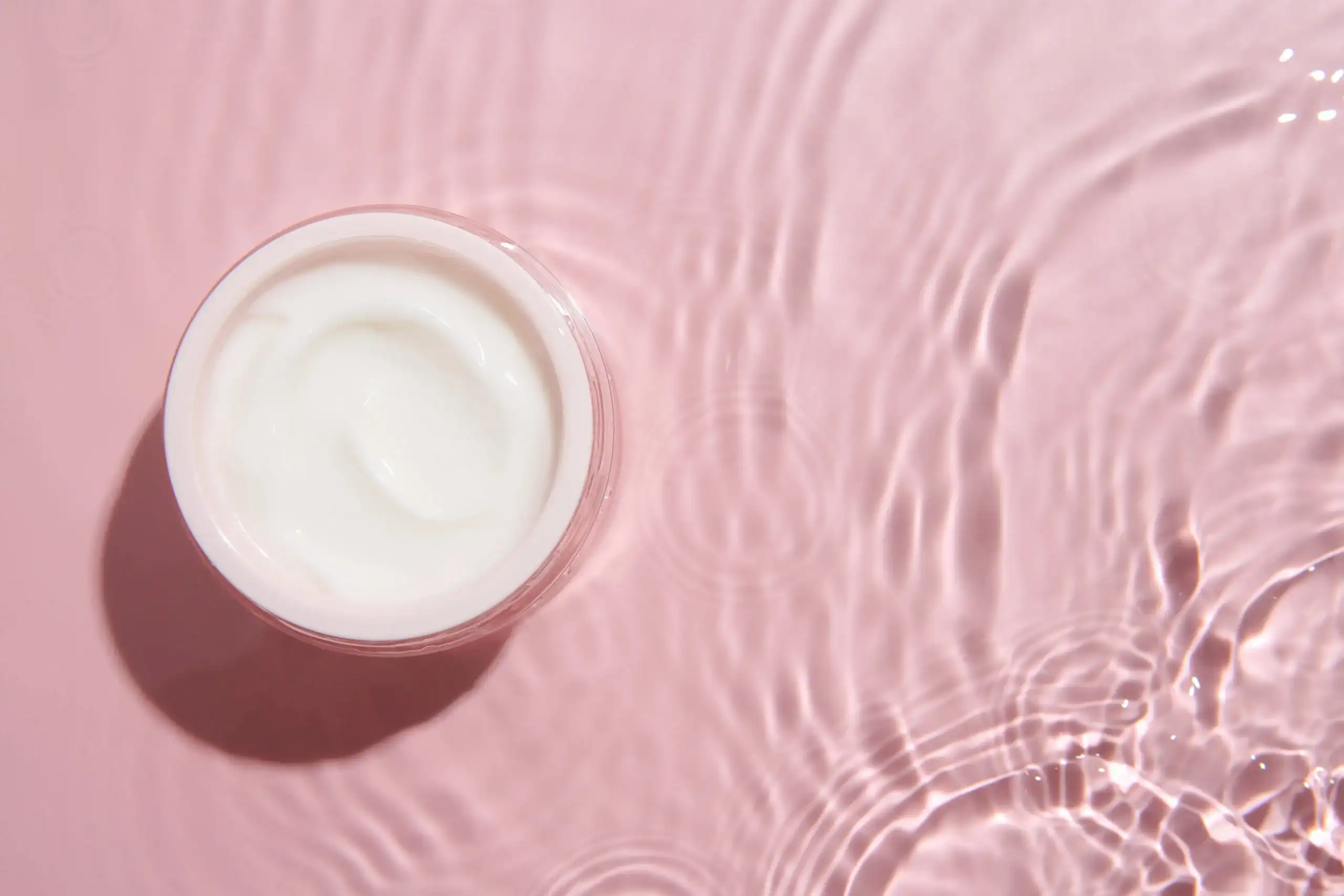
In many cases, you can treat your excessively dry skin by using moisturizers. An oil-based moisturizer is generally more effective at holding in moisture than a water-based one.
Look for moisturizers that contain lactic acid or lactic acid and urea. A topical steroid medication, such as hydrocortisone cream, can also be used if the skin is very itchy. Ask a pharmacist to recommend products for your dry skin.
Dry skin cannot always be prevented, especially as you age. However, you can help avoid or reduce the symptoms of xerosis by making small changes to your daily routine:
- Take shorter baths or showers and use lukewarm, not hot, water.
- Do not spend extended amounts of time in swimming pools or hot tubs.
- Pat the skin dry after a shower with a towel instead of rubbing.
- Use a humidifier to increase the moisture of the air in your home.
- Use gentle cleansers without any dyes, fragrances, or alcohol.
- Drink plenty of water.
- Limit the use of soap on dry areas of skin and choose mild soaps with oil added.
- Avoid scratching affected area.
- Use oil-based moisturizing lotions frequently, especially in the winter, and directly following a bath or shower.
- Use a sunscreen outside.
If your skin is has large areas with peeling, is oozing, has a ring-shaped rash, or does not respond to treatment within a few weeks, consult a dermatologist. You may have a skin allergy, or some other skin condition. Excessive scratching of dry skin can also lead to an infection.
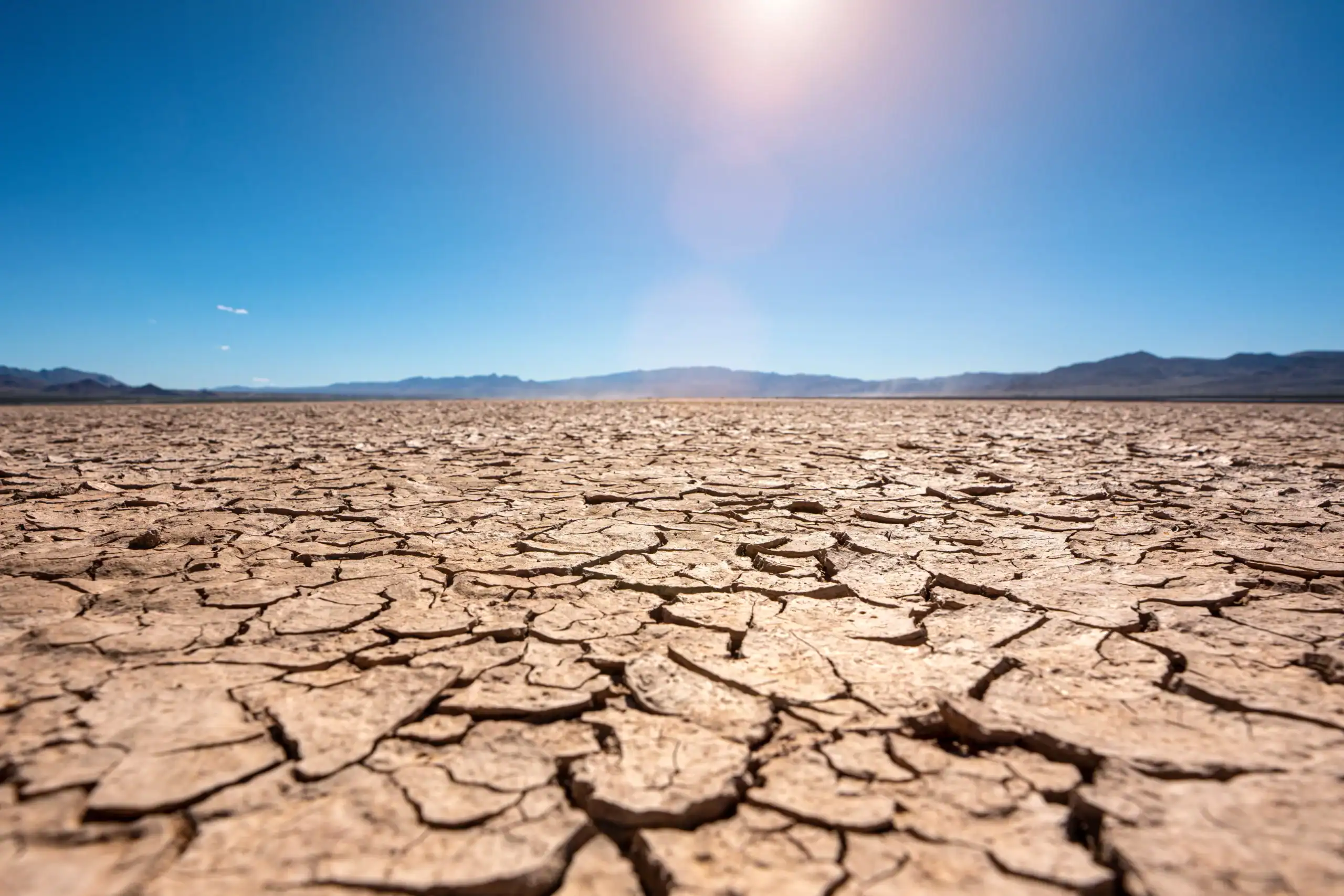
Older people are more susceptible to developing the condition than younger people. People who live in hot, dry climates or where there are cold, dry winters are more likely to experience very dry skin.
In addition, a number of conditions may predispose someone to dry skin and xerosis, including asthma, hay fever, diabetes, and hypothyroidism, among others. Radiation and certain medications may also increase the risk.
Dry skin in younger people may be caused by a condition called atopic dermatitis, commonly known as eczema. Eczema is characterized by extremely dry, itchy skin. Blisters and hard, scaly skin are also common in those with eczema. Your Water’s Edge Dermatology provider can help determine if you have eczema.
Severely dry skin is caused by a decrease in the oils on the surface of the skin. As you age, the sebaceous (oil) glands secrete less oil. This process affects women sooner than it does men; sebaceous activity in men remains high until the 80s, while levels start to fall much sooner in women. By their 60s, women have lost approximately 40% of their sebaceous activity.
Dry skin may also be triggered by environmental factors. In addition, the following activities or conditions may contribute to or exacerbate dry skin:
- Taking baths or showers using very hot water
- Bathing too frequently or over-cleansing the skin
- Over-scrubbing the skin
- Roughly towel-drying the skin
- Living in areas with low humidity or where there are cold, dry winters
- Using central heating
- Not drinking enough water (dehydration)
- Frequent or excessive sun exposure