
What Is a Nurse Practitioner and What Do They Do?
Medical Review By: Dr. Ted Schiff
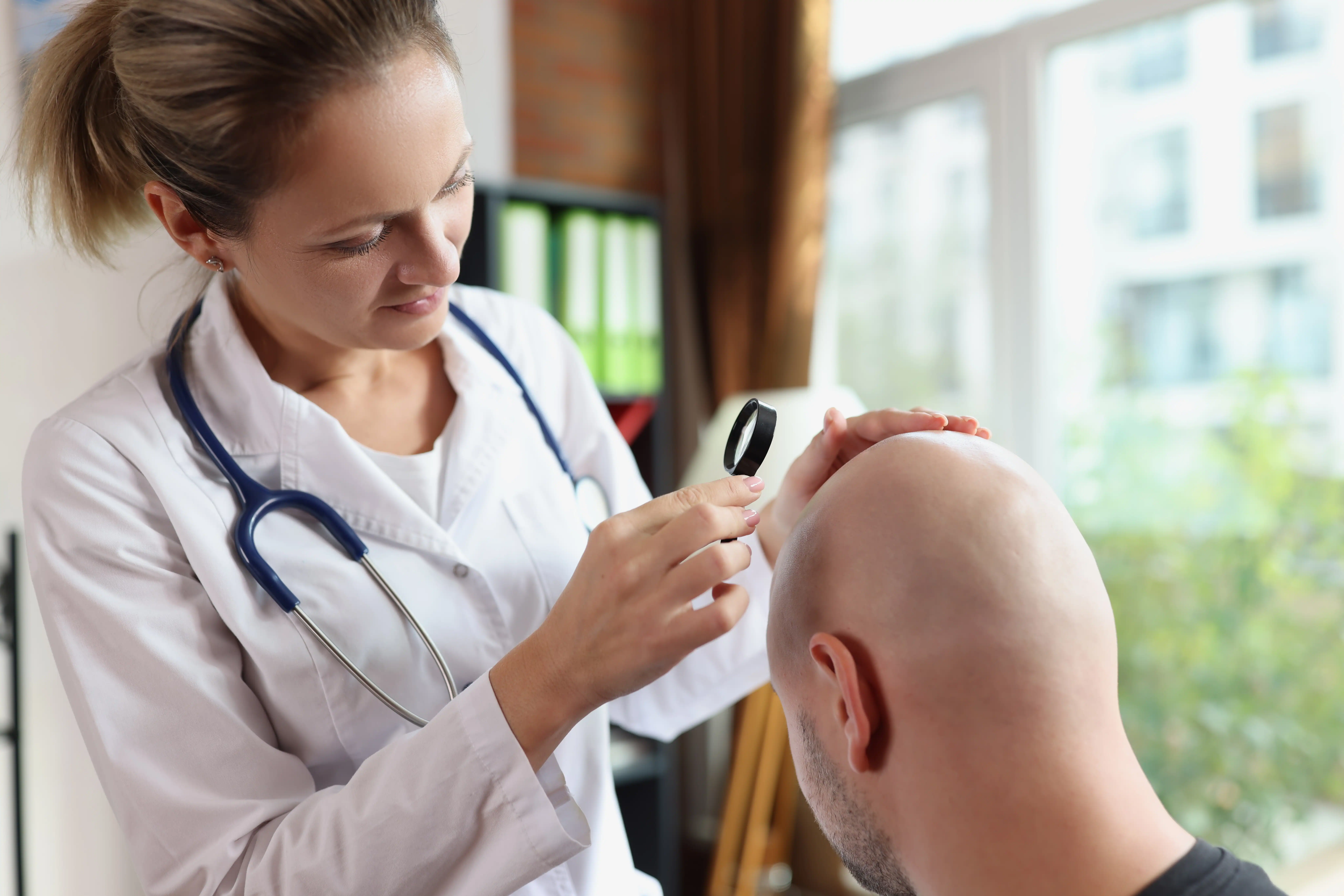
Many dermatology practices are staffed with multiple types of providers, including board-certified dermatologists, physician assistants, and nurse practitioners. What exactly is a nurse practitioner, and what are they qualified to do?
Unlike a registered nurse (RN), a nurse practitioner can diagnose and manage health conditions. RNs have an associate degree or bachelor’s degree in nursing, but NPs complete additional training and get an advanced degree — either a Master of Science in Nursing or a Doctor of Nursing Practice. They can prescribe medication and, depending on the state, work without a doctor’s supervision.
A nurse practitioner is a type of advanced practice registered nurse, or APRN. Water’s Edge Dermatology is proud to have many APRNs who specialize in dermatology on staff. They play an invaluable role in treating and educating patients.
Types of nurse practitioners
Nurse practitioners get one of several specialty certifications. Most NPs are family nurse practitioners, who care for patients of all ages. Other specialties include acute care, adult health, geriatric health, neonatal health, pediatric/child health, psychiatric/mental health, and women’s health.
Once they are licensed, NPs can pursue extra training in a sub-specialty if they want to focus on a particular area of medicine, such as dermatology, endocrinology, orthopedics, gastroenterology, or cardiovascular health.
Services nurse practitioners provide
Nurse practitioners can diagnose and treat acute and chronic medical conditions. For dermatology nurse practitioners, these might include severe sunburns, boils, acne, rosacea, eczema, psoriasis, cysts, warts, atypical moles, and skin cancer. They can order, perform and interpret tests. A dermatology nurse practitioner might order skin biopsies, for example, as well as screen patients for skin cancer.
NPs can also perform treatments. A nurse practitioner in a dermatology practice might perform minor skin excisions (for mole removal, for example), extractions and cryotherapy, and/or administer cosmetic treatments such as Botox injections, dermal fillers, laser treatments, and peels.
Finally, nurse practitioners teach patients healthy lifestyle practices, such as proper skincare, and educate them about disease prevention.
How to become a nurse practitioner
In most cases, candidates must have a bachelor of science in nursing (BSN) and then complete a Master of Science in Nursing (MSN) program or a Doctor of Nursing Practice (DNP) program to become an NP. People who have an Associate’s Degree in Nursing (ADN) but not a bachelor’s degree can enroll in an accelerated RN-BSN program or an ADN-to-MSN program.
Advanced nursing degree students take classes in subjects such as advanced health evaluation, ethics, and pharmacology, and they participate in clinical rotations to gain hundreds of hours of patient care experience. Candidates then take an exam administered by an accredited certifying body such as the American Academy of Nurse Practitioners Certification Board to become a nationally certified NP.
Nurse practitioners who want to specialize in dermatology can pursue a certified nurse practitioner (DCNP) credential. There are a few ways to do this — by entering a post-master’s-degree program, taking continuing education courses, or training on the job under a board-certified dermatologist or a highly skilled dermatology NP. To take the Dermatology Nurse Practitioner Certification Exam and earn a DCNP, nurses must have at least 3,000 hours of general dermatology practice. DCNPs must earn continuing education credits and be recertified every three years.
: Jessica Brown, a health and science writer/editor based in Nanuet, New York. She has written for Prevention magazine, jnj.com, BCRF.org, and many other outlets
Medical Review By: Dr. Ted Schiff
The Best Face Wash and Moisturizer for Oily Skin
Medical review by Beth Mitchell, PA-C
If your skin is oily and you’re constantly fighting shine, it can be tempting to go to extremes to get oiliness under control. Maybe you buy the most drying face wash you can find, or you’ve convinced yourself that you should never use moisturizer, regardless of how light it is. Your skin is already producing more than enough oil, so isn’t extra moisture the last thing you need?
Unfortunately, getting over-aggressive in the battle against oil can make skin even greasier.
“When you over-strip the oils from your skin, the skin tries to repair itself by producing more oil,” said Beth Mitchell, PA-C, a certified physician assistant at Water’s Edge Dermatology. “So you end up in a never-ending cycle in which your skin is either too oily or too dry.”
For many people with oily skin, skipping moisturizer is also a bad idea. Well-hydrated skin provides more protection against infections, chemicals, and everyday pollutants.
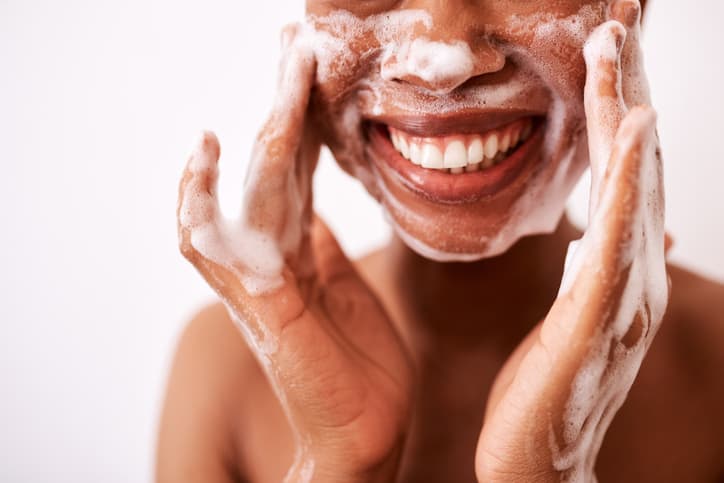
Keeping skin shine-free yet clean, well-hydrated, and free of blemishes and irritation takes the right face wash in combination with the right moisturizer.
Best face wash for oily skin
First things first: If you’re still buying the same oil-fighting cleanser you used when you were a teenager, it’s probably time to stop. Many of the cleansers marketed to teens to treat acne contain benzoyl peroxide, which is too harsh for adult skin.
“Benzoyl peroxide works well, but it’s very drying,” Mitchell said. “The typical adult patient who just has some oiliness in their T zone doesn’t need such an aggressive cleanser.”
Gentler ingredients that remove excess oil from pores include salicylic acid and glycolic acid. Salicylic acid is the more drying of the two, and it does a great job of killing some of the bacteria that can cause acne, Mitchell said. Glycolic acid is milder and is particularly effective at promoting cell turnover, which helps keep pores clear and discourages blemishes from forming. Many face cleansers for oily skin contain both of these acids.
To avoid over-drying your skin, look for a cleanser that contains 2% salicylic acid, which is the most common strength available over the counter. The ideal amount of glycolic acid a cleanser should contain ranges from 10% to 20%, and the percentage you should choose depends on what your skin can tolerate.
“Glycolic acid can cause some dryness and irritation, so if your skin isn’t accustomed to it or you have sensitive skin, I wouldn’t recommend buying a cleanser with 15% or 20% glycolic acid,” Mitchell said.
Signs your cleanser is too harsh include redness (particularly around the eye area) and flaking. If washing your face with an acid cleanser twice a day makes your skin a little too dry, consider using it only once a day and switching to a gentler option for the second wash.
Top face wash picks
Mitchell like these face washes for oily skin:
- Wederm Exfoliating Cleanser with salicylic acid and glycolic acid (available in two glycolic acid strengths)
- Neutrogena Oil-Free Acne Wash with salicylic acid
- CeraVe Acne Control Cleanser with salicylic acid
- La Roche-Posay Effaclar Medicated Gel Cleanser with salicylic acid
Gentler options she recommends if those are too drying:
- La Roche-Posay Toleriane Purifying Foaming Cleanser
- Cetaphil Pro Dermacontrol Oil Removing Foam Wash
Best moisturizer for oily skin
Does oily skin need moisturizer? In some cases, no. If you have very greasy skin, you may not need to use moisturizer, or at least not every day. But if you have combination skin or your skin is only mildly or moderately oily, it’s important to use a light moisturizer to keep your skin healthy. And if you’re using a harsh cleanser or an acne product that dries your skin, or you’re using makeup wipes throughout the day to combat oiliness, you may need a moisturizer to combat the dryness and irritation that can result.
Another benefit of using moisturizer: “Newer moisturizers contain a lot of ingredients that are really healthy for your skin, such as those that fight free radicals and UV damage,” said Mitchell.
The first rule of buying a moisturizer for oily skin: “Make sure the words ‘non comedogenic’ are on the label, which means the product won’t clog pores,” Mitchell said. “Don’t buy a moisturizer that just says ‘oil free’ because it may contain other ingredients that could cause breakouts.”
The right moisturizer for you depends on how oily you are. If your skin is moderately oily, look for a serum or water-based cream that contains hyaluronic acid, which is a very lightweight humectant. Humectants work by drawing moisture from the air into the upper layer of skin.
“People with oily skin are often nervous about putting anything on their face, but hyaluronic acid is very light,” Mitchell said. “It helps protect and repair your skin, which is particularly important for those with oily skin who may be using potentially irritating cleansers and scrubs.”
If your skin is less oily, choose a light lotion that contains ceramides. These are naturally occurring fats found in the skin that prevent moisture from evaporating.
“Ceramides help repair the skin barrier, which is what prevents invaders such as bacteria and viruses from entering the underlying structure of your skin and your organs,” Mitchell explained. “When the barrier is compromised, you’re more susceptible to infections and skin breakdown in general.”
Most moisturizing serums and lotions for oily skin are designed to be absorbed quickly, typically in about 10 minutes, so you don’t have to worry about looking shiny, she added.
Keep in mind that your skin may have different needs in different seasons. If you usually use a serum, for example, you might find you need to switch to a lotion in winter, when the air is drier.
Top moisturizer picks
Mitchell likes these face moisturizers for very oily skin:
- Wederm Pure Hydration Serum with hyaluronic acid
- La Roche-Posay Hyalu Pure Hyaluronic Acid Serum
- Neutrogena Hydro Boost Hydrating Serum with hyaluronic acid
For people with mildly or moderately oily skin, Mitchell recommends these moisturizers:
- CeraVe Daily Moisturizing Lotion with hyaluronic acid and ceramides
- Cetaphil Daily Oil-Free Hydrating Lotion with hyaluronic acid
Written by Jessica Brown, a health and science writer/editor based in Brooklyn, New York. She has written for Prevention magazine, jnj.com, BCRF.org, and many other outlets.

5 Myths About Skin Aging and Wrinkles
Medical review by Camila Yepes, PA-C
No one wants to look older than they are. But with so many myths about wrinkles, it can be hard to know what’s true or how to keep your skin looking as smooth and youthful as possible.
Camila Yepes, PA-C, a board-certified physician assistant at Water’s Edge Dermatology, debunks some of the most common misconceptions about wrinkle prevention and treatment and explains what it really takes to keep fine lines and creases at bay.
Myth 1: How much you wrinkle depends mainly on your genes
Fact: Your genes play a role in how your skin ages, but how quickly you develop wrinkles depends mostly on sun exposure.
“You may have good genes, but if you’re not protecting your skin from ultraviolet rays, that’s going to cancel out any genetic advantage you may have,” Yepes said.
Consider what causes wrinkles. They happen because the fat in deep layers of the skin shrinks with age, and because the skin naturally thins and becomes less elastic. Spending too much time in the sun makes things worse by speeding the breakdown of collagen and elastin, proteins that make skin look plump and firm.
Getting too much sun exposure isn’t the only lifestyle factor that encourages wrinkles. Smoking and over-consuming alcohol do, too, Yepes noted.
So even if your parents look great for their age, don’t assume the same will be true for you. To prevent wrinkles, use a broad-spectrum sunscreen with SPF 30 or higher every day, skip the cigarettes and vape pens and curb any excessive drinking.
RELATED: How to Prevent Wrinkles While You Still Can
Myth 2: Botox is always the best treatment for wrinkles
Fact: There are two main types of wrinkles, and Botox is effective against only one of them.
“Botox is a good treatment for dynamic wrinkles, such as crow’s feet and forehead lines, which are caused by muscle contractions that happen with repetitive facial movements,” said Yepes. Botox injections work by temporarily paralyzing the muscles so they can’t contract.
But Botox won’t do anything for the other type of wrinkles, called static wrinkles. These develop due to the loss of elasticity and fat in the skin. Examples of static wrinkles include neck wrinkles, wrinkles under the eyes and marionette lines, which start at the corners of the mouth and extend to the chin.
If you’re bothered by static wrinkles, ask your dermatologist about wrinkle treatments that help minimize them, including retinol cream and dermal fillers such as Juvéderm and Restylane.
Myth 3: Facial exercises are good for preventing wrinkles
Fact: Repetitive movements lead to dynamic wrinkles, so facial exercises and “facial yoga” aren’t going to take years off your face.
“Performing these movements could actually make dynamic wrinkles worse because you’re forcing your facial muscles to contract,” Yepes said.
Whole-body physical exercise, on the other hand, can benefit the skin.
“People who exercise regularly usually look younger than those who don’t,” Yepes noted. Chalk up the benefits in part to better blood flow, which means that more oxygen and nutrients reach the skin and cellular waste and toxins are whisked away faster.
Myth 4: People with oily skin wrinkle less
Fact: People often associate dry skin with wrinkles, but generally speaking, oily skin is just as prone to developing these hallmarks of aging.
“Dry skin sometimes looks older because lack of moisture can make wrinkles and sagging look more prominent, but oil production has nothing to do with how quickly the skin ages,” Yepes said.
One caveat: There’s some evidence that people with oily skin do tend to have shallower forehead wrinkles, thanks to a greater density of sebaceous (sebum-producing) glands in the forehead, which is associated with thicker skin.
If dry skin is making you look older, you may need to use a more effective moisturizer. “Look for one with hyaluronic acid, which is particularly effective at maintaining moisture,” Yepes suggested.
Myth 5: Collagen supplements can reduce wrinkles
Fact: Collagen loss plays a major role in skin aging. But if collagen supplements work for treating wrinkles or sagging skin, there’s no good evidence to prove it.
“Good nutrition is important for the overall health of your skin, but taking extra collagen can’t firm sagging skin,” Yepes said.
Some studies have shown slight improvements in skin appearance with collagen supplementation, but these studies were small and sponsored by the product manufacturers. In reality, it’s not clear whether collagen supplements even enter the bloodstream. Acids in the stomach may break them down before they get there.
“If you want to build collagen, it’s better to use topical products that have been demonstrated to do so, such as retinol cream and vitamin C serum,” Yepes advised.
Written by Jessica Brown, a health and science writer/editor based in Brooklyn, New York. She has written for Prevention magazine, jnj.com, BCRF.org, and many other outlets.

Teen Acne Isn’t Just a Cosmetic Problem
Medical review by John Minni, DO
If you’ve ever had acne, you know how frustrating it can be. But for some people, it’s more than frustrating.
“Many people think that acne is just a cosmetic issue, but the condition can lead to depression and anxiety, and teenagers are particularly vulnerable,” said John Minni, DO, a board-certified dermatologist at Water’s Edge Dermatology.
“They’re at a stage when they’re trying to fit in and establish their identity, so it’s disheartening for them to be constantly reminded of their acne, whether they’re looking in the mirror or other people point it out.”
Scientists have long suspected that acne and depression were linked, as well as acne and anxiety. In 2020, a review of 42 studies published in the Journal of the American Academy of Dermatology confirmed these associations. The authors advised dermatologists to pursue aggressive treatment in patients with acne and to consider screening them for mental health issues or referring them to a mental health professional.
Teen acne has wide-ranging effects
Coping with acne, regardless of its severity, can affect nearly every aspect of a teen’s life, Dr. Minni said.
“Acne can contribute to low self-esteem and a poor self-image and make teenagers a target for bullies,” he explained. “As a result, they may try to make themselves invisible.” They may avoid speaking up in class, trying out for sports, joining clubs and hanging out with friends, or making new ones.
Acne can make grooming difficult for teenage boys who are starting to shave and may struggle to avoid nicking blemishes. Body acne may limit clothing choices. Teens ready to date may worry that no one will find them attractive.
Even though many teens get acne, it can create a feeling of loneliness.
“Teenagers are bombarded with images and videos of people with perfect skin, especially on social media sites such as Instagram, that can make them feel like they’re the only person who struggles with acne,” Dr. Minni said. They may not realize that in many cases the photos have been retouched or the person is wearing heavy makeup.
Who’s at risk for acne-related depression and anxiety?
Not every teenager with acne will develop emotional health problems. And not all cases of depression and anxiety in teens are related to acne.
“Acne can be a big instigator of depression and anxiety, but these illnesses are multi-faceted,” Dr. Minni says. “Battling acne may simply be the tipping point for teenagers who are already vulnerable to depression and anxiety due to genetics and environmental factors such as lack of social support.”
Gender may also play a role. Studies have shown that teen girls suffer more emotional distress due to acne than boys. However, the gap appears to be narrowing, according to Dr. Minni.
“The pressure on teen boys to meet certain standards of attractiveness has increased significantly over the years,” he said. “But the good news is that boys are now more likely to see a dermatologist for their acne. It used to be that ‘tough guys’ didn’t do that.”
Acne treatment for teens is critical
Treating acne early on can help reduce the risk of harmful psychological effects. If a teenager has already started showing signs of depression and anxiety related to acne, prompt treatment can help ease or resolve their symptoms, Dr. Minni noted.
“Early intervention is also important because fewer blemishes mean there are fewer opportunities to develop acne scars,” he added. “These scars may be permanent and can cause a lot of distress for years to come.”
Acne does sometimes respond well to over-the-counter cleansers and treatments, but many teens will need to see a dermatologist get results. If OTC products don’t lead to significant improvement after three months of regular use, that’s a sign to see a dermatologist.
“Parents and teens should know that dermatologists have more options for treating acne than ever before that are simple, safe, and affordable,” Dr. Minni said. “Teenagers can get extraordinary results from acne treatment, and that can help restore their confidence.”
Written by Jessica Brown, a health and science writer/editor based in Brooklyn, New York. She has written for Prevention magazine, jnj.com, BCRF.org and many other outlets.

When to Worry About a Spider Bite
Medical Review By: Thomas Pham, MD
Spider bites are more common than you might think. Garden spiders that get trapped in clothing or under hair may bite two or three times before you flick them off or crush them by scratching. Dermatologists sometimes call these bites “breakfast, lunch, and dinner.”
Fortunately, when it comes to spider bites, the ick factor is almost always worse than the bite. While nearly all spiders produce venom, it’s rarely strong enough to harm humans. Plus, most spiders’ fangs are too short to penetrate human skin.
Bites that produce mild pain or itching can usually be treated with over-the-counter hydrocortisone cream or ointment, cold compresses, and an oral antihistamine if needed to help with itching or swelling.
If you’re unlucky, however, you might encounter one of the two types of spiders in the United States that can seriously harm humans: the black widow and the brown recluse. While they’re not aggressive, they do bite in some circumstances, and there’s a chance you may need emergency treatment if you are bitten.
If possible, take a photo of the spider to help your doctor diagnose the bite and choose a course of treatment.
Black widow spiders
What they look like
Black widows have an almost spherical abdomen and are about half an inch long.
Southern black widow spiders are black with a red hourglass pattern on the underside of the body (females) or red and white markings on the sides of the body (males). In Northern black widows, the hourglass pattern is broken, and there may be a row of red spots on the back and diagonal whitish markings on the side (females). Male Northern black widows usually have faint red and white spots on the underside of the body.
What to know
Black widows can be found anywhere in the United States but are more common in the South and West.
While male black widow spiders don’t bite humans, females can and will attack to defend themselves if you disturb them, especially if they’re in their web protecting their eggs.
You’re most likely to run into a black widow’s web in dark and undisturbed areas, such as woodpiles, eaves, fences, and water meter boxes. When indoors, black widows usually build their webs in cluttered areas, such as a garage or basement.
Spider Bite Symptoms and Treatment
Black widow bites cause a sharp, pinprick-like pain. In many cases, reactions are relatively mild and limited to redness and swelling of the bite area. (You may also notice two tiny red spots that are actually tiny fang marks.) These symptoms appear 15 to 60 minutes after you’re bitten and can be treated at home with cold compresses, over-the-counter pain relievers, elevation (if the bite is on your arm or leg), antibiotic cream, or lotion.
Some people develop a severe reaction and experience signs and symptoms such as stiff and painful muscles, fever, chills, nausea, vomiting, difficulty breathing, weakness, tremors, headache, and belly or back pain. These may develop in as little as 15 minutes after the bite or several hours later. If you have a severe reaction, go to the emergency department or call 911.
Fatalities are rare. Elderly people and small children are more likely to have a severe, possibly life-threatening reaction.
Treatments for severe black widow bites include prescription pain relievers, muscle relaxants, and antivenom.
Brown recluse
What they look like
Brown recluse spiders are tan to dark brown with long legs. They often have a darker brown violin shaped-marking just behind their head.

What to know
Brown recluse spiders are typically found in Midwestern and Southern states. They truly are reclusive and would much rather avoid you than attack you. When they do bite, it’s usually because they were trapped against your skin and tried to defend themselves. This may happen if a brown recluse makes its way into your bedsheets, clothes, or shoes.
Brown recluses like to live under rocks, woodpiles, and debris. They’re also well adapted to living indoors, where they prefer dark areas such as basements, attics, closets, and cabinets.
Bite symptoms and treatment
If you’re bitten by a brown recluse, you may not notice right away because the bite is often painless or only mildly painful. In fact, you may never know you’ve been bitten. If symptoms do occur, they typically start three to eight hours after the bite and include redness, tenderness, and a sore at the site of the bite. Other possible symptoms include fever, chills, vomiting, muscle aches, and itching.
Severe symptoms such as extreme pain or trouble breathing require immediate medical attention. Bites in small children, elderly people, and those in poor health also require immediate medical attention.
Brown recluse bites usually heal within three weeks. However, in about 10% of cases, a bite can cause tissue death in the affected area. A skin ulcer or blister with a blue, purple or black center develops and may become infected.
Treatments for severe brown recluse bites include antibiotics, antihistamines, and steroids. Some victims need surgery to remove the damaged tissue around the wound.
At-home treatments for mild bites are the same as those for mild black widow bites.
Hobo and yellow sac spiders: Cause for concern?
These two types of spiders have a nasty reputation. It was once thought that their bites, like that of a brown recluse, could lead to tissue death. But researchers now say there’s no evidence to support that idea. While hobos and yellow sacs do bite occasionally, you’re unlikely to experience symptoms beyond minor pain, swelling, and redness.
Article Written By: Jessica Brown, a health and science writer/editor based in Brooklyn, New York. She has written for Prevention magazine, jnj.com, BCRF.org, and many other outlets.
Are Cold Sores Contagious? Here’s What to Know
Medical Review By: Camila Yepes, PA-C
Cold sores, aka fever blisters, are caused by the herpes simplex virus (HSV) — not by colds or fevers. But like colds, they are very contagious. You can spread HSV at any point from the first warning tingle up until the cold sore scab has completely disappeared. It’s even theoretically possible to spread the virus when you don’t have a cold sore.
Read on to learn more about cold sores and how to stop the spread.
What causes cold sores?
Oral herpes infections are spread from person to person, usually through direct contact — for example, through kissing or oral sex. They can also be spread by sharing personal items such as drinking glasses or lip balm.
Of course, you can develop a cold sore without coming into contact with someone who has one. That’s because most adults have already been infected with HSV, typically during childhood, and the virus remains in the body, hiding in nerve cells, for life.
Certain triggers can “wake up” the virus, resulting in a cold sore. These include sun exposure, cold wind, cracked lips, hormonal changes during menstruation or pregnancy, emotional stress, surgery, and anything that taxes your immune system, such as the common cold or another illness.
Cold sore stages
Stage 1: You’ll feel tingling, itching, or burning somewhere around your mouth or at the base of your nose. You’re already contagious at this stage (called the prodome stage). This is the time to apply an over-the-counter product such as Abreva or take an oral antiviral medication such as valacyclovir if your doctor has prescribed one. Valacyclovir is highly effective at shortening outbreaks when taken within the first 24 hours of symptoms.
Stage 2: After a day or two of tingling, blisters filled with clear liquid develop and the skin under and around them reddens. Cold sores spread easily at this stage. Do not break the blisters.
Stage 3: A few days later, usually on day four, the blisters break on their own, creating an open sore. This stage, which doctors call the ulcer or weeping stage, is when a cold sore is the most contagious.
Stage 4: The sore starts to dry out and scab over. It may crack or bleed. The sore is still contagious.
Stage 5: The sore begins to scab over. When the scab falls off, the area may look pink or red for a few days. The sore is no longer contagious once the skin heals.
Stopping the spread
Cold sores can spread through saliva and through skin-to-skin contact. To avoid infecting other people, follow these tips during every stage of a cold sore.
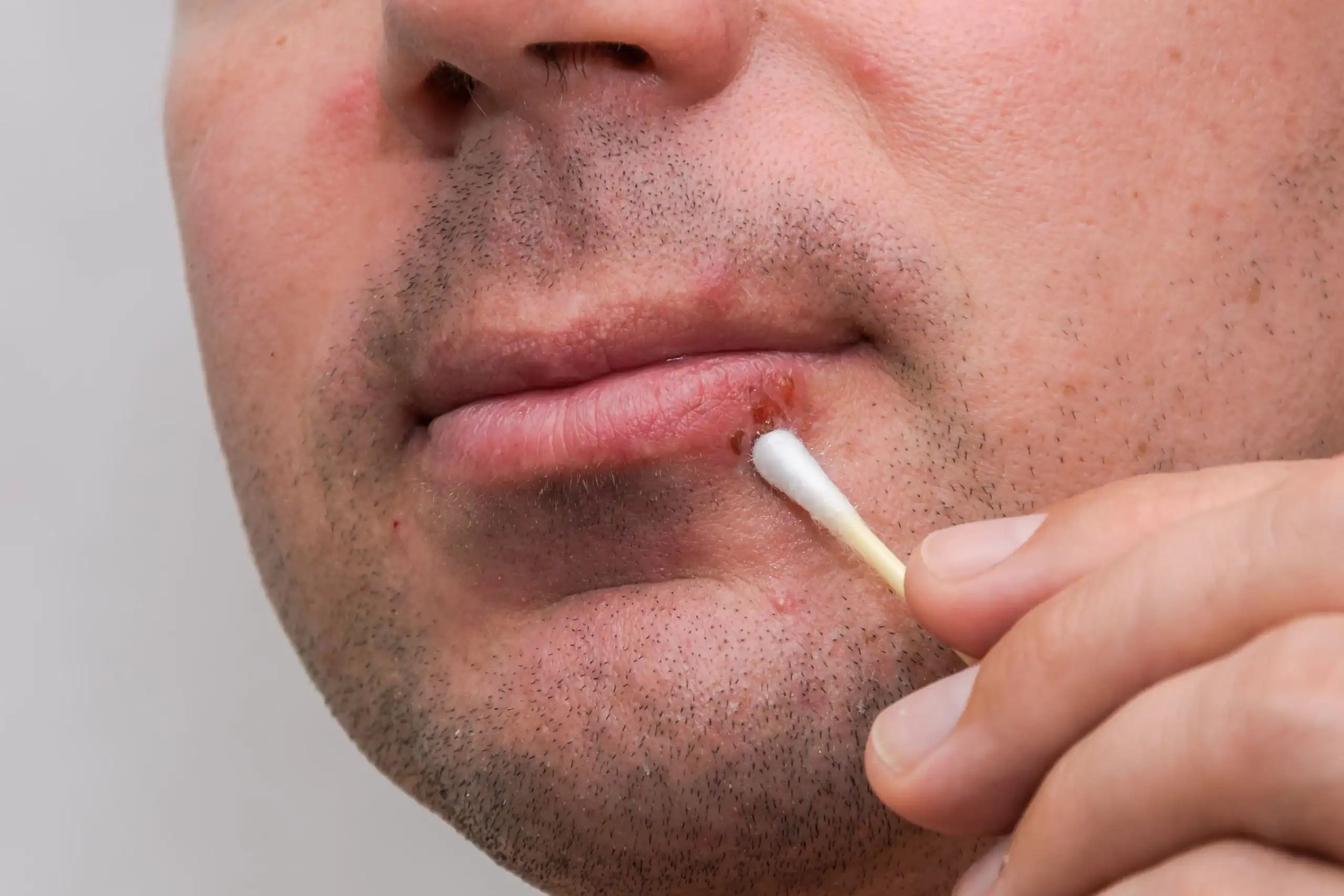
Avoid touching the area. If you must scratch when it itches, wash your hands thoroughly afterward. Apply any topical treatments with a cotton swab, not your finger. Don’t pick at the scab (this will only prolong the healing process).
Don’t share any personal items. This includes food, drinks, eating utensils, straws, toothbrushes, razors, lip balm, petroleum jelly and any cold sore cream or ointment you use.
Don’t kiss anyone or nuzzle your baby. Kissing your baby while you have a cold sore is dangerous because the virus is far more severe in infants, who don’t have a fully developed immune system. You should also avoid close contact with anyone who has a weakened immune system, and anyone who has eczema. People with eczema are at risk of a potentially serious skin infection called eczema herpeticum.
Refrain from oral sex. Genital herpes is typically caused by a different strain of HSV (HSV-2), but it is possible for your partner to develop “oral herpes” (HSV-1) on their genitals from exposure to a cold sore on your mouth.
The best way to avoid spreading cold sores is to avoid getting them in the first place. While you have limited control over some common triggers, you can lower your risk of outbreaks caused by sun exposure by wearing lip balm with an SPF of at least 30.
If you get cold sores several times a year, ask your Water's Edge dermatologist about a prescription for an antiviral medicine to take at the first sign of an outbreak. People who get cold sores many times a year may be prescribed a low-dose antiviral medication to take daily in order to help prevent outbreaks. Taking supplements of the amino acid lysine coupled with avoiding foods high in the amino acid arginine (notably, nuts and seeds) may help, too.
Get Cold Sore Treatment, Contact Our Dermatologists Today!
Article Written By: Jessica Brown, a health and science writer/editor based in Brooklyn, New York. She has written for Prevention magazine, jnj.com, BCRF.org and many other outlets.
Medical Review By: Camila Yepes, PA-C

How to Prevent Wrinkles While You Still Can
Medical review by Denise Guevara, DO
If your face is still as smooth as a baby’s bottom, you probably aren’t thinking about wrinkles. Unfortunately, everyone gets them eventually, partly because as the body ages, it produces less collagen and elastin, proteins that keep the skin firm and elastic.
But if you act now, you can delay the development of wrinkles and enjoy young-looking skin longer. Here, Denise Guevara, DO, a board-certified dermatologist at Water’s Edge Dermatology, shares her best tips for staving off these telltale signs of aging.
Use sunscreen daily
You probably know this, but it bears repeating: Wearing sunscreen is one of the best ways to prevent wrinkles.
“Exposure to the sun’s ultraviolet rays is one of the main causes of premature wrinkles because they damage collagen and elastin, among other harmful effects,” said Dr. Guevara.
Sunscreen plays a particularly large role in preventing wrinkles in people with fair skin. A study published in Clinical, Cosmetic, and Investigational Dermatology concluded that UV rays appeared to be responsible for 80% of signs of aging facial skin in Caucasian women. (The sun takes less of a toll on dark skin because the skin contains more melanin, which provides some natural protection.)
Regardless of skin color, everyone should wear a broad-spectrum sunscreen with an SPF of at least 30 every day, both to prevent wrinkles and to reduce the risk of skin cancer, Dr. Guevara noted.
RELATED: A Melanoma Warning for Millennials and Gen Z
Wear sunglasses
Wearing sunglasses protects the skin around your eyes from UV rays and guards against wrinkles by making you less likely to squint.
“Crow’s feet, which are the wrinkles that form at the outer corners of your eye, are dynamic wrinkles, meaning they develop as a result of repetitive facial movements such as squinting,” Dr. Guevara explained.
If you need regular prescription glasses, it’s important to wear those too in order to limit squinting. Be sure to get regular eye exams as well. You may not realize right away that your vision has gotten worse and that you’ve been squinting more than usual.
Quit smoking
Smoking and vaping cause premature facial wrinkling in several ways. They interfere with the body’s ability to produce collagen and cause blood vessels to narrow, which prevents nutrients from being delivered to the skin. Smoking is also a major contributor to dynamic wrinkles.
“When you smoke, you make repetitive facial movements, such as pursing your lips and squinting,” Dr. Guevara said. “Over time, this creates wrinkles around the mouth and eyes.”
Quitting smoking won’t reduce wrinkles that have already appeared, but it can prevent them from deepening.
Sleep on your back
If you regularly sleep on your side or stomach, you may develop more wrinkles than someone who sleeps on their back.
“Resting your face on a pillow creates compression, which reduces blood flow to the areas of your skin and neck that are in contact with the pillow, depriving them of nutrients,” said Dr. Guevara. “This causes wrinkles to develop on the affected areas as time goes by.”
Can’t sleep on your back? You can minimize compression by sleeping on a softer, bouncier pillow.
Use retinoids
These vitamins A derivatives are commonly used to reduce and prevent wrinkles by increasing collagen production.
“Retinoids are like insurance against future wrinkling,” Dr. Guevara said. “You can start using them in your 20s to prevent wrinkles, though some people begin applying them in their teens because retinoids are also an effective treatment for acne.”
Your dermatologist can prescribe a retinoid, or you can use an over-the-counter retinol product. Retinols are weaker versions of retinoids. The option you choose comes down to what your skin can tolerate. Retinoids are very exfoliating, so you may prefer retinol — and lower-concentration retinol at that — if you have sensitive skin.
Apply a moisturizer that contains hyaluronic acid
Almost any moisturizer can temporarily plump the skin and diminish the appearance of fine lines, but using a moisturizer that contains hyaluronic acid can also help prevent wrinkles. Not only is hyaluronic acid particularly effective at drawing moisture into your skin, but it also helps maintain the integrity of the outer layers of skin, but Dr. Guevara also explained. These layers referred to as the skin barrier, provide protection from external factors that contribute to premature aging, such as pollution.
You can start using a moisturizer with hyaluronic acid at any age, but it becomes increasingly important as you get older, as the hyaluronic acid that is naturally present in the skin decreases over time.
Neutrogena’s Hydro Boost products contain hyaluronic acid, as does wederm Pure Hydration hyaluronic acid serum.
Add vitamin C serum to your skincare routine
Vitamin C serum helps prevent wrinkles by protecting skin from damage caused by unstable molecules called free radicals. These are generated when skin is exposed to harmful elements, such as UV rays and pollution.
“Free radicals cause premature aging because they break down collagen and elastin in your skin,” Dr. Guevara said. “This leads to wrinkles as well as other signs of aging, such as sagging skin.”
Ideally, you should start using vitamin C serum when you’re in your early 20s. But if you’re older and have wrinkles already, vitamin C serum is recommended to help diminish their appearance.
Eat a well-balanced diet
Eating fruits and vegetables rich in vitamin C and other antioxidants can help stave off wrinkles.
“In addition to neutralizing free radicals, fruit and vegetables also have a high water content, and hydration plays a key role in making the skin look firm,” Dr. Guevara said.
Limit foods that contribute to premature aging, such as those high in sugar. When sugar combines with fats or protein in the blood, harmful compounds called advanced glycation end products, or AGEs can form. AGEs can accumulate in the skin’s collagen and elastin and interfere with their functioning.
Consider “preventive” Botox
Botox injections treat wrinkles by temporarily paralyzing certain muscles. That effect also helps prevent dynamic wrinkles such as crow’s feet and worry lines on the forehead.
“Even if your skin is still smooth and firm, you may want to consider getting Botox injections by the time you’re in your late 20s in order to start minimizing facial movements that contribute to dynamic wrinkles, such as grimacing and frowning,” Dr. Guevara said.
Written by Jessica Brown, a health and science writer/editor based in Brooklyn, New York. She has written for Prevention magazine, jnj.com, BCRF.org and many other outlets.

How to Embrace Skinimalism, the ‘Less Is More’ Beauty Trend
Medical Review By: Heather Brew, PA-C
Sometimes less is more. Maybe we don’t need to hide our skin under makeup or follow a complicated skin care regimen involving a dozen different products. That’s the thinking behind skinimalism, a minimalist approach to skin care and makeup.
What exactly is skinimalism?
“I think it's about going back to the basics when caring for your skin, but also loving your skin and how it is in everyday life,” said Heather Freeman, PA-C, a board-certified physician assistant at Water’s Edge Dermatology. “I think it's avoiding multiple products and layers of makeup, and being true to your authentic self."
That all sounds well and good, and easier on the piggybank to boot, but how can you feel comfortable enough in your skin to pare down your beauty routine and kiss the heavy foundation goodbye? Freeman offered these tips.
Go back to the big three
Start by going back to basics. A basic skincare routine involves exactly three products: a facial cleanser, a moisturizer and sunscreen.
The cleanser removes dirt, makeup and oil and helps keep breakouts at bay. The moisturizer minimizes water loss, which protects skin from irritants in the environment. Broad-spectrum sunscreen guards against UV damage that can lead to premature aging and skin cancer. (Freeman likes zinc and titanium as active ingredients.)
To fight free radicals caused by sun exposure, also consider a cream or serum containing vitamin C. “I personally like to use a vitamin C serum first and apply my moisturizer on top, then sunscreen,” said Freeman. When it comes to vitamin C, she noted, “You don’t need much.”
From there, you can add products designed to address specific issues that bother you — but there’s value in not going overboard.
“With too many skin care products, we worry about ingredients interacting, and we worry about irritation,” said Freeman.
Signs your skin care routine might be overly elaborate include dryness, redness or burning. “Often, patients come in and I say, ‘You're really irritated, what are you using?’ and they list 20 things. I say, ‘Let's start from the basics again. Let's start with one product at a time to figure out what works best for you.”
Freeman likens using too many skin care products to taking too many medications: Not only are interactions an issue, but some people get overwhelmed and use them incorrectly.
In other cases, she noted, using a multitude of products does work. “Some people do great with a lot of products, as long as they know what they're used for and how to use them.”
Zero in on your skin issues
If you’re concealing your skin because of acne, rosacea, discoloration or some other issue, talk to a qualified skin care provider about what products and treatments to try.
The provider can suggest over-the-counter or prescription topicals that gradually smooth the skin’s texture and improve acne, acne scars and hyperpigmentation (dark spots), three common reasons women wear foundation.
A vitamin C serum, for example, may be ideal for overall texture issues, hyperpigmentation, age spots and fine lines. Prescription glycolic acid or hydroquinone products are used to fight more serious hyperpigmentation. Creams, cleansers, wipes and sprays containing salicylic acid can make pores appear smaller. Certain topicals work to tamp down rosacea symptoms.
A provider can also suggest in-office treatments to help your skin look better bare. A chemical peel, for example, makes skin smoother and softer while minimizing the look of fine lines and brown spots. “Chemical peels have come a long way in the last few years,” said Freeman. Multiple strengths let you choose how aggressive you want to be.
Laser treatments are another option for diminishing wrinkles, discoloration and scars and reducing the appearance of pores. Laser treatment for rosacea is often effective for persistent redness and visible veins.
Get a natural glow
Why use makeup that gives you the look of glowing skin when you can have glowing skin for real?
Start by keeping your skin well moisturized and choosing your moisturizer wisely. A moisturizer that contains hyaluronic acid can plump the skin and give you a fresh, dewy look. Or add a few drops of a hyaluronic acid serum to your regular moisturizer.
Vitamin C, green tea and caffeine are other go-to ingredients. This soothing green tea and witch hazel mist can refresh tired-looking skin and soothe irritation, including irritation from wearing a face mask (wash your face after removing the mask). This multitasking moisturizer, which contains green tea, caffeine and the antioxidant resveratrol, is helpful for calming inflammation as well as diminishing the look of fine lines and pores.
If a healthy glow is your main objective, also consider a chemical peel.
Remember, the goal of skinimalism isn’t flawless skin, it’s natural-looking skin you feel good about.
“People do have imperfections, but we can work through them,” said Freeman. “There are ways to make you feel better about your skin besides covering it with makeup.”
Finally, resist the urge to try every product getting raves on social media. “There are many influencers suggesting different products, and a lot of times they're getting paid to do it,” said Freeman. “Just because a product is trending doesn't mean it's right for everyone.”
Article Written By: Marianne Wait, an award-winning health and wellness writer based in New Jersey.

What Causes Itchy Skin at Night?
Medical review by Marianne Pineda, PA-C
How many times has this happened to you: You’re in bed, trying to wind down and drift into sleep, and suddenly your skin starts itching — maybe so much so that it’s hard to fall asleep or stay asleep.
You’re not alone. Itchy skin at night, which doctors call nocturnal pruritus, is fairly common. The causes are not completely understood, but these factors play a role.
Circadian rhythm
You can blame nocturnal itching in part on your body’s circadian rhythms. These are cycles that repeat every 24 hours, controlled by a “master clock” in the brain. Circadian rhythms influence sleepiness and wakefulness, hormonal activity, hunger, digestion and body temperature, among other things.
In the evening, the body releases more heat, and blood flow to the skin increases, which may contribute to nighttime itching. In addition, skin loses water at night, resulting in dryness that can make you itchy. That water loss is likely due to nighttime changes in the skin’s barrier function, which could also let in more irritants.
Inflammation may also play a role. At night, the body releases more cytokines, which are immune system proteins that create inflammation. This can cause itching or make itching worse. At the same time, the body’s production of corticosteroids, which tame inflammation, declines.
It’s also possible that you simply notice itching more when you’re in bed trying to sleep than when you’re busy and distracted during the day.
Health conditions
Itching related to certain health conditions can be worse at night.
Common skin conditions. These include psoriasis, eczema and dry skin. Older people are more susceptible to nighttime itching in part because the skin tends to dry out with age.
Mental health issues. Stress and anxiety can contribute to nighttime itching, as can depression and schizophrenia.
Infestations. Bed bugs, lice and scabies all cause itching, especially at night. Bed bugs feast when you’re in bed. Lice and scabies mites are also more active at night.
Hormones. Pregnancy, menopause and hyperthyroidism (too much thyroid hormone) or hypothyroidism (too little thyroid hormone) can contribute to nighttime itching.
Allergies. A food allergy could cause skin to itch at night.
Iron deficiency anemia. Some people with iron deficiency anemia have itchy skin. Other symptoms include tiredness, pale skin, shortness of breath and fast heartbeat.
Chronic idiopathic pruritus. This condition, whose name means chronic itching with no known cause, can be especially challenging because it can significantly worsen a person’s quality of life, and yet the best treatments remain unknown. A team that includes an allergist, an immunologist and a dermatologist can work together and order lab tests, such as blood tests and even chest X-rays, to identify possible underlying triggers.
In some cases, itching, including nighttime itching, can be a sign of a serious condition such as liver or kidney disease, HIV or certain cancers such as leukemia and lymphoma. It can also stem from nerve problems, such as diabetic neuropathy (nerve damage from diabetes), multiple sclerosis or shingles.
Opioids, used to treat serious pain, can also cause itching.
Home remedies for nighttime itching
Oftentimes, simple home remedies can ease the itching.
- Avoid caffeine and alcohol in the evening, since they widen blood vessels, which sends more blood to the skin.
- If you use a scented soap or deodorant soap, switch to a gentle, fragrance-free moisturizing soap or non-soap cleanser.
- Apply a fragrance-free, alcohol-free moisturizing lotion such as Cetaphil, Eucerin or CeraVe during the day and after bathing.
- Before bedtime, taking a lukewarm shower or bath (try adding colloidal oatmeal) or applying cool compresses to your skin can be helpful.
- Consider running a fan in your bedroom to distract you from the itch. Keep your bedroom cool (below 70°F), and use a humidifier if the air is too dry.
- Wear loose pajamas made of a soft material such as cotton or silk.
- If you think stress might be contributing to your itching, try yoga, meditation, stretching, deep breathing or progressive muscle relaxation before bed.
Scratching can make itching worse, but the urge to scratch can be hard to resist. If you can’t keep yourself from scratching, trim your fingernails and consider wearing cotton gloves to bed.
When to see a doctor
If your nighttime itching lasts longer than two weeks and home remedies don’t help, talk to your doctor. Itching that interferes with your sleep, affects your entire body or is accompanied by other symptoms such as fever, tiredness or weight loss should be evaluated.
Treatment depends on the cause of the itching. Your doctor may recommend over-the-counter medications such as corticosteroid cream, allergy medication or melatonin to help you sleep.
In some cases, prescription medication may be necessary. Options include stronger corticosteroid creams and pills, antidepressants that have a sedative effect, immunosuppressants (to reduce inflammation), hormone replacement therapy and various drugs that help treat insomnia and reduce anxiety or itching.
Written by Jessica Brown, a health and science writer/editor based in Brooklyn, New York. She has written for Prevention magazine, jnj.com, BCRF.org and many other outlets.

