
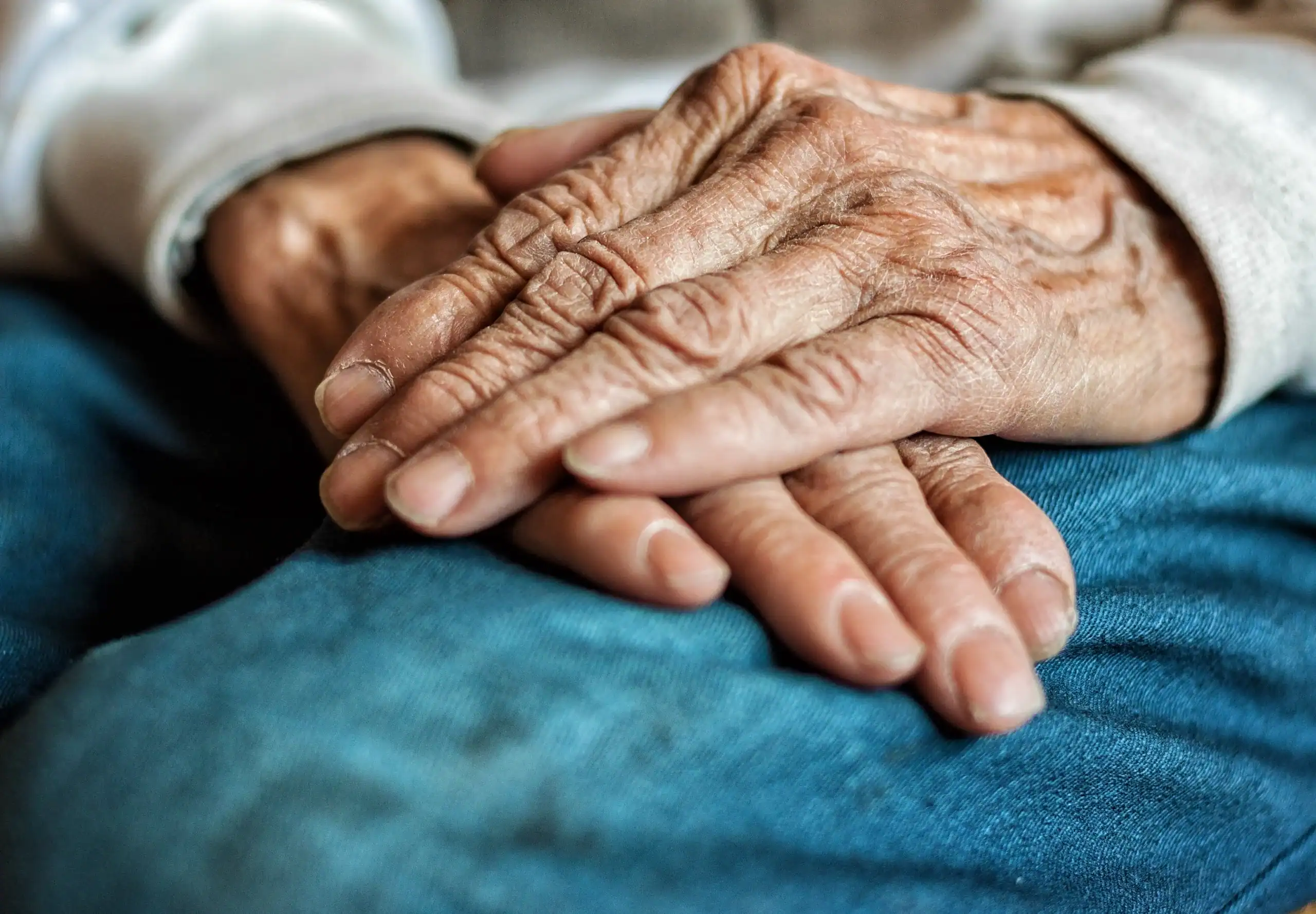
8 Common Skin Conditions in Elderly Adults
Medical review by Ted Schiff, MD
Like every part of the body, the skin changes with age. The teen years bring dreaded pimples. Middle age brings telltale wrinkles. In elderly adults, skin conditions may become more numerous — and more noticeable — as the skin continues to thin and lose fat, elasticity, and moisture.
Skin cell turnover decreases dramatically, which slows wound healing. Aging weakens the immune system, so skin infections are more common. Age spots may take up more acreage. Large, dark bruises may spring up out of nowhere.
Some skin problems, like dark bruises, are alarming but are mostly harmless. Others require medical attention. Here are eight skin conditions in elderly adults and what older adults, loved ones and caregivers should know.
1. Easy bruising
Why do old people bruise easily? Aging skin is thinner, and there’s less fat to act as cushioning. Also, blood vessels are more fragile and easily broken. Bruises happen when blood leaks out of blood vessels, so more broken vessels means more bruising. Older people who take blood thinners or even over-the-counter painkillers such as aspirin or ibuprofen may bruise more easily.
A minor bump or scrape can result in a surprising amount of bruising and make concerned loved ones wonder what’s happening. The bruises are usually harmless. But anyone who often develops large bruises with no logical explanation should see a doctor to rule out an underlying health problem.
If a loved one or caregiver has any reason to suspect abuse as the cause of bruising, they should investigate. Most accidental bruises occur on the extremities, according to the National Institute of Justice, whereas bruises in abused elders are more likely to occur on the head, neck or torso, and they tend to be large.
Take action
To treat bruises:
- Apply a cold compress for up to 20 minutes a time.
- Apply Dermaka cream, a bruise treatment made with plant extracts and vitamins, according to the package directions.
- If a leg or foot is bruised, keep it elevated when resting.
2. Dryness and itching
Dry skin in elderly adults is very common; in fact, more than half of older adults have it. A loss of sweat and oil glands is one reason. Not drinking enough liquids may be another. In addition, certain chronic health conditions, such as diabetes and kidney disease, can cause dryness and itching, as can some of the medications used to treat them.
Skin may become cracked and painful. Scratching can cause skin irritation and open the way for infection-causing germs to enter.
Take action
If you have dry, itchy skin:
- Take shorter, cooler baths or showers and use a moisturizing soap (skip the deodorant soap)
- Use a moisturizing ointment or cream daily. (Avoid lotions, which contain more water.) CeraVe, Cetaphil and Vanicream all make gentle, effective moisturizers.
- Drink more water.
- Run a humidifier if the air is dry.
- If the itching doesn’t subside, tell your doctor. It could be a sign of liver, kidney or thyroid disease.
3. Age spots
 Skin in older adults is often dotted with age spots due to years of sun exposure. These flat, tan or dark brown spots, which some people call liver spots, typically show up on skin that’s gotten the most sun, such as the face, the arms and the back of the hands. They’re harmless.
Take action
- Wear sunscreen with at least 30 SPF to help prevent more age spots from developing.
- See a dermatologist to make sure the spots are in fact age spots and not something else, especially if they change in appearance.
- If your age spots bother you, a skin care provider can treat them.
4. Skin tags
Skin tags are soft, spongy, often flesh-colored growths of tissue that typically appear on eyelids, neck, thighs and skin folds such as the armpits, groin and under the breasts. They may hang from the skin on small stalks. Skin tags are more common in women, people who are overweight, older adults and people with diabetes. They can become irritated if clothing rubs them or jewelry snags them.
Take action
- Skin tags are harmless, but if you want one removed, see a dermatologist. A dermatologist will remove it for you.
- Don’t try to remove a skin tag yourself. It’s a bad idea for several reasons.
5. Skin cancer
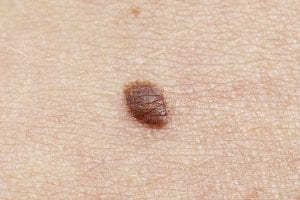 In old age, melanoma rates spike. Slower-growing basal cell and squamous cell cancers also become more common. In addition to more years of sun damage, older adults have a decreased ability to repair pre-cancerous cells. Age is the strongest risk factor for non-melanoma skin cancers.
Take action
- Perform a skin check once a month to look for new growths and changes in existing moles. Evaluate moles using the ABCDE test. Make an appointment with your dermatology provider if you see something suspicious.
- Have a skin cancer screening based on the schedule your dermatologist recommends, but at least once a year.
6. Shingles
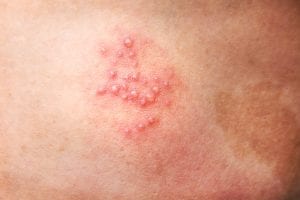 Adults who had chickenpox as a child are vulnerable to shingles as adults. Older adults are especially vulnerable.
Shingles starts with burning, itching, tingling or extreme sensitivity in one area of the skin. A painful rash then develops, often along with a fever or headache. The rash eventually blisters. Skin infections and long-term nerve pain are possible complications.
Take action
- See a doctor as soon as symptoms appear. Early treatment with an oral antiviral medication may reduce the duration and severity of an outbreak.
- Take an over-the-counter pain medication for pain and use cool compresses, calamine lotion and lukewarm baths with colloidal oatmeal (oats ground into a fine powder) for itching.
- To prevent shingles, get both doses of the Shingrix vaccine.
7. Bed sores
Bedridden or wheelchair-bound older adults are susceptible to open wounds called bed sores or pressure ulcers. These develop in areas subject to pressure when you sit or lie down, such as the tailbone, shoulder blades, backs of the knees and heels. People with diabetes, poor circulation or poor nutrition face a higher risk of bed sores.
Prevention is critical. Bed sores can be very difficult to treat once they develop, and they may become infected.
Take action
- In bed, reposition every two hours. In a wheelchair, change position every 15 minutes.
- Keep skin clean and dry.
- Watch for redness and warmth in one area of the skin; it’s an early warning sign. If you’re a caregiver, call the doctor if you notice this or see a sore, scrape or blister. A wound care nurse may be needed to coordinate care.
- Consider a gel or foam mattress topper or a mattress with alternating air pressure, which can help prevent pressure sores.
8. Skin tears
The fragile skin of elderly adults tears more easily, especially in people who take oral or topical corticosteroids, which can weaken the skin. The skin might tear when you bump into something, or when a caregiver removes wound tape or dressing.
Take action
- Use moisturizer and drink plenty of water to keep skin hydrated, which can help prevent tears.
- Wear long pants and a long-sleeved shirt or arm sleeves to protect the skin.
- If a small tear occurs, wash the wound with gentle soap and water. Put the skin flap back in place if there is one, then cover the wound with gauze.
- See a doctor for more serious tears or if you notice signs of infection, such as redness, swelling, fever, worsening pain or a bad odor.
Written by Jennifer L. Cook, an award-winning editor and writer whose work has appeared in Good Housekeeping, Prevention, Consumer Reports on Health, and Woman’s Day and on Investopedia.com and Bottomlineinc.com.
How to Remove Your Skin Tags Safely and Effectively
There are a number of different skin conditions that can manifest as bumps on the skin. Acne, for example, will affect nearly 85% of people at some point during their lifetime. Fortunately, this problem can typically be treated with different acne treatment products or procedures, which can be prescribed by a dermatologist. Similarly, skin cancer is more likely to develop in people who have a number of moles, or skin growths that can be brown, black or skin colored; in fact, the growth of new moles, or atypical nevi, can be a sign of skin cancer. An estimated one in five Americans will develop skin cancer at some point in their lives, making it important that you make an appointment with dermatology and skin cancer specialists at a dermatologist clinic if you suspect you have symptoms. But what if you have small, soft growths on your skin, connected to your body by a thin stem? What skin condition does this signify?
While you should have any questionable skin growths checked by a dermatologist, this bump is likely a skin tag. These harmless features often grow on a person's neck, armpits, torso and body folds as they age. Typically, skin tags can be left alone. However, if you find that they rub or catch on your clothes or jewelry, or you simply do not like how they look, you may want to invest in natural skin tag removal. Read on to learn how this process is undertaken safely and effectively.
A Dermatologist's Natural Skin Tag Removal Methods
It is recommended that you have your skin tag first checked out by a dermatologist anyway to reduce the chance of misdiagnosis. If you then want to remove the skin tag, your doctor will typically use one of three natural skin tag removal methods: cutting it off, in which they will remove it will a scalpel or surgical scissors; freezing it off, which uses a small amount of liquid nitrogen; or or burning it off, in which an electric current is passed through a wire, slicing through the stem while reducing the chances of bleeding. All of these methods are safe, and while they might involve some pain, a dermatologist will often use an anesthetic to numb the area.
Why You Shouldn't Conduct a Natural Skin Tag Removal Yourself
Some people attempt to remove their own skin tags with nail clippers and other common devices. However, this can cause bleeding, infection, and scarring. In contrast, seeing a dermatologist is much more effective and safe.
Do you have skin tags? Are you interested in having them removed? Tell us about it in the comments below!
What are Skin Tags?
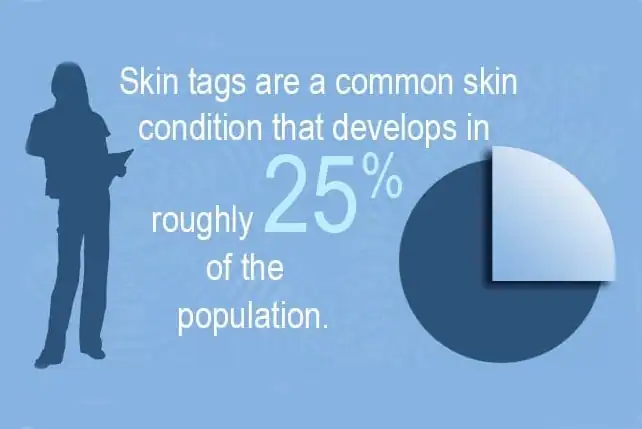
As you have grown older, you may have noticed that your skin has formed small, soft protrusions on your arms, neck, chest, or groin. These benign features are called skin tags, a common skin condition that develops in roughly 25% of the population. Often due to genetic predisposition, skin tags do not pose a threat to a person's health, but can make patients self-conscious about the appearance or texture of their skin. As a result, many people will visit dermatologist clinics and research different skin tag removal products and methods. However, to discover the best course of action for you and your skin, it is important to understand why skin tags form and how they are best treated.
About Skin Tags
Dermatologist specialists believe that skin tags develop as a result of friction between clothing and skin, or two adjacent areas of skin; the latter is usually seen when the protrusions develop in the underarm or on the eyelid. Because of this, skin tags are more likely to develop in obese patients, those who are middle-aged, and the elderly. In some cases, however, skin tags can develop in children, pregnant women, and people with Crohn's disease.
Skin tags are usually flesh-colored and can range in size from less than 1 millimeter to as large as a grape. Some patients may mistake them for cancerous lesions (a legitimate concern, as more than 3.5 million nonmelanoma cancers are diagnosed every year in the United States), but this mistake is unlikely, as skin tags can be distinguished by a small stalk connecting them to the body. They can sometimes become caught on clothes, but otherwise should not be painful; if a patient does experience pain and other unusual symptoms emerge, a dermatologist will likely have them excised and tested to ensure that they are not nevi, or atypical moles. These atypical moles can mean that a patient has a higher chance of developing melanoma, a deadly skin cancer characterized by the overproduction of pigment-producing cells. However, this is highly unlikely in most cases.
Skin Tag Removal Procedures
Because skin tags are benign, they typically are not removed unless they are uncomfortable or displeasing to the patient. While some home recipes claim to be able to remove skin tags with skin tag removal products, such as apple cider vinegar, effective results can only be achieved through surgery. In this procedure, a dermatologist will use a blade, scissors, liquid nitrogen or electric cautery; a local anesthetic can be used if necessary. The surgery is curative, but more skin tags may form over time. Fortunately, almost any dermatologist can and will perform this treatment, making it easy for many patients to find the care they need at a local dermatologist clinic.
While skin conditions like skin tags may not be attractive, in most cases they are a normal development that poses no threat to a person's health. If you want to remove these protrusions, don't waste your time researching skin tag removal products or home remedies. Instead, schedule an appointment with your dermatologist to discuss surgery today.