
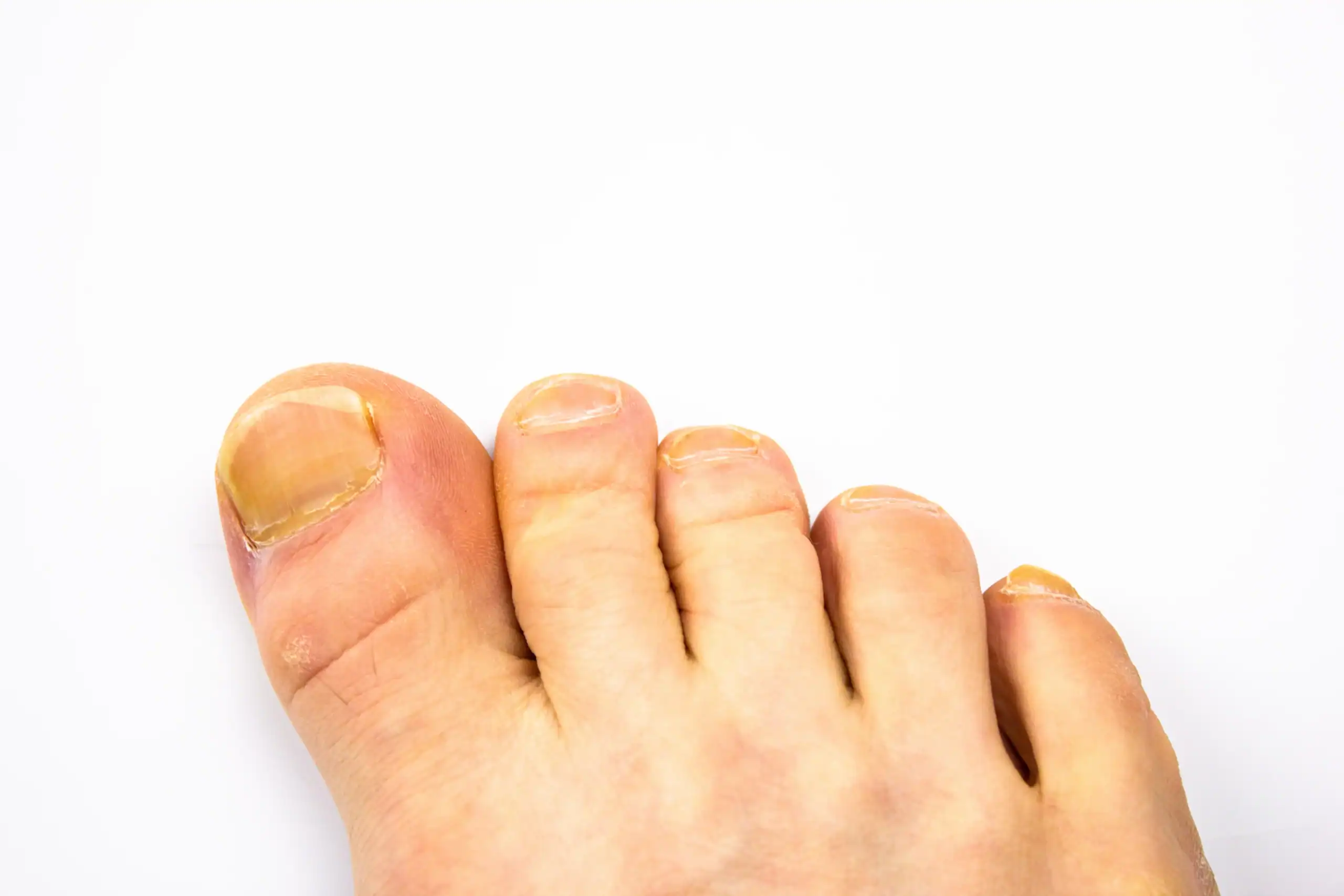
Top 10 Tips to Prevent Toenail Fungus
The organisms that cause toenail fungus infections are nearly impossible to avoid. If you spend time in public areas such as gyms, swimming pools or locker rooms where people are barefoot, you are more likely to pick up toenail fungus.
Here are our top 10 tips to keep your feet fungus-free:
- Always wear shower shoes in the locker room, public showers and at the pool. Fungus thrives in damp, warm places like a wet locker room floor.
- Keep your feet clean and dry. Wearing moisture-wicking socks and changing your socks whenever they get wet prevents toenail fungal infections from taking hold.
- Wear shoes that fit well. Shoes that fit properly give your feet room to breathe and prevent excess moisture.
- Use an anti-fungal spray or powder in your shoes to keep fungus at bay.
- Trim your nails straight across your toes and don’t pick at the skin around your nails. Even small nicks in your skin help toenail fungus take hold.
- Consider replacing your old shoes if you think they might have fungus in them.
- Don’t share towels or shoes with others to prevent accidental fungus sharing.
- Avoid nail trauma to your toenails. A nail injury can give toenail fungus access to the skin under your nails.
- Always clean the tools used on your nails, including nail clippers and pedicure tools. You may want to ask your pedicure salon how they clean their tools, or bring your own.
- Don’t use nail polish or artificial nails to hide your nails. These trap moisture and can make unhealthy nails worse.
If you suspect you have a toenail fungus infection, make an appointment with your Water’s Edge medical dermatologist. He or she will help you get the toenail fungus treatment that works best for you.
Toenail Fungal Infections & What To Look For
Are your toenails yellow, cracked or chipped? Are you experiencing pain, redness or swelling around your toenail area? If you have these symptoms, you could have toenail fungal infections, or also known as onychomycosis.
Toenail fungus infections affect around 12% of all Americans. It is hereditary and runs in families. Nail disorders are common in adults, but rare in children. Age causes nails to thicken and become more susceptible to nail fungal infections.
The two most common types of nail fungus are dermatophytes and yeast. Dermatophytes tend to be more common in toenails, while yeast infections are more common in fingernails. Dermatophytes can be picked up from walking barefoot in public places such as pools and showers. The fungus likes to grow in warm and wet places, like shoes that are too tight or that make your feet sweaty and hot.
If you are experiencing any of the following symptoms, you should contact your Water’s Edge Dermatology practitioner.
- Nail color or shape change
- Dents or ridges in a nail
- Pain or swollen skin around a nail
- White or black lines on a nail
Nails grow slowly, which means healing will occur slowly. Topical medications are often not effective enough, so often oral medication is necessary. Our practitioners provide some of the best toenail fungus treatment options in Florida.