

8 Summer Skin Care Tips for Clear and Protected Skin
Medical Review By: Heather Freeman, PA-C
You may love the relaxing vibes of summer, but it can be a stressful time of year for your skin. Sunburn and sun damage are threats, of course. Hotter temperatures and high humidity are also hard on the skin, making it more prone to acne, dryness, and certain types of rashes. Swimming pools also rob skin of moisture.
To keep your skin healthy, clear, and well protected, follow these tips from Heather Freeman, PA-C, a board-certified physician assistant at Water’s Edge Dermatology.
1. Apply sunscreen thoroughly
Even if you use sunscreen religiously, it’s easy to overlook certain areas when you apply it, such as the part in your hair and the tops of your ears. According to Freeman, many people also neglect their hands, particularly people who bike or play sports like golf or tennis.
“Many skin cancers develop on the backs of the hands,” said Freeman. Failure to use sunscreen there can also make your hands look older than other parts of your body: “The skin on the back of your hands is thin, to begin with, and it gets even thinner after years of sun exposure,” she added.
Favor lotion sunscreens over sprays. “Sprays make it very hard to measure how much product you’re using,” said Freeman. That’s a concern since most people don’t use enough sunscreen in the first place.
2. Use a lip balm with SPF
Your lips are delicate and vulnerable to sunburn and lip cancer, particularly your bottom lip. Freeman recommends carrying lip balm with SPF and re-applying it frequently whenever you’re outdoors.
“It’s easier to find lip balm with SPF 15, but it’s better to buy one with SPF 30 or higher if it’s available,” she noted. If your drugstore doesn’t carry one, look for one online. Plenty of brands make them.
3. Use a vitamin C serum
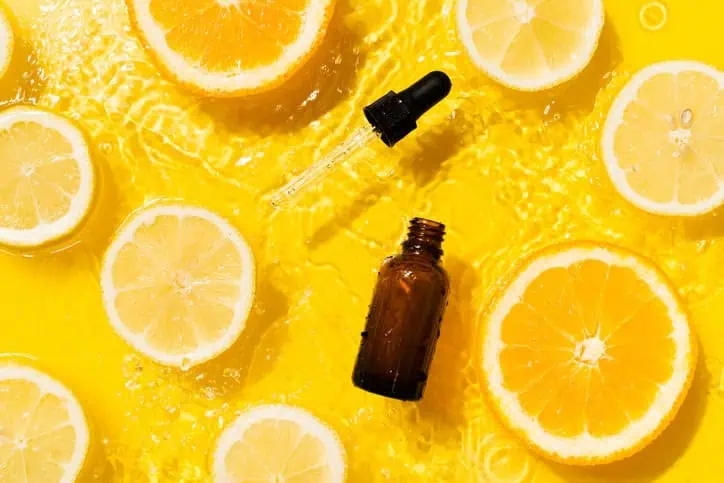
If vitamin C serum is not part of your skincare routine already, summer is a great time to add it, said Freeman. “It provides an extra barrier for your skin because its antioxidant power neutralizes free radicals, which are molecules that cause sun damage,” she explained.
Vitamin C serum also helps fade hyperpigmentation caused by the sun, including sunspots (aka age spots) and melasma. And it boosts collagen production.
Be sure to apply it before you put on sunscreen. Since sunscreen is much thicker, it can prevent the serum from penetrating your skin if you apply it first.
4. Switch to lighter skincare products
Even people who don’t typically get acne may develop blemishes during the summer due to increased sweating and oil production, so adjust your skincare routine accordingly.
“If you usually use a creamy cleanser, for example, switch to a gel or foaming cleanser during the summer to avoid clogging your pores,” said Freeman.
To limit oiliness, consider adding a toner to your regimen. “Toner is great for removing any remaining oils from your skin after you cleanse, and it temporarily shrinks your pores, which helps prevent debris from entering them.”
To avoid over-drying your skin, choose a toner that contains salicylic acid, and steer clear of alcohol-based toners.
5. Don’t skip moisturizer
Moisturizer might seem unnecessary in hot, sticky weather, but your skin still needs moisture now.
“Sun exposure dries out your skin, so if you’re spending more time outdoors, dryness can become an issue,” Freeman explained. “And if you’re swimming in pools more frequently, your skin can also become parched from the chlorine.”
That said, you may want to use a lighter moisturizer, such as a water-based lotion or a hyaluronic acid serum. Use a moisturizer even if you have oily skin. Sebum, the oil in oily skin, doesn’t hydrate skin, it just makes it greasy.
If your moisturizer contains SPF, you still need to use a separate sunscreen if you’ll be outside for more than a short period since moisturizer has less staying power when you’re sweating, Freeman noted.
6. Protect yourself from rashes
Heat and humidity increase the risk of heat rash, also called prickly heat, caused by blocked sweat glands. Symptoms include itching, reddened skin, red bumps, and tiny blisters. Rashes caused by fungal infections are also more common in summer.
RELATED: 6 Common Water Rashes and How to Treat Them
“You’re more likely to get a fungal rash now because fungi love hot, moist areas of your body, particularly the skin folds such as your armpits, stomach, and under your breasts,” said Freeman.
To reduce your risk of heat rash and fungal infections, Freeman recommends wearing breathable, cotton clothes and applying a powder such as Zeasorb to skin folds to absorb sweat. Drying these areas with a hairdryer set on cool is also helpful if you’ve just gotten out of the shower or start to feel sweaty at home.
7. Guard against rosacea flares
Summer weather is hard on people with rosacea since sunlight and heat are common triggers of flare-ups. Unfortunately, chemical sunscreens can also cause a flare.
“If you have rosacea, it’s better to use a mineral sunscreen that contains zinc oxide or titanium dioxide because these ingredients are less likely to aggravate your skin,” said Freeman.
If you want to try a new brand of sunscreen, do a patch test first. Apply a small amount near (not on) a rosacea-prone area of your skin. If it burns or stings within 72 hours, don’t use it.
8. See your dermatologist if you get a serious sunburn
You can easily manage a mild sunburn on your own with cold compresses, aloe vera gel, moisturizer, ibuprofen, and drinking plenty of fluids. But serious sunburns should be evaluated by your doctor, according to Freeman. If your skin is crusting, scabbing, or draining pus, or if you have a fever or chills, you may need to take an antibiotic.
Article Written By: Jessica Brown, a health and science writer/editor based in Brooklyn, New York. She has written for Prevention magazine, jnj.com, BCRF.org, and many other outlets.
Vitamin C Serum Benefits: Yes, They’re Real
Medical review by Gioconda “Gio” Boaz, PA-C
Vitamin C serum has become one of the most popular skincare products for the face, and for good reason. Who wouldn’t want a serum that can improve the appearance of fine lines and wrinkles, fade dark spots, prevent and treat sun damage and give skin a healthy glow? The claims may seem too good to be true, but the benefits are real according to one skin care provider.
“Vitamin C has been known to improve skin for years, but it didn’t get the same amount of attention that other skin care ingredients did until recently,” said Gioconda “Gio” Boaz, PA-C, a board-certified physician assistant at Water’s Edge Dermatology.
“I think vitamin C serum is popular now because more information is surfacing on how it boosts the skin’s natural protection against sun damage, fights inflammation and produces a great cosmetic advantage.”
How vitamin C serum works
Vitamin C improves skin’s appearance in several ways. As an antioxidant, it protects against damage caused by unstable molecules called free radicals. Sun exposure increases free radical production. While your diet provides some vitamin C, using a vitamin C serum increases the concentration of the vitamin in your skin. And unlike sunscreen, it can’t be rubbed off. In fact, once vitamin C is absorbed, the protection it offers seems to last for days.
The vitamin also helps the body synthesize collagen and increases skin cell turnover. This means that dead and damaged skin cells are replaced by new ones more quickly, making skin look brighter.
Vitamin C serum can help address:
- Hyperpigmentation. Increasing cell turnover can lighten sun spots (also called age spots), dark spots caused by acne, and dark patches caused by melasma. “One of the great things about vitamin C is that it’s safe for pregnant women, who are vulnerable to developing melasma,” Boaz said.
- Fine lines and wrinkles. Faster cell turnover combined with increased collagen can make wrinkles less noticeable.
- Sun damage. By neutralizing free radicals, vitamin C reduces and helps prevent sun damage. It also works to prevent the sun’s rays from suppressing the immune system. This immune suppression is thought to play a role in the development of melanoma and non-melanoma skin cancers.
Choosing the best vitamin C serum
Vitamin C serums range in price and the amount of vitamin C they contain. You don’t have to choose one of the pricier options if it’s not in your budget.
“Any vitamin C serum, as long as it’s a “stabilized” vitamin C, is going to be beneficial, and expensive doesn’t always mean better,” Boaz explained.
The amount of vitamin C in serums typically ranges from 5% to 20%. While vitamin C is generally well tolerated, it is acidic and can therefore irritate sensitive skin. Boaz recommends starting off with a lower concentration. Move to a higher concentration if you’re not seeing results and if your skin can tolerate it.
Packaging is also key. Vitamin C degrades quickly, particularly when it’s exposed to light. So, an opaque container is a must.
Application and storage tips
If you have sensitive skin, start by using vitamin C once a day. Apply it in the morning to take advantage of the added protection against sun damage. (Sunscreen is always a must.) For people with sun-damaged skin, Boaz recommends gradually switching to a twice-a-day routine.
Apply vitamin C serum after washing your face and before applying moisturizer and sunscreen. Don’t apply too much serum or you’re wasting your money — three to five drops are plenty.
“It’s normal to feel a brief tingling sensation when you use it. This usually dissipates after a couple of weeks,” said Boaz. “Anything beyond that may mean the serum is too strong for you. It’s also possible that you’re allergic to one of the ingredients.”
To prevent vitamin C serum from degrading, keep it stored in a dark place and replace the cap tightly after use. You can tell when it has degraded by its color. Most serums are pale yellow and turn orange or brown when they spoil. If yours has degraded, it’s time to throw it out.
For best results, apply vitamin C serum every day, Boaz advised. “The protective antioxidants immediately shield your skin. It can take about two months of regular use to start seeing cosmetic results, but it’s definitely worth the wait.”
Written by Jessica Brown is a health and science writer/editor based in Brooklyn, New York. Her work has appeared in Prevention, Johnson & Johnson, the Breast Cancer Research Foundation and many more.