
Transformation Tuesdays
Schedule Today!
"*" indicates required fields
Say goodbye to fine lines and hello to a refreshed, confident you!
BOTOX – $12 Per Unit
EVERY TUESDAY in STUART (2601 S Kanner Hwy Stuart, FL 34994)
Spaces are limited, Appointments are filling fast!

Stuart Aesthetic Event
RSVP Today!
"*" indicates required fields
Stuart March Aesthetic Event – Water’s Edge Dermatology
Join us for an exclusive in‑office aesthetic event featuring the latest in natural‑looking cosmetic treatments, including Sculptra®, Sofwave™, and RHA® fillers.
Enjoy complimentary mini‑consultations, exclusive event‑only pricing, and 15% off your favorite skincare products (excluding prescription items), plus a special gift with purchase.
The first 15 guests to RSVP will receive 10 units of Dysport® free with attendance.
📅 March 30
⏰ 4:00 PM – 6:00 PM
📍 Water’s Edge Dermatology – Stuart
Cannot be combined with other offers or promotions. Limited time offer. Must attend event to receive Dysport voucher.

Matrix - Promotion
Schedule Now!
"*" indicates required fields
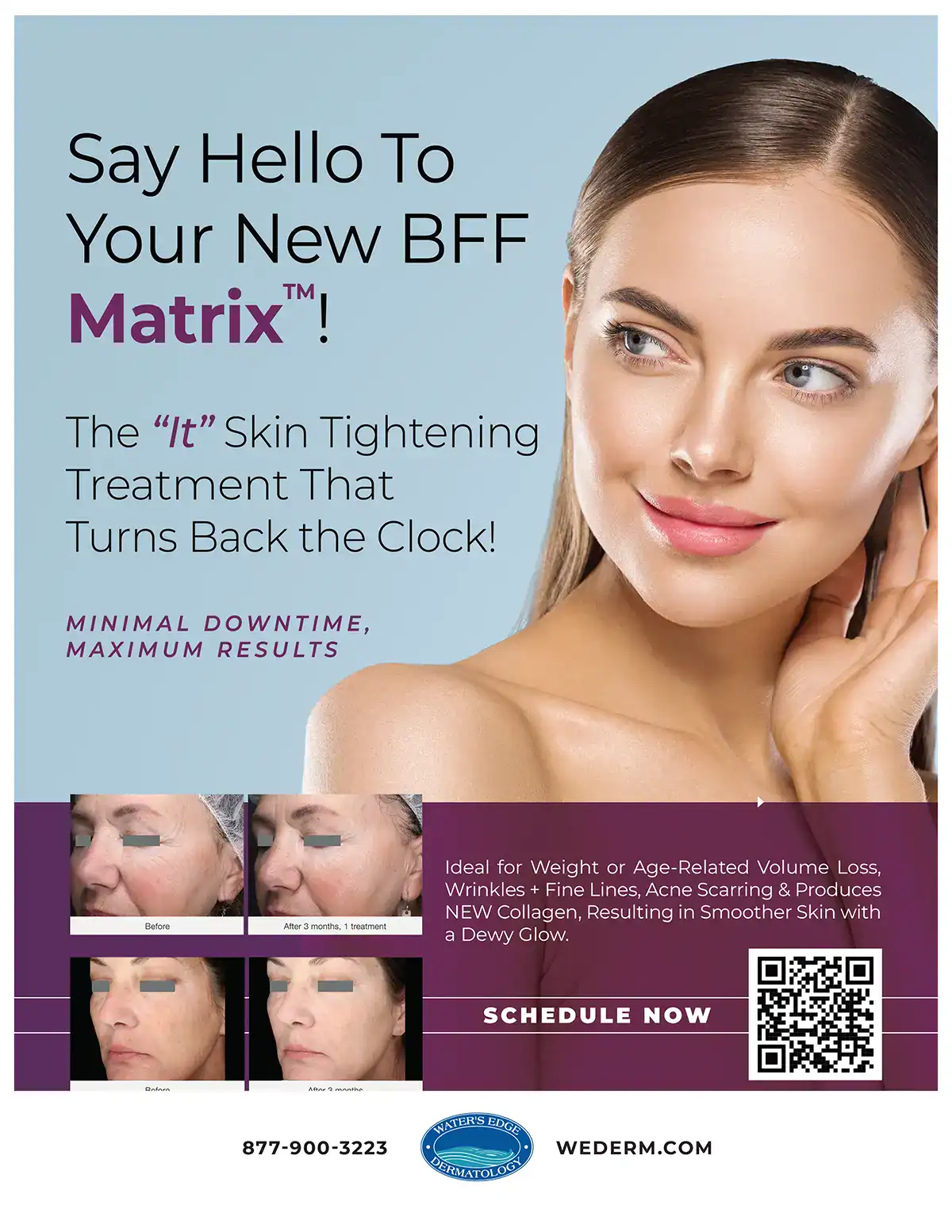
Say Hello To Your New BFF Matrix!
The “It” Skin Tightening Treatment That Turns Back the Clock!
Minimal Downtime, Maximum Results
Ideal for Weight or Age-Related Volume Loss, Wrinkles + Fine Lines, Acne Scaring * Produces NEW Collagen, Resulting in Smoother Skin with a Dewy Glow.
Available at:
- Palm Bay
- Port St Lucie West
- Stuart
- Viera

What Is Fungal Acne (Malassezia Folliculitis)?
Medical review by Danica Alexander, DO
Have itchy acne? If pimple-fighting products do nothing to tame it — or even make it worse — it may be because you don’t have true acne at all but something entirely different. One possibility is fungal acne, also called Malassezia folliculitis or Pityrosporum folliculitis. It can look so much like acne that it’s often misdiagnosed. If you’ve been battling small red bumps on your skin for months or even years with no success, read on to learn if fungal acne could be the real cause and if so, how to treat it.
What Is Fungal Acne?
Technically, fungal acne isn’t acne. Acne vulgaris is caused by clogged pores and bacteria. Fungal acne is caused by an overgrowth of a yeast (a type of fungus) that lives on the skin. When this yeast, called Malassezia, invades the hair follicles, clusters of small red bumps can develop. Something these “fungal pimples” fill with yellow or white pus. Itching is a common fungal acne symptom, occurring in about 80% of cases.
Fungal acne on the face may appear on the forehead, cheeks or elsewhere. Fungal acne on the forehead looks like forehead bumps that may line up in rows. The infection can also be seen on the chest, back and arms.
Bacterial Acne vs. Fungal Acne
Fungal acne and acne vulgaris can look alike, so it’s not uncommon to think you have true acne when fungus is to blame. (To complicate matters, some people have both.) But there are a few telltale differences. A Malassezia infection is much more likely to itch. The bumps are smaller and more uniform in size, and they tend to appear in clusters.
If you have another skin condition caused by an overgrowth of yeast, such as seborrheic dermatitis (dandruff), you’re more likely to have fungal acne.
Who Gets It?
Anyone can develop this type of acne, but it’s more common in teenagers and young men. Other risk factors include:
- Having oily skin
- Sweating a lot or living in a hot, humid environment
- Wearing tight clothing or clothing that doesn’t breathe
- Re-wearing sweaty clothes or staying in sweaty clothing for too long
- Wearing heavy makeup
- Taking certain medications, such as oral contraceptives, antibiotics, oral steroids and immunosuppressive drugs
- Having a disease such as diabetes, leukemia or lymphoma that increases the risk of yeast overgrowth
How To Get Rid of Fungal Acne
A dermatologist can determine whether you have acne and which type. Getting an accurate diagnosis is critical before starting fungal acne treatment.
Your dermatologist may recommend an over-the-counter topical antifungal medication or prescribe a stronger version. If it doesn’t do the trick, you may need a prescription oral antifungal. These folliculitis medications sometimes work better than topical products, and they work fast, but they can cause side effects such as stomach pain and diarrhea.
If antifungal medication can’t cure your Malassezia folliculitis, your dermatologist might recommend photodynamic therapy. It uses light energy in combination with a drug activated by light to kill the fungus.
Paying close attention to your hygiene is an essential part of treating and preventing a Malassezia overgrowth. Shower regularly, especially after you’ve been sweating, and wear loose, breathable clothing. Don’t use oily creams. If you’ve had more than one bout of fungal acne, try washing the affected area(s) with anti-dandruff shampoo.
Written by Jessica Brown, a health and science writer/editor based in Nanuet, New York. She has written for Prevention magazine, jnj.com, BCRF.org, and many other outlets.
‘What Is Shingles?’ and Other Shingles Questions Answered
Medical review by Danica Alexander, DO
Shingles can be scary and also puzzling. What exactly is this famously painful rash, who gets it, and why does it suddenly appear? Is shingles contagious? Who should be vaccinated? If you’re confused, you’re hardly the only one. Read on for answers to some of the most commonly asked questions about this viral infection. Some of them may surprise you.
What is shingles?
Shingles, aka herpes zoster, is a viral infection caused by the varicella zoster virus, the same virus that causes chickenpox. When you get shingles, the same viral particles that gave you chickenpox as a child become active again, this time causing different symptoms.
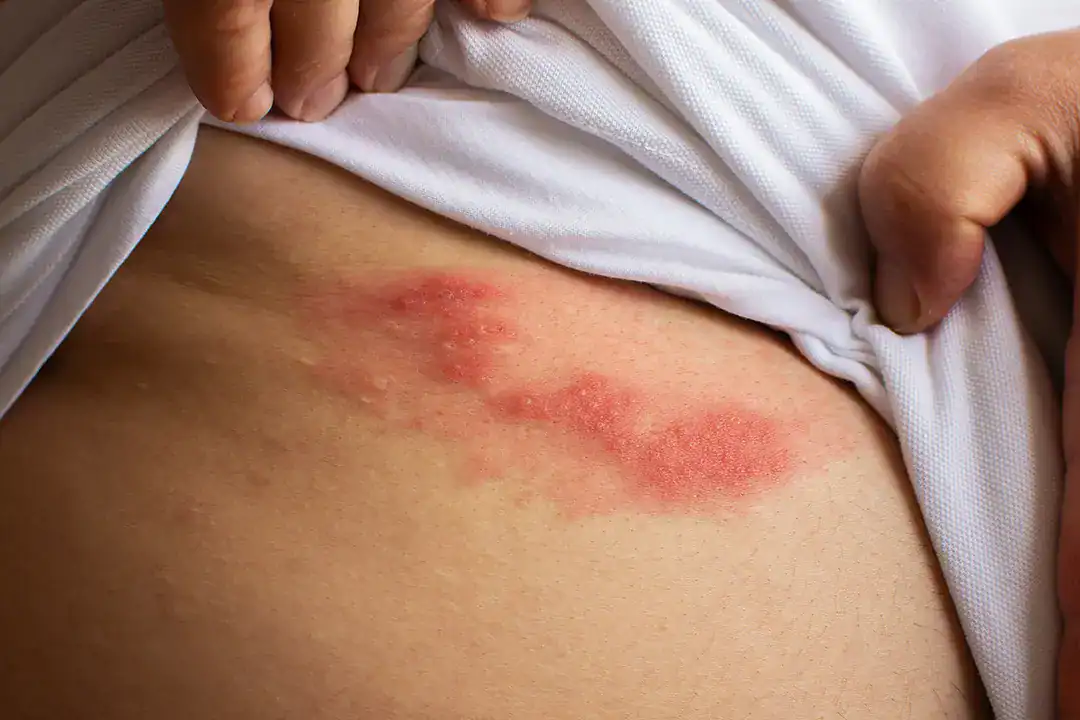
The main symptom of shingles is a painful, blistering rash that typically appears in a stripe on one side of your body, often on the face or torso.
How does shingles start?
For about a day or two before you see the rash, you may notice pain, burning or stinging in the area where it will appear. It’s sometimes described as an “electrical” sensation. Other early signs include:
- Sensitivity to light
- Headache
- Fever
- Chills
- Tiredness
- Upset stomach
Does shingles itch?
Some people experience mild to severe itching before the rash develops. Rarely, itching can persist for several months or even years after the rash goes away. The condition is known as postherpetic pruritus.
What does shingles look like?
At first, you’ll see reddish patches of skin with clusters of small, solid bumps. Tiny blisters appear 12 to 24 hours later. They get larger and cloudier and increase in number over the next two days. The blisters may converge into large blisters, which may rupture. After a rupture, the blister fluid forms a yellow-brown crust, and a scab forms underneath it.
Can shingles spread to other parts of the body?
The rash is usually confined to one area, but some people get it over a larger area of the body. Widespread shingles, known as disseminated shingles, usually affects people who have a compromised immune system.
How long does shingles pain last?
Shingles symptoms typically go away once the rash disappears completely, which takes 2 to 4 weeks, but pain may linger for another month or two. A relatively small percentage of people who get the rash—an estimated 10% to 18%—experience burning pain that lasts for months or years. The complication, called postherpetic neuralgia, can be managed but not cured.
Who gets shingles?
Anyone who has had chickenpox can get shingles, including children, but it’s most common in people over 50 due to the natural decline in immunity that occurs with age. Other risk factors include:
- Having an acute or chronic illness
- Having a disease that weakens the immune system, such as HIV/AIDS, leukemia or lymphoma
- Taking a medication that suppresses the immune system
- Undergoing radiation treatment or chemotherapy
Can you get shingles if you’ve never had chickenpox?
You can’t get it if you’ve never had chickenpox. If you come in contact with the fluid from shingles blisters, it’s possible you can get the chickenpox if you’ve never had it.
Can stress cause shingles?
Some studies suggest that experiencing chronic, daily emotional stress could make you more vulnerable, as could experiencing a stressful event such as a job loss or the death of a loved one.
Is shingles contagious?
If you have shingles, you can’t give it to another person. However, you can pass on the virus to someone who’s never had chickenpox or gotten the chickenpox vaccine, and they can develop chickenpox.
When is shingles contagious? Transmission of the varicella zoster virus is most likely to happen when you have open sores. You’re no longer considered contagious once the blisters scab over.
Can you get shingles more than once?
Most people get it only once, but it’s possible to get it again, especially if you have a weakened immune system.
Is shingles dangerous?
Shingles can lead to serious complications, such as postherpetic neuralgia and bacterial skin infections. If the outbreak occurs in a facial nerve near the ear, you could develop Ramsay Hunt syndrome, which can cause facial paralysis and deafness. It’s also possible to develop scarring and vision loss if the rash occurs in or around your eye.
Fortunately, you can lower your risk of complications—and speed healing—if you see your doctor as soon as symptoms start and take an antiviral medication such as acyclovir (Zovirax) or valacyclovir (Valtrex).
Can you die from shingles?
Death from shingles is very uncommon. According to the Centers for Disease Control and Prevention (CDC), fewer than 100 people die from it each year. Almost all are older adults or people with compromised immune systems.
Who can get the shingles vaccine?
The vaccine, Shingrix, is recommended for adults ages 50 and older and for people ages 18 and older who are immunocompromised.
Experts recommend that everyone who is eligible get vaccinated. That includes people who have already had shingles, have gotten the chickenpox vaccine or have gotten the Zostavax shingles vaccine, which is less effective and no longer in use. Be prepared for temporary side effects.
If you’ve never had chickenpox, ask your doctor if you should get the chickenpox vaccine instead.
Does Medicare pay for the shingles shot?
You can get Shingrix at your doctor’s office or local pharmacy. If you have Medicare Part D coverage, the shot will cost you nothing. Medicaid may or may not cover it, so check with your insurer.
Most private insurers also cover the vaccine but check before you make an appointment because there may be some out-of-pocket cost. If you can’t afford to get Shingrix, contact the vaccine manufacturer, GSK, to see if you qualify for financial support.
How often do you need to get the shingles vaccine?
You need to be vaccinated with Shingrix only once in your life. You’ll get the vaccine in two doses, with the second shot given 2 to 6 months after the first. If you’re immunosuppressed, it may be beneficial to get the second dose sooner. Your doctor should advise you on the timing.
Can you still get shingles after the vaccine?
While Shingrix is highly effective, there is a small chance you could still get the infection. If you do, it will be milder and shorter, and you’ll be less likely to experience complications.
Written by Jessica Brown, a health and science writer/editor based in Nanuet, New York. She has written for Prevention magazine, jnj.com, BCRF.org, and many other outlets.
Flat Warts: What They Look Like and How to Treat Them
Medically reviewed by Julie Forero, DO
Could you have warts and not even know it? You might if they’re flat warts, known medically as verruca plana. These warts are flatter, smoother and smaller than their uglier, bulbous cousins. If you’ve noticed small, slightly raised growths on your face, hands or other body parts and dismissed them as age spots or stubborn acne, the real culprit may be flat warts.
Flat warts aren’t harmful or painful, but you may want to get rid of them for aesthetic reasons. If you suspect you have flat warts on your face, hands, legs or elsewhere, read on to learn why they develop, how to tell them apart from other common skin conditions and options for flat wart treatment.
What do flat warts look like?
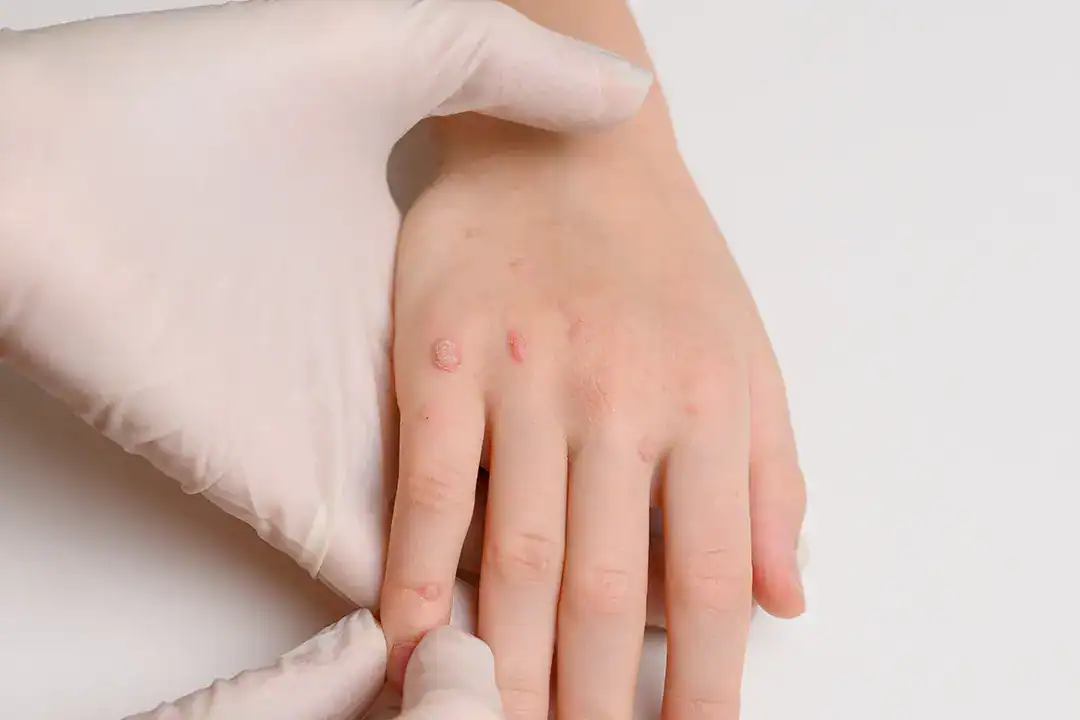
Flat warts are small, usually 1-5 millimeters wide. They are slightly raised and tend to be round or oval. They’re often the same color as your skin, though they may be pink or yellow brown.
Flat warts commonly appear on the face, legs and back of the hands. Even though they’re small, they tend to show up in clusters of 20 to 100, so they can be hard to miss.
What causes flat warts?
Like all warts, flat warts are caused by human papillomavirus (HPV), a common and contagious virus. They can be caused by one of four strains — different from the strain that causes flat genital warts.
You can contract the strains of HPV that cause flat warts through cuts or breaks in the skin, especially nicks from shaving. That may explain why flat warts are common in young people who are just learning to shave, and why women tend to see flat warts on their legs while men get flat warts on their face, including the beard area.
Other risk factors for flat warts include:
- Close contact with someone who has HPV
- Touching something handled by a person with HPV
- Poor hygiene
- Having a weakened immune system
Other skin conditions that look similar to flat warts
It’s easy to confuse flat warts with other skin conditions. Brown flat warts, for example, can sometimes resemble age spots or small moles, while pink ones could look like acne. Flat warts can also be mistaken for skin tags, milia and seborrheic keratoses.
Flat wart vs. skin tag
Some skin tags are connected to the skin by a stalk, but others are fixed on the skin and can look like flat warts when they’re small. Location is one way to help distinguish the two: Skin tags usually appear on areas where the skin folds, such as the eyelids, underarms and beneath the breasts.
Milia vs. flat warts
Small bumps on your face? They could be small cysts called milia. Flat warts and milia share several traits—they’re both small, can be yellowish and appear in clusters. But flat warts have a flat top, whereas milia are firm, domed-shaped bumps. Flat warts can occur on the face, hands or legs, but milia occur mainly on the face. And while milia can be yellowish, they are often pearl-colored.
Flat wart vs. seborrheic keratoses
Like flat warts, benign skin growths called seborrheic keratoses are round or oval and at least slightly raised. But they’re typically rough, with a lumpy surface. They may look scaly, waxy and “pasted on.” They can be light tan, brown or black.
Flat wart treatment
Flat warts usually go away on their own, but it can take months or years. If you don’t want to wait, you can try to treat them at home with an over-the-counter wart remover that contains salicylic acid. (Ignore any wart home remedies you see online—some could burn and even scar your skin.) If you don’t see results, visit your dermatologist.
The usual wart treatments, such as freezing them with cryosurgery or burning them with an electric needle and then scraping them off, typically aren’t ideal for treating multiple flat warts. Chemical peels are often a better bet. Your dermatologist may prescribe prescription-strength salicylic acid, glycolic acid, tretinoin or some combination of these topicals for you to apply to the flat warts at home every day.
Laser treatment is another option, as is photodynamic therapy. In photodynamic therapy, the doctor applies a topical medicine that damages the DNA of fast-growing cells and activates the medicine with light, usually from a laser.
Is there any way to prevent flat warts?
Protecting your skin from HPV viruses involves the same strategies as protecting it from other microbes.
- Keep your skin clean and dry.
- Avoid skin-to-skin contact with anyone who has flat warts.
- Don’t share personal items such as towels or clothing with anyone who has flat warts.
- Wear flip-flops at the pool and in locker rooms and public showers.
- Don’t bite or chew your fingernails or cuticles.
- Clean cuts and scratches with soap and water.
Written by Jessica Brown, a health and science writer/editor based in Nanuet, New York. She has written for Prevention magazine, jnj.com, BCRF.org, and many other outlets.
What Does Ringworm Look Like? And Other Ringworm Answers
A red, itchy rash isn’t just uncomfortable — in some cases, it’s mystifying. For instance, ringworm is one possible cause, but what does ringworm look like? Does it always cause a red circle rash? How can you tell this fungal skin infection apart from common skin rashes, including rashes that look like ringworm but aren’t?
Read on to learn about ringworm symptoms and how the rash is treated.
What are the symptoms of ringworm?
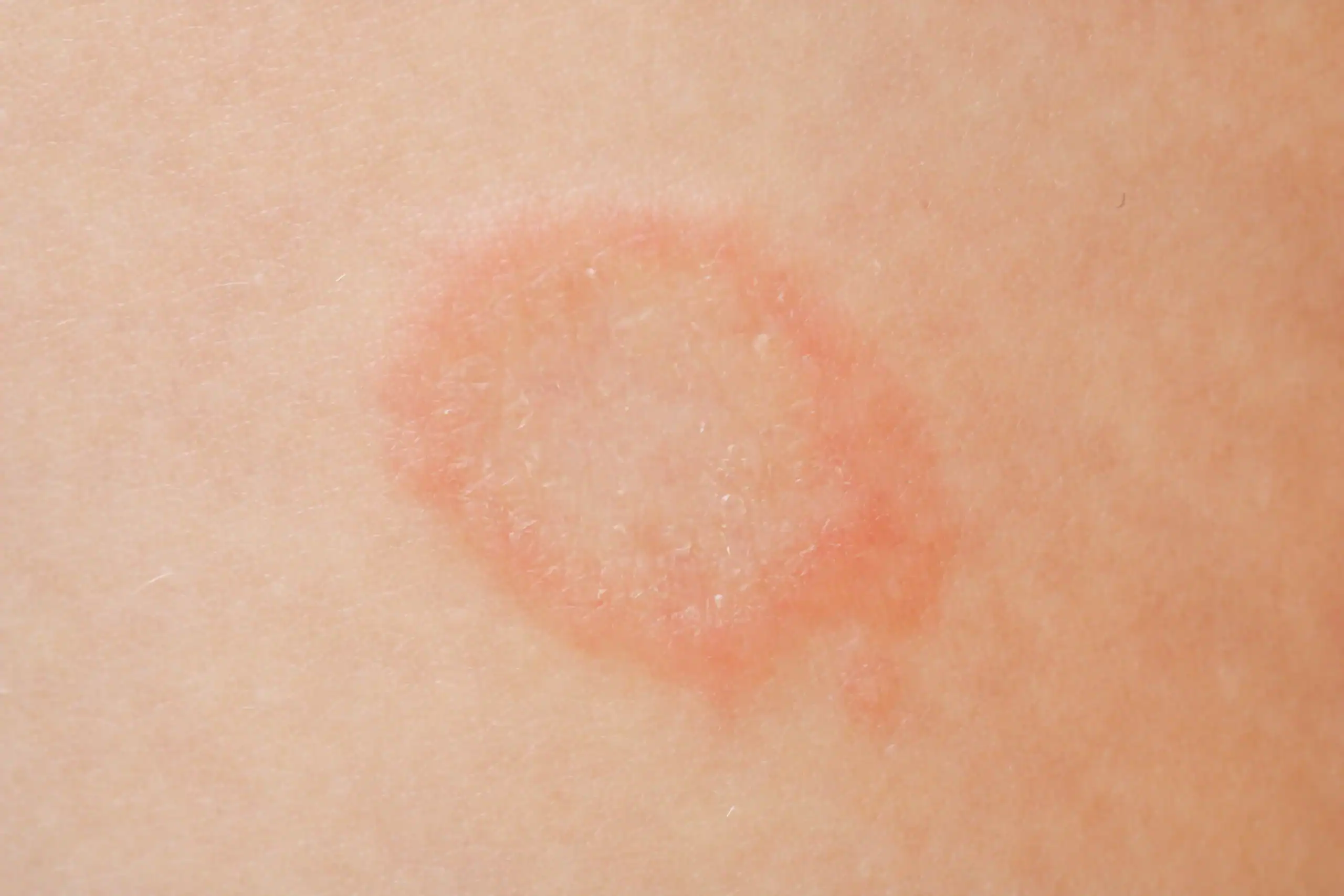
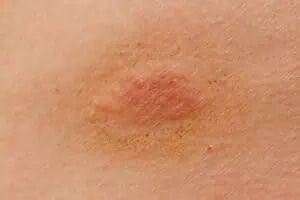
The symptoms evolve during different stages of ringworm. In early-stage ringworm, you’ll see a round, flat, irritated patch of skin. It may be reddish in people with light skin and brown-gray in people with darker skin. Sometimes the patch may simply be very dry or scaly. It typically shows up four to 14 days after you come in contact with the ringworm fungus and can appear on almost any area of the skin.
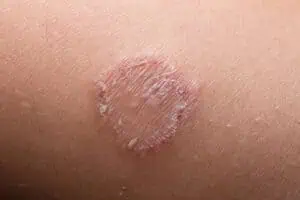
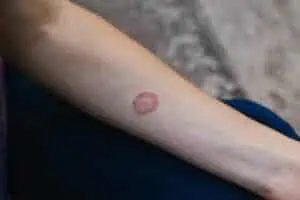
The patch enlarges during the second stage of the infection. This is when you’ll see the telltale red circle rash. The skin at the center of the patch may look relatively normal, but the skin surrounding it is raised, discolored and scaly.
You may notice other symptoms depending on what body part is affected.
- Ringworm on the scalp (tinea capitis): Itchy dry and scaly patches, inflamed red patches, bald spots.
- Ringworm on the face and neck (tinea barbae): May be crusted over or contain pus.
- Ringworm on the rectum, groin or inner thighs (tinea cruris or “jock itch”): Itching and, in some cases, blisters.
- Ringworm on the hands (tinea manuum): Dry, cracked palms.
- Ringworm on fingernails and toenails (onychomycosis and tinea unguium): Thick, discolored and deformed nails.
- Ringworm on feet (tinea pedis or athlete’s foot): Starts between the toes and causes stinging, burning, blistering and peeling skin.
Rashes that look like ringworm but aren’t
If you’re not sure if your rash is ringworm, it’s important to see your dermatologist to rule out other skin conditions that cause similar symptoms. These include:
- Lyme disease
- Psoriasis
- Nummular eczema
- Granuloma annulare, an inflammatory condition with no known cause
- Pityriasis rosea, which is thought to be caused by a viral infection
How do you get ringworm?
The ringworm fungus commonly lives on the surface of the skin. If exposed to warm, humid, dark conditions, it can multiply and turn into an infection.
A ringworm infection spreads easily from person to person via skin-to-skin contact and by sharing clothing, bedding or towels with someone who’s infected. Touching ringworm fungus lurking in showers or locker rooms can infect you.
You can get ringworm from a dog or cat if it has ringworm. Rarely, ringworm can be spread through prolonged contact with soil that contains the fungus.
Factors that make you more vulnerable to ringworm include playing high-contact sports, sweating excessively and working with animals who may have the infection. You’re also more likely to get ringworm if you have nail or skin injuries, diabetes, obesity or a compromised immune system.
Does ringworm go away on its own?
It’s unlikely the rash will vanish without treatment, so don’t ignore it. A mild case of ringworm might go away on its own if you scrupulously follow self-care measures, such as keeping the area clean and dry, but you might spread it to other body parts while you wait for it to heal.
How to treat ringworm
Ringworm can typically be treated by applying an over-the-counter topical antifungal product such as terbinafine (Lamisil) or clotrimazole (Lotrimin) for two to four weeks. See your dermatologist if you don’t see improvement or the rash has gotten worse. More serious ringworm infections may need a prescription antifungal and can take up to two months to heal.
If treatment doesn’t work, it could mean that the fungus is resistant to the antifungal medicine you used, whether it was over-the-counter or prescription. If that’s the case, you may need a stronger or newer antifungal cream.
The toughest ringworm cases may require an oral antifungal medicine. The doctor will perform a biopsy first to confirm that you have a fungal infection.
Ringworm on the scalp won’t go away on its own and requires treatment with oral medication.
During treatment, take steps to prevent the ringworm rash from spreading. Even after the rash is gone, reduce your chance of getting infected again with these tips:
- Keep your skin clean and dry.
- Don’t walk barefoot in public showers and locker rooms.
- Change your underwear and socks at least once a day.
- Don’t share clothing, linens or personal items.
- Clip your nails short and keep them clean.
- If you play a high-contact sport, shower immediately afterward and wash/clean your clothing and sports gear.
- Use disinfectant sprays or bleach to clean surfaces that might harbor the ringworm fungus, such as the shower, doorknobs and bathroom countertops.
- Take your pet to the vet if it has signs of ringworm.
Ringworm stages of healing
Ringworm can take at least two weeks to heal. The rash will gradually fade and the skin will become smooth. If you stop using the antifungal treatment before the rash is gone, the infection might return and be harder to treat, so be sure to follow the treatment instructions.
If the rash is warm to the touch, contains pus or leaks fluid, it’s likely infected. See your doctor right away.
Once the rash is gone, you may have post-inflammatory skin discoloration that remains for months. The skin could be lighter, darker or redder than the surrounding skin. Through the natural process of exfoliation, it will eventually return to its normal color.
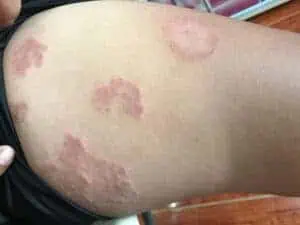
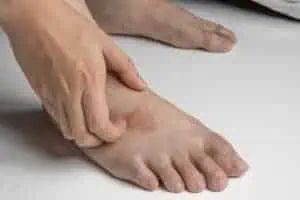
Ringworm pictures
See the photos below for examples of what ringworm looks like. Keep in mind that ringworm looks different at different stages, on different parts of the body and in different people.
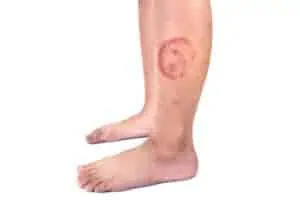
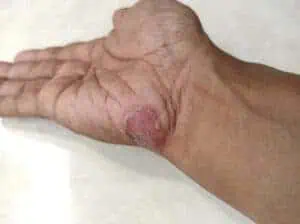
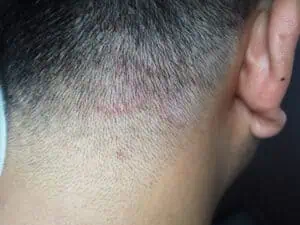
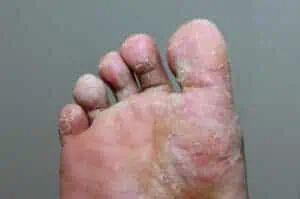
Medically reviewed by Daniel Gutierrez, PA-C
Written by Jessica Brown, a health and science writer/editor based in Nanuet, New York. She has written for Prevention magazine, jnj.com, BCRF.org, and many other outlets.

Botox for Sweating: Your Questions Answered
Medically reviewed by Jennifer Wong, DO
Everyone sweats, but sweating beyond normal amounts, known as hyperhidrosis, can be stressful and embarrassing. If it seems like no amount of antiperspirant can keep your armpits dry, or you have a sweaty face or head even when it’s not that hot out and you’re not exercising, you’re probably wondering how to stop excessive sweating. Botox is a hyperhidrosis treatment to consider.
Yes, the popular wrinkle treatment can reduce excessive armpit sweating and even sweating from other parts of the body. If you’re curious about Botox for sweating, read on for answers to common questions doctors hear from patients who are interested in the procedure.
How does Botox for hyperhidrosis work?
Botox (botulinum toxin) injections reduce sweating by paralyzing the nerves that activate your sweat glands.
When your body temperature rises, the nervous system tells the glands to release sweat, which cools you down. It’s a healthy and necessary process, but in people with hyperhidrosis, these nerves are overactive, causing sweating that soaks parts of the body.
Why do my armpits sweat so much?
The cause of excessive sweating depends on the type of hyperhidrosis you have. Primary hyperhidrosis, which starts in childhood and gets worse in the teen years, is genetic. Secondary hyperhidrosis can be caused by certain diseases (including diabetes, neurologic syndromes, gout and alcoholism), certain medications (including some antidepressants, corticosteroids and opioid pain relievers) and menopause.
What other sweaty parts of the body can be treated with Botox?
While the underarms are a popular target — and the only area for which Botox is FDA-approved to treat hyperhidrosis — you can get Botox for sweaty hands, Botox for face sweating and Botox for excessive sweating of the feet, the head and the underside of the breasts.
How effective is Botox for sweating?
For excessive armpit sweating, Botox is highly effective. One study showed a nearly 90% decrease in sweat two weeks after treatment in people with primary hyperhidrosis, and a decrease of about 65% at 24 weeks.
Studies evaluating how well Botox works on other body parts are limited, but one investigation found a 90% decrease in sweating of the palms (primary palmar hyperhidrosis). In a study in teens with excessively sweaty feet (juvenile plantar hyperhidrosis), 73% of participants said they were pleased with the results.
What to expect when getting Botox for sweating
Botox treatment is quick. Injecting the underarms, for example, can be performed in as little as 10 minutes. It doesn’t take long to see results, either. Most people notice a difference in excessive sweating four to five days after treatment, and the full effects are seen in about two weeks.
Though many Botox injections are required in a session—about 25 injections in each armpit, for example—the needles used are tiny. Some people don’t feel them. Others experience a mild rubber-band-snap sensation. You may feel more discomfort if you have Botox injections in your palms or the soles of your feet.
Are there safety concerns?
Botox for excessive sweating is considered generally safe when the injections are given by a licensed healthcare professional. Side effects may include pain or bruising at the injection site, skin irritation, bleeding, headache and flu symptoms. Botox injections in the face can potentially cause eye dryness and temporary eyelid drooping or facial paralysis.
Very rarely, Botox can cause trouble breathing or seeing, loss of bladder control or muscle weakness throughout the body. Seek immediate medical help if you experience any serious side effects.
How long does Botox for hyperhidrosis last?
The effects typically last at least four to six months and sometimes up to a year, gradually decreasing over time. When excessive sweating returns, you can go back to your dermatologist for another round of treatment.
Written by Jessica Brown, a health and science writer/editor based in Nanuet, New York. She has written for Prevention magazine, jnj.com, BCRF.org, and many other outlets.
Leprosy Symptoms to Watch For
Medically reviewed by Ted Schiff, MD
You probably never thought you’d have to be on the lookout for leprosy symptoms in the 21st century. But this ancient disease never went away completely, and over the past decade, cases have doubled in the southeastern states. Leprosy in Florida — especially Central Florida — is making headlines. Given the media coverage, you may be wondering, “What does leprosy look like?” and “What causes leprosy?”
Leprosy is still very rare in the U.S., including in Florida, and 95% of people are immune to it, so there’s no cause for alarm. Still, understanding what causes leprosy and how it spreads can help put your mind at ease.
What is leprosy?
Leprosy, or Hansen’s disease, is a chronic infectious disease caused by a type of bacteria called Mycobacterium leprae. It can attack the skin, nerves, eyes and lining of the nose. The bacteria grow very slowly, and leprosy symptoms may not develop for up to 20 years after a person is exposed. The delay in the onset of symptoms can make the disease hard to diagnose.
Long before the days of antibiotics, leprosy used to inspire panic and fear. People who had it became disfigured and were shunned by society. Today, the condition is treatable.
What does leprosy look like?
Leprosy symptoms vary from person to person and look very different in the early stages vs. the late stages. Symptoms don’t appear for at least a year following infection, and most people don’t see the signs until five to seven years have passed.
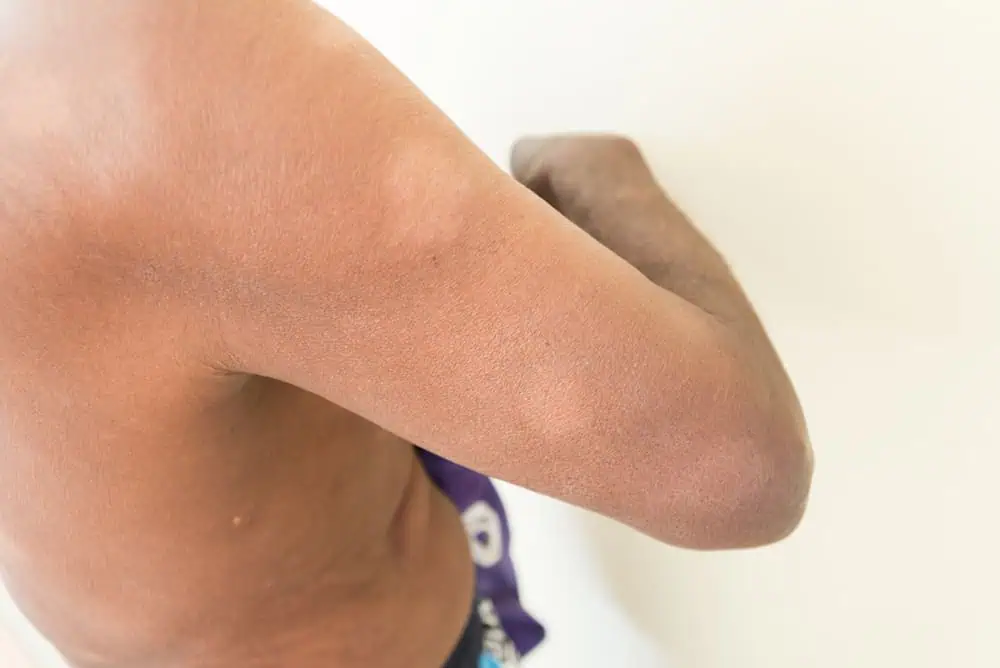
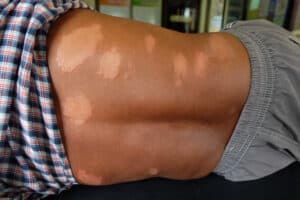
The most common early leprosy symptoms are patches of skin that are either lighter than the surrounding skin or reddish. They may be numb.
Other leprosy symptoms
Nerve damage can cause weakness or paralysis of the muscles, especially in the hands and feet. If leprosy affects the lining of the nose, it can cause a stuffy nose and nosebleeds.
Additional leprosy symptoms include:
- Thick, stiff or dry skin
- Painless ulcers on the soles of the feet
- Painless swelling or lumps on the face or earlobes
- Loss of eyebrows or eyelashes
- >Enlarged nerves that bulge under the skin, often on the sides of the neck and around the elbows and knees
- Eye problems
If leprosy isn’t treated, it can eventually lead to blindness or disfigurement of the hands, feet or face.
Is leprosy contagious?
Leprosy is contagious, but it’s much harder to catch than previously thought. You’d have to spend extended periods of time — think months, not days — in close contact with someone who has untreated leprosy to be infected. Shaking hands or talking with someone who has it won’t make you sick. And remember: If you’re among the 95% of people who are immune to the bacteria that causes leprosy, you can’t catch it.
How do you get leprosy?
People who aren’t immune to leprosy can catch it through prolonged close contact with someone who has it and isn’t being treated. They can also contract it by handling a species of armadillo found in the Southern U.S. and Mexico, some of which carry Mycobacterium leprae.
How do armadillos spread leprosy to humans? The bacteria can be passed from animal to human through touching the armadillo. Working with soil in places where infected armadillos are found can also transmit the bacteria.
Is there a cure for leprosy?
If it’s caught early, leprosy can be cured with a combination of two or three antibiotics. It typically takes six months to two years of treatment to kill the bacteria. If you have any symptoms of leprosy, chances are it’s something else entirely—but see a doctor promptly to be sure.
Leprosy pictures
These photos show what leprosy can look like in the early stages.
Credit: Shutterstock
Credit: Shutterstock
Written by Jessica Brown, a health and science writer/editor based in Nanuet, New York. She has written for Prevention magazine, jnj.com, BCRF.org, and many other outlets.
How to Exfoliate Your Skin and When
Medically reviewed by Keria Tia Bean, APRN
Exfoliation can turn dry, dull skin into softer, smoother skin. But how to exfoliate your skin? And how often to exfoliate? There’s no one-size-fits-all answer. The best way to exfoliate your face or body and the best exfoliating products to use depend on your skin type and the condition of your skin.
Benefits of skin exfoliation
Normally, dead skin cells are shed every 30 days as part of the skin’s natural turnover cycle, but sometimes dead cells refuse to budge, making the skin dry, rough and dull. They can also clog your pores, contributing to acne or hard, tiny cysts called milia.
Exfoliation removes dead skin cells from the surface of your skin, which can make it feel smoother and look brighter and clearer. It also helps skincare products like moisturizer penetrate the skin more easily, making them more effective.
How to exfoliate: Chemical vs. manual exfoliation
There are two ways to exfoliate your skin at home: chemical exfoliation and mechanical (physical) exfoliation.
Chemical exfoliation products contain enzymes and/or acids, such as alpha-hydroxy acids (AHAs) and beta-hydroxy acids (BHAs), that loosen or dissolve dead skin cells so they slip off readily. They are sold in many forms, including exfoliating face washes, exfoliating body washes, peels, masks, serums and pads.
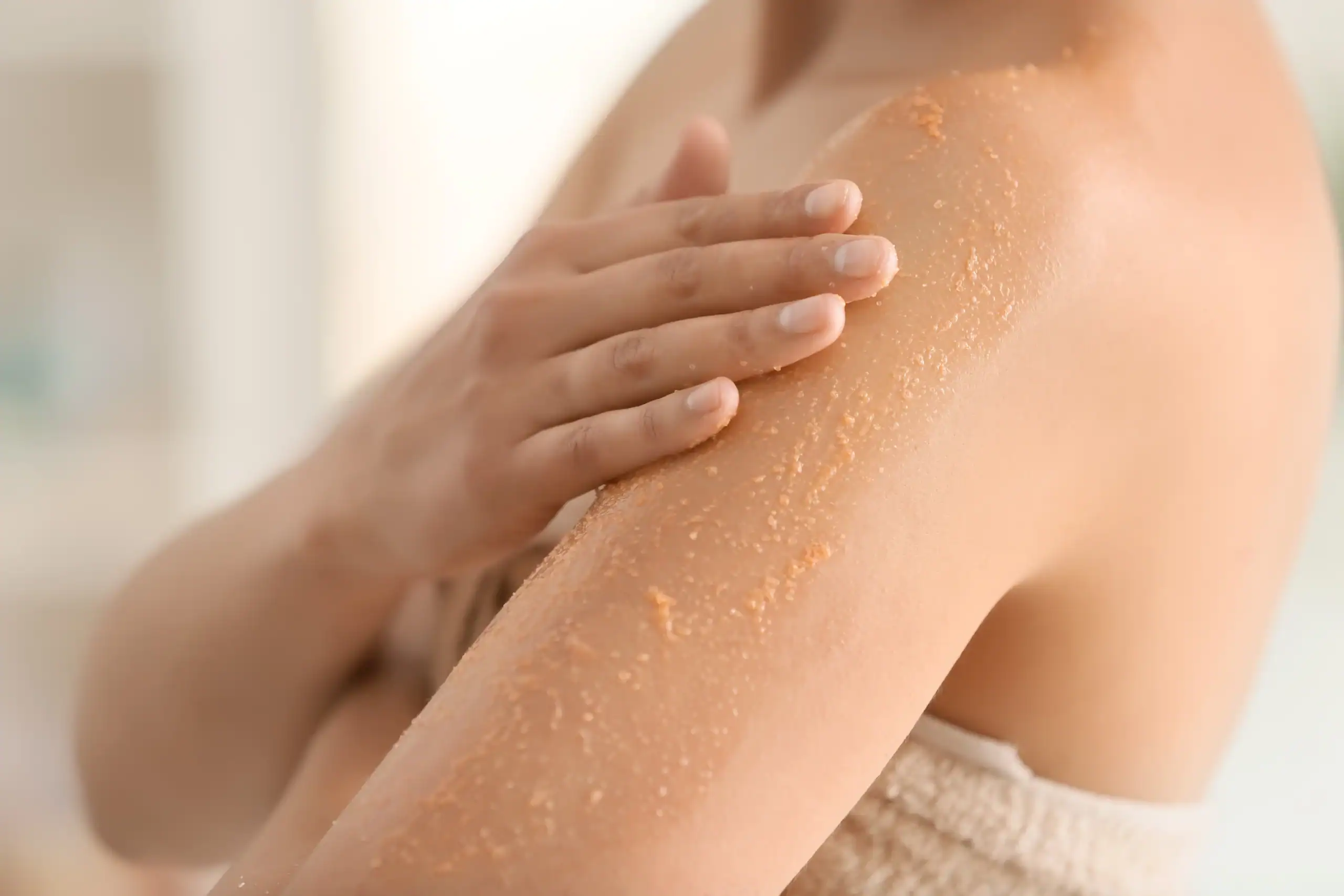
Mechanical exfoliation removes the dead cells through friction. Exfoliating body scrubs, exfoliating sponges, loofahs, exfoliating gloves, exfoliating brushes and washcloths act as mechanical exfoliants.
If you use an exfoliating scrub, apply only a small amount using small, light, circular motions. If you opt for an exfoliating tool such as a sponge or brush, use short, gentle strokes. Scrubbing too hard can irritate the skin, and you may create tiny tears that leave you vulnerable to infection.
Skin exfoliation guide by skin type
Your skin type will point you in the direction of either chemical exfoliation or mechanical exfoliation. It also dictates how often to exfoliate.
In general, people with oily skin may want to exfoliate more often than people with dry or sensitive skin. But here’s an important caveat no matter your skin type: Start slow. If you’re new to exfoliating, try exfoliating once a week and, if you need to exfoliate more often, work your way up to it. And recognize that your skin’s exfoliation needs may change with the seasons.
The best time to exfoliate is at night, after you’ve removed your makeup. Exfoliating in the morning will temporarily make your skin more sensitive to the sun’s rays.
For oily skin
How to exfoliate: Either mechanical exfoliation or chemical exfoliation with a product that contains salicylic acid will work for your skin. Salicylic acid is a type of BHA that’s particularly effective at removing excess oil and debris along with dead cells.
How often to exfoliate: Two to three times a week.
For acne-prone skin
How to exfoliate: Chemical exfoliation with beta-hydroxy acids is your best bet. Mechanical exfoliation can be too irritating for blemishes.
How often to exfoliate: Exfoliating two to three times a week may be appropriate, but it may be too much if you use retinols, retinoids or benzoyl peroxide. Ask your dermatologist for advice.
For normal skin
How to exfoliate: Both chemical and mechanical exfoliation are effective for normal skin, so the choice is yours.
How often to exfoliate: Two to three times a week.
For combination skin
How to exfoliate: Alternate between chemical and mechanical exfoliation (don’t use both on the same day).
How often to exfoliate: Twice a week.
For dry, sensitive skin
How to exfoliate: Chemical exfoliation is best for dry, sensitive skin. A product that contains lactic acid, one of the mildest forms of AHAs, is ideal for dry skin and skin that’s easily irritated. Bonus: Lactic acid attracts moisture to help keep your skin hydrated.
How often to exfoliate: Up to once or twice a week.
When not to exfoliate
Not everyone will benefit from exfoliation. You may end up with irritated, inflamed skin if you exfoliate too often or if you:
- Use a product that makes your skin more sensitive and prone to peeling. These products include benzoyl peroxide, over-the-counter retinols and prescription retinoids. Exfoliating if you use one of them could worsen flakiness and lead to acne breakouts.
- Have sunburned or damaged skin. Have a sunburn, rash or cuts? Don’t exfoliate until your skin heals.
- Have a skin condition such as rosacea. If you have rosacea, exfoliating may worsen redness and irritation.
Professional skin exfoliation options
For deeper exfoliation customized to your skin type, see your skin care provider.
Exfoliating facials can remove dead skin skills and brighten dull skin. A more powerful, medical-grade treatment appropriate for all skin types is HydraFacial MD. This multi-step resurfacing procedure includes mechanical exfoliation, a chemical peel, extractions and an infusion of antioxidants and hyaluronic acid to plump, hydrate and protect skin. It’s perfect for smoothing and brightening as well as for reducing the appearance of fine lines, brown spots and acne scars.
Schedule an appointment today at one of our Florida offices.
Written by Jessica Brown, a health and science writer/editor based in Nanuet, New York. She has written for Prevention magazine, jnj.com, BCRF.org, and many other outlets.
Medically reviewed by Keria Tia Bean, APRN