
Chlorine Rash: What Causes It and How to Treat It
Medically reviewed by Haley Andress, PA-C
Chlorinated pools do a good job of drying out your skin because chlorine strips away its natural oils. But if you develop a rash after swimming in a pool, you may be dealing with more than dry skin: It’s possible you have a chlorine rash. Any pool rash can take away a lot of the fun of going swimming, but there are ways to treat a chlorine rash and lower the risk of getting another one the next time you jump in.
Can You Be Allergic to Chlorine?
A chlorine rash may look a lot like an allergic skin reaction, but there’s no such thing as a chlorine allergy. Rather, a chlorine rash is a type of irritant contact dermatitis—skin irritation caused by contact with a substance your skin is sensitive to.
Disinfectants such as chlorine are common triggers of irritant contact dermatitis. If you already have another form of dermatitis, such as eczema or seborrheic dermatitis, chlorine exposure can aggravate it.
In people who are frequently exposed to chlorine, it may play an indirect role in the development of respiratory allergies, such as asthma, by irritating the respiratory tract and making it more sensitive..
What Does a Chlorine Rash Look Like?
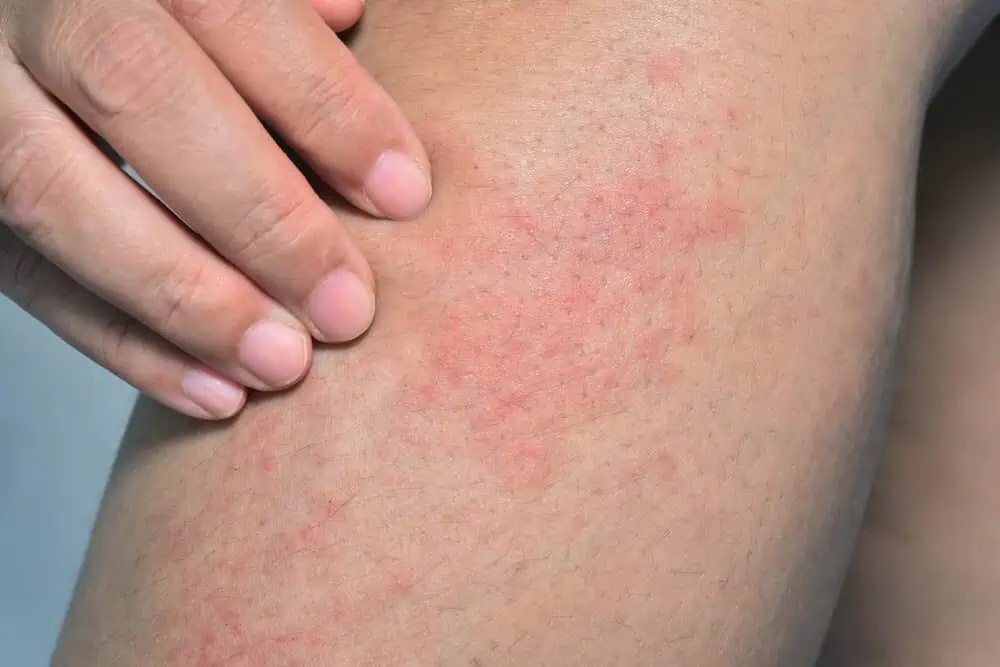
A reaction to chlorine can cause redness, inflammation and bumps or patch-like lesions. The skin may be dry, scaly or crusty. Unfortunately, the rash doesn’t feel much better than it looks: Itching can be severe, and the skin may be tender. Symptoms usually develop a few hours after a swim in a chlorinated pool or a soak in a hot tub.
A chlorine rash is sometimes confused with swimmer’s itch (cercarial dermatitis), but swimmer’s itch is caused by tiny parasites found in freshwater and saltwater. Unless a pool is poorly maintained or the level of chlorine is too low, it’s unlikely you’ll run into any parasites.
Who Gets Chlorine Rashes?
Anyone can be hypersensitive to chlorine, but it’s more likely to be an issue for people who spend a great deal of time in chlorinated pools, such as lifeguards and professional swimmers, or who work with chlorine. The risk is higher if you swim in heavily chlorinated pools, but even pools treated with lower levels of chlorine can cause a rash. That’s because chlorine creates an even harsher chemical called chloramine when it mixes with sweat or urine that may be in the pool or on your body.
You’re more vulnerable to chlorine rashes if you have a condition such as psoriasis or eczema that weakens the skin barrier. This outermost layer of skin normally protects against irritants and invaders. When it’s not functioning properly, it gives chlorine easy entry into the more delicate layers of skin beneath. (Using a barrier cream can help restore its function.)
Chlorine Rash Treatment
You can usually treat chlorine rash symptoms at home with over-the-counter creams. You will have to avoid chlorinated pools and hot tubs until the rash heals, but in most cases, it takes only a few days for symptoms to disappear. Do your best to avoid scratching the rash, which can make it painful and could result in scarring.
To get relief, dermatologists recommend using one or more of these:
- CeraVe Itch Relieving Moisturizing Cream. Both a moisturizer and an itch-stopper, this cream contains 1% pramoxine hydrochloride for long-lasting relief of itching.
- Benadryl Itch Stopping Cream. This cream contains 1% diphenhydramine hydrochloride, a topical painkiller that relieves itching. Oral Benadryl can help if you develop hives.
- Hydrocortisone cream. These creams soothe redness, itching and inflammation. Don’t use one for more than a week or on your face unless your doctor advises you to.
- A thick, fragrance-free body cream. Thick creams, such as Eucerin Original Healing Cream and CeraVe Moisturizing Cream, relieve dryness by locking moisture into the skin.
See a dermatologist if your symptoms are severe, are getting worse or persist despite at-home treatment. The doctor may prescribe a stronger steroid cream.
Ways To Prevent Chlorine Rash
When you’re ready to get back in the pool, you can take some steps to avoid a chlorine rash or at least get a milder one.
Shower first to wash away any sweat and oil so it doesn’t interact with chlorine and form chloramine. Next, slather on petroleum jelly or a pre-swim lotion or chlorine rash cream to help reduce chlorine absorption. After your swim, shower immediately and use a body wash designed to remove chlorine, such as TRIHARD After Swim Body Wash. Apply a moisturizing cream, then change into loose, dry clothes.
Chlorine rashes caused by chlorine sensitivity are itchy and unpleasant. If the preventive steps above don’t help enough, consider switching to a saltwater pool (they require less chlorine) or even the ocean.
Written by Jessica Brown, a health and science writer/editor based in Nanuet, New York. She has written for Prevention magazine, jnj.com, BCRF.org, and many other outlets.
What Do Bed Bug Bites Look Like and How Should You Treat Them?
Medically reviewed by Daniel Gutierrez, PA-C
Does pulling back the sheets of a hotel room bed give you pause and make you wonder, “What do bed bugs look like?” Have you woken up with clusters of small red bumps and asked yourself, “What do bed bug bites look like?”
Bed bug bites are usually more annoying than dangerous, but finding bed bugs — or even thinking about being bitten by them in the night — can give you a serious case of the creeps, not to mention insomnia. Read on to learn the answers to the most common questions people have about bed bugs and bed bug bites, plus what to do if these insects infest your home.
Can You See Bed Bugs?
You can sometimes spot adult bed bugs, but they hide during the day, and they are small enough — about the size of an apple seed — that you may not notice them unless you look carefully.
What Do Bed Bugs Look Like?
Bed bugs are small, flat, brown and oval shaped. They have six legs and two antennae. If they’ve fed recently, they will be longer, less flat and reddish-brown. They can’t jump or fly, but they can crawl fast.

What Do Bed Bug Bites Look Like?
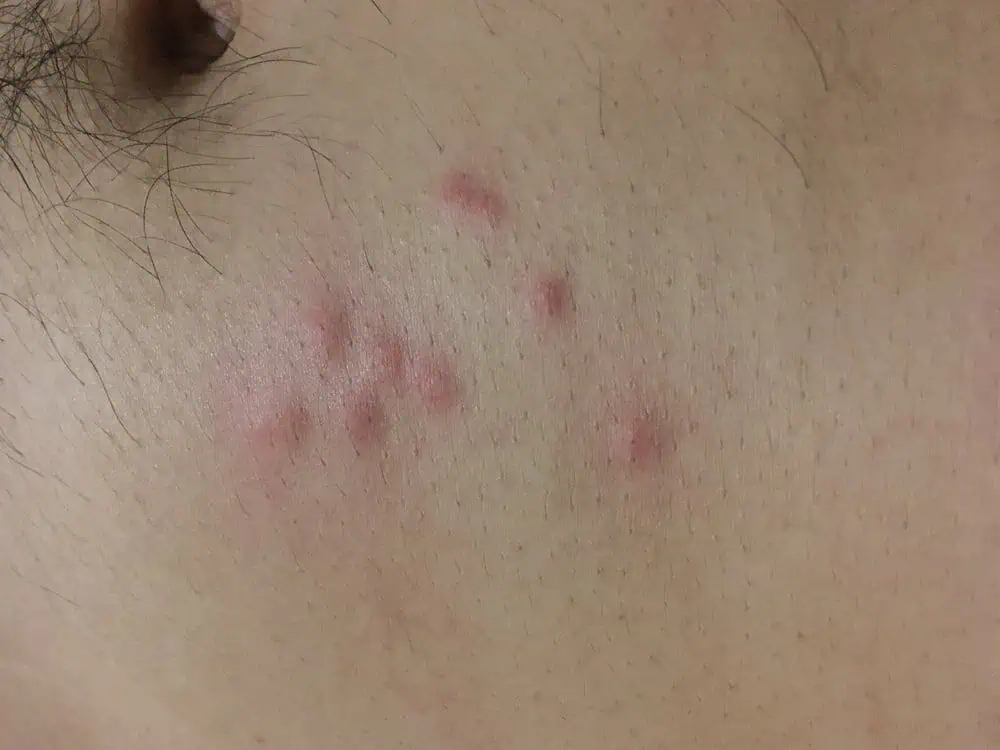
Everyone reacts differently to bed bug bites. Some people show hardly any signs they’ve been bitten, but 70% develop raised bumps (welts) that are red in lighter skin tones and purple in darker skin tones. You may see a darker spot in the center where the bed bug pierced your skin. Welts often appear in clusters of three to five and follow in a zigzag pattern.
It's easy to confuse bed bug bites with mosquito bites or chigger bites, so see your Water's Edge dermatologist for an accurate diagnosis.
How Big are Bed Bug Bites?
Bed bug bites may be small, ranging from 2 mm to 4 mm, or larger depending on how sensitive you are to the bites and the amount of inflammation that occurs around the center. Some bed bug bites develop into itchy, fluid-filled bumps (weals) that may be 2 inches in diameter or larger.
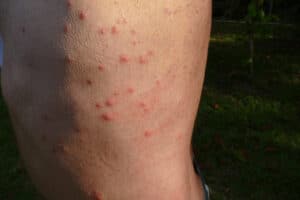
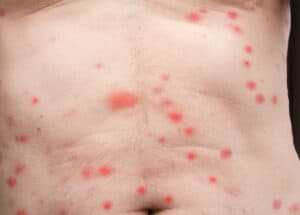
Bed Bug Bites Photos
Here are examples of what bed bug bites can look like.
  |
Do Bed Bug Bites Itch?
Severe itching is a common symptom of bed bugs bites, but it may not occur right away the first time you’re bitten. It usually takes a few days or even up to two weeks for the body to develop a reaction to the bites. As the infestation persists and the bugs continue to bite you, your skin becomes more sensitive to the bites and symptoms may appear in a matter of seconds.
Where Do Bed Bugs Bite?
Bed bugs usually bite areas of skin that are exposed when you sleep. Common sites include the arms, hands, face and neck, but more areas may be affected if you wear skimpy pajamas or sleep naked.
Can Bed Bugs Bite Through Clothes?
Bed bugs can’t bite through fabric. However, you may find bites on covered areas of skin if your pajamas are loose enough for the bugs to crawl under them.
Are Bed Bugs Dangerous?
Can bed bug bites make you sick? The answer in most cases is no, though if you scratch the bites excessively, you can damage the skin and make yourself vulnerable to a skin infection.
Uncommonly, bed bug bites can cause a serious or life-threatening allergic reaction. Seek emergency medical care right away if you have signs or symptoms of an allergic reaction to them. According to the American Academy of Dermatology, these include:
- Blisters, especially large ones
- Difficulty breathing
- A fever
- A swollen tongue
- An irregular or forceful heartbeat
How To Check For Bed Bugs
To find bed bugs, try this at night: Turn off the lights, wait several minutes, the shine a flashlight in places they like to hide, including:
- Your mattress and box spring, particularly near piping, tags, seams and buttons
- Cracks in your bed frame and headboard
If the infestation is heavy, the bugs may lurk in other places, including:
- Under wallpaper and wall hangings
- In the folds of curtains
- In chairs or couches, including under or between cushions
- Where the wall and ceiling meet
- In drawer joints
- Under carpet edges
- Behind electrical outlet covers
Since bed bugs can be hard to spot, the best way to check for them is to look for the signs they leave on bedding. Watch for reddish and rust-colored stains, which could be the remains of crushed bed bugs, and dark spots slightly larger than a period, which could be bed bug feces. If you use a magnifying glass, you may also see very tiny bed bug eggs, eggshells or the pale-yellow skins shed by baby bed bugs.
Even the scent of the room may suggest you have a severe bed bug infestation. The bugs communicate with each other by producing chemicals that have a musty, sweet odor.
How To Treat Bed Bug Bites
In most cases you can treat bed bug bites at home simply by cleaning them with soap and water to help prevent infection and applying a cream or lotion with 1% hydrocortisone, calamine lotion or a thin paste of baking soda and water. Cool compresses can also help with the itching.
If you have many bites, a skin infection, an allergic skin reaction to the bites (swollen skin or hives) or blisters, see a Water's Edge dermatologist. You may need to be treated with:
- Prescription antihistamines or corticosteroids to control itching
- Injectable medication such as an antihistamine, corticosteroid or epinephrine if you have a severe allergic reaction
- An antiseptic medication if you have a mild infection
- Antibiotics for a more severe infection
How To Prevent Bed Bug Bites While Sleeping
Your best bet is to contact an exterminator, since it’s nearly impossible to completely rid your home of bed bugs without professional help. Meanwhile, you can take these steps to avoid being bitten at night:
- Wear pajamas with pants, long sleeves and snug-fitting ankles and wrists.
- Vacuum your bed, floors, molding and other potentially infested areas and use an attachment to reach crevices. Discard the vacuum bag when you’re done. Another option is to use a handheld steam cleaner to kill the bugs with heat.
- Place a bed bug interceptor (a special plastic dish sold online) under each bedpost to trap bugs that try to climb into the bed from the floor.
- Buy a covering for your mattress and box spring that zips.
- Regularly wash your bedding. Use hot water and dry it on the highest temperature.
How Long Do Bed Bug Bites Last?
It usually takes one to two weeks for bug bites to heal. While they’re healing, do your best not to scratch. Not only does a hands-off approach lower the risk of infection, it can help you avoid post-inflammatory hyperpigmentation if you have dark skin.
Written by Jessica Brown, a health and science writer/editor based in Nanuet, New York. She has written for Prevention magazine, jnj.com, BCRF.org, and many other outlets.
Is It Bad to Pop Pimples? (And How Else to Get Rid of Acne)
Medical review by Tia Bean, MSN, APRN
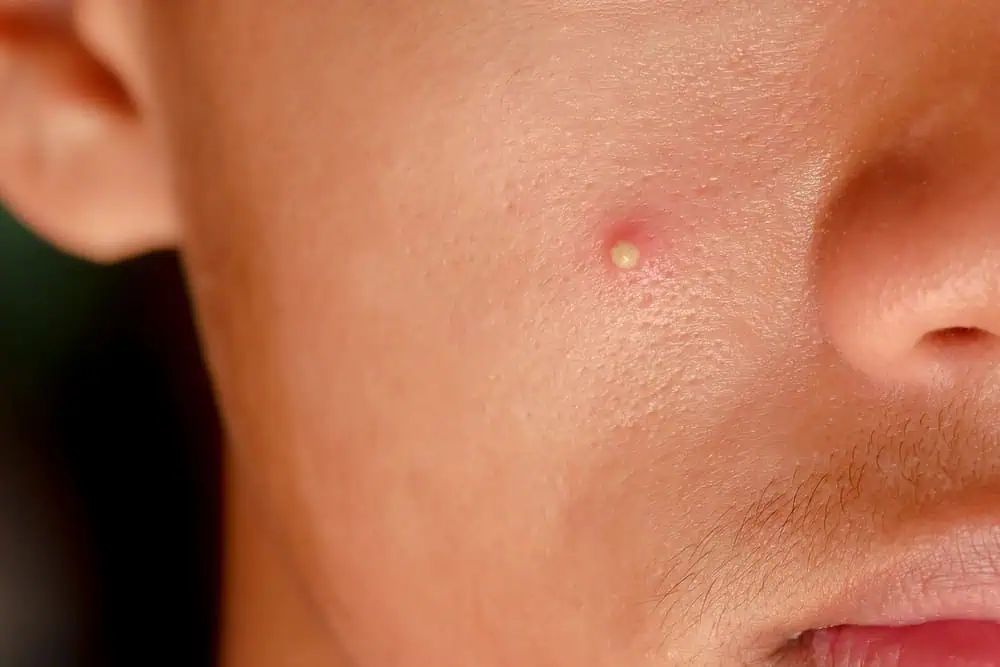
Pimple popping is having its day. In fact, it’s become a spectator sport. Videos featuring close-ups of whiteheads erupting like Lilliputian volcanoes under pressure from an extractor tool or (sometimes ungloved) fingers get millions of views on YouTube and TikTok. Blackhead popping and cyst popping videos draw plenty of eyeballs, too. But is it bad to pop pimples?
When asked, “Should you pop pimples?”, most dermatologists firmly say no. You might think it will help the pimple heal faster, but the experts note that pimple popping at home probably won’t help and may hurt.
5 perils of popping pimples
DIY pimple popping is a bad idea for at least five reasons:
- Pressing on and squeezing an acne blemish can push the oil, dirt and bacteria that’s clogging the pore deeper into your skin and make your acne worse. If the crud gets deep enough, nodules or painful cysts can form. Cystic acne is especially hard to treat and likely to lead to scars.
- Dirt, bacteria and oils can travel from your fingers into your pores and nearby hair follicles.
- The opening left behind after you pop a pimple could turn into an acne scar.
- The pressure you put on your skin could lead to a small, possibly permanent spider vein on your face.
- If you really go to town on a blemish, the force can cause the skin to tear enough to create an open wound that can bleed, scab over and scar, as well as open the door to infection.
What to do instead of pimple popping
Just because it’s unwise to pop a pimple doesn’t mean you’re entirely at its mercy. If you leave it alone, it will go away on its own, typically within three to seven days unless it’s a deep cyst. But if you want to help it along, you have some safe options. Here’s how to get rid of acne faster according to the American Academy of Dermatology:
- Turn up the heat on whiteheads. A warm compress can help coax a pus-filled pimple along. Soak a clean washcloth in hot water, wring it out and apply it to the area for 10 to 15 minutes three or four times a day.
- Put it on ice. To ease pain and inflammation from a pimple deep in the skin, wrap an ice cube in a clean washcloth or paper towel and apply it for 5 to 10 minutes. Repeat after a 10-minute break.
- Battle bacteria with benzoyl. Dabbing on a 2% benzoyl peroxide product once or twice a day will help dry up pimples and prevent infection.
Acne extraction and more: What a dermatology provider can do
Is it bad to pop pimples? At home, yes—but your dermatologist may be able to do it safely. For stubborn zits or times when you need to get rid of a pimple fast for a special event, a dermatology provider can use one of several techniques depending on the size and type of blemish:
- Acne extraction. Acne extraction is performed with sterile instruments designed for this purpose to safely remove blackheads and whiteheads.
- A corticosteroid injection. Injecting a corticosteroid into a large, deep pimple or a painful cyst reduces inflammation and starts to shrink the breakout within 24 to 72 hours. Shrinking the blemish in this way can reduce the chances of scarring. Corticosteroid injections are typically used for single cysts or nodules, not multiple zits.
- Incision and drainage. If you have a particularly large cyst or nodule, the dermatology provider can open it using a sterile needle or surgical blade and then clean out the contents.
Pimple popping can be hard to resist, but treating a bothersome breakout is best left to a professional. A dermatology provider can also develop an acne treatment plan to keep pimples and other blemishes from forming in the first place. Learn when to seek a dermatologist’s care for acne vs. trying to treat it at home.
Ready to make an appointment for acne treatment? Schedule one today.
Written by Maura Rhodes, a New Jersey-based writer and editor specializing in health and well-being.
The Best Barrier Cream for a Damaged Skin Barrier
Medical review by Haley Andress, PA-C
Have you heard the buzz about barrier creams? If so, you might have dismissed these products as yet another skincare item you don’t need. You’re already using moisturizer, so why would you need to add another cream to your routine? And who needs to repair a damaged skin barrier, anyway?
The answer is: plenty of people, including people with dry, sensitive skin or eczema.
“Barrier cream has real benefits, and it does more than moisturize your skin,” said Haley Andress, PA-C, a certified physician assistant at Water’s Edge Dermatology. Read on to learn why a barrier cream may be important to the health of your skin and how to find the one that’s best for you.
What is barrier cream?
A barrier cream is a cream or ointment containing several ingredients that work together to restore and repair the skin barrier. What is the skin barrier? It’s the outermost layer of skin, called the stratum corneum. Under a microscope, it resembles a brick wall. It’s made of hardy cells called corneocytes (the bricks) and fats that glue them together (the mortar).
Think of the skin barrier as your skin’s protective shell. Its job is to lock in the water your skin contains and shield you from invaders such as bacteria and environmental irritants, including chemicals, pollution and harsh weather.
“You wouldn’t be able to survive without a skin barrier,” said Andress.
Many barrier creams contain ingredients that are found naturally in the skin barrier, such as cholesterol and ceramides. They shore up the “mortar” that holds skin cells together, creating a stronger “wall” of protection.
Why would I need barrier cream?
Some people have a weakened skin barrier due to genetics. Scientists have identified a handful of gene mutations that compromise this protective shell. They may play a role in eczema and other types of dermatitis.
Washing and exfoliating your skin too often can weaken the skin barrier, as can frequent exposure to:
- Wind
- Very dry or humid weather
- Pollution
- UV rays
- Harsh chemicals, including detergents
- Irritants and allergens
Finally, stress and aging also weaken the skin barrier.
If you’re prone to skin infections, skin that is dry, itchy or scaly, or dark, rough patches, using a barrier cream might help. Barrier cream can also help reduce eczema flares.
No matter how healthy your skin is, it’s a good idea to keep barrier cream on hand. It serves other useful purposes, such as protecting against chafing caused by friction and promoting wound healing. (Don’t apply it to broken skin unless a doctor instructs you to.)
Should I also use a moisturizer?
Why would you need a barrier cream if you’re already using a moisturizer? Andress explains.
“A moisturizer addresses the symptoms of a damaged skin barrier, temporarily rehydrating the top layer of skin. The effects are short lasting,” said Andress. “A barrier cream, on the other hand, addresses the causes of those symptoms, helping to reduce dryness and irritation by strengthening the barrier that keeps moisture in and irritants out.”
Most moisturizers need to be applied multiple times per day, while barrier creams should be applied no more than once or twice a day. If you use both, be sure to apply the barrier cream on top, or use them at different times.
Finding the best barrier cream
Shopping for a barrier cream can be tricky because there isn’t always a mention of the skin barrier in the product name or description. A good barrier cream contains a combination of ingredients that includes some of the following:
- Ceramides
- Glycerin
- Hyaluronic acid
- Squalane or squalene
- Petrolatum
- Dimethicone
- Cholesterol
No matter what type of skin you have or what your needs are, there’s a barrier cream for you.
For acne-prone skin and redness caused by dry skin: Elta MD Skin Recovery Serum
Key ingredients: glycerin, dimethicone, sodium hyaluronate (a version of hyaluronic acid)
For aging skin: wederm Restorative Lipid Replenishing Cream
Key ingredients: ceramides, hyaluronic acid, squalene, cholesterol
For very dry and cracked skin: CeraVe Healing Ointment
Key ingredients: ceramides, petrolatum, hyaluronic acid, dimethicone
For adult eczema: Eczema Restoraderm Flare-Up Relief Cream
Key ingredients: Shea butter, Ceramide NP, dimethicone, glycerin
For added sun protection: La Roche-Posay Toleriane Double Repair Facial Moisturizer with SPF 30
Key ingredients: ceramides, glycerin, dimethicone
How often you use a barrier cream depends on the product and your skin type. If you have acne-prone skin, you may want to use it no more than once a day. Because it's so thick, make it the last thing you apply in your skincare routine so it doesn’t block the effects of other, thinner products you use.
Written by Jessica Brown, a health and science writer/editor based in Nanuet, New York. She has written for Prevention magazine, jnj.com, BCRF.org, and many other outlets.
Is Your Sun Rash from a Sun Allergy or Phototoxicity?
Medically reviewed by Ted Schiff, MD
Does the sun disagree with your skin? If you got an itchy sun rash or an especially painful sunburn after soaking up some rays, you may have photosensitivity, which simply means your skin is extra sensitive to the sun. That sensitivity could be caused by a sun allergy or by an antibiotic or other medicine you take.
Your dermatologist can help solve the mystery of what type of photosensitivity you have and what’s causing it, as well as prescribe treatment to relieve your symptoms.
Types of photosensitivity: Sun allergy vs. phototoxicity
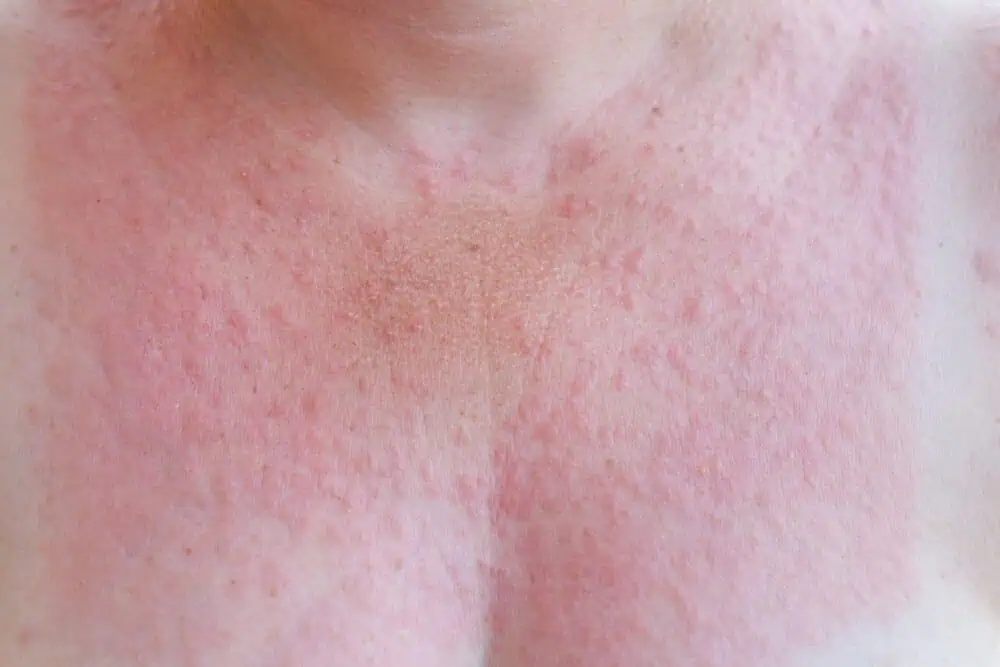
Most sun rashes are phototoxicity rashes. These happen when ultraviolet (UV) rays interact with a drug you’ve taken or a product you’ve put on your skin. The rays transform one of the ingredients into a skin-damaging chemical. A phototoxic reaction often includes an unusually painful sunburn with itching and swelling. It may or may not include a rash.
Sun allergy rashes are much less common. “Sun allergy” is a catch-all term for reactions to the sun that involve the immune system. In one type of sun allergy, a product you apply to your skin interacts with UV rays, causing changes in the skin that prompt the immune system to launch an attack. “Sun allergy” can also mean an allergic condition you inherited in your genes. Polymorphic light eruption, or PMLE, may be one example, though its cause isn’t clear.
You may be more likely to develop photosensitivity if you have lupus, psoriasis, rosacea or another sun-sensitizing disease.
What does a photosensitivity rash look like?
Phototoxic and photoallergic (sun allergy) reactions share some symptoms, such as skin redness, so it can sometimes be tricky to tell them apart. But there are a few differences.
Phototoxic reactions include red, inflamed, painful skin, and in some cases, brown or blue-gray skin discoloration as well as a rash.
A sun allergy reaction can cause itching, scaling, blisters and bumps that look like hives. Unlike phototoxic reactions, a sun allergy rash can appear on parts of the body that weren’t exposed to the sun.
How quickly the rash appears can help determine its cause. Sun allergy reactions appear several days after UV exposure, while phototoxic reactions typically show up within a few minutes or hours.
List of sun-sensitive medications
Many types of medications can cause photosensitivity in some people. If a medication causes a sun rash or sunburn once, it’s doesn’t necessarily mean it will cause more reactions in the future.
Topical medications
Topical medications including the ones below can cause a sun allergy rash or phototoxic reaction.
- Prescription retinoids and over-the-counter retinols, found in acne and anti-wrinkle products
- Alpha-hydroxy acids, found in products that brighten and smooth the skin
- Benzoyl peroxide, found in acne products
- Products that contain vitamin C
- The sunscreen ingredients avobenzone and oxybenzone
- Topical psoralens used in PUVA, a form of light therapy used to treat vitiligo and other skin conditions
Oral medications
These oral medications may cause sun sensitivity and serious sunburn.
- Non-steroidal anti-inflammatory drugs including ibuprofen and naproxen
- Antihistamines including cetirizine, diphenhydramine and loratadine
- Oral contraceptives
- Certain antidepressants, including paroxetine (Paxil) and amitriptyline (Elavil)
- Cholesterol-lowering statins
- The antibiotics ciprofloxacin, doxycycline, levofloxacin, ofloxacin, tetracycline and trimethoprim
- Antifungals (flucytosine, griseofulvin, voriconazole)
- Many diuretics, including hydrochlorothiazide, chlorthalidone, chlorothiazide, furosemide and triamterene
- Sulfonylureas, used to treat type 2 diabetes
- Phenothiazines, used to treat psychotic disorders and severe vomiting
- Oral psoralens (methoxsalen), used in PUVA therapy to treat conditions such as vitiligo
- Sulfonamides including acetazolamide, sulfadiazine, sulfamethizole, sulfamethoxazole, sulfasalazine and sulfisoxazole, often used to treat bacterial infections
How to treat a sun rash
How you treat your sun rash or burn depends on the severity and cause of your symptoms. Staying out of the sun (and tannings beds) for a day or two while your rash or burn heals is a must. For mild photosensitivity reactions, sun avoidance and cool compresses may be all the treatment you need. Other photosensitivity rash treatments include the ones below.
If you aren’t sure what’s causing your photosensitivity, or you have a severe reaction, see a dermatologist. You should also make an appointment if your skin blisters or if you have flu-like symptoms such as fever and nausea, which may be signs of a second-degree sunburn.
Sun rash medicines
In mild cases, applying an over-the-counter corticosteroid cream can help relieve symptoms such as itching. For a more severe sun rash, your dermatologist may prescribe a stronger corticosteroid cream, or a brief course of an oral corticosteroid such as prednisone. Hydroxychloroquine, a drug used to treat malaria, may be prescribed in certain circumstances, such as if you have PMLE.
Phototherapy
If you have PLME, you probably have the worst symptoms the first time you go out in the sun when the weather turns nice. After that, the reactions become milder as your skin gets used to the UV rays. To help prevent the initial reactions, your dermatologist may recommend phototherapy. In this in-office procedure, your skin is exposed to UV rays generated by a special lamp. Repeated, controlled exposures can help your skin adapt to sunlight.
How to avoid a sun rash
If your sun rash or burn is caused by a medication or skin care product, the simplest way to avoid another one is to stop taking the drug or using the product, if that’s possible. Of course, it often isn’t. (Never skip taking an antibiotic or birth control pill.)
When it isn’t possible, stay out of the sun as much as possible. If you must be in the sun, use sunscreen with an SPF of at least 30 (one that doesn’t contain avobenzone or oxybenzone) and wear sun-protective clothing and a broad-brimmed hat.
Written by Jessica Brown, a health and science writer/editor based in Nanuet, New York. She has written for Prevention magazine, jnj.com, BCRF.org, and many other outlets.
Acne Treatment: When to See a Dermatologist for Acne
Medical review by Ted Schiff, MD
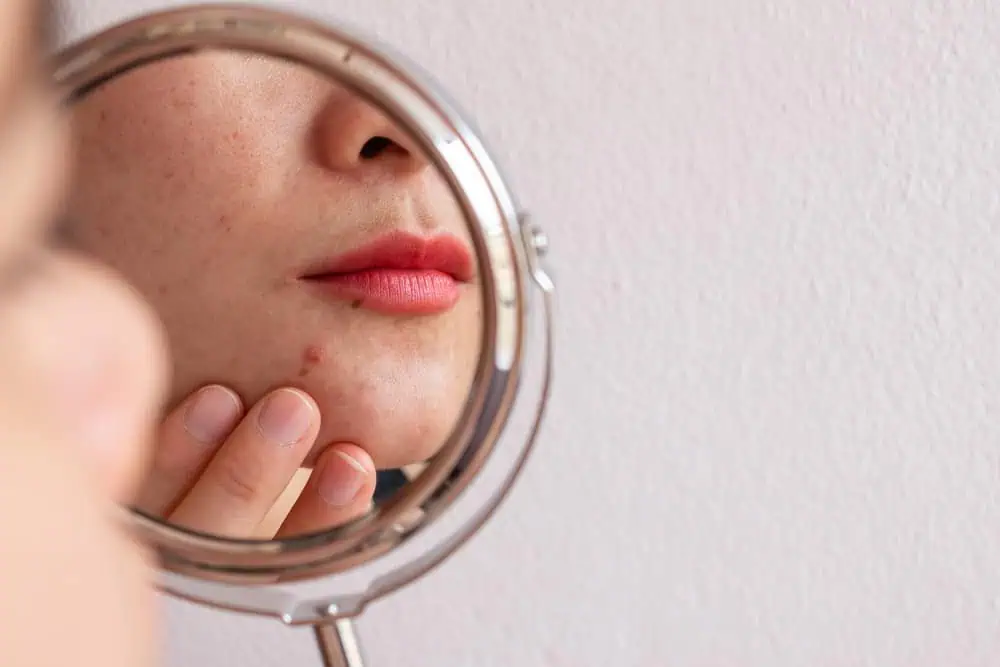
Acne can be frustrating, whether you get major breakouts or a few pimples here and there. Most people’s first instinct is to head to the drugstore and buy whatever looks promising — acne cream, acne spot treatment, acne face wash. But acne is a more complex condition than you might think, and even mild cases can be challenging to treat without drying out or irritating your skin. Knowing when to see a dermatologist for acne can help you get better results and avoid permanent acne scars.
Here are six times when it makes sense to make an appointment with a dermatologist. Your skin care provider will design a custom acne treatment plan, which may include prescription acne medication, other types of medication and in-office procedures such as laser therapy, chemical peels and HydraFacial MD.
1. Over-the-counter products haven’t improved your complexion
In some cases, drugstore cleansers and acne spot treatments are enough to send acne on its way. If they haven’t started to improve your skin after four to six weeks of consistent use, however, or they’ve made your skin worse, make an appointment. You may need more powerful medicines or even different types of medicines.
For example, if your dermatologist determines that you have hormonal acne, you’ll likely get better results by taking prescription medication that targets the hormonal imbalances and fluctuations that cause it, such as spironolactone (for women only).
2. You have moderate to severe inflammatory acne
This type of acne rarely responds to over-the-counter medication, so it’s best to go straight to your dermatologist for treatment. Inflammatory acne can be painful, causing red, pus-filled blemishes, nodules (firm lumps beneath the skin) and cysts (deep, fluid-filled lumps). It can appear on your face as well as your back, chest and shoulders.
While some over-the-counter products can help reduce inflammation, dermatologists often have to prescribe stronger treatments to clear the skin and reduce breakouts. One highly effective cystic acne treatment is isotretinoin, also known as Accutane. Oral antibiotics are also commonly prescribed. To shrink a large, painful cyst, the dermatologist might inject a corticosteroid into the cyst.
3. You develop scars as your acne clears
If blemishes have left permanent marks on your skin, it’s critical to work with a dermatologist to prevent or reduce further breakouts that could lead to more scarring.
Acne scars can be challenging to treat, and some can be disfiguring. Anyone with acne can develop scars, but the risk is higher if you pick at your acne, you have inflammatory acne and don’t treat it promptly or you have relatives who have acne scars.
4. Your acne affects you emotionally
Studies have shown that living with acne can lead to depression, anxiety, low self-esteem and a poorer quality of life — and not just in teens who may be bullied because of their appearance. In a study published in JAMA Dermatology of 50 women ages 18 and 40 who had acne, many of the women reported depression, anxiety and social isolation.
If having acne has changed your mood, social habits or relationships, see a dermatologist ASAP. Studies show that successfully treating acne can help relieve blemish-related emotional distress.
5. You developed acne after starting a new medication
A number of medications can cause acne or acne-like eruptions in some people, including certain steroids, barbiturates (sedatives), birth control pills and lithium. Drug-induced skin eruptions are hard to treat, so unless you’re able to safely stop taking the medication that’s causing them, you’ll need a dermatologist’s help to clear your skin.
6. You have body acne
Blemishes that appear on areas such as the back, chest, shoulders and buttocks may be more difficult to treat than those on the face because they’re often located deeper in the skin. Over-the-counter acne products may be helpful if your body acne is mild, but moderate to severe cases typically need to be managed with prescription medication.
It's smart to see a dermatologist for body acne because some bumps that look like acne aren’t acne. Small, pimple-like bumps under the skin in the groin, buttock or armpit area could be signs of hidradenitis suppurativa, an inflammatory skin condition that can worsen without treatment. And rough, scaly bumps that look like small pimples may signs of keratosis pilaris, which happens when pores become clogged with dead skin cells. If you think you have arm acne, butt acne or armpit acne, let a skin care professional give you an accurate diagnosis.
Written by Jessica Brown, a health and science writer/editor based in Nanuet, New York. She has written for Prevention magazine, jnj.com, BCRF.org, and many other outlets.

Dairy and Acne: Is There a Link?
Medical review by John Minni, DO
Does dairy cause acne? Claims of a relationship between diet and acne have circulated for decades. Depending on what you read, you may think dairy products are among the worst offenders. But what’s the reality when it comes to dairy and acne? Should you give up pizza, milkshakes or lattes for clearer skin?
Little research has been done to investigate a possible connection between dairy and acne, and some results of published studies have been pointed to opposite conclusions. What’s more, different types of dairy appear to have different effects. If the question is “Can milk cause acne?” the answer is a qualified maybe.
“Acne is a complex condition with many causes, including genetics and hormones,” said John Minni, DO, a board-certified dermatologist at Water’s Edge Dermatology. “Certain foods may contribute to acne in some people, but they won’t cause acne if you aren’t already acne prone.”
Milk and acne
If any dairy product contributes to acne — and that’s still an “if”— it’s milk. Ironically, according to at least one study, skim milk and low-fat milk may be more likely to trigger breakouts than whole milk.
If you have acne-prone skin, go ahead and eat cheese. Research has not found a connection between cheese and acne (though you may want to limit cheeses that are rich in saturated fat for other health reasons). As far as yogurt goes, spoon it up.
“Yogurt that contains probiotics might actually improve acne by reducing inflammation in the body, and potentially, by keeping the bacteria associated with acne in check,” said Dr. Minni.
Are the hormones in cow’s milk to blame?
All cow’s milk contains natural hormones. Most milk that isn’t organic also contains artificial hormones that are given to the cows to boost milk production.
In humans, hormonal changes that come with puberty, menstruation and stress can cause acne flare-ups. It’s possible that the hormones in cow’s milk could also cause flare-ups by throwing off the balance of hormones in your body.
One culprit may be insulin-like growth factor-1 (IGF-1), which is thought to trigger breakouts in humans. Cows produce it naturally, and the synthetic hormones given to cows makes them produce more of it.
In addition to IGF-1, various androgens — sex hormones sometimes called “male hormones,” even though females have them too — could also play a role. Testosterone, for example, causes a reaction in the body that stimulates the sebaceous glands to produce more pore-clogging sebum.
Milk and inflammation
Some people suspect that milk may worsen acne by increasing levels of inflammation in the body.
“We now know that inflammation is a major factor in acne,” said Dr. Minni. “In fact, acne is considered an inflammatory disease.”
It’s not clear how, or whether, milk inflames the body. One popular theory is that the sugar in milk boosts inflammation by spiking blood sugar and insulin levels. This might explain why skim milk appears to be more likely than whole milk to cause acne in acne-prone skin. The fat in whole milk lowers its glycemic index (though only slightly), which means slightly lower blood sugar spikes.
Milk may be more likely to cause inflammation if you consume a lot of it or you’re allergic to one of its components.
Time to give up milk?
Banning milk from your diet won’t eliminate your acne for good because it has no effect on underlying factors such as genetics. And think of your bones: They need calcium, and for many people, milk is a key dietary source. Before you give up milk, talk with a registered dietician about how to get enough calcium from other sources.
Also talk to your skin care provider about what’s causing your acne. Chances are, there are other reasons for it. Milk may be low on the list if it’s on the list at all.
How to drink milk without getting acne
If you think milk might be contributing to your breakouts, giving up milk may not be necessary. Try these measures first.
- Scale back your consumption. In one study, the more milk people drank, the stronger the acne connection was.
- Switch to whole milk.
- Buy organic.
Whatever changes you make, give them time to work. A dietary shift could take weeks or months to have a noticeable effect. And keep your expectations in check. “Most cases of acne don’t magically disappear after cutting out a food,” said Dr. Minni.
Your best bet: Work with your skin care provider, who can prescribe effective acne medication and recommend a pimple-fighting skin care routine that’s right for your skin.
Written by Jessica Brown, a health and science writer/editor based in Nanuet, New York. She has written for Prevention magazine, jnj.com, BCRF.org, and many other outlets.
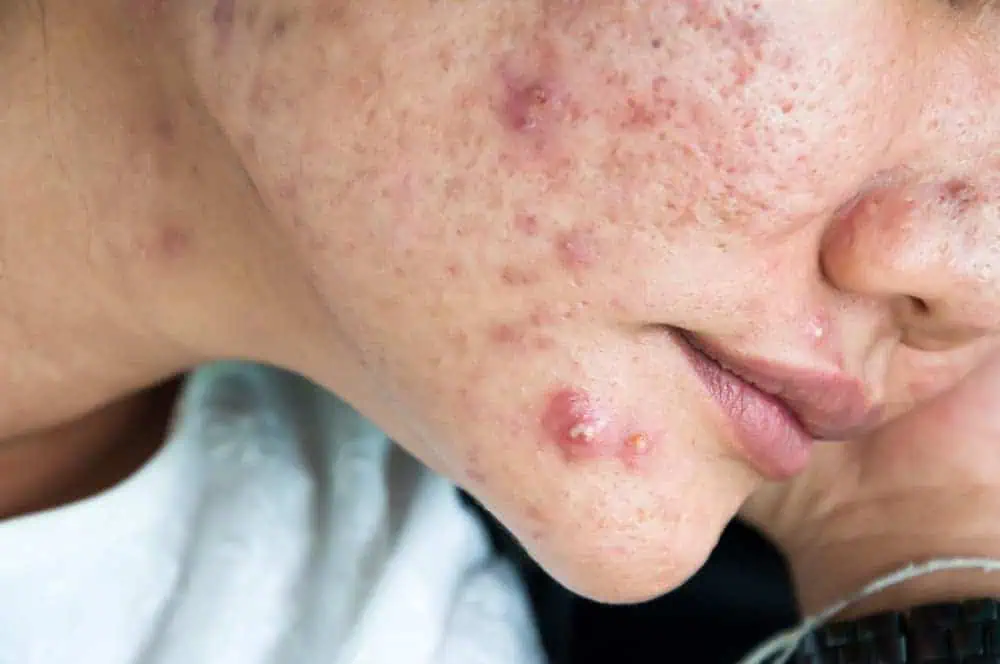
‘Is Accutane Safe?’ and Other Accutane Questions Answered
Medical review by John Minni, DO
Clearing severe acne can be a challenge. When other acne treatments don’t improve deep cysts and nodules, dermatologists often recommend isotretinoin, better known as Accutane. A potent medication, it has been in use for decades. Yet the prospect of taking Accutane for acne frequently raises questions, the main one being, "Is Accutane safe?"
Even though Accutane can lead to amazing complexion transformations even in the worst cases of acne, Accutane side effects, and myths about Accutane side effects, have given the drug a bad reputation. As a result, some people with severe acne hesitate to try it, despite its potential benefits.
“In many cases, Accutane is the only treatment that will clear severe cystic acne and reduce the risk of permanent scars that can result,” said John Minni, DO, a board-certified dermatologist at Water’s Edge Dermatology. “This medication works incredibly well.”
Below are answers to the most common questions dermatologists get about Accutane from acne patients or their parents.
What Is Accutane?
Accutane was a brand name of isotretinoin, an oral medication used to treat acne and other skin conditions such as rosacea. The brand was discontinued, but isotretinoin is still commonly referred to as Accutane. The medication is usually reserved for people with severe acne — deep, painful cysts and hard lumps called nodules — that hasn’t improved with other treatments. Dermatologists may also prescribe it for cases of treatment-resistant moderate acne.
Like other acne treatments such as Retin-A (tretinoin) and Tazorac (tazarotene), Accutane is a retinoid, a compound derived from vitamin A. Vitamin A is essential for healthy skin growth. Some research suggests that lack of vitamin A may weaken the skin’s immune function, making it more vulnerable to infections and inflammatory skin conditions such as certain types of acne.
How Does Accutane Work?
Accutane fights acne in four ways.
- It shrinks the oil glands, greatly reducing the amount of oil they produce.
- It makes dead skin cells less sticky, preventing them from clogging pores when they’re sloughed off during skin’s natural cycle of renewal and shedding.
- It curbs the growth of bacteria that cause breakouts.
- It reduces inflammation, which plays a role in inflammatory types of acne, including cystic acne.
Is Accutane Safe?
When used correctly and with careful monitoring by a dermatologist, Accutane is considered a safe treatment for acne. Like any drug, it can cause side effects.
“It’s important to understand the potential side effects and weigh the risks against the benefits,” said Dr. Minni. “Have this discussion with your dermatologist so you know what to expect.”
Accutane should not be taken by pregnant women because it can cause severe birth defects.
What Are Accutane Side Effects?
The most common side effects are sun sensitivity and dryness — dry skin, dry nostrils, dry mouth and dry eyes, but above all, dry lips. Less common effects include skin itching or irritation and temporary hair thinning. Some people, usually children, develop back and joint pain while taking Accutane, but the pain goes away once treatment ends.
Accutane can cause more serious effects, including increased pressure on the brain and liver damage. These side effects are uncommon and can be detected early during routine monitoring and blood tests. Your dermatologist will also check for increased levels of “bad” (LDL) cholesterol and triglycerides, which is another uncommon side effect. The latest research shows no association between Accutane use and an increased risk of inflammatory bowel disease.
Patients undergo a mental health screening before taking the medication because there have been reports of people on Accutane experiencing depression, suicidal thoughts and psychosis. A link between these conditions and Accutane has not been well established, however.
How Long Does Accutane Take To Work?
Most people start to see improvement within two to three months of treatment, which typically lasts four to five months. In the first month or two, Accutane can make acne worse. If it does, tell your dermatologist. He or she may lower the starting dose and may prescribe oral prednisone to tame the acne until the flare subsides.
Is Accutane a Permanent Cure for Acne?
In most cases, Accutane cures acne permanently. A small percentage of patients experience a relapse a few months or a few years after treatment and need an additional course of isotretinoin or another type of treatment.
Can I Get Pregnant While on Accutane?
Women who take Accutane should not get pregnant. In fact, women of childbearing age who plan to take Accutane must register with the Food and Drug Administration’s iPLEDGE Risk Evaluation and Mitigation Strategy (REMS) program, which was created to prevent miscarriage, premature birth and birth defects resulting from Accutane use.
As part of the program, you must have two negative pregnancy tests before you start taking the drug, and you’ll need to take monthly pregnancy tests during treatment and a final test a month after your last dose. You’re also required to use two forms of birth control for at least one month before starting Accutane, during the treatment, and for one month after treatment ends.
Can You Drink While Taking Accutane?
It’s best to limit or avoid alcohol while you’re taking Accutane. Drinking while on the medication could strain your liver. In addition, heavy drinking and Accutane can both raise levels of LDL cholesterol and triglycerides.
Written by Jessica Brown, a health and science writer/editor based in Nanuet, N.Y. She has written for Prevention magazine, jnj.com, BCRF.org, and many other outlets.
Best Moisturizer for Dry Skin: 9 Dermatologist Picks
Medical review by Jennifer Wong, DO
Dry skin can feel tight. It can itch or flake. It may even crack and bleed. Slathering on moisturizer can solve the problem and give you smoother, dewier skin, but only if you choose the right product. Some moisturizers do little to benefit dry skin, and others make flakiness and irritation worse. So what’s the best moisturizer for dry skin?
“The best moisturizers for dry skin contain two or three key ingredients, no fragrance, and not too much water,” said Jennifer Wong, DO, a dermatologist with Water’s Edge Dermatology.
“Right now, some of the most popular moisturizers are gel or gel-cream moisturizers, and these may be too light for people with dry skin,” said Dr. Wong.
Also skip the trendy moisturizers with exotic-sounding ingredients. “Products with a lot of added substances don’t necessarily provide extra hydration and can irritate dry skin,” Dr. Wong added.
Key Ingredients To Look for: Occlusives, Emollients and Humectants
Effectively moisturizing dry skin comes down to adding water and sealing in that water along with the existing moisture in skin. That means moisturizers need to contain both water and lipids — compounds such as fats, oils and waxes that don’t dissolve in water.
Occlusives and Emollients for Dry Skin
For truly dry skin, the most important ingredients are lipids that act as occlusives. (To occlude means to close up or block.) Occlusives form a layer that effectively locks in moisture and slow the evaporation of water from the outermost layer of skin, called the skin barrier. In some people with dry skin, the skin barrier is compromised, so it does a poor job of retaining moisture.
If a moisturizer is on the thicker side, you can bet it contains occlusives. Good occlusives to look for are mineral oil, petrolatum (petroleum jelly), lanolin, squalane, and silicones such as dimethicone. In some people with sensitive skin, lanolin can trigger allergic contact dermatitis. For them, a cream with squalane or another occlusive is a better option.
What is squalane? It’s a more stable form of squalene, one of the oils naturally found in the skin barrier. Squalane’s benefits include not only better-hydrated skin but also smoother skin. That’s because in addition to being an occlusive, it’s an emollient.
Emollients fill in gaps in the skin barrier, “gluing” together the skin cells there. These gaps are normally filled by the body’s own lipids. Closing them reduces roughness and softens the skin. All the occlusives mentioned above do double duty as emollients.
Ceramides: A Special Type of Emollient
Ceramides are a group of lipids that are highly beneficial for dry, tight, flaky skin. What are ceramides? They are waxy fat molecules that, along with squalene, make up part of the skin barrier.
The ceramides in skin often decrease with age. A ceramide moisturizer helps replenish them and make skin strong, supple and silky-soft. Ceramides are ideal ingredients for people with dry, sensitive skin and those with eczema-prone skin.
Humectants for Dry Skin
Other ingredients that hydrate parched skin are humectants, which draw moisture from deeper layers of skin into the outer layer. Humectants commonly found in moisturizers include hyaluronic acid, glycerin and urea.
Moisturizers that contain humectant should also contain an occlusive so the moisture that’s drawn to the skin barrier doesn’t evaporate.
Cream or Lotion: Which is Best?
If you have dry skin, choose a cream over a lotion. For your driest body parts, such as your heels, opt for an ointment. Creams contain less water than lotions or gels, so they last longer and lock in moisture better. Ointments contain even less water than creams.
Another reason to choose a cream or ointment over a lotion or gel: The less water the product contains, the fewer preservatives it needs. Preservatives can irritate sensitive skin.
Ingredients to Avoid
The best moisturizers for dry, sensitive skin are fragrance-free. Even if your skin isn’t particularly delicate, choosing a fragrance-free product is a good idea since perfumes can irritate dry skin.
If your skin is dry, also steer clear of moisturizers that contain retinols or alpha-hydroxy acids, which can strip the skin of its natural oils.
Organic skincare products are all the rage in some circles, but they aren’t right for everyone. People whose skin is both dry and sensitive may find that organic ingredients trigger contact dermatitis.
Why is My Skin so Dry Even When I Moisturize?
There are many reasons dry skin can persist despite your best efforts. These include genetics, aging, certain medications and underlying health conditions such as diabetes and hypothyroidism. Hot showers, soaps that are too harsh and frequent exposure to cold, dry air or overly dry indoor air also contribute to dry skin.
But sometimes the problem is using a moisturizer with ingredients that don’t provide the level of hydration dry skin needs. Moisturizers that contain too much water or alcohol can leave skin feeling dry again in no time.
“Alcohols are added to some moisturizers to help them penetrate the skin faster, but a good moisturizer for dry skin will list alcohol lower on the ingredients list if it contains it,” said Dr Wong.
Best Moisturizers for Dry Skin: 9 Dermatologist Picks
If your current moisturizer isn’t cutting it, it’s time to switch to one that can give you the results you’re craving. Dr. Wong recommends these nine moisturizers for dry skin. All of them contain one or more of the go-to ingredients outlined above.
Whichever moisturizer you choose, apply it two to three times a day, including after your shower or bath. You should see smoother, softer, healthier skin in no time.
- Wederm Restorative Lipid Replenishing Cream
- Cetaphil Rich Hydrating Cream
- CeraVe Moisturizing Cream
- Aquaphor Healing Ointment
- Kiehl’s Ultra Facial Moisturizer with Squalane
- Avène Cicalfate+ Restorative Protective Cream
- La Roche-Posay Toleriane Double Repair Face Moisturizer
- EltaMD PM Therapy Facial Moisturizer
- First Aid Beauty Ultra Repair Cream Intense Hydration
Written by Jessica Brown, a health and science writer/editor based in Nanuet, New York. She has written for Prevention magazine, jnj.com, BCRF.org, and many other outlets.
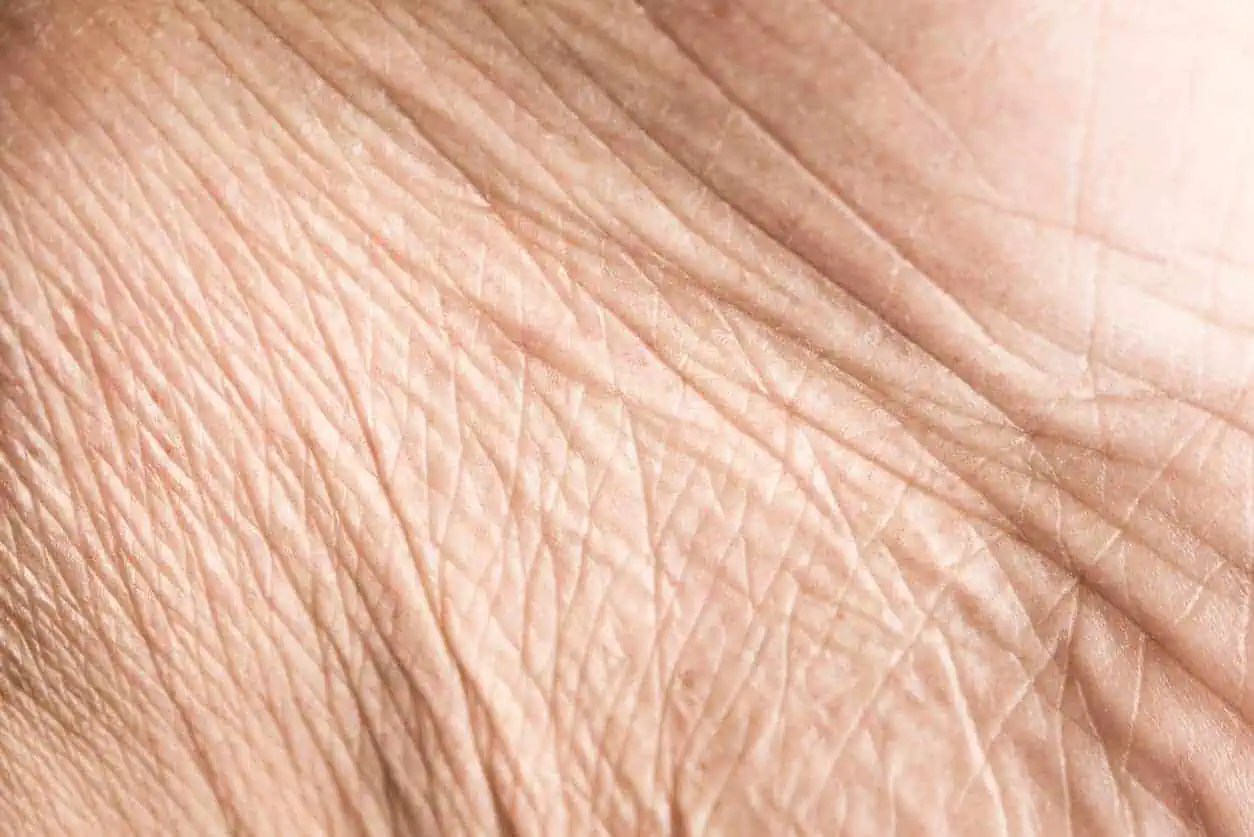
Crepey Skin: What Causes It and How to Treat It
Medical review by Bebe Pajo, MD
Firm but supple skin is one of the many gifts of youth that we don’t appreciate at the time but yearn for later. With age, skin becomes drier, thinner, looser and less elastic. In some people, these changes eventually give the skin the crinkly look of crepe paper.
Crepey skin is more than an aesthetic issue. Thin, fragile skin can more easily bruise, break open and bleed. While crepey skin can’t be entirely reversed, there are steps you can take to make your skin firmer and smoother.
What Causes Crepey Skin?
One cause of crepey skin is something you can't control: age.
“Aging skin naturally becomes thinner and saggier because the body produces less collagen and elastin. These proteins allow the skin to stretch, and to bounce back afterward,” said Bebe Pajo, MD, an aesthetic medicine physician at Water’s Edge Dermatology.
Age isn’t the only cause of crepey skin, however. Years of sun worshipping or tanning bed use can also lead to crepey skin or make it worse. That’s because ultraviolet rays speed the breakdown of collagen and elastin. Your genes also factor into your risk of thin, fragile skin. If your mother and grandmother had it, you're more likely to have it, too.
Smoking, sleep deprivation and consuming too much alcohol can contribute to crepey skin, as can rapid weight loss or gain.
How To Get Rid of Crepey Skin
“Crepey skin is a factor of age, genetics and sun damage, and once you have it, you can’t go back to the skin you had in your 20s or 30s,” said Dr. Pajo. “But you can absolutely improve the skin’s appearance.”
Here are some of the best crepey skin treatment options.
Crepey skin creams
To turn back the clock on crepey skin, you’ll need to moisturize, moisturize, moisturize. Moisturizing creams lock in moisture more effectively than lotions do and are often the better choice. But a plain old moisturizing cream won’t take you far enough.
“Moisturizing creams that contain retinoids, which stimulate the production of collagen and speed the generation of new skin cells, are ideal for crepey skin,” said Dr. Pajo. Choose a cream that also contains hyaluronic acid, which pulls moisture into the skin and helps thicken and plump it. “Over time and with regular use, these ingredients can make skin look less crepey.”
As far as the best cream for crepey skin goes, Dr. Pajo likes these:
- Wederm Dream Skin Rx
- ZO Growth Factor Serum
- ZO Body Emulsion
- ZO Wrinkle + Texture Repair
- DefenAge 8-in-1 Bioserum
Another beneficial ingredient to look for in skin care products, including cleansers, is alpha-hydroxy acid (AHA). This group of acids, which includes glycolic acid and lactic acid, exfoliate the skin. In studies, people who used products containing AHA had noticeably thicker, smoother and firmer skin. Using a product that contains AHA on a regular basis might also offer some protection against future skin damage.
Be sure to slather on sunscreen if you use a product that contains retinoids or AHA, since both ingredients make the skin more sensitive to the sun. It’s best to apply products that contain retinoids at night.
In-office treatments
Your skin care provider has several ways to help make skin thicker, plumper and smoother.
Fractional laser skin resurfacing
Fractional laser skin resurfacing improves skin elasticity and firmness by stimulating collagen production. It also smooths wrinkles and fine lines. This treatment is not recommended for people with dark or tanned skin.
Dermal fillers
For crepey skin on the face, dermal fillers, including Sculptra Aesthetic and Radiesse filler, also stimulate collagen production and smooth wrinkles.
Profound RF
Profound RF, a combination of deep microneedling and radiofrequency energy treatment, promotes faster collagen formation in one treatment. It tightens sagging skin, improves the look of wrinkles and scars and may be used on many body parts, including the arms and legs.
Thread lift
A thread lift also encourages collagen production and lifts saggy skin. It involves placing sutures (“threads”) under the skin with a small needle to “anchor” loose skin in place. The body produces collagen as part of the healing process. “In older patients, I recommend using a combination of collagen-stimulating fillers prior to a thread lift,” said Dr. Pajo.
A healthy diet
The foods you eat matter to your skin. Aim to eat a variety of colorful fruits and vegetables to get enough of the antioxidants your skin loves.
Adequate protein is also important, since protein helps the skin repair and renew itself. Skinless chicken breast, eggs, lean meat, tofu, seitan and lentils are all good sources of protein. Older adults may need more protein than younger ones. For a general idea of how much protein you need each day, use this calculator. Your needs may be different if you have certain health conditions.
How To Prevent Crepey Skin
The best way to prevent crepey skin is to keep your skin hydrated and protect it from environmental assaults.
Wear sunscreen without fail
"Wearing sunscreen whenever you go outside is one of the simplest and most effective ways to protect against premature skin aging," said Dr. Pajo. Choose a broad-spectrum sunscreen with an SPF of 30 or higher. Cover up with a long-sleeved shirt and wide-brimmed hat. Wearing pants instead of shorts can help prevent crepey skin on the legs.
Use a moisturizer daily
Moisturizer is essential. "The outermost layer of skin is a protective barrier designed to hold in moisture, but it doesn't always work as efficiently as it should," said Dr. Pajo. "Daily use of a good moisturizing cream with bonus ingredients such as hyaluronic acid, ceramides and niacinamide will help repair that barrier and lock in moisture." CeraVe Moisturizing Cream and Cetaphil Moisturizing Cream are two drugstore brands Dr. Pajo recommends.
Don’t undo the good work of your moisturizer by using a soap that strips your skin of its natural oils. Use a gentle soap or a non-soap cleanser. You may like a moisturizing body wash.
Add a daily serum
To help prevent and treat skin damage, a vitamin C serum may be a useful addition to your skin care regimen. It neutralizes free radicals, unstable molecules that sun exposure causes the body to generate. It also helps the body make collagen and increases skin cell turnover.
Another good choice for skin restoration and defense, according to Dr. Pajo, is ZO Daily Power Defense. She notes, “This barrier serum helps protect the skin against oxidative damage from free radicals, reduces signs of premature aging, speeds the restoration of the skin barrier and offers extended skin hydration to support continuously healthy skin.”
Want to improve the appearance of your crepey skin? Schedule an appointment today.
Written by Stephanie Watson, a freelance writer based in Providence, Rhode Island. She has written for WebMD, Healthline, HealthCentral, Harvard Health Publications, SELF and many other consumer health publications.