
Treating Skin Cancer on the Face: 4 Tips for Patients
Medical review by David Herold, MD
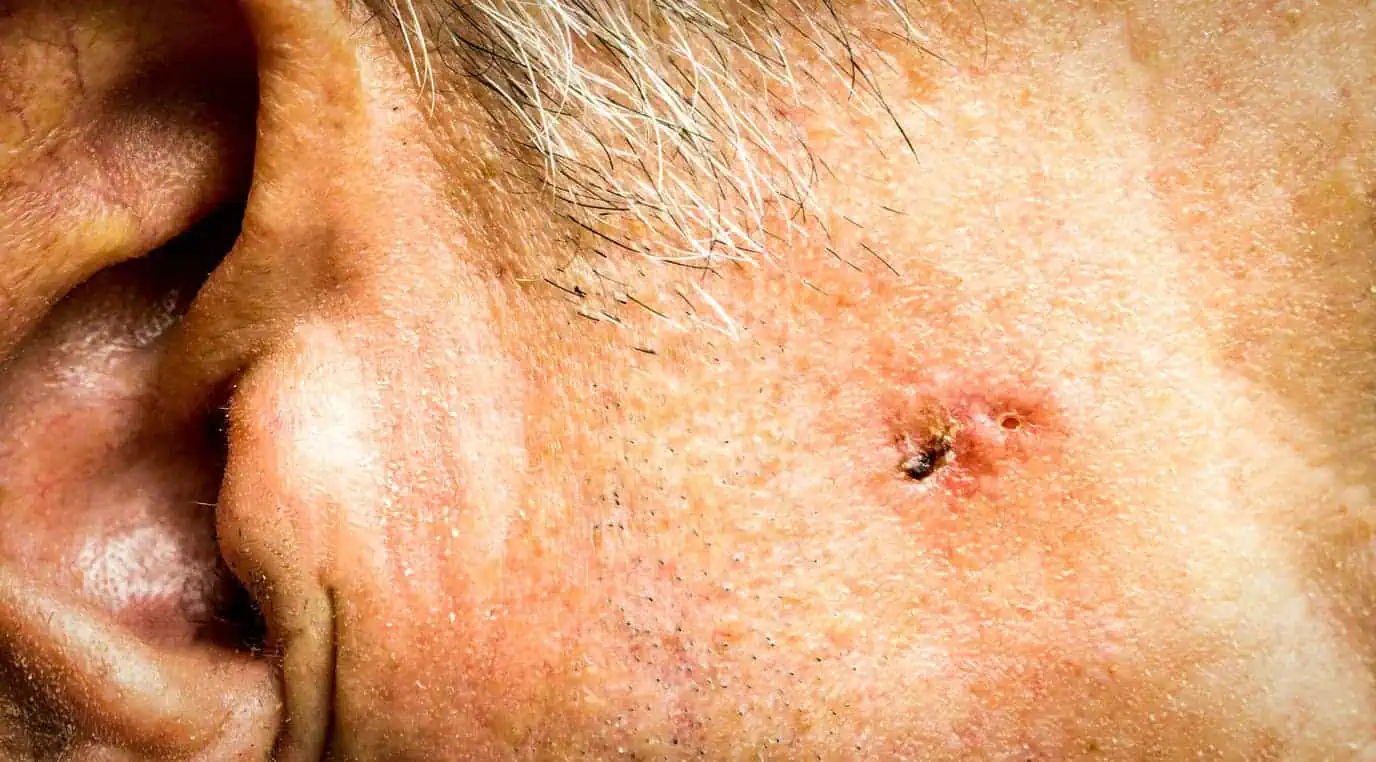
Your face is usually the first part of you people see. It's also one of the most sun-exposed areas of your body, and one of the most common places for skin cancer to develop. If you’ve been diagnosed with skin cancer on the face, it’s important to find a dermatology practice that offers the full range of treatment options, including Mohs surgery and electron beam therapy.
The most common types of skin cancer on the face are basal cell carcinoma, which grows slowly, and squamous cell carcinoma, which grows faster. If caught and treated early, these cancers have high cure rates. Dermatologists have several ways to remove them, including surgical and nonsurgical methods.
When you’re considering your treatment options, the following tips can help you choose the best provider and achieve the best outcome. Especially for skin cancer on the face, the goal of treatment is to get rid of the cancer permanently with as little disfigurement as possible.
1. Realize that skin cancer treatment isn't one-size-fits-all
In some cases, the best treatment for your cancer will be clear-cut. In other cases, you may have choices, and it’s in your best interest to learn about all of them.
Your dermatologist will consider many factors before recommending a skin cancer treatment, including these:
- The type and subtype of the cancer
- The stage of the cancer
- Whether the borders are clearly defined or undefined
- The location of the cancer on your face
- Whether the cancer was treated previously
- Your overall health and how well you can tolerate surgery
Surgery is often recommended to treat basal cell and squamous cell carcinomas. Surgical approaches include:
- Simple excision (cutting out the cancer and some of the healthy tissue around it)
- Electrodesiccation and curettage (scraping out the cancer with a spoon-shaped instrument, then applying heat to destroy any remaining cancer cells and stop the bleeding)
- Cryosurgery (freezing the tumor with liquid nitrogen)
- Laser surgery (removing the cancer using a beam of intense light)
- Mohs surgery
In Mohs surgery, the surgeon removes the visible cancer and then removes additional tissue one thin layer at a time until no more cancer cells are seen under a microscope. Because it preserves as much tissue as possible, Mohs surgery is often an ideal choice when the skin cancer is in a highly visible spot, or when removing more tissue could affect how a part of your face (such as your eye, nose or lip) functions.
Surgery isn’t always the only option or the best approach, however. In some cases, radiation for skin cancer is an excellent nonsurgical option, either as a secondary treatment (after undergoing another treatment) or on its own. Other nonsurgical treatments include topical chemotherapy and photodynamic therapy, in which medicine is applied to the skin and light is used to activate it.
2. Seek out a dermatology practice that offers a wide range of treatments
When you're facing a diagnosis of skin cancer, the more treatment options your provider offers, the better. Most dermatology practices offer many of the treatments outlined above, but some treatments, including Mohs surgery and electron beam therapy (EBT), are not available at every practice.
EBT is a cutting-edge form of radiation for skin cancer that uses a very thin beam of charged particles called electrons to destroy cancer cells without harming the healthy tissue around them. Electron beam therapy for skin cancer could be an option if you can't have surgery, or, in some cases, if you simply prefer a nonsurgical option. Compared to Mohs surgery, it may offer a better cosmetic outcome for cancer on the eyelid, ear, nose or lip. A series of daily treatments over two to six weeks is needed, but each treatment lasts only a few minutes.
3. Look for a provider with the right experience
Finding an experienced surgeon or radiation oncologist is key to getting the best result. Plus, when you're confident in your doctor, you'll be less anxious going into the procedure.
When you meet with a doctor you’re considering, check their credentials. At the least, the doctor should be a board-certified dermatologist. All board-certified dermatologists are trained in basic dermatologic surgeries, but if you’re considering Mohs surgery, for example, look for a doctor who has completed a fellowship in Mohs surgery and is a fellow of the American Society of Mohs Surgery. If you’re considering radiation, make sure the provider is board-certified in radiation oncology, and look for one who specializes in treating skin cancer.
It's also important to find a doctor who is caring and who listens to your concerns, since a cancer diagnosis is never easy.
4. Ask questions
If you have skin cancer, you’ll want to know as much as possible about your cancer, your doctor and the treatment he or she is proposing. Don’t be shy about asking questions. Here are a few questions you might want to ask:
- What type and stage of skin cancer do I have?
- What are my treatment options?
- Why did you suggest the treatment you did? What are the pros and cons?
- Are there any treatment options you haven’t presented?
- How many of these treatments have you performed?
- What is the cure rate with this treatment?
- What can I expect to happen during the treatment?
- What are the possible side effects?
- Will I have a scar afterward? How big will it be?
Remember: Your doctor is in charge of providing an accurate diagnosis and recommending the best treatment for your skin cancer. As the patient, you are in charge of making sure you’re comfortable with the doctor and the proposed treatment.
Written by Stephanie Watson, a freelance writer based in Providence, Rhode Island. She has written for WebMD, Healthline, HealthCentral, Harvard Health Publications, SELF and many other consumer health publications.

How to Get Rid of Stretch Marks
Medical review by Bebe Pajo, MD
Many women have stretch marks, and some men do, too. These rippled, indented lines on the skin are harmless, but they do stand out. If the sight of them bothers you, you’ve probably Googled “how to get rid of stretch marks.” So, what’s the answer?
“Unfortunately, there’s no way to eliminate stretch marks completely,” said Bebe Pajo, MD, a dermatologist at Water’s Edge Dermatology with a specialty in cosmetic dermatology. “But there are good treatments available today that can make them look less noticeable.” Read on to learn more.
What are stretch marks?
Stretch marks, or striae, are a type of scar. They often develop when parts of the body grow rapidly, stretching the skin to its limits. When the skin stretches, collagen and elastin — proteins that support the skin and keep it flexible — can rupture. As the skin heals, stretch marks show up in areas where ruptures occurred.
You’re most likely to develop stretch marks on your stomach, buttocks, breasts, thighs, hips, lower back or upper arms. They may be red, white, black or dark blue, depending on your skin tone. They fade over time and typically end up lighter than your normal skin. New stretch marks may be raised, but they eventually become indented.
Stretch marks aren’t painful, but they can be itchy when they’re forming.
What causes stretch marks?
Stretch mark causes include:
- Rapid weight gain or loss
- Rapid muscle gain from strength training
- Growth spurts during puberty
- Pregnancy
- Breast augmentation
- Marfan syndrome, a disease that affects the body’s connective tissue
- Cushing’s syndrome, a disorder in which the body produces too much of the hormone cortisol over long periods (cortisol weakens the skin’s elastic fibers)
- Use of a topical corticosteroid cream over a long period of time
- Smoking, which decreases skin elasticity
Having a personal or family history of stretch marks makes you more prone to them. Females are more likely to get stretch marks than males; researchers aren’t sure why, but natural fluctuations in hormone levels may play a role.
Pregnancy stretch marks, called striae gravidarum (SG), are common, especially in younger women, women who have a family history of SG, those who carry extra weight before and during pregnancy and those who give birth to heavy babies.
Do stretch marks go away?
Stretch marks fade over time, but they never disappear completely (unless the affected area of skin is cut out, such as during a tummy tuck).
If you’re unhappy with your stretch marks, talk to your dermatologist to see if you’re a good candidate for one or more of the treatments below. In some cases, more than one treatment may be recommended.
Stretch mark removal techniques
The following treatments won’t remove stretch marks, but they may make them less noticeable.
Stretch mark creams
There are many creams, lotions and gels that claim to diminish stretch marks. Their effectiveness varies. Some don’t provide any improvement.
“Stretch mark creams may be worth trying when the marks are new,” Dr. Bebe said. “But once you’ve had them for a long time, they won’t work.”
To improve your chances of seeing improvement, massage the cream into the stretch marks and apply it every day for several weeks. “If you don’t see any improvement in six weeks, the product probably won’t work for you,” said Dr. Bebe.
Some people swear by other topical treatments, such as cocoa butter and vitamin E, but none of them have been found to fade stretch marks in studies.
Retinoid cream
Prescription-strength retinoid creams such as tretinoin cream can improve the look of stretch marks that are less than a few months old. They work by triggering the production of collagen, which may cause the marks to look more like your normal skin.
Chemical peels
During a chemical peel, your dermatologist applies an acidic solution to the stretch marks. This removes the top layer of skin, causing the skin to produce more collagen and elastin as it heals.
Laser treatments
Two types of lasers are used to diminish stretch marks: ablative and non ablative. The laser treatment your dermatologist recommends will depend on several factors, including the color of your skin, the color of your stretch marks and how long you’ve had them. Depending on the size of your stretch marks, you might need several treatments.
Ablative lasers such as fractional CO2 and Erbium YAG remove the topmost layer of skin, which results in smoother skin. They also stimulate the production of collagen, which helps smooth out raised stretch marks. Fractional CO2 lasers are used for deeper scars. Erbium YAG is better for more superficial stretch marks.
If you have dark skin, fractional CO2 and Erbium YAG lasers may not be appropriate for you because they can cause post-inflammatory hyperpigmentation (dark spots) or burns that can leave permanent scars.
Frax1550 laser is a non-ablative laser. It doesn’t remove the top layer of skin. Instead, it stimulates the production of collagen and elastin, which helps the scars to heal and fade. Like most lasers, Frax1550 works best on newer stretch marks, but it may help slightly with older, white stretch marks.
Radiofrequency therapy
During radiofrequency treatments, your dermatologist will aim a device that emits radio waves at the affected skin. The waves heat the skin, which triggers damage, followed by healing and the production of new collagen.
Profound RF is a device that uses both radiofrequency and microneedling to treat scars. In microneedling, tiny needles make microscopic punctures in the skin. The minor trauma coaxes the skin to produce new collagen as it repairs itself.
Radiofrequency therapy combined with microneedling poses much less risk of hyperpigmentation than ablative lasers. You’ll have bruising for seven to 10 days, but the procedure causes less post-treatment pain compared with laser treatment.
Dermabrasion
In this procedure, a dermatologist or plastic surgeon uses a rapidly rotating device to “sand” away the top layer of skin, smoothing it and minimizing the appearance of irregular skin contours such as stretch marks.
Microdermabrasion, a less invasive version of dermabrasion, may also make stretch marks less noticeable, though it won’t help as much for deep stretch marks.
How to prevent stretch marks
There aren’t many ways to keep stretch marks at bay, other than avoiding rapid gain or loss of fat or muscle. Most of the strategies you may have heard about, including applying cocoa butter, olive or almond oil or vitamin E, have been shown in studies to be ineffective.
That said, for preventing pregnancy stretch marks, several approaches may be worth trying. One study found that a daily, 15-minute massage of stretched skin using bitter almond oil helped. Creams containing hyaluronic acid or an extract of the herb Centella asiatica have also shown promise. If you’re pregnant, consult a doctor before applying any potentially irritating product to your skin.
Written by Jessica Brown, a health and science writer/editor based in Nanuet, New York. She has written for Prevention magazine, jnj.com, BCRF.org, and many other outlets.
What Causes Itchy Palms?
Medical review by Julie Forero, DO
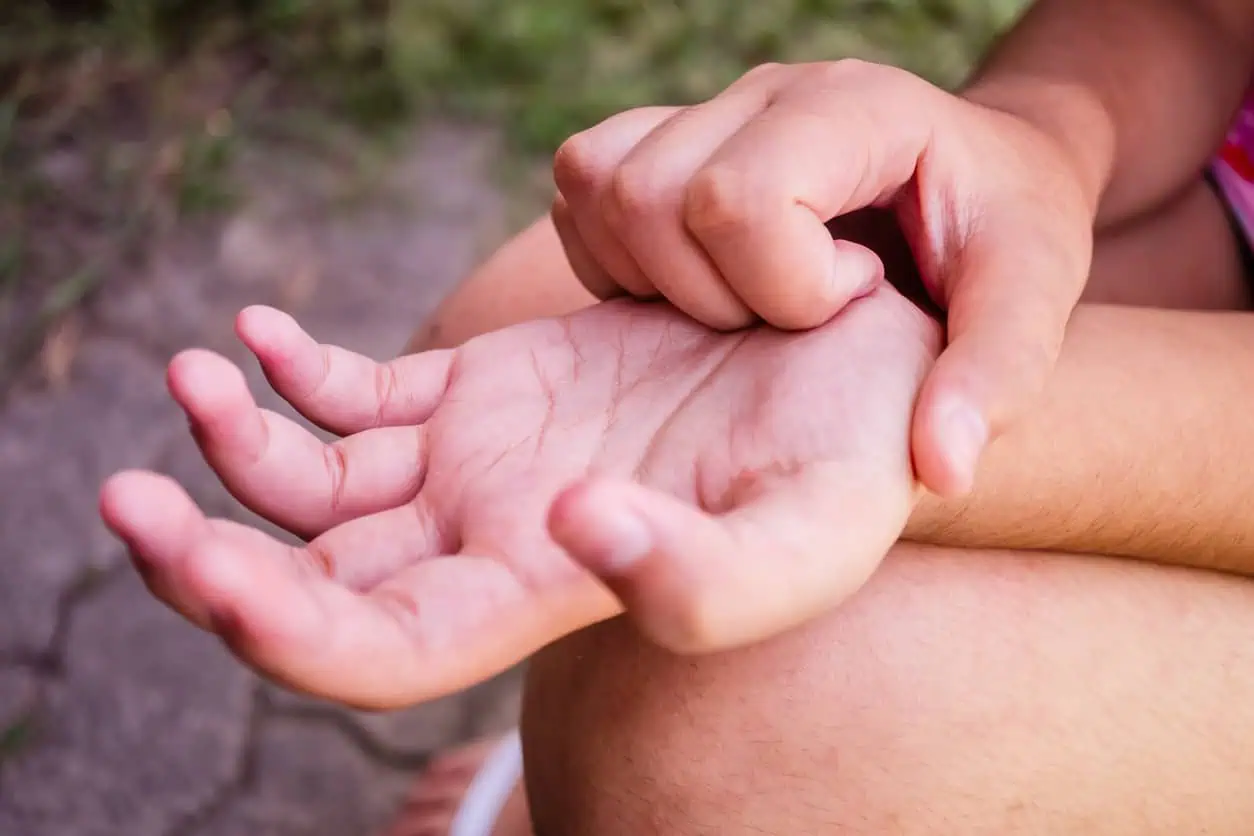
The itchy palm superstition holds that if you have itchy palms, you’re about to experience good luck, come into money or meet someone new. But in reality, itching palms aren’t a sign of anything other than a skin or health condition that causes itching. So what causes itchy palms?
Common itchy palm causes
If you’re wondering “Why are my palms itchy?”, one of these problems may be the culprit.
Dry skin
Itching can occur due to dry skin. You may not be using hand cream often enough, or maybe you have a job that requires you to wash your hands frequently or involves keeping your hands immersed in water, which dries out the skin. The chemicals in cleaning products can also sap moisture from your hands and cause irritation that triggers itchiness.
You’re more likely to develop itchy palms when the air is dry, such as during the winter, or if you live in a dry part of the country.
Eczema (atopic dermatitis)
Itching is one of the signs of eczema, an inflammatory skin condition that can also cause cracks, bleeding and dryness to the point of peeling and flaking. A bad case of hand eczema can even cause your fingers to swell.
Eczema can be treated with over-the-counter hydrocortisone cream, prescription corticosteroid topical formulations, prescription non-steroidal creams and ointments that tamp down the immune system, and antihistamines (if the eczema is triggered by allergies). More severe cases might be treated with biologic drugs (given by injection) or oral immune-modifying medications such as methotrexate or cyclosporine. Phototherapy (light therapy) is another option.
Contact dermatitis
Itching, redness, swelling and, in severe cases, tiny fluid-filled blisters are all symptoms of allergic contact dermatitis, an allergy to something you touch. Common allergens include poison ivy, latex, fragrances, preservatives in shampoo and other products, ingredients in cleaning products and metals in rings and other jewelry. These skin allergies often get worse over time.
Irritant contact dermatitis, which produces an itchy red rash, is caused by repeat exposure to irritating soaps, detergents or industrial chemicals.
Contact dermatitis is often treated with oral antihistamines and steroid creams. If your case is severe, you might be prescribed an oral steroid. Phototherapy can also be helpful for chronic, severe allergies.
Psoriasis
Psoriasis, an immune-mediated disease, causes skin cells to grow too quickly, which can lead to itching as well as patches of thick, red skin and silvery scales. The disease may affect any area of skin, including the palms. It's treated in a variety of ways, including with topical and oral medicines, phototherapy (light therapy) and injected or infused biologics.
Diabetes
Diabetes and dry, itchy skin go hand in hand, for a host of reasons. For example, when there’s too much sugar in the blood, the body pulls more fluid from cells to make urine, which carries sugar out of the body. Diabetes also makes you more vulnerable to skin conditions that can cause itching, such as fungal infections.
Diabetes is often treated with insulin injections. A number of other injected drugs or oral drugs may also be prescribed. Getting your blood sugar under control can help ease itching. If your palms itch because you’ve developed a fungal infection, your doctor will likely recommend a topical or oral anti-fungal treatment.
Liver disease
Several types of liver diseases can cause itching. Examples include primary biliary cirrhosis (PBC), which is thought to be an autoimmune disease and mainly affects women. Itching of the hands and feet may be the first sign of PBC. Fatigue is another early symptom. Chronic hepatitis C, a lifelong liver infection caused by a virus, can cause itching anywhere on the body.
Researchers have several theories about why certain liver diseases cause itching, but none have been confirmed.
Doctors use blood tests and imaging tests, if needed, to diagnose PBC. Blood tests can confirm chronic hepatitis C.
In addition to treating the liver disease, itching can be eased by using over-the-counter topical corticosteroids (hydrocortisone). If you need more relief, your doctor may prescribe one of several medications that target possible underlying causes.
Itchy palms treatment
Moisturizing, avoiding allergens, applying a cool, damp cloth and treating any underlying condition can go a long way toward easing itchy palms in many cases.
If you’re not sure what’s causing your palm itching, it’s a good idea to see a board-certified dermatologist for evaluation. Some skin abnormalities of the palms may indicate a serious condition. Tripe palms, for example, is a very rare condition that thickens the skin of the palms and feet and may cause itching. It’s associated with several types of cancer.
How to prevent palm itching
A handful of lifestyle changes can reduce palm itching and help keep it at bay.
- Wash your hands in lukewarm water instead of hot water.
- Use a gentle, fragrance-free soap.
- Regularly apply a fragrance-free moisturizing cream or ointment — not a lotion. Lotions contain more water and don’t seal in moisture as well. Ingredients to look for include dimethicone, glycerin, petrolatum, ceramides and shea butter. Cetaphil, Eucerin and CeraVe are good brands to try.
- If your hands are extremely dry, try coating them with cream or ointment before bed. Cover them with socks or gloves to protect your sheets.
- Wear gloves in cold weather.
- Wear gloves for cleaning and dishwashing. If you react to latex, wear rubber or PVC gloves with a cotton liner, or PVC gloves over cotton gloves.
- Use a humidifier to add moisture to dry indoor air. Aim for humidity levels of 30% to 50%.
Written by Jessica Brown, a health and science writer/editor based in Nanuet, New York. She has written for Prevention magazine, jnj.com, BCRF.org, and many other outlets.

What Is Sun Poisoning? A Guide to Sun Poisoning Symptoms and Treatment
Medical review by Ted Schiff, MD
A regular sunburn is uncomfortable enough, but a severe sunburn, aka sun poisoning, can leave you feeling more than scorched. You may find yourself with intense pain, plus a fever and chills, along with nausea, dizziness and a headache. Some people also develop a sun poisoning rash. When it comes to sun poisoning vs. sunburn, these symptoms are the difference.
If you have sun poisoning, also called sun sickness, you haven’t been “poisoned” by the sun, although it might feel that way. Rather, sun poisoning is caused by severe dehydration from the burn. In some cases it requires medical treatment to ease the pain, prevent infection and counter dehydration.
Sun poisoning symptoms
In addition to a bad sunburn, which may blister, symptoms and signs of sun poisoning may include any of the following:
- Skin swelling
- Fever
- Chills
- Dizziness
- Fainting
- Nausea
- Vomiting
- Headache
- Confusion
In addition, sun-poisoned lips may blister.
Who gets sun poisoning?
Anyone who experiences prolonged sun exposure, especially without adequate sun protection, can develop sun poisoning. The risk is higher if your sun exposure happens at high altitude or near the equator.
Certain factors make some people more vulnerable to sun poisoning, including these:
- Having fair skin
- Having a personal or family history of skin cancer
- Taking medications that increase sun sensitivity, such as retinoids, certain antibiotics, various acne medications, some antifungal medicines and certain oral contraceptives
- Using skincare products that contain alpha hydroxy acids
- Taking supplements such as St. John’s wort and vitamin B6
Bad sunburns, which can lead to sun poisoning, can happen any time you spend too much time in the sun, but they’re especially likely if you spend that time on the beach, on the water or on snow, since water, sand and snow all reflect the sun’s rays.
Sun poisoning treatment
How to treat sun poisoning depends on its severity. It’s a good idea to call your dermatologist if you have any of the signs or symptoms listed above. Your dermatologist can prescribe medication to ease your symptoms and, if necessary, prevent infection. A provider might suggest taking over-the-counter pain medicine such as ibuprofen or acetaminophen (Tylenol), but don’t take these on your own. They should be avoided by people who have certain medical conditions or take certain medications.
More severe cases of sun poisoning may require hospitalization for intravenous (IV) fluids and treatment in a burn unit. When in doubt, err on the side of going to an urgent care center or ER for evaluation.
Less severe cases of sun poisoning can be treated at home with cool compresses and showers, aloe vera gel and over-the-counter 1% hydrocortisone cream or ointment. Be sure to keep yourself well hydrated. Most people need between half an ounce and one ounce of water per day for every pound they weigh. If you weigh 150 pounds, that would be 75 to 150 ounces of water. (For reference, a gallon is 128 ounces.) Adding drinks that contain electrolytes on top of your water consumption can help you recover from dehydration faster.
Avoid alcohol while you’re recovering, since it can worsen dehydration. And of course, stay out of the sun until you’re feeling better.
Hard as it may be, resist the urge to scratch the rash or pop sun poisoning blisters, which can increase the risk of infection. Contact your provider right away if you have symptoms of infection, which include fever and chills, skin that’s warm to the touch, significant or worsening redness, red streaks, swelling and pus oozing from the skin.
How long does sun poisoning last?
It can take anywhere from two or three days to several weeks to recover from sun poisoning, depending on its severity.
To spare yourself another case of sun sickness, take these preventive measures:
- Avoid prolonged sun exposure and seek shade whenever possible.
- Apply a broad-spectrum, water-resistant sunscreen with SPF 30 or higher at least 15 minutes prior to sun exposure. Reapply at least every two hours and immediately after you swim or sweat.
- Wear sun-protective clothing including a wide-brimmed hat. Don’t forget sunglasses to protect your eyes from UV-related damage.
- If possible, avoid being in the sun between 10 a.m. and 4 p.m., when UV rays are strongest.
Written by Jessica Brown, a health and science writer/editor based in Nanuet, New York. She has written for Prevention magazine, jnj.com, BCRF.org, and many other outlets.
How to Get Rid of Back Acne
Medical review by John Minni, DO
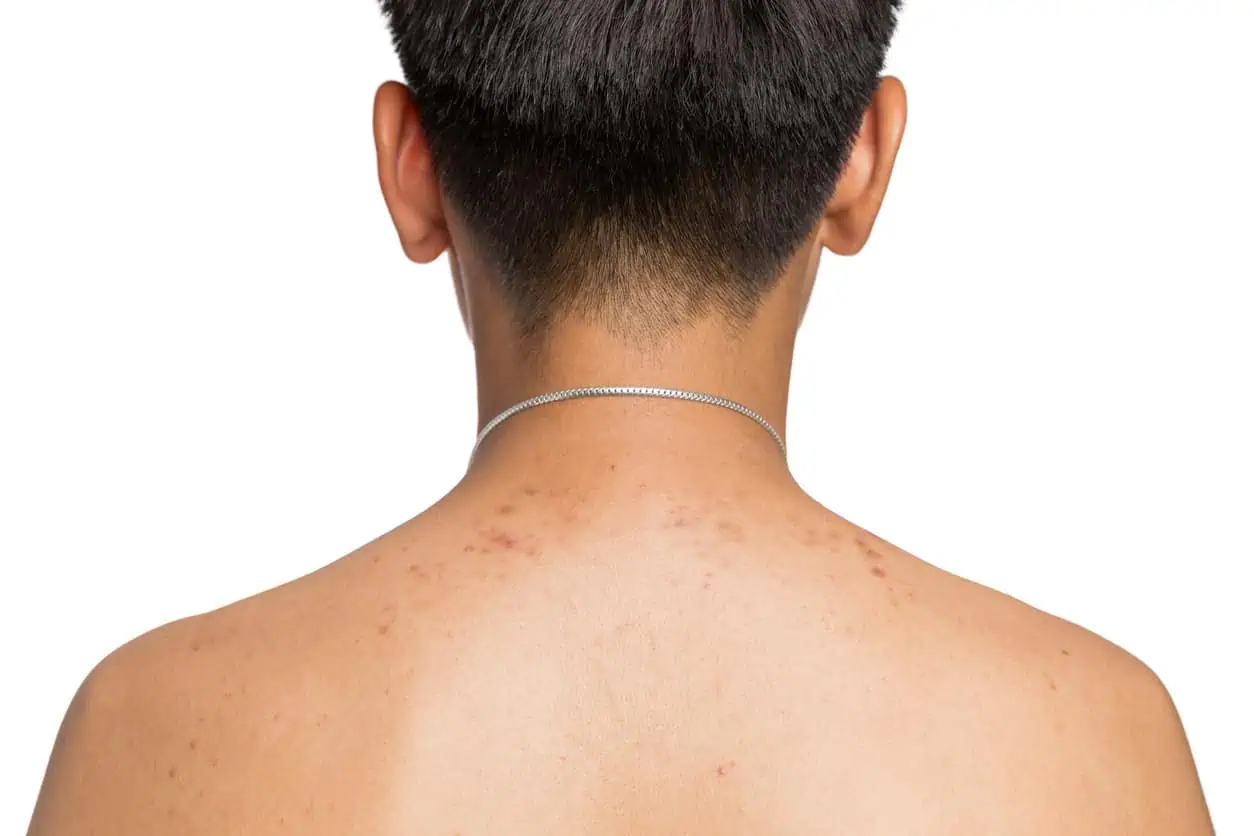
Back acne, or “bacne,” can be a major summer bummer. In the winter you can keep it under wraps, but going shirtless or baring your back in a bathing suit puts the pimples on full display. If you’re wondering how to get rid of back acne, John Minni, DO, a board-certified dermatologist at Water’s Edge Dermatology, has answers.
Many of the same treatments that control facial acne can also be effective for back acne, but you’ll need to see your dermatologist if over-the-counter treatments don’t do the trick. You may want to make some lifestyle changes, too.
What causes back acne?
“The causes of facial and back acne — oil, dead skin flakes and bacteria — are the same,” said Dr. Minni. “But there are several other triggers of back acne that people need to be aware of, such as wearing tight-fitting clothes.”
These are the culprits that can lead to overproduction of oil and/or the growth of bacteria in pores.
Genetics
Genes play a major role in whether you get acne and where it develops. If you have back acne, chances are someone else in your family had it, too.
Hormones
Hormones can contribute to back acne, including female back acne. Women may get back acne in the week before their period starts, when they’re pregnant or when they’re in perimenopause or menopause. But men are more likely to get back acne than women.
“Testosterone stimulates the sebaceous glands to produce more oil, and there are a lot of sebaceous glands on the back, particularly the upper back,” Dr. Minni explained.
Sweat and friction
Wearing tight clothing, protective sports padding or a backpack can trap sweat and create friction that leads to bacne or makes existing bacne worse. The longer you let the sweat sit before showering, the bigger the problem.
Long hair
People with long hair may develop back acne, as well as acne on the back of the neck, from the hair care products they use, according to Dr. Minni.
“If you’re using heavy products such as deep conditioners and hair oils, these can be transferred from your hair to your upper back and cause acne.”
Medications
In some cases, back acne is a side effect of medication. Oral and topical steroids and certain cancer medications, for example, can trigger back acne in some people.
Types of back acne
Any type of acne can develop on the back, including whiteheads, blackheads, red bumps, pus-filled pimples, hard nodules and deep, painful cysts. You may have just one type of bacne or a combination of types. The upper back and shoulders are the most common sites, but some people develop acne all over their back and torso.
Back acne can be mild, severe or somewhere in between, and it may not match the severity of your facial acne. “You can have terrible back acne but mild facial acne and vice versa,” said Dr. Minni.
How to get rid of back acne: The best back acne treatment
Many of the same products you use to treat facial acne are also recommended for back acne, but treating back acne is less successful overall, according to Dr. Minni. That may be due to the challenge of applying topical treatments to your own back, as well as the fact that body acne can be deeper and more stubborn than facial acne.
You may not be able to get rid of back acne on your own unless it’s mild. If you have moderate to severe back acne, or you’ve been using over-the-counter products for eight weeks with no improvement, see your dermatologist.
Over-the-counter back acne treatments
- Acne-fighting cleanser. Choose one that contains salicylic acid or sulfur. (Dr. Minni cautions that benzoyl peroxide can bleach clothing.) Salicylic acid reduces acne and exfoliates the skin, keeping the pores clear of oil and dead skin. Sulfur reduces oiliness, prevents pore blockages and fights bacteria. An over-the-counter sulfur wash may be effective as a back acne wash, but if it doesn’t help enough, your dermatologist may recommend a prescription-strength version.
- Azelaic acid. Available in gels, foams and cream foams, azelaic acid clears pores, calms inflammation and encourages faster healing of acne with less scarring. You can find azelaic acid products at your local pharmacy, but your dermatologist may recommend a prescription-strength version if they don’t deliver results.
- Adapalene (Differin). This OTC retinoid helps unclog pores and prevents new acne from forming. It also improves skin’s texture and tone. Adapalene is often used in combination with benzoyl peroxide for maximum effectiveness, but it also works when used alone.
Prescription back acne treatments
- Topical retinoids. Prescription-strength retinoids, including tazarotene (Tazorac) and tretinoin (Retin-A), fight acne in the same ways adapalene does but they are stronger and more likely to work for moderate to severe back acne.
- Oral or topical antibiotics. Antibiotics slow or stop the growth of bacteria that infiltrate clogged pores. “People might hesitate to take oral antibiotics, but when prescribed for acne, the dose is so low that it doesn’t contribute to antibiotic resistance,” Dr. Minni noted.
- Isotretinoin. Known by its former brand name, Accutane, isotretinoin may be recommended if your back acne doesn’t respond well to antibiotics or you have deep, painful acne cysts and nodules on your back. This oral medication can have serious side effects (liver damage, pregnancy risks such as severe birth defects and miscarriage), so you’ll be closely monitored by your dermatologist while you take it.
In-office procedures
Treatments such as chemical peels and light or laser therapy can fight back acne. Chemical peels work by preventing clogged pores. Light or laser therapy targets bacteria that contributes to acne.
How to prevent back acne
Back acne can be hard to prevent if you’re genetically prone to develop it or if it’s triggered by hormones, but these steps may help you keep the worst of it at bay.
- Be gentle. Using harsh scrubs or astringents or tools such as loofahs or back brushes can make back acne worse.
- Shower ASAP after you sweat. If you can’t, use oil-free cleansing wipes to remove sweat.
- Avoid fabrics and bags that trap sweat. Wear loose clothes made of breathable cotton or sweat-wicking material and wash them after each wearing. If you use a backpack, consider switching to a shoulder bag or duffle.
- Cover up in the sun. Contrary to popular belief, sun exposure isn’t good for acne. When the sun’s UV rays dehydrate the skin, it responds by producing even more oil, leading to breakouts.
- Don’t pick. Popping pimples damages the skin and can cause scars.
- Use clean linens and towels. Wash your bedding and towels regularly so bacteria doesn’t build up on them and transfer back to your skin. Always use a fresh towel after showering.
- Tweak your hair care routine. In the shower, wash and condition your hair first, then wash your body so the hair care products get washed away. If you have long hair, wear it up when you exercise so oil and dirt don’t transfer to your skin.
Written by Jessica Brown, a health and science writer/editor based in Nanuet, New York. She has written for Prevention magazine, jnj.com, BCRF.org, and many other outlets.
Why Is My Scalp So Itchy? 8 Possible Explanations
Medical review by Ted Schiff, MD
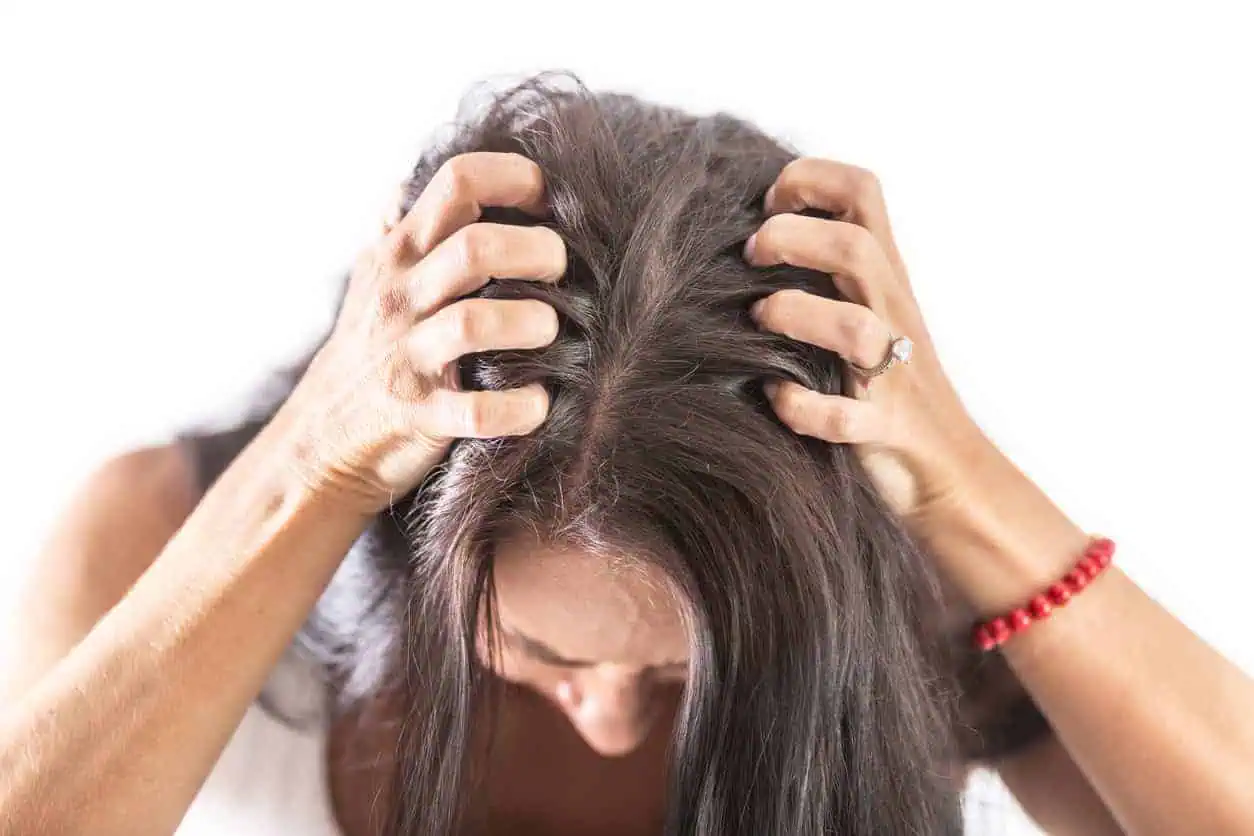
The scalp is one of those parts of the body you don’t usually think about — unless it constantly itches. If it does, you know the particular torture itching can cause. Because there are so many possible causes of itchy scalp, you may need the help of a dermatologist to solve the mystery of “Why is my scalp so itchy?” Plus, itchy scalp treatment may include medications that are available only by prescription.
Below are eight conditions that could have you scratching your head.
1. Dandruff or seborrheic dermatitis
The most common reason for an itchy scalp is dandruff, which causes annoying flakes of dead skin that fall from the scalp. Dandruff affects only the scalp, and the flakes are usually small and white or yellowish-white.
A more severe form of dandruff, seborrheic dermatitis, can affect other parts of the body in addition to the scalp, such as the face and upper chest. Unlike dandruff, seborrheic dermatitis also causes scaling and inflammation, and the flakes are greasy and typically more yellow than white.
Dandruff and seborrheic dermatitis can be caused by oily and irritated skin, dry skin or a type of fungus called malasezzia.
What to do: In most cases, you can treat dandruff with a dandruff shampoo. See your dermatologist if it doesn’t help or if you have symptoms of seborrheic dermatitis.
2. Head lice
Head lice are parasites that live on the scalp and sometimes the eyebrows and eyelashes. Children are usually the ones to get head lice, but the critters can spread to people of any age. In addition to itching, you may experience a tickling feeling caused by crawling of the lice. Scratching may cause sores on your head.
What to do: You may be able to get rid of lice at home using an over-the-counter permethrin lotion (Nix), but it’s smart to confirm the diagnosis with a dermatologist first. If symptoms persist, the dermatologist may recommend a prescription treatment.
3. Scabies
Scabies occurs when the top layer of skin is infested with mites (Sarcoptes scabiei) that lay their eggs there. The itching can be intense, especially at night, and you’ll see a pimple-like rash. Scabies can affect the scalp, but in adults, it usually affects other areas instead. Scabies in babies and very young children may affect much of the body, including the scalp.
Anyone can get scabies, but it’s more common in places such as nursing homes and childcare facilities, where people share close quarters and tend to have body and skin contact.
What to do: See a doctor or dermatologist. Scabies can be treated only with prescription medications called scabicides.
4. Psoriasis
This autoimmune disease causes the body to produce skin cells too rapidly. The cells accumulate and form patches or spots. The most common type of psoriasis, plaque psoriasis, causes itching, scaliness and patches of thick, red skin (plaques), often on the elbows, knees and the lower back.
Scalp psoriasis can cause a dry, itchy, flaky scalp, silvery-white scales and red, bumpy patches. The symptoms may extend to the forehead, back of the neck and behind the ears. Unlike seborrheic dermatitis, which can crop up throughout the scalp, scalp psoriasis tends to have a very clear beginning and end.
What to do: See a dermatologist. If the doctor suspects psoriasis, they may refer you to a rheumatologist for treatment.
5. Ringworm (tinea capitis)
When ringworm affects the scalp, it’s called tinea capitis. Despite its name, ringworm is caused by a fungal infection, not worms. The rash appears as ring-shaped patches, which may be pink or red in people with light skin and brown or gray in those with dark skin. The patches are flat with a raised, scaly border, and they can be extremely itchy.
Ringworm is more common in children, but adults can get it, too, particularly postmenopausal women and people who have a compromised immune system.
What to do: Visit your dermatologist. Using an anti-fungal shampoo can be helpful in treating ringworm, but you’ll also need to take prescription anti-fungal medication to get of it.
6. Contact dermatitis or atopic dermatitis (eczema)
An itchy rash on your scalp may be a sign of contact dermatitis, which is triggered by contact with something that irritates your skin or something you’re allergic to. An ingredient in your shampoo, conditioner, hair dye (particularly black hair dye) or another product that touches your scalp is usually the culprit. In addition to being itchy, contact dermatitis can cause redness, inflammation and sores.
Another form of dermatitis, atopic dermatitis, also known as eczema, can affect the scalp and cause itching. It usually develops in people with a personal or family history of asthma or hay fever. Other symptoms you may notice include dry, cracked and discolored skin. Atopic dermatitis is a chronic condition that comes and goes throughout your life.
What to do: For contact dermatitis, avoid the products that cause your symptoms. If you’re having trouble identifying them, see your dermatologist for help. If you think you may have atopic dermatitis, visit a dermatologist, who will develop an individualized treatment plan for you.
7. Scarring alopecia
Some cases of scarring alopecia, also called cicatricial alopecia, can make the scalp itch. In this condition, inflammation damages the hair follicles, causing scarring and patchy hair loss. The cause of the inflammation often isn’t clear, though in some people, a serious infection or a trauma such as a burn may be responsible.
What to do: See a dermatologist ASAP. While the hair loss is permanent, early treatment can prevent further hair loss and scarring.
8. Skin cancer
Itching on the scalp that coincides with a new growth or other skin change on the scalp can be a sign of skin cancer. Basal cell carcinoma, squamous cell carcinoma and melanoma can all appear on the scalp.
What to do: If you notice any skin change on your scalp, such as a flesh-colored waxy bump, a firm red bump, a flat lesion, a scaly patch, a large brown spot, a recurring sore or a mole that follows the ABCDE rules, get it checked by your dermatologist right away.
Written by Jessica Brown, a health and science writer/editor based in Nanuet, New York. She has written for Prevention magazine, jnj.com, BCRF.org, and many other outlets.
What's That Summer Skin Rash?
Medical review by Ted Schiff, MD
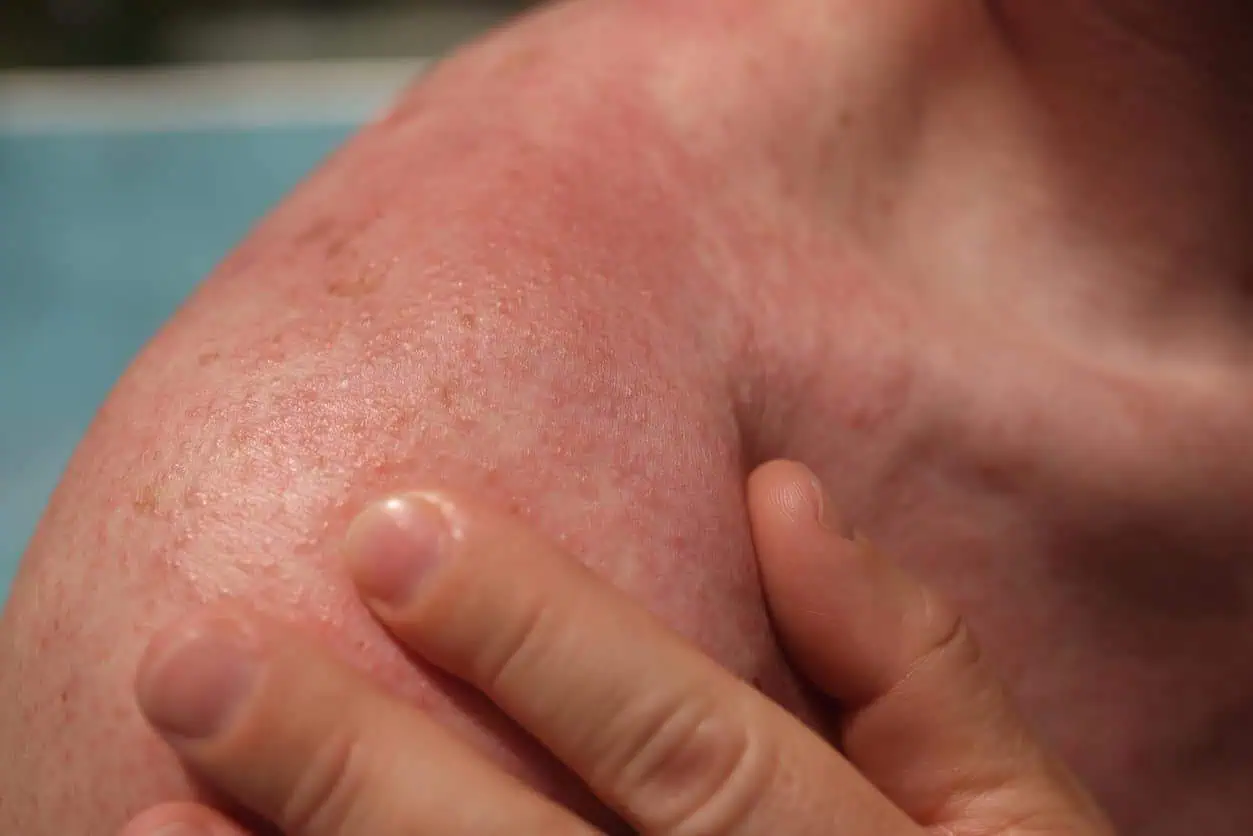
Sunburns are a summer bummer, but they’re hardly the only annoying skin problem that can crop up after fun in the sun. Spending more time outdoors, decked in shorts or a swimsuit, increases your odds of developing a variety of summer skin rashes, from heat rash to folliculitis to swimmer’s itch.
Here are 10 skin rashes to watch for.
1. Heat rash, aka prickly heat
Perspiring helps cool down your body when the mercury hits “sweltering,” but heavy-duty sweating can cause prickly heat, which doctors call heat rash. It occurs when sweat glands get clogged. The result is reddened skin and, in most cases, itchy, blister-like bumps. The rash may sting or tingle. Chilling out in a cool room and keeping your skin dry can help relieve heat rash.
2. Photosensitivity
Certain drugs, health conditions and skin care products can make the skin more sensitive to UV rays. In people with photosensitivity, spending time in the sun may trigger a reaction that looks (and feels) like a bad sunburn or a rash.
Lupus is one condition that can trigger photosensitivity. Retinols, benzoyl peroxide and vitamin C are some of the skin care ingredients that can do the same. Among the oral medications that can lead photosensitivity are hydroxychloroquine and certain:
- Antibiotics, such as doxycycline and tetracycline
- Nonsteroidal anti-inflammatory drugs, such as ibuprofen and naproxen
- Anti-arrythmia drugs
- Antifungals
- Retinoids
- Diuretics
- Statins
- Antihistamines
If your skin blisters or you develop a fever or other flu-like symptoms, see your doctor.
The best way to avoid a bad reaction to the sun is to stay out of it or cover up. If you do expose your skin to the sun, be sure to wear a broad-spectrum sunscreen with an SPF of at least 30.
3. Folliculitis
Every hair on your body sprouts from a tiny structure called a follicle. Wearing tight clothes on a hot day or sitting in a hot tub can damage thefollicles, making it easier forbacteria or fungi to enter and cause an acne-like rash that may itch or hurt. You can get folliculitis any time of year, but your skin is particularly vulnerable when it’s hot and damp. Choose loose-fitting clothes to reduce your risk.
4. Athlete’s foot
There’s nothing like hanging around a pool on a hot summer day, but beware that a microscopic fungus that causes athlete’s foot can lurk on surfaces around the water, as well as the floors of changing rooms and showers. Athlete’s foot causes a red, itchy, scaly skin rash on the feet, often between the toes, and can spread to other body parts. A related problem, jock itch, is more common in warm weather, too.
Wear flip-flops to avoid athlete’s foot, which responds well to anti-fungal treatments. To help prevent jock itch, shower after working out or sweating, wear boxers instead of briefs, change your underwear during the day if you sweat a lot, avoid staying in a wet bathing suit and dry your groin before drying your feet so the towel doesn’t spread foot fungus to your privates.
5. Melasma
Melasma isn’t really a rash, but it’s a skin condition that can worsen from spending too much time in the sun. It occurs when the cells that give skin its color, called melanocytes, make too much pigment. The result is dark patches, usually on the face. Melasma mostly affects women.
If you have melasma, stay in the shade as much as possible, and wear sunscreen (SPF 30 or higher) and a wide-brimmed hat when you go in the sun.
6. Poison ivy rash
Within a few hours or days of a too-close encounter with poison ivy — or one of its evil cousins, poison oak and poison sumac — you can develop a red rash that is unbearably itchy and may blister. Cold compresses, hydrocortisone cream, calamine lotion and oral antihistamines can help with the itching. If you have a severe case of poison ivy rash, your dermatologist might prescribe a stronger corticosteroid cream.
See a doctor if you develop a fever or you can’t sleep because of the discomfort, or if the rash doesn’t fade after seven to 10 days or begins oozing pus.
Learning to recognize these poisonous plants can spare you a lot of misery.
7. Polymorphic light eruption
Polymorphic light eruption (PLME), also called polymorphous light eruption, can cause a variety of skin symptoms, including reddening, tiny bumps, eczema-like dry patches, blisters, and welts similar to hives. No one knows what causes it, but symptoms are triggered by sun exposure, so protect your skin when you’re outdoors. The skin usually clears up on its own over time, but topical or oral corticosteroids prescribed by your dermatologist can help.
8. Sea bather’s eruption
Plunging into the ocean or the local swimming hole is a great way to cool off on sweltering days, but tiny critters in the water can leave you with an itchy rash after your dip. Sea bather’s eruption, aka sea lice, is caused not by sea lice (despite its nickname) but by the larvae of thimble jellyfish or a certain type of sea anemone. These larvae get trapped under your bathing suit. Once there, they release toxins that cause a tingly, itchy rash. The rash gets worse when you take a shower or rub your skin with a towel.
Some doctors recommend applying diluted vinegar or rubbing alcohol for relief. Cool compresses and over-the-counter hydrocortisone cream can also help.
RELATED: 6 Common Water Rashes and How to Treat Them
9. Swimmer’s itch
A swim in the lake is a summer highlight for kids, and plenty of adults, too, but if the water is contaminated with microscopic parasites released by infected aquatic snails, you could break out all over in small, reddish pimples within a day. The pimples may turn into small blisters. Your skin might tingle, burn or itch. The same parasites can contaminate salt water, too. Shallow water near the shoreline is more likely to contain them than deeper water.
Cool compresses, hydrocortisone cream, colloidal oatmeal baths and oral antihistamines are among the remedies that can help relieve swimmer’s itch.
10. Solar urticaria
Just a short spell under the sun can cause people with this rare condition, a form of sun allergy, to develop hot, itchy skin and welts that resemble hives. (“Urticaria” means hives.)
Solar urticaria is more likely to flare up in the summer, when you start wearing shorts, tank tops and bathing suits. That’s because it tends to affect skin that’s normally covered, though even covered skin may react. In some cases, solar urticaria can cause other symptoms, such as light-headedness and vomiting. The good news: Symptoms begin to fade when you take cover. Stay out of the sun until they clear.
If you think you may have solar urticaria, talk to your dermatologist about treatments that can help manage it.
Written by Timothy Gower, an award-winning journalist who writes about medicine and health. His work has appeared in more than two dozen national magazines.
What Is Monkeypox and How Do You Get It?
Medical review by Ted Schiff, MD
Even as the COVID-19 pandemic drags on, experts are tracking a new viral outbreak: monkeypox. The two viruses have little in common. One important difference: Monkeypox is not new, and according to the Centers for Disease and Prevention (CDC), an existing smallpox vaccine may be at least 85% effective against it.
The illness, which until now has been rare outside of Africa, is spreading in certain parts of the world, including Australia, Europe, Canada and the United States. Currently, the CDC says the risk to the general public is low, but vigilance is smart.
Here’s what you need to know about monkeypox and the symptoms to watch for.
What is monkeypox?
Monkeypox is a virus related to smallpox and cowpox. Smallpox, which was often fatal, was eradicated back in the 1970s with an aggressive global vaccination program. Cowpox is much milder and rare in humans.
The monkeypox virus appeared in 1958 in two groups of lab monkeys. Scientists aren’t sure what animal first developed it; it’s thought to be transmitted by rodents, not monkeys. The first known monkeypox case in humans occurred in 1970 in the Democratic Republic of Congo.
The virus can be passed from animals to humans — and also from humans to humans. Scientists say it’s not as easily transmitted between humans as the virus that causes COVID-19. Another positive: It’s not nearly as deadly as smallpox. According the CDC, monkeypox is fatal in 1% to 11% of cases. The strain thought to be circulating outside of Africa now appears to be a less dangerous one. No deaths have been reported to date.
Monkeypox symptoms
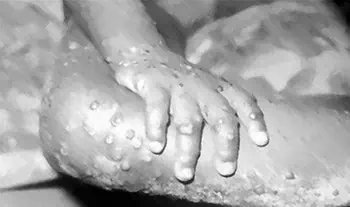
A monkeypox infection usually starts with flu-like symptoms — fever, headache, muscle aches, fatigue — as well as swollen lymph nodes. Backache is also common. After one to three days, or sometimes more, a rash develops. The rash may appear on the face and then spread. The palms of the hands and the soles of the feet are common locations, though the rash can appear anywhere.
Flat, colored spots progress to small, firm, clearly defined bumps, which may have a depression in the middle. These bumps turn into blisters which fill with fluid and later, pus. They scab over, and eventually, the scabs fall off.
In monkeypox transmitted through sexual contact, the rash may appear on or near the genitals, as well as elsewhere. In these cases, monkeypox may skip the flu-like symptoms and start with the rash.
According to the CDC, symptoms usually show up about 5 to 13 days after infection, though it may take as long as 21 days. They last for two to four weeks.
How do you get monkeypox virus?
The virus is transmitted through close contact with an infected animal or human. Catching monkeypox from another person requires:
- Inhaling respiratory droplets, from an infected person’s cough, for example, or potentially, by spending three or more hours within six feet of an infected person without wearing an effective mask
- Coming into contact with bodily fluids, such as blood, saliva, blister fluid or blister pus, from an infected person
- Touching objects such as sheets or blankets that are contaminated with the virus
When airborne, the virus travels through large droplets, not the small particles that carry COVID-19. Large droplets typically can’t travel more than a few feet.
According to the World Health Organization, a number of the recent infections appear to have been sexually transmitted among gay and bisexual men during raves held in Spain and Belgium in early May. At least 30 cases in Spain have been linked to an adult sauna in Madrid.
Monkeypox treatment
There is no specific treatment for monkeypox, though antiviral medications developed for smallpox patients may help. The illness usually resolves on its own. In some cases, if a patient has been exposed to monkeypox, a doctor might administer a smallpox vaccine that is approved by the FDA for monkeypox in order to prevent monkeypox or lessen its severity.
People born in the United States before 1972 likely received a smallpox vaccination as a child. That vaccination should provide some protection against monkeypox.
If you have symptoms similar to those of monkeypox, especially if you’ve recently traveled to a country that has monkeypox outbreaks, had close contact with someone who has or may have monkeypox, or had intimate physical contact with other men, call your dermatologist or general practitioner to be evaluated.
Written by Marianne Wait, an award-winning health and wellness writer based in New Jersey.
What Is CoolSculpting and How Well Does it Work?
Medical review by Siw Sleight
When love handles, back fat, arm fat or other bulges aren’t budging despite dieting and exercising and you don’t want to resort to surgery to shrink them, CoolSculpting offers a non-invasive alternative. It takes less time to undergo than watching an episode of your favorite Netflix show, and it has quickly become one of the most popular body contouring procedures. But exactly what is CoolSculpting, how well does CoolSculpting work, and most important, is it safe?
Siw Sleight, a body contouring and aesthetics specialist at Water’s Edge Dermatology, answers these questions about CoolSculpting and more.
What is CoolSculpting?
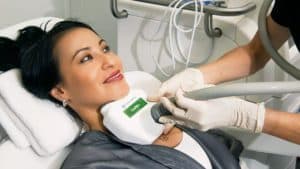
CoolSculpting is the brand name of the only non-surgical, FDA-approved method of cryolipolysis, or fat freezing. It’s approved to reduce fat cells in these nine areas:
- Under the chin
- Under the jawline
- The back
- The area between the breast and armpit (the “bra bulge” area)
- The upper arm
- The abdomen
- The flank (“love handles”)
- Under the buttocks (“banana roll” fat)
- The thigh
“Many people like CoolSculpting because it’s a great alternative to liposuction,” said Sleight. “Unlike with liposuction, no anesthesia is necessary, and patients don’t have to worry about infections, scarring or downtime. Plus, CoolSculpting is less expensive than liposuction.”
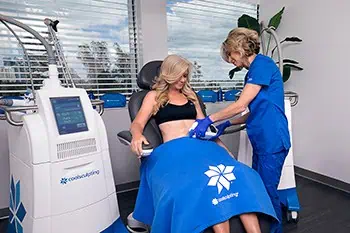
The procedure is fairly simple. After marking the area to be treated, the provider places gel pads over the skin to protect it, then uses a handheld device to suction fatty tissue into a “cooling cup.” The device is left in place for about 30 to 40 minutes. The cold temperature freezes the fat cells, which eventually destroys 20% to 25% of them. It doesn’t damage the skin or other organs, which are less sensitive to cold temperatures than fat cells. When the device is removed, the provider massages the area to soften the tissue.
Sleight recommends patients get a second treatment one month after the first for best results. Areas with larger pockets of fatty tissue may require additional sessions.
Does CoolSculpting work?
Sleight said her patients have been very happy with their CoolSculpting results. “Many of them come back to have other areas treated because they love the effects,” she noted.
Studies of CoolSculpting are limited, but according to one research review published in the Journal of Cosmetic Dermatology, most patients who underwent the treatment were highly satisfied.
You won’t see results overnight. That’s because it takes time for the fat cells to break down and be eliminated by the body. Most people will notice the improvement in two or three months, though some may notice changes in just one month, according to Sleight. Once the fat cells are eliminated from the body, they are gone forever.
Am I a good candidate for CoolSculpting?
CoolSculpting is for healthy adults who eat right and exercise but can’t get rid of stubborn bulges of fat. It’s not intended for people with a weight problem who want to lose weight.
“CoolSculpting reshapes your body, but it’s not a weight loss procedure,” Sleight explained. “You lose volume, sometimes even inches. Your pants will fit better, but you won’t see a difference on the scale.”
To be considered a candidate for CoolSculpting, your body mass index, or BMI, must be 30 or lower. Consult a BMI chart or BMI calculator to determine your BMI. As an example, a woman who is 5’5” and weighs 175 pounds has a BMI of 29.
Depending on the area you want to treat, the procedure may not be recommended for you if you are pregnant or lactating, you have a neuropathic disorder such as post-herpetic neuralgia or diabetic neuropathy, or you have a condition that involves an unusual reaction to cold temperatures, such as cryoglobulinemia, paroxysmal cold hemoglobinuria, cold urticaria (hives that result from cold exposure) or Raynaud’s disease.
Other conditions and circumstances may also make you a poor candidate for CoolSculpting.
Your provider will evaluate you during a consultation appointment to make sure CoolSculpting is right for you.
Does CoolSculpting hurt?
CoolSculpting can be uncomfortable at times, but the discomfort is tolerable. You may feel a tugging or pinching sensation when the fatty tissue is suctioned into the device, and the coldness can cause tingling and aching. These effects don’t last long since the area goes numb within 10 minutes.
The most uncomfortable part is the massage, Sleight said, but it takes only two minutes, and it’s not something you want to skip. “The massage is important because it helps kill fat cells that were only partially destroyed during the treatment.”
Is CoolSculpting safe?
CoolSculpting is generally a low risk procedure. Side effects such as redness and bruising are usually mild and temporary. In rare cases, patients have developed a complication called paradoxical adipose hyperplasia (PAH), a visible overgrowth of fatty tissue in the treated area. Liposuction is one option for correcting PAH, according to Sleight.
How long does CoolSculpting last?
CoolSculpting results are thought to last indefinitely as long as you continue to eat right and exercise. Two case studies published in the Journal of Cosmetic Dermatology followed patients for six and nine years, respectively, after the procedure and the effects hadn’t diminished.
Written by Jessica Brown, a health and science writer/editor based in Nanuet, New York. She has written for Prevention magazine, jnj.com, BCRF.org, and many other outlets.
Types of Facials: HydraFacial vs. Microdermabrasion Facial
Medically reviewed by: Shawna Sopher, Licensed Medical Aesthetician
Tired of dealing with rough-textured skin that makes you look older? Many types of facials can help skin look smoother, but if you’re looking for a more powerful, medical grade cosmetic treatment, a microdermabrasion facial or HydraFacial MD is the way to go. Dermatologists increasingly recommend a HydraFacial vs. microdermabrasion because it’s a gentler and more customizable method of skin resurfacing.
“Both treatments make your face look smoother by exfoliating the top layer of skin,” said Shawna Sopher, a licensed medical aesthetician at Water’s Edge Dermatology. “But HydraFacials are often preferred because they’re more effective at treating certain skin issues, such as hyperpigmentation. And unlike a microdermabrasion facial, HydraFacial MD is safe for nearly all skin types.”
Here are the details on both types of facial.
What is microdermabrasion?
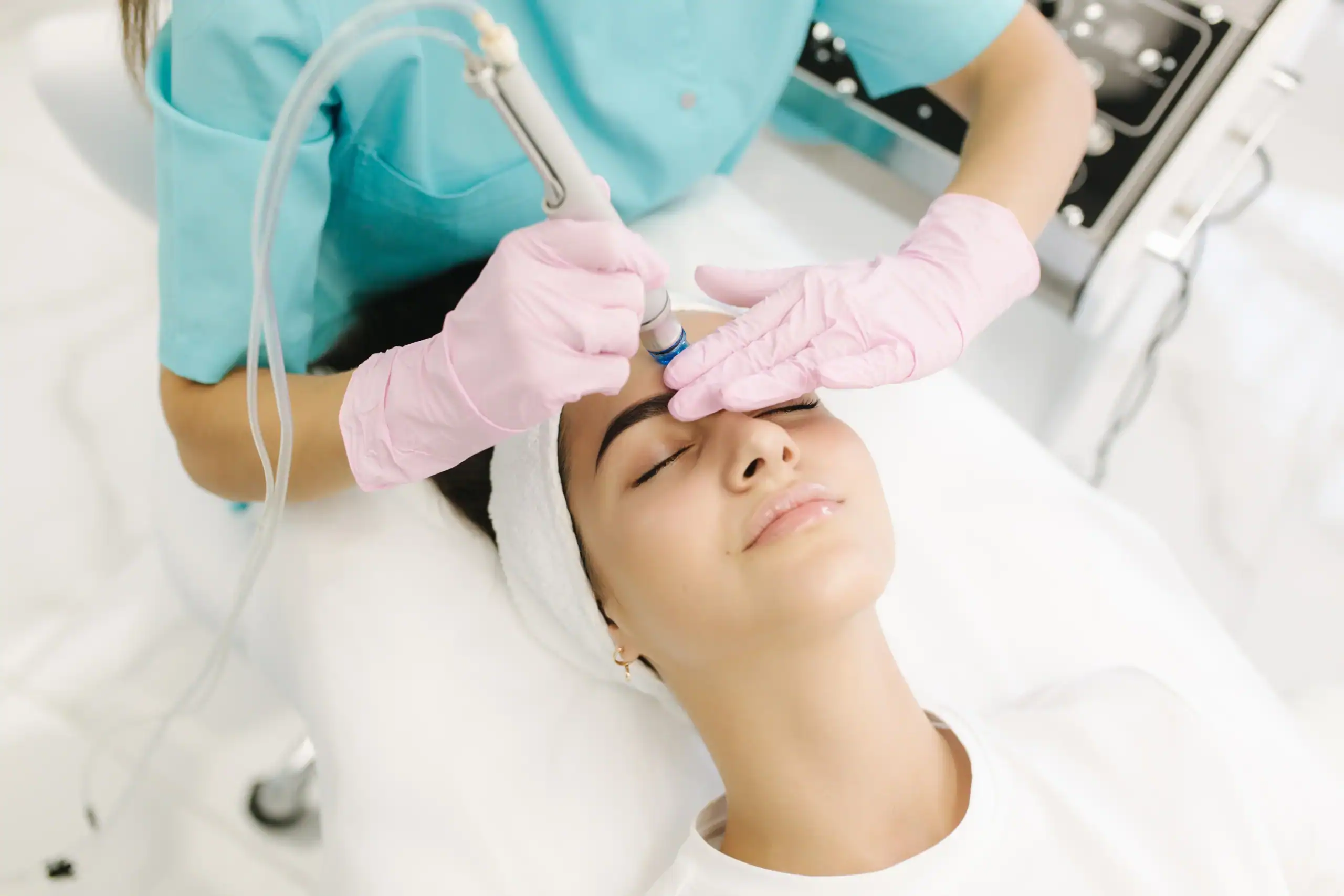
A microdermabrasion facial exfoliates the skin in a way that Sopher likens to sandblasting. During a treatment session, the provider removes the top layer skin with a pen-like device that has either a diamond tip that “sands” the skin or a tip that sprays fine crystals on the skin to dislodge dead cells. These devices also suction away the loosened cells as well as other debris that may be clogging your pores, such as dirt and makeup.
A microdermabrasion facial is a gentler version of dermabrasion, a more invasive exfoliation technique performed using a motorized wire brush or an instrument that has a diamond wheel with rough edges at the tip, called a burr. While microdermabrasion is gentler than dermabrasion, it’s still too abrasive for some people.
“Microdermabrasion isn’t recommended for anyone who has an acne breakout, rosacea, or thin, aging skin,” Sopher said. “Another downside is that the amount of suction can be too harsh and may cause broken blood vessels.”
Microdermabrasion benefits
The benefits of microdermabrasion include smoothing the skin, reducing fine lines, wrinkles, and enlarged pores, and improving the appearance of age spots, hyperpigmentation, and acne scars. However, according to Sopher, microdermabrasion is less effective against some of these problems, including hyperpigmentation, than HydraFacial MD.
What is a HydraFacial?
HydraFacial MD is a multi-step procedure that offers the benefits of microdermabrasion but relies more on chemical exfoliation than physical exfoliation. “It’s sort of a combination of microdermabrasion and a chemical peel,” said Sopher.
One of the advantages of a HydraFacial is that it does more than just exfoliate. During the first step, the provider uses a wand-like instrument to cleanse your skin and apply a peel that contains ingredients that exfoliate and hydrates, such as lactic acid and glucosamine. During step two, the wand delivers a combination of glycolic acid and salicylic acid to loosen dirt and debris that may be clogging your pores, which is removed using vacuum suction in step three. Last, the wand infuses your skin with peptides and hyaluronic acid so it looks plump and youthful.
HydraFacial benefits
As with microdermabrasion, the benefits of HydraFacial MD include smoothing the skin, reducing fine lines, wrinkles, and enlarged pores, and improving the appearance of age spots, hyperpigmentation, and acne scars. The combination of physical exfoliation and skin-brightening acids makes HydraFacial MD more effective at addressing issues such as dark spots, said Sopher.
A HydraFacial is also gentler on the skin than a microdermabrasion facial because the level of suction can be adjusted. Plus, the concentration of the acids can be customized. As a result, HydraFacials are safe for nearly every skin type. The lone exception is if you have an acne breakout that’s infected, but you can get a HydraFacial once your skin has healed.
“With a HydraFacial, you can also request add-on ‘booster’ treatments that are tailored to your skin concerns to enhance the results,” said Sopher. Examples include a retinol booster serum to minimize wrinkles and a vitamin C serum to make dark spots less noticeable.
HydraFacial vs. microdermabrasion: Downtime, follow-up sessions, and more
HydraFacials provide instant gratification. “Your skin looks dewy and pretty right away, whereas it may be little red and swollen following microdermabrasion,” said Sopher. Those microdermabrasion side effects usually resolve within a matter of hours, however.
For best results, both microdermabrasion facials and HydraFacials need to be repeated. Most people should get a HydraFacial every three to four months, but you can get them more often if you have oily skin. If you choose microdermabrasion, you can choose to get just one treatment before a special event to brighten and soften your skin, but if you want to tackle specific skin concerns, a series of five to 16 sessions is recommended. The sessions may be performed weekly, every other week, or once a month depending on how much time your skin needs to recover.
Both treatments take about an hour. The cost of microdermabrasion and HydraFacial MD is similar, though the price varies depending on where you live. Keep in mind that you may have a harder time finding a dermatology practice that offers microdermabrasion because many practitioners consider HydraFacial MD to be the superior treatment. Sopher, for example, no longer performs microdermabrasion.
Article Written By: Jessica Brown, a health and science writer/editor based in Nanuet, New York. She has written for Prevention magazine, jnj.com, BCRF.org, and many other outlets.