
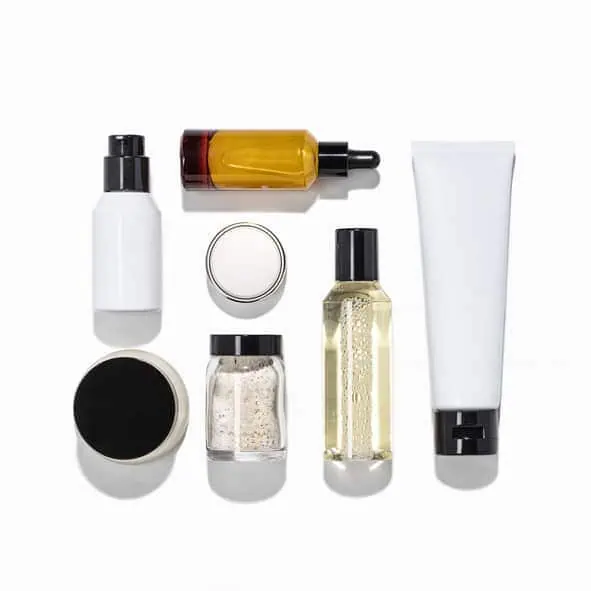
The Right Order for Applying Skin Care Products
Medical review by Candace Marin, APRN
You’ve probably put a lot of effort into figuring out the products your skin needs to be healthy. But if you’re using more than two skin care products, you may find yourself stumped about which one(s) to apply first. Knowing the correct answer matters more than you might think.
“There is a specific order you should follow to get the maximum benefits from each product,” said Candace Marin, an advanced practice registered nurse at Water’s Edge Dermatology.
“Generally speaking,” said Marin, “you should apply thinner products first because your skin won’t absorb them well if you apply thicker ones they can’t penetrate, such as sunscreen, beforehand.”
To get the best results from your skin care routine, Marin recommends applying products in the following order.
Morning routine
1. Cleanser
Naturally, you want to start with a clean face, but a surprising number of people skip cleansing, particularly in the morning.
“People just splash water on their face because they assume their skin doesn’t get dirty while they’re sleeping,” Marin said. “But how often do you wash your pillowcase and pillow? All the dirt and dust mites get onto your face overnight.”
RELATED: The Best Facial Cleanser for Your Skin Type
2. Toner
Toner isn’t essential, Marin noted. But if you like to use it, this is the point in your morning routine to do it.
“People who have oily skin are usually the ones who prefer to use toner, but anyone can use it to remove soap scum or dirt that may be left behind after cleansing,” she explained.
3. Vitamin C serum
Vitamin C serum provides a variety of benefits — reducing the appearance of sun spots, making wrinkles less visible, guarding against sun damage — but it can only deliver on these promises if it’s applied before heavier products.
“Vitamin C serum is very thin and can’t penetrate heavier products like moisturizer, so it would be pointless to use it any later in your routine,” said Marin.
You can apply vitamin C serum in the morning or at night. Marin recommends using it in the morning so you can benefit all day from the protection it offers against free radicals generated by sun exposure.
4. Spot treatments
Many spot treatments for acne, dark spots and scars have a thin consistency, so apply these before moisturizer and sunscreen. “Otherwise, you’re just creating extra barriers for spot treatments to get through,” said Marin.
If you’re using both a spot treatment and a retinol, apply the spot treatment in the morning and the retinol at night, Marin advised. Using them together can cause irritation. In addition, spot treatments that contain benzoyl peroxide decrease the effectiveness of some retinol/retinoids when they’re used at the same time. Differin (adapalene), an acne treatment, is one that is okay to use with benzoyl peroxide.
5. Moisturizer
Now that you’ve applied the thinner products, you’re ready for moisturizer. Apply it every day in the morning and at night.
“Look for a moisturizer that contains ceramides, which are particularly effective at providing hydration and locking it into your skin,” Marin said.
If your skin is dry or sensitive, opt for a cream instead of a lotion.
RELATED: Lotion vs. Cream vs. Ointment: Which to Use When
Moisturizer is important for everyone, even people with oily skin. It is a definite must if you’re using a retinol/retinoid cream because it can dry out your skin. For people with oily skin, a moisturizing lotion is preferred over a cream.
If you like using eye cream, you can apply it with your moisturizer at night. If you’re using eye cream to treat under-eye circles, however, apply it in the morning when you apply other spot treatments.
6. Sunscreen
As the thickest product of all, sunscreen should be applied last in your morning routine. Choose a broad-spectrum sunscreen with an SPF of 30 or higher.
If you prefer, you can use a moisturizer with SPF 30. But avoid this surprisingly common mistake: “Many people think they can use a moisturizer with SPF 15 and apply makeup with sunscreen with SPF 15 on top of it, but that doesn’t equal SPF 30,” Marin explained. “You won’t have enough protection from the sun.”
Evening routine
1. Cleanser
Follow your morning cleansing procedure.
2. Retinol/retinoids
If you use a retinol or retinoid product for wrinkles or acne, apply it in the evening, after you wash your face. (Retinol is milder and found in over-the-counter products, while retinoids are only available by prescription).
Retinoids increase cell turnover and therefore can lead to light sensitivity and dryness. They may be less effective during the day because sunlight causes retinol and retinoids to break down.
To avoid irritation, use the product every other night so your skin has a chance to adjust to it. If you don’t experience any side effects, such as burning, peeling or redness, you can apply it every night.
If your dermatologist prescribes a retinoid, he or she will likely advise you to use it just a few times a week at first.
3. Moisturizer
Apply moisturizer to seal in moisture overnight and help you wake up with healthier, better-looking skin.
Written by Jessica Brown, a health and science writer/editor based in Brooklyn, New York. She has written for Prevention magazine, jnj.com, BCRF.org and many other outlets.

Shingles Vaccine Side Effects and Other Vaccine FAQs
Medical review by Ted Schiff, MD
If you’ve ever had chickenpox, you’re at risk of shingles. That’s because the virus that causes chickenpox, varicella-zoster virus, lives in the body forever. Usually, it stays dormant, but occasionally it reappears later in life in the form of shingles.
Shingles might start with a burning or tingling sensation on the skin. From there it can progress to severe pain, headaches, and a rash. The illness can last several weeks. Some people who develop shingles go on to experience long-term nerve pain, known as postherpetic neuralgia.
If you know anyone who has had shingles, you’re probably motivated to avoid suffering a bout of it yourself. The shingles vaccine can help you do just that.
Who should get a shingles vaccine?
As the immune system weakens with age, the risk of shingles increases. That’s why the U.S. Centers for Disease Control and Prevention (CDC) recommends the shingles vaccine for most adults age 50 or older.
The CDC recommends vaccination even if you’ve had shingles before to help prevent another outbreak in the future, though most people who gets shingles only get it once.
If you’ve ever had a serious allergic reaction to a vaccine, consult with your primary care doctor before getting the shingles vaccine. Delay getting it if you:
- currently have chickenpox or shingles
- received the chickenpox vaccine in the previous eight weeks
- feel sick and have a fever
- are pregnant or breastfeeding
Not sure if you had chickenpox as a child? You can get the shingles vaccine anyway. But if you’d like to know for certain, you can take a blood test to see if you have antibodies to the virus. If you don’t, it means you never had chickenpox. In that case, ask your doctor if you should get the chickenpox vaccine instead.
When in doubt, ask your doctor about the timing of the vaccine, as well as the pros and cons of getting vaccinated.
Can I get a shingles vaccine and a COVID-19 vaccine?
You can get both vaccines, but not at the same time. Because COVID-19 vaccines are relatively new, there’s not enough data on how combining vaccines might affect the safety and effectiveness of either vaccine.
If you get one vaccine, the CDC recommends waiting 14 days before getting the other. But if you get them closer together, it’s fine to complete each series on schedule.
Which shingles vaccine will I get?
The Shingrix (recombinant zoster vaccine) is the only shingles vaccine currently in use in the United States. The U.S. Food and Drug Administration (FDA) approved Shingrix in 2017 for use in adults age 50 and over.
Shingrix is significantly more effective than Zostavax, a vaccine that was discontinued in 2020. If you previously had the Zostavax vaccine, you can still get the Shingrix vaccine.
You’ll get the injection in the muscle of your upper arm. Full vaccination takes two doses, spaced out two to six months.
What are the shingles vaccine side effects?
Side effects are par for the course as your body responds to the shingles vaccine. Some people are sidelined for two or three days. Younger adults are more likely to experience side effects than older adults since their immune systems tend to be stronger and react more robustly to vaccines.
Some people have side effects only after the second shot, while others experience reactions with both shots. Possible side effects include:
- redness or swelling at the injection site
- sore arm
- tiredness
- headache
- fever, chills
- upset stomach, nausea
Taking ibuprofen or acetaminophen can help.
Serious side effects are extremely rare and usually stem from an allergic reaction. If you experience hives, swelling of the throat or face, or trouble breathing, seek emergency medical care right away.
In March 2021, the FDA required a new warning label on Shingrix after one study found an increase in the risk of developing Guillain-Barré Syndrome within 42 days of receiving the vaccine. Guillain-Barré causes muscle weakness and, in some cases, paralysis. Most people fully recover, but some have permanent nerve damage. According to the FDA, the benefits of the vaccine outweigh the risks.
How long does protection last?
With two doses, Shingrix is more than 97% effective for adults aged 50 to 69, and 91% effective for people 70 and older.
Protection holds at more than 85% for at least four years, but many experts believe that the vaccine likely offers much longer protection. No booster shot is recommended at this time.
How much does the shingles vaccine cost?
Shingrex is covered by some health plans but not all. It is not covered by Medicare Part A or Part B. In most cases, it’s covered by Medicare prescription drug plans (Part D).
The cost may be covered under Medicaid or private insurance, but copays may apply. Under the Affordable Care Act, most health insurance policies must cover preventive care in full, and this includes vaccinations. Rules may differ based on age and provider network. Check with your insurer first so you won’t be caught off guard.
Without insurance, it can cost as much as $300 to get both doses. GlaxoSmithKline, the maker of Shingrix, offers vaccine assistance programs for those who qualify.
Where can I get a shingles vaccine?
You can get a shingles vaccine wherever you get other vaccines, including your doctor’s office or a pharmacy. Call your favorite pharmacy to find out if the shingles vaccine is in stock and whether you need an appointment to get one.
Written by Ann Pietrangelo, an author and freelance writer specializing in health and wellness.

Foot Melanoma: The Hidden Skin Cancer It Pays to Watch For
Medical review by Ted Schiff, MD
When you examine your feet, you’re probably more concerned about dry heels or nail problems than melanoma. After all, melanoma usually occurs in parts of the body that get a lot of sun exposure.
But foot melanoma — the skin cancer that killed reggae star Bob Marley — is real. And because they’re not looking for it, most people notice it too late, when it has already spread to other organs.
Foot melanoma can occur anywhere on the foot, including the top and bottom, between the toes, and even under a toenail. It can arise from an existing mole or from clear skin. It can strike any age group and is equally common in African Americans and Caucasians. For people of African or Asian descent, the feet and hands are the most common places for melanoma to develop.
No matter your skin color or age, the message is the same: Check your feet for melanoma.
What to look for
The signs are different depending on the type of foot melanoma, but be on the lookout for:
- A spot or growth that may be pinkish-red, brown, black, blue, white or some combination of these colors
- A new spot or growth that appears where you have injured your foot
- A sore that is slow to heal, does not heal or keeps coming back
- Pigment that spreads from a growth to the surrounding skin
- An open wound or sore that resembles a diabetic ulcer
- A dark vertical line under a toenail
Follow the ABCDE rule for evaluating skin spots and growths. Look for asymmetry (one side doesn’t match the other), an irregular border and changes in size, shape or color. A melanoma of the foot may feel tender, itch, ooze, bleed or become scaly.
Types of foot melanoma
Not all foot melanomas are the same. If you have foot melanoma, a dermatologist can determine which of these types it is:
Superficial spreading melanoma. This is the most common type of melanoma. When it affects the foot, it typically appears on the top. The spot or growth may be raised or flat and usually has an irregular shape. It may be tan, brown, black, red, blue, white or a combination of any of these colors. It gets larger before it penetrates deeper skin layers.
Acral lentiginous melanoma. This can develop on the sole of the foot or in the toenail bed. When it affects the sole, it looks like a flat, black or brown discoloration that gets larger over time. It may resemble a bruise or stain. When it develops in the bed of the nail (this condition is called subungual melanoma), it appears as dark vertical streaks. Subungual melanoma can cause cracks or breaks in the nail as it progresses.
Nodular melanoma. Nodular melanoma usually appears as a round bump or nodule. It’s usually black but can also be blue, gray, red or white. It may even be the same color as your skin. It spreads quickly. While anyone can develop nodular melanoma, it’s more common in people with light skin who are over the age of 65.
Amelanotic melanoma. This a rare form of melanoma. It appears as a raised growth that is often skin-colored, which makes it hard to detect. The growth may also be red or pink. The best way to spot it is to look for any raised growth that is new or has changed. Risk factors include having red hair, pale and/or sun-sensitive skin, freckles and a lack of moles on your back.
Foot Melanoma Treatment
Your doctor will recommend a treatment based on your overall health and the stage of your skin cancer.
If the melanoma is caught early, the doctor may be able to cut out (excise) the growth and surrounding skin during an office visit. If the melanoma is advanced, it may require chemotherapy, radiation therapy, and/or immunotherapy. If cancer has spread to the lymph nodes, the nodes may need to be removed.
The best way to avoid more invasive treatment is to notice the signs of foot melanoma as soon as possible and see your dermatologist right away.
Written by Jessica Brown, a health and science writer/editor based in Brooklyn, New York. She has written for Prevention magazine, jnj.com, BCRF.org and many other outlets.

Wrinkle Cream vs. Botox: Which Wrinkle Treatment Is Right for You?
Medical Review By: Denise Guevara, DO
To treat wrinkles, should you slather on the wrinkle cream or book a Botox appointment?
Understanding which types of wrinkles each one treats can help you make the right decision. For example, an over-the-counter or prescription-strength retinol or retinoid cream is noninvasive and cheaper than Botox. (Retinols are weaker versions of retinoids, which are available by prescription. Both are derivatives of vitamin A.) With continued use, you should see a reduction in wrinkles over a matter of weeks or months.
On the other hand, you may get faster, more dramatic results with Botox, which blocks nerve signals to the injected muscles, reducing the muscle activity that leads to wrinkles. With Botox, wrinkles are often reduced or eliminated within a week, and the treatment takes just 10 to 15 minutes.
But the truth is that Botox, while powerful, is not always more effective than wrinkle cream.
“The choice between using or getting Botox injections depends on whether you have static wrinkles or dynamic wrinkles,” explained Denise Guevara, DO, a board-certified dermatologist at Water’s Edge Dermatology.
Wrinkle cream for static wrinkles
Wrinkle cream is the better option for static wrinkles, according to Dr. Guevara. Examples of static wrinkles include neck wrinkles, wrinkles under the eyes and marionette lines, which start at the corners of the mouth and extend down to the chin.
Static wrinkles develop as a result of age-related skin changes. Over time, the body produces less collagen and elastin, proteins that keep skin plump (collagen) and firm (elastin). As levels decline, the face loses volume and the skin becomes thinner, which leads to wrinkled, sagging or crepe-y skin. Sun damage, pollution, smoking and vaping all speed up the process. Retinol creams help reverse it.
“Retinol diminishes the appearance of wrinkles and lines because it boosts collagen and elastin production, making your skin look more plump and youthful,” said Dr. Guevera.
It may take some time for your skin to get used to the active ingredient in these creams. If the concentration is too high, you may experience stinging, peeling, redness or dryness, especially if you have sensitive skin. Your dermatologist can help you choose the right concentration.
Dr. Guevara recommends using a retinol cream only three times a week instead of every day to avoid irritation.
Botox for dynamic wrinkles
Botox is the better choice for dynamic wrinkles. These are caused by repetitive facial movements such as smiling, frowning and squinting. When you’re young, dynamic wrinkles are temporary because elastin allows the skin to snap back into place. But as elastin declines, these lines eventually become permanent.
Examples of dynamic wrinkles include worry lines (vertical wrinkles between the eyebrows, also known as elevens), horizontal forehead wrinkles and smile lines (wrinkles that develop around the sides of the mouth).
Like static wrinkles, dynamic wrinkles can develop prematurely. Smoking, for example, causes people to squint and pucker their lips, creating dynamic wrinkles at the corners of the eyes (crow’s feet) and creases around the edges of the lips.
“Dynamic wrinkles can also form sooner in people who simply have very expressive faces, meaning their face moves more than average when they’re speaking or reacting to something,” noted Dr. Guevara.
Botox works for dynamic wrinkles because it temporarily paralyzes the facial muscles that cause them. Botox injections can treat existing wrinkles but also prevent dynamic wrinkles from forming. It’s a good idea to start getting Botox injections in your late 20s, according to Dr. Guevara. You may want to start even earlier if you have a particularly expressive face.
Still not sure which is the better option for you? Consult a dermatologist.
Article Written By: Jessica Brown, a health and science writer/editor based in Brooklyn, New York. She has written for Prevention magazine, jnj.com, BCRF.org and many other outlets.

How to Prevent Wrinkles While You Still Can
Medical review by Denise Guevara, DO
If your face is still as smooth as a baby’s bottom, you probably aren’t thinking about wrinkles. Unfortunately, everyone gets them eventually, partly because as the body ages, it produces less collagen and elastin, proteins that keep the skin firm and elastic.
But if you act now, you can delay the development of wrinkles and enjoy young-looking skin longer. Here, Denise Guevara, DO, a board-certified dermatologist at Water’s Edge Dermatology, shares her best tips for staving off these telltale signs of aging.
Use sunscreen daily
You probably know this, but it bears repeating: Wearing sunscreen is one of the best ways to prevent wrinkles.
“Exposure to the sun’s ultraviolet rays is one of the main causes of premature wrinkles because they damage collagen and elastin, among other harmful effects,” said Dr. Guevara.
Sunscreen plays a particularly large role in preventing wrinkles in people with fair skin. A study published in Clinical, Cosmetic, and Investigational Dermatology concluded that UV rays appeared to be responsible for 80% of signs of aging facial skin in Caucasian women. (The sun takes less of a toll on dark skin because the skin contains more melanin, which provides some natural protection.)
Regardless of skin color, everyone should wear a broad-spectrum sunscreen with an SPF of at least 30 every day, both to prevent wrinkles and to reduce the risk of skin cancer, Dr. Guevara noted.
RELATED: A Melanoma Warning for Millennials and Gen Z
Wear sunglasses
Wearing sunglasses protects the skin around your eyes from UV rays and guards against wrinkles by making you less likely to squint.
“Crow’s feet, which are the wrinkles that form at the outer corners of your eye, are dynamic wrinkles, meaning they develop as a result of repetitive facial movements such as squinting,” Dr. Guevara explained.
If you need regular prescription glasses, it’s important to wear those too in order to limit squinting. Be sure to get regular eye exams as well. You may not realize right away that your vision has gotten worse and that you’ve been squinting more than usual.
Quit smoking
Smoking and vaping cause premature facial wrinkling in several ways. They interfere with the body’s ability to produce collagen and cause blood vessels to narrow, which prevents nutrients from being delivered to the skin. Smoking is also a major contributor to dynamic wrinkles.
“When you smoke, you make repetitive facial movements, such as pursing your lips and squinting,” Dr. Guevara said. “Over time, this creates wrinkles around the mouth and eyes.”
Quitting smoking won’t reduce wrinkles that have already appeared, but it can prevent them from deepening.
Sleep on your back
If you regularly sleep on your side or stomach, you may develop more wrinkles than someone who sleeps on their back.
“Resting your face on a pillow creates compression, which reduces blood flow to the areas of your skin and neck that are in contact with the pillow, depriving them of nutrients,” said Dr. Guevara. “This causes wrinkles to develop on the affected areas as time goes by.”
Can’t sleep on your back? You can minimize compression by sleeping on a softer, bouncier pillow.
Use retinoids
These vitamins A derivatives are commonly used to reduce and prevent wrinkles by increasing collagen production.
“Retinoids are like insurance against future wrinkling,” Dr. Guevara said. “You can start using them in your 20s to prevent wrinkles, though some people begin applying them in their teens because retinoids are also an effective treatment for acne.”
Your dermatologist can prescribe a retinoid, or you can use an over-the-counter retinol product. Retinols are weaker versions of retinoids. The option you choose comes down to what your skin can tolerate. Retinoids are very exfoliating, so you may prefer retinol — and lower-concentration retinol at that — if you have sensitive skin.
Apply a moisturizer that contains hyaluronic acid
Almost any moisturizer can temporarily plump the skin and diminish the appearance of fine lines, but using a moisturizer that contains hyaluronic acid can also help prevent wrinkles. Not only is hyaluronic acid particularly effective at drawing moisture into your skin, but it also helps maintain the integrity of the outer layers of skin, but Dr. Guevara also explained. These layers referred to as the skin barrier, provide protection from external factors that contribute to premature aging, such as pollution.
You can start using a moisturizer with hyaluronic acid at any age, but it becomes increasingly important as you get older, as the hyaluronic acid that is naturally present in the skin decreases over time.
Neutrogena’s Hydro Boost products contain hyaluronic acid, as does wederm Pure Hydration hyaluronic acid serum.
Add vitamin C serum to your skincare routine
Vitamin C serum helps prevent wrinkles by protecting skin from damage caused by unstable molecules called free radicals. These are generated when skin is exposed to harmful elements, such as UV rays and pollution.
“Free radicals cause premature aging because they break down collagen and elastin in your skin,” Dr. Guevara said. “This leads to wrinkles as well as other signs of aging, such as sagging skin.”
Ideally, you should start using vitamin C serum when you’re in your early 20s. But if you’re older and have wrinkles already, vitamin C serum is recommended to help diminish their appearance.
Eat a well-balanced diet
Eating fruits and vegetables rich in vitamin C and other antioxidants can help stave off wrinkles.
“In addition to neutralizing free radicals, fruit and vegetables also have a high water content, and hydration plays a key role in making the skin look firm,” Dr. Guevara said.
Limit foods that contribute to premature aging, such as those high in sugar. When sugar combines with fats or protein in the blood, harmful compounds called advanced glycation end products, or AGEs can form. AGEs can accumulate in the skin’s collagen and elastin and interfere with their functioning.
Consider “preventive” Botox
Botox injections treat wrinkles by temporarily paralyzing certain muscles. That effect also helps prevent dynamic wrinkles such as crow’s feet and worry lines on the forehead.
“Even if your skin is still smooth and firm, you may want to consider getting Botox injections by the time you’re in your late 20s in order to start minimizing facial movements that contribute to dynamic wrinkles, such as grimacing and frowning,” Dr. Guevara said.
Written by Jessica Brown, a health and science writer/editor based in Brooklyn, New York. She has written for Prevention magazine, jnj.com, BCRF.org and many other outlets.

How to Embrace Skinimalism, the ‘Less Is More’ Beauty Trend
Medical Review By: Heather Brew, PA-C
Sometimes less is more. Maybe we don’t need to hide our skin under makeup or follow a complicated skin care regimen involving a dozen different products. That’s the thinking behind skinimalism, a minimalist approach to skin care and makeup.
What exactly is skinimalism?
“I think it's about going back to the basics when caring for your skin, but also loving your skin and how it is in everyday life,” said Heather Freeman, PA-C, a board-certified physician assistant at Water’s Edge Dermatology. “I think it's avoiding multiple products and layers of makeup, and being true to your authentic self."
That all sounds well and good, and easier on the piggybank to boot, but how can you feel comfortable enough in your skin to pare down your beauty routine and kiss the heavy foundation goodbye? Freeman offered these tips.
Go back to the big three
Start by going back to basics. A basic skincare routine involves exactly three products: a facial cleanser, a moisturizer and sunscreen.
The cleanser removes dirt, makeup and oil and helps keep breakouts at bay. The moisturizer minimizes water loss, which protects skin from irritants in the environment. Broad-spectrum sunscreen guards against UV damage that can lead to premature aging and skin cancer. (Freeman likes zinc and titanium as active ingredients.)
To fight free radicals caused by sun exposure, also consider a cream or serum containing vitamin C. “I personally like to use a vitamin C serum first and apply my moisturizer on top, then sunscreen,” said Freeman. When it comes to vitamin C, she noted, “You don’t need much.”
From there, you can add products designed to address specific issues that bother you — but there’s value in not going overboard.
“With too many skin care products, we worry about ingredients interacting, and we worry about irritation,” said Freeman.
Signs your skin care routine might be overly elaborate include dryness, redness or burning. “Often, patients come in and I say, ‘You're really irritated, what are you using?’ and they list 20 things. I say, ‘Let's start from the basics again. Let's start with one product at a time to figure out what works best for you.”
Freeman likens using too many skin care products to taking too many medications: Not only are interactions an issue, but some people get overwhelmed and use them incorrectly.
In other cases, she noted, using a multitude of products does work. “Some people do great with a lot of products, as long as they know what they're used for and how to use them.”
Zero in on your skin issues
If you’re concealing your skin because of acne, rosacea, discoloration or some other issue, talk to a qualified skin care provider about what products and treatments to try.
The provider can suggest over-the-counter or prescription topicals that gradually smooth the skin’s texture and improve acne, acne scars and hyperpigmentation (dark spots), three common reasons women wear foundation.
A vitamin C serum, for example, may be ideal for overall texture issues, hyperpigmentation, age spots and fine lines. Prescription glycolic acid or hydroquinone products are used to fight more serious hyperpigmentation. Creams, cleansers, wipes and sprays containing salicylic acid can make pores appear smaller. Certain topicals work to tamp down rosacea symptoms.
A provider can also suggest in-office treatments to help your skin look better bare. A chemical peel, for example, makes skin smoother and softer while minimizing the look of fine lines and brown spots. “Chemical peels have come a long way in the last few years,” said Freeman. Multiple strengths let you choose how aggressive you want to be.
Laser treatments are another option for diminishing wrinkles, discoloration and scars and reducing the appearance of pores. Laser treatment for rosacea is often effective for persistent redness and visible veins.
Get a natural glow
Why use makeup that gives you the look of glowing skin when you can have glowing skin for real?
Start by keeping your skin well moisturized and choosing your moisturizer wisely. A moisturizer that contains hyaluronic acid can plump the skin and give you a fresh, dewy look. Or add a few drops of a hyaluronic acid serum to your regular moisturizer.
Vitamin C, green tea and caffeine are other go-to ingredients. This soothing green tea and witch hazel mist can refresh tired-looking skin and soothe irritation, including irritation from wearing a face mask (wash your face after removing the mask). This multitasking moisturizer, which contains green tea, caffeine and the antioxidant resveratrol, is helpful for calming inflammation as well as diminishing the look of fine lines and pores.
If a healthy glow is your main objective, also consider a chemical peel.
Remember, the goal of skinimalism isn’t flawless skin, it’s natural-looking skin you feel good about.
“People do have imperfections, but we can work through them,” said Freeman. “There are ways to make you feel better about your skin besides covering it with makeup.”
Finally, resist the urge to try every product getting raves on social media. “There are many influencers suggesting different products, and a lot of times they're getting paid to do it,” said Freeman. “Just because a product is trending doesn't mean it's right for everyone.”
Article Written By: Marianne Wait, an award-winning health and wellness writer based in New Jersey.
What Is a PRP Facial and What Can it Do For Your Skin?
Medical review by Emmanuel Loucas, MD
Is your skin in need of a little rejuvenation? If you’re looking to brighten a dull complexion, tighten sagging skin or lessen the appearance of scars, wrinkles or sun damage, a relatively new treatment called a PRP facial, popularly known as a vampire facial, could be just the ticket.
What is a PRP facial?
PRP stands for platelet-rich plasma. In a PRP facial, plasma is taken from your own blood and then injected into your skin. That plasma is rich in platelets that contain proteins called growth factors.
“These growth factors stimulate fibroblasts, which are cells in the skin that produce collagen,” said Emmanuel Loucas, MD, a board-certified dermatologist at Water’s Edge Dermatology. “When you get PRP therapy, new collagen forms and plumps the skin, making it smoother and minimizing the appearance of fine lines, wrinkles and scars.” PRP therapy also boosts production of elastin, which increases skin’s elasticity.
PRP injections have been used for decades to help athletes heal from injuries. Only more recently have skin care providers begun using PRP injections for facial rejuvenation.
“Patients really like PRP therapy because it’s so natural,” said Dr. Loucas. “You’re being treated with platelets taken from your own blood.”
What to expect
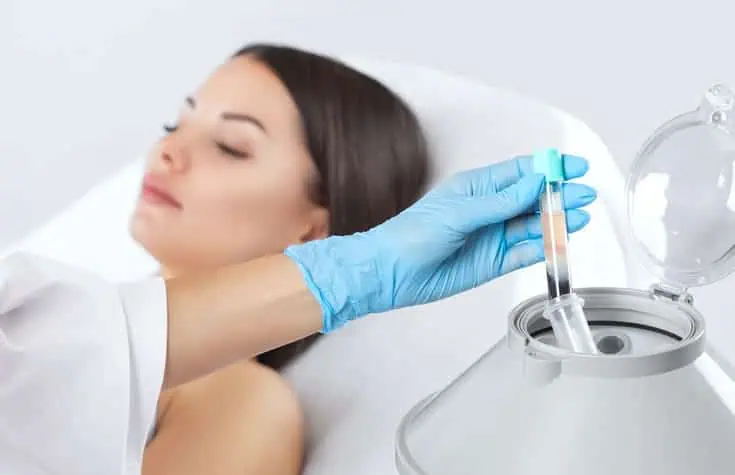
When you arrive at your appointment, the doctor will draw 1 to 2 ounces of blood by placing a needle in your arm. The needle contains a small amount of anticoagulant to prevent the blood from clotting, so it may sting a little, Dr. Loucas said.
The blood is placed in a centrifuge to separate it into various components. The plasma rises to the top, and the lower part of the plasma layer, which is especially rich in platelets, is what is used for the injections.
The number of injections depends on the size of the area treated, but at least a couple of dozen injections with a small needle are typically needed for best results. Don’t worry, topical and injectable anesthetics can be used to minimize any discomfort.
Microneedling with PRP
In some cases, your provider may recommend adding microneedling to your treatment. Microneedling with PRP is performed by spreading the PRP on the skin and using a dermaroller (which resembles a mini paint roller coated with tiny needles) to create shallow pricks in the skin. The PRP enters the skin through these pricks. Microneedling on its own also boosts collagen production.
Some doctors use both injections and microneedling. “Combining the two approaches can lead to better results because you’re triggering collagen production in both the dermis [the thick layer of skin beneath the epidermis] and the epidermis,” Dr. Loucas explained.
PRP facial downtime
Recovery from a PRP facial is brief. The treated areas of skin may be a little red at first, but the redness fades in a few hours. You may experience minor swelling for a couple of days. Microneedling may also cause slight bruising, which clears up within four or five days.
How many treatments are needed?
A full course of PRP therapy is three treatment sessions spaced eight weeks apart. Improvement builds over time as collagen production increases. You’ll see the most improvement several weeks after you’ve had all three sessions, but many patients say they can see a difference after just one session, according to Dr. Loucas.
To maintain optimal results, consider undergoing maintenance treatments every six to 12 months.
The best candidates for PRP therapy
PRP facials work best when the skin still has a fair amount of collagen in it, said Dr. Loucas. “PRP isn’t very effective once the skin is very thin and has lost elasticity.”
Most people can safely undergo PRP treatments. Those who have severe inflammation in the area to be treated from a condition such as eczema or psoriasis should wait until the inflammation is cleared. People with a severe immune system disorder should talk with their doctor before undergoing treatment.
Possible risks and side effects
Because it uses your own plasma, PRP treatment is generally safe and well-tolerated. While there’s a risk of infection whenever you puncture the skin, the provider takes steps to minimize it. Other risks include injury to the blood vessels or nerves, calcification at the injection site and development of scar tissue.
When it comes to choosing a provider for your PRP facial, training and experience counts.
“There is an art to performing PRP therapy, so you really want to see a knowledgeable provider who won’t administer it robotically,” Dr. Loucas. “That way, you’ll get the best results for your money.”
Written by Jessica Brown, a health and science writer/editor based in Brooklyn, New York. She has written for Prevention magazine, jnj.com, BCRF.org and many other outlets.
What Are the White Spots on My Skin?
Medical review by Rachelle Lacey, MD
White spots on the skin are usually a cosmetic problem. They can be just as noticeable and bothersome as dark spots, and they may itch, but in most cases they are harmless. That said, whenever you notice a change in your skin, it’s always smart to see a dermatologist.
Here are a few of the skin conditions that can cause white spots on the skin.
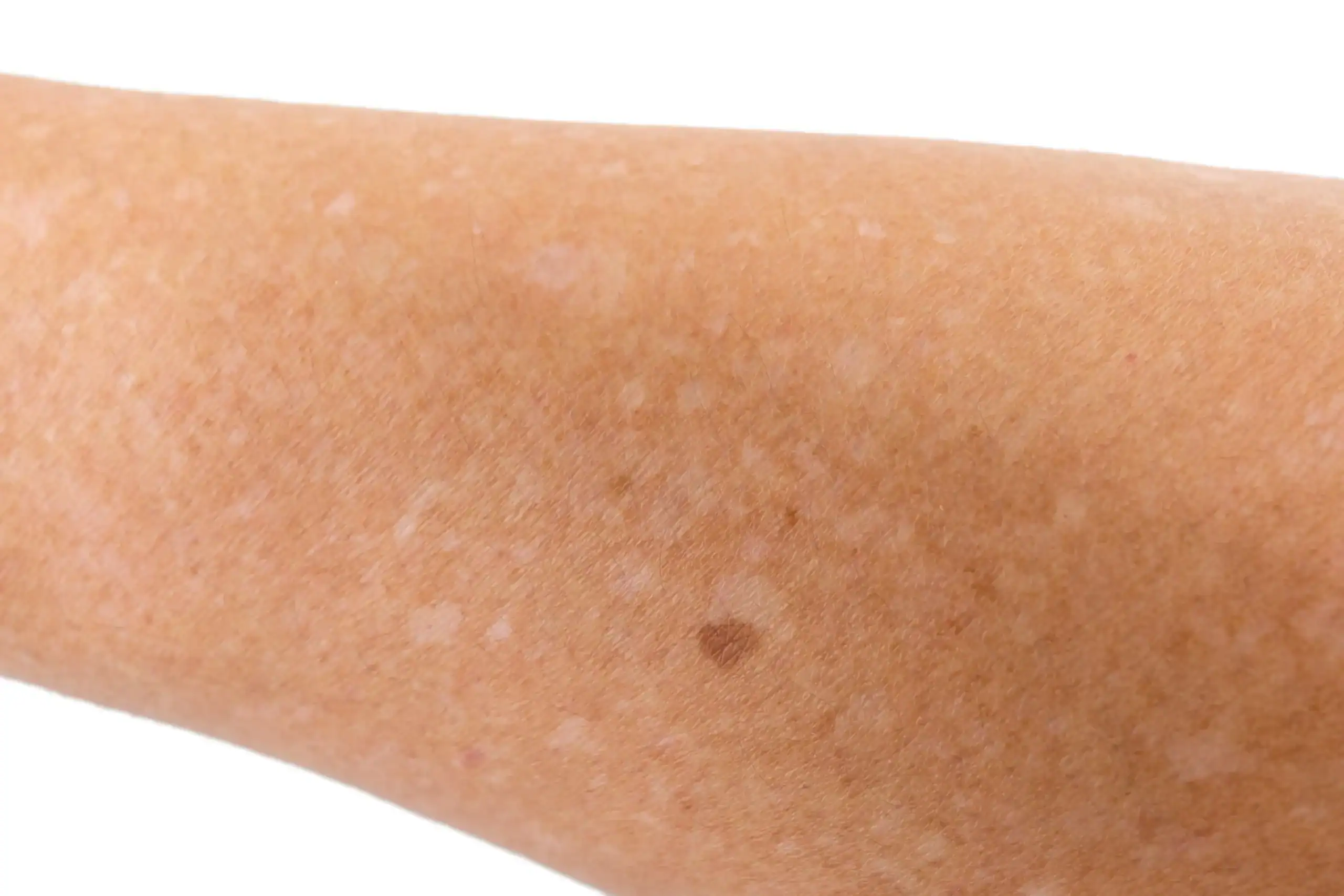
(Pictured above: Arm with idiopathic guttate hypomelanosis)
Idiopathic Guttate Hypomelanosis
Sometimes referred to as “reverse freckles,” idiopathic guttate hypomelanosis (IGH) is a condition in which small (1 to 5 millimeter) flat spots of white skin called hypopigmentedmacules develop. They commonly appear on sun-exposed areas, such as the legs and forearms. The risk of developing IGH increases with age; most people who have it are over 40.
The cause of IGH is unknown, though factors such as chronic sun exposure and genetics may play a role. People with fair skin are more prone to IGH, but the patches are more noticeable on dark skin.
How it’s treated: The macules are benign and don’t have to be removed. A consistently effective treatment has yet to be discovered. Cryotherapy is sometimes used, with mixed results. In some cases, the cryotherapy itself can cause light or dark spots. Practicing sun protection, including using a broad-spectrum sunscreen with SPF 30 or more and wearing protective clothing, can help prevent the spots from becoming more noticeable and also help prevent new spots from forming.
Milia
White spots in the form of hard, raised bumps could be milia, which are small, pimple-like cysts. Milia tend to occur in clusters on the face, usually around the eyes or on the forehead, but they can appear anywhere.
The bumps, which can also be yellowish, usually form when dead skin cells build up under the top layer of the skin. They are more common in people who have acne and blackheads. Other causes include an injury to the skin, such as a burn, sunburn or blistering rash, and using topical corticosteroids for a long period.
How it’s treated: Milia are harmless and don’t need treatment. They may go away on their own, but if they don’t, your skin care provider can remove them. (You can’t “pop” them like a pimple.) Treatment options include chemical peels, dermabrasion, laser ablation, deroofing (removing the top of the cyst with a needle or small scalpel and extracting the contents) and cryotherapy (freezing).
Tinea Versicolor
\Also called pityriasis versicolor, this fungal infection can lead to patches of skin that are whiter, pinker or darker than your normal complexion. It’s common in tropical climates. The fungus isn’t harmful and can be found on healthy skin. It becomes a problem only if it overgrows. Tinea versicolor can also cause itching and scaly skin.
The condition is more common in teenagers and young adults and typically affects the torso and shoulders. Triggers include hot and humid weather, oily skin, hormone changes and a weak immune system.
How it’s treated: Cleansing the affected areas with dandruff shampoo and using an anti-fungal cream or taking anti-fungal medication can help restore your normal pigmentation, though it can take several months after beginning treatment for the normal skin color to return. Tinea versicolor often recurs, so your doctor may recommend maintenance treatments to prevent it from coming back.
Pityriasis Alba
This chronic skin condition, which usually occurs in children and teens, causes round or oval patches that may be red or pink, turning whiter over time. The patches may be scaly and may itch. They most commonly develop on the face. The cause of the condition is unknown, though it may be a sign of a skin condition such as eczema. Pityriasis alba is associated with dry skin, asthma and allergic rhinitis (allergies).
How it’s treated: Pityriasis alba may go away on its own, though it can take several years to do so. Petroleum jelly or a moisturizer with emollients can lessen any scaling. If the skin is also inflamed, red and itchy, see your dermatologist. The doctor may recommend using a corticosteroid cream or a non-steroidal cream.
Vitiligo
People with this disease develop white patches on their skin that may enlarge over time. Vitiligo can affect anyone but is more noticeable on darker skin. Most people have non-segmental vitiligo, which affects both sides of the body and often begins on the feet, hands or around the eyes and mouth. Other types of vitiligo affect just one or a few body parts or may cover most of the body.
The loss of color occurs when cells that produce melanin, skin’s natural pigment, die or stop working. It’s not clear what triggers vitiligo, but it may be an autoimmune disease in which the body attacks its own pigment-making cells. Genetics may play a role. There is also an association between thyroid disease, diabetes and vitiligo. Sometimes, a severe sunburn, skin trauma or a period of severe emotional stress can trigger vitiligo or make it worse.
How it’s treated: Vitiligo doesn’t threaten a person’s physical health but it can cause emotional distress. There is no cure, but some treatments aim to restore normal skin color. These include anti-inflammatory creams, oral corticosteroids and forms of light therapy called psoralen plus ultraviolet-A (PUVA) and narrow band UV-B (NB-UVB). If other treatments don’t work, surgery in the form of skin grafting or pigment cell grafting may be a course of last resort. Treatments in the form of oral and topical medications known as a JAK inhibitor are available. These medications improve vitiligo by tamping down the immune system and blocking inflammatory pathways.
Lichen Sclerosus
This uncommon skin condition typically affects females before puberty or after menopause, though anyone can develop it. Small white patches develop and grow over time, usually in the genital and anal area, though they can appear on the upper body, breasts and upper arms. Other symptoms include itching, pain, bleeding, and blisters.
The causes of lichen sclerosus aren’t well understood, but it may be the result of genetics, an overactive autoimmune system, hormone imbalances or an injury that damages or scars the skin.
How it’s treated: If you suspect you have lichen sclerosus, see your doctor. Lichen sclerosus needs to be treated because the patches can scar and interfere with urination and sex. There’s also a very small chance that the patches could become cancerous. Corticosteroid creams and ointments are the most common form of treatment. Children who develop lichen sclerosus are often fortunate enough to outgrow the condition.
No matter the cause of your white spots, if they appear in areas that see the sun, reducing sun exposure and wearing sunscreen is critically important.
Written by Jessica Brown is a health and science writer/editor based in Brooklyn, New York. Her work has appeared in Prevention, Johnson & Johnson, the Breast Cancer Research Foundation and many more.
Lotion vs. Cream vs. Ointment: Which to Use When
Medical review by Jennifer Rivera, APRN
Creams, lotions, ointments — they’re all more or less the same, right? Wrong. If you use one moisturizing product for everything, you could be missing out on more effective treatment, whether you’re battling dry skin, oily skin, cracked heels, chapped lips, psoriasis, or other skin challenges.
To know when to use a lotion vs. a cream vs. an ointment helps to understand the differences. The ingredients vary, but all three are ultimately a combination of water and oil in different ratios. Those ratios determine how moisturizing they are, how well they prevent the body’s own moisture from evaporating from the skin, and how light or heavy they feel.
Lotion vs. cream
The main difference between a lotion and a cream is the water content, which also dictates the thickness.
Lotions
Lotions contain more water than creams and are, therefore, thinner. They are typically formulated with lightweight ingredients such as hyaluronic acid, which is hydrating and skin-plumping without leaving a residue or clogging pores, resulting in more frequent applications.
Uses: Lotion is best for people with normal to oily skin and those who live in warm, humid climates. Some lotions are oil-free. Lighter moisturizing ingredients, such as glycerin and hyaluronic acid, are used instead. These can be a good choice if you have acne-prone skin.
Tip: Because they contain more water, lotions require more preservatives. If your lotion irritates your skin, it could be the preservative. Try another brand, or switch to a cream. For best absorption, apply within 5 min of showering on slightly damp skin.
Recommended products:
- Elta MD UV Clear with Broad-Spectrum SPF 46 (Face: acne/rosacea/oily)
- Elta MD UV Daily Broad-Spectrum SPF 40 (Face: Normal/Combination)
- Wederm 15% Glycolic Body Lotion (body)
- Vanicream Moisturizing Lotion (face and body)
- Aveeno Daily Moisturizing Sheer Hydration Lotion (body)
- Eucerin Advanced Repair Lotion (Body and face)
Creams
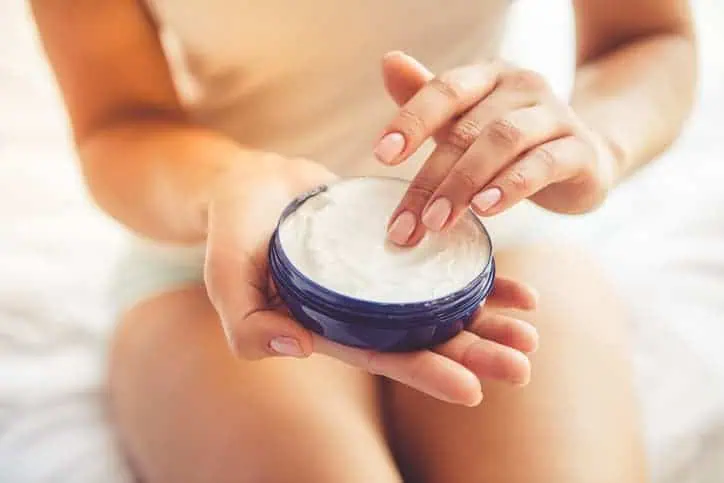
Creams are thicker than lotions because they contain more oil — typically, they are composed of about half oil and half water. They also contain heavier ingredients, such as lanolin and shea butter. Creams absorb into the skin less rapidly than lotions. Most creams come in a jar or a squeeze tube versus a pump bottle.
In addition to emollients (fats and oils that soften skin) and/or humectants (substances that hydrate the skin by attracting water from deeper layers), some creams contain occlusives, heavy ingredients that form a film, or barrier between the skin and the environment, which prevents moisture from escaping.
Uses: Reach for cream if you have dry skin, sensitive skin or you live in a cold or dry climate. Creams are also helpful for rough spots such as the elbows and heels and for dry hands. Because the skin produces less natural oil with age, many anti-aging face moisturizers come in cream formulas. Products intended to treat skin conditions such as rashes and eczema are also often creams.
Tip: Creams that contain ceramides, such as CeraVe Moisturizing Cream, help shore up the skin’s barrier function. If you’re developing irritation from wearing a face mask, try applying a cream that contains a ceramide before you put your mask on.
Recommended products:
- Wederm Restorative Lipid Replenishing Cream (face)
- Olay Regenerist Ultra Rich Moisturizer (face)
- Eucerin Original Healing Cream (body)
- CeraVe Moisturizing Cream (body)
- Eucerin Advanced Repair Hand Cream (hands)
Balms
Balms are thicker than creams but not quite as thick as ointments. Unlike creams, they don’t contain water. Their texture is typically paste-like or waxy. Beeswax is a common ingredient.
Uses: Lip and foot balm are among the most common balms. Many anti-chafing and blister-blocking products are available as balms.
Tip: For men with dry skin, beard balm is a great way to keep the skin under a beard moisturized.
Recommended products:
- Aveeno Cracked Skin Relief CICA Balm
- Aveeno Eczema Therapy Itch Relief Balm
Ointment vs. cream
Creams are thicker than lotions, and ointments are thicker still, and greasier. An occlusive such as mineral oil or petrolatum (petroleum jelly) is the main ingredient. Medicated products such as topical antibiotics often come in ointment form because ointments stay on the skin longer.
Uses: Ointments are beneficial for very dry, chapped or cracked areas of skin, such as dry heels and psoriasis patches. The ointment is also a good choice for people whose hands are very dry and chapped due to frequent hand-washing. For dry, chapped lips, ointments keep moisture sealed in longer than waxes or balms do. An ointment may be applied to a minor wound before a bandage is placed on it to help seal in moisture, which aids in healing.
Tip: If you find ointments too greasy to use during the day, use a cream during the day and an ointment at night, under a pair of cotton gloves or socks. For extreme hydration, an ointment can be applied under occlusion with the guidance of your healthcare professional.
Recommended products:
- Aquaphor Healing Ointment
- Vaseline Healing Jelly Original
- Vanicream Moisturizing Ointment
- CeraVe Healing Ointment
- Vaseline Lip Therapy
- Neosporin Lip Health Overnight Renewal Therapy
Written by Jessica Brown, a health and science writer/editor based in Brooklyn, New York. Her work has appeared in Prevention, Johnson & Johnson, the Breast Cancer Research Foundation, and many more.

9 Spring Skin Care Tips for a Post-Winter Glow
If spring has sprung, that means a break from the cold, dry winter air that may have turned your skin dull and rough. It’s the perfect time to undo the effects of the previous season and prep your face for warmer days ahead.
With a few simple steps, you can smooth and hydrate your skin to reveal a fresh new face.
- Exfoliate winter-worn skin. Use a gentle exfoliating face wash such as wederm Exfoliating Cleanser to remove dead skin cells and reveal the new cells beneath. Make small circles with your finger pads as you wash.
- Embrace hyaluronic acid for your face. A facial moisturizer with hyaluronic acid will attract water and give you dewy plumpness. Check out Neutrogena’s Hydro Boost products or wederm Pure Hydration hyaluronic acid serum.
- Consider a rejuvenating facial treatment. A chemical peel will slough off dead skin, fade age spots and allow a newer, brighter layer of skin to shine through. Another option is a HydraFacial treatment which exfoliates the skin and reduces fine lines and wrinkles. Make an appointment with a dermatologist or cosmetic dermatology provider to determine which treatment will best suit your skin type and concerns.
- Switch from a cream to a lotion. If you’ve been using moisturizing cream on your body, it may be time to switch to a moisturizing lotion, which is lighter, unless your skin is very dry or sensitive. A cream is still ideal for rough areas such as the feet.
- Spring clean your makeup and skin care products. Discard any products you typically use in cold weather that will be past their prime next winter. You should also toss any sunscreen that is more than three years old or is expired. Throw out any makeup that’s almost used up, especially mascara and lipstick, as these can harbor bacteria. Wipe down the inside of your makeup bag or run it through the laundry if it’s machine washable. Wash your makeup brushes and sponges, too.
- Break out the sunscreen and lip balm. You need sunscreen year-round, of course. It’s also smart to use lip balm with 30 SPF or higher to prevent chapped lips and lip cancer. If you didn’t use it throughout the winter, start using it now. Consider a tinted lip balm for a seasonal pop of color.
- Update your wardrobe. If buying a new wide-brimmed hat and fashionable sunglasses will inspire you to wear them, it’s well worth the investment. When it comes to sunglasses, the bigger the frames, the better.
- Eat your fill of fresh produce. In spring, grocery stores and farmer’s markets are bursting with skin-nourishing fruits and vegetables. Foods rich in vitamin C, such as lemons, broccoli, kiwis and bell peppers, promote collagen production, which helps keep skin from sagging. Cherries and most berries are rich in anthocyanins, pigments that pack antioxidants and benefit the skin in a rainbow of ways.
- Drink more water as the temperature rises. The body needs more fluids when you sweat. While drinking more water won’t plump your skin unless you are severely hydrated, it will help your body flush toxins and could lead to a clearer complexion.
Written by Maura Rhodes, a New Jersey-based writer and editor specializing in health and well-being.