

Ten Tips for Super Spring Skincare Routine
Spring is a time for reawakening, rebirth and renewal – including for your skincare routine! If you’re wondering what updates to make, and which cosmetic treatments can work a little extra magic in combination with a spring-freshened skincare routine, read on.
Winter to Spring Skincare Transition
The winter months are dehydrating for your skin. It’s not uncommon for your outermost layer of skin (epidermis, and you knew that, right?!) to appear dull, rough, even raw. Think of what happens when you dry out a plump and juicy plum. Yup… prunes.
In similar fashion, when stripped of moisture your skin tends to shrink and wrinkle. That’s fine for a plum, not so hot for your face. Staying well-hydrated inside and out is an important baseline for spring skincare.
Take heed of some of the following tips too, and you'll have your gorgeous, youthful glow back in no time.
Ten Tips That Can Help
-
- Spring cleaning of your skincare supplies: Throw out old makeup and other skin products and refresh your bathroom shelf.
- Reboot your cleansers: Use moisturizing cleansers to hydrate winter-dried skin. Products with vitamins A, E, C work best when used with warm and not hot water.
- Lighten up: Revise that winter skincare routine for spring by using fewer products overall. Swap heavy creams for lightweight moisturizers with an SPF 30 or more.
- Exfoliate: Once a week, remove dead skin cells to help get all your glow back where it belongs. This also helps your moisturizers penetrate and benefit your skin.
- Wear sunscreen daily without fail: With longer days and stronger sunshine, you have to be more careful than ever to use daily SPF 30+ moisturizer. Using lightweight moisturizer with the sunscreen already included is a good option.
- Eat your way to restored elasticity: Promote collagen formation with foods rich in Vitamin C. Oranges and other citrus, broccoli, kiwis and peppers, all great choices. Foods with the bioflavonoid anthocyanins, such as cherries, and most berries, also help promote collagen levels and elasticity.
- Account for allergies: Facial fallout from seasonal allergies can wreak havoc with even the most seasonally fine-tuned skincare routines. Talk to your favorite dermatologist about impact and treatment for springtime allergies, which cause redness, inflammation, under-eye bags.
- Soothe and comfort your skin: Soak in a warm bath with Epsom salts and/or soothing natural botanical ingredients. Maybe a massage with using therapeutic body oils to slough off dead skin and flush out toxins? You get the idea!
- Consider a cosmetic peel or other rejuvenation treatment: Spring is a great time to get a seasonal-specific chemical peel or other aesthetic treatment. Best to do that with a licensed aesthetician in a dermatologist’s office. These treatments can be game-changers, sloughing off dead skin, brightening the fresh new layer, and reducing age/brown spots.
- Find & wear the right hats: Can't hurt to make a little shopping part of your new spring skincare routine. Look for wide-brimmed, fashionably fun hats that will protect as much of your head and neck as possible.
In addition to the tips above, consultation with an aesthetic medicine specialist will give you great options for treatments best-suited to your individual skin type this spring. There’s an exciting new range of aesthetic treatments available to help you put your best face forward, right through Labor Day and beyond.
Working in partnership with your dermatologist and/or aesthetic medicine specialist, here’s to hoping your skincare routine gets the “Spring Awakening” it needs and deserves this year!

Finding Your Family’s Perfect “Skincare Partnership”
Skin problems can begin appearing during infancy, and continue right into old age. That’s why it’s well worth establishing a lifelong “skincare partnership” with the best dermatology practice within your ongoing, convenient reach.
When Benjamin Franklin famously said “An ounce of prevention is worth a pound of cure”, chances are he wasn’t referring to healthy skin. But given how preventable, detectable and treatable most skin disorders and diseases are, he might as well have been.
That’s one big part of having a professional skincare partnership. As you and your family age, the skin issues and challenges facing you keep changing. A great dermatology practice will be by your side throughout. Educating and assisting with preventive care; putting knowledge of each family members’ medical history to good use when needed to develop customized treatment plans.
As with other organs in our human bodies – but on a larger scale because it’s our largest human organ – our skin goes through different stages of development and vulnerability as we age. Getting ongoing, age-appropriate information about a variety of age-specific skin conditions promotes prevention and early detection of skin disease. And that can be life-saving.
Throughout childhood and adolescence, having a qualified partner in skincare can be a game-changer. From molluscum contagiosum in young children to acne in teenagers; from “chicken skin” to warts, hives and assorted rashes… knowing how to prevent such skin conditions and getting personalized treatment for them when needed saves a whole lot of hassles, and heartache.
As we grow into adulthood and then hopefully old age, skincare challenges persist. Our skin gets thinner, and drier. There’s less elasticity and more sagging, as at first fine facial lines and then deeper wrinkles appear. Hormonal changes and challenges can cause adult acne and other skin troubles. And the stress and lack of sleep so many adults endure can cause a wide range of skin disorders.
With such skin vulnerability throughout our lives, it’s undeniable that a skincare partnership with a leading dermatology practice such as Water’s Edge Dermatology can only help you and your family cope — especially in Florida, “The Sunshine State”.
For one thing, WEderm is an undisputed leader in state-of-the-art skin cancer diagnosis and treatment at more than 30 local community offices.
For another very cool thing, when WEderm is your partner, you also have an incredibly effective range of cosmetic and aesthetic anti-aging and beauty-enhancing services at your disposal.
By now, you likely know that exposure to UV rays from sunlight or artificial devices such as tanning beds is the leading cause skin cancer.
The occurrence of skin cancer and its deadliest form, melanoma, doubled from 1982-2011. Upwards of 50 percent of us reaching age 65 will have had at least one occurrence of Basal Cell or Squamous Cell Carcinoma.
A single blistering sunburn in childhood or adolescence can almost double the risk of melanoma. Five before age 20 can raise the risk by 80 percent.
And another American dies from melanoma every 54 minutes.
Statistics don’t lie.
Best defense (alongside faithful sunscreen usage)?
Establish an ongoing relationship with a premiere dermatology practice. One that’s committed to both preventing skin cancer, and to being equipped with the best possible practitioners, technologies and treatment options to beat it whenever necessary.
Whether it’s the scourge of skin cancer, or the more common skin problems that plague so many of us from childhood into adulthood and old age… finding the right skincare partnership and sticking with it will help you and your family achieve and maintain the healthy, beautiful skin you want, through every age and stage of life.

What is Seborrheic Dermatitis?
Dermatologists are typically thought to be concerned solely with skin disorders, such as acne and skin cancer, two of the most common skin problems today. For that reason, it may seem strange to learn that dermatologists clinics often treat dandruff and other problems of the scalp, including hair loss. In certain cases, dandruff may be a symptom of a relatively common skin problem called seborrheic dermatitis, which is characterized by scaly patches and red skin, typically on the scalp, face, chest and back. While not a threat to a person's overall health, seborrheic dermatitis can be extremely uncomfortable and embarrassing, causing many people to visit dermatologist specialists for seborrheic dermatitis treatments.
First Steps
If you suspect you have seborrheic dermatitis, doctors typically recommend that you try a number of basic care methods to attempt to reduce your symptoms before seeking out help from a dermatologist. If the affected area is on your skin, for example, a nonprescription antifungal or anti-itch cream may help reduce your discomfort. Likewise, if your scalp is affected, an antifungal shampoo may be helpful. You should also try to avoid itching or picking at the rash, as aggravating seborrheic dermatitis increases your chances of infection. If you try these basic care techniques for several weeks and notice no positive improvement, you should then schedule an appointment at a local dermatologist clinic to discuss your skin condition.
Diagnosis and Treatment
Once you see a dermatologist, they will most likely begin the process by officially diagnosing your skin condition. Because the symptoms of seborrheic dermatitis are extremely similar to psoriasis, eczema and rosacea, this is the best way to ensure you will receive an effective treatment. If you are diagnosed with seborrheic dermatitis, your dermatologist will most likely prescribe a variety of antifungal treatments, such as creams, shampoos, ointments or pills; in some cases, you may receive a biologic, bacteria-fighting medication similar to a popular treatment for psoriasis. In serious cases, however, seborrheic dermatitis treatments will include medications that affect your immune system, or different forms of light therapy. One type, called PUVA treatments, combines psoralen and ultraviolet radiation to treat especially prevalent cases, but may not work on patients with thick hair.
Out of the many different skin conditions a person can develop over the course of their lives, seborrheic dermatitis is relatively minor, but can still be extremely irritating and embarrassing. For that reason, it is important to seek out seborrheic dermatitis treatments to get your skin disorder under control as quickly as possible. Consider trying some antifungal topical treatments and scheduling an appointment with a local dermatologist today!
New Treatments May Offer Effective Results For Patients With Psoriasis
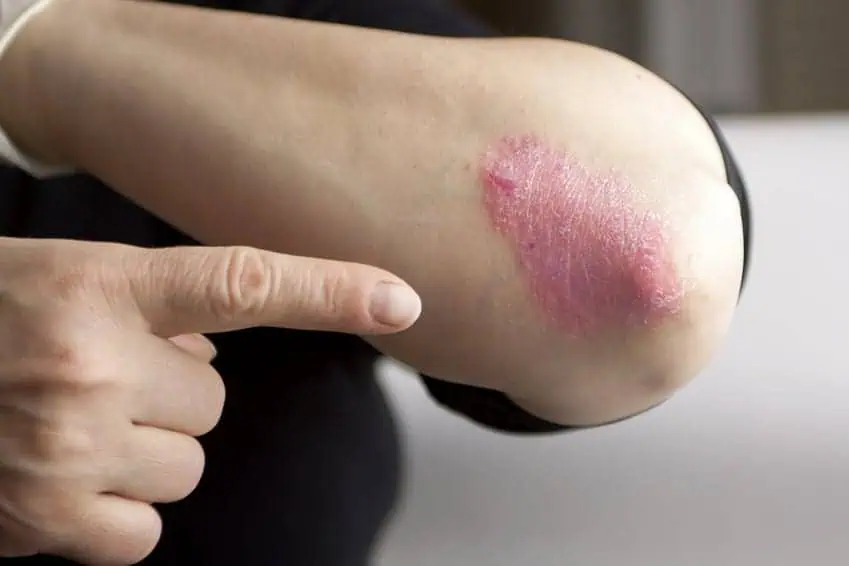
When it comes to common skin conditions, people are likely to think of acne or skin cancer, two problems often treated by dermatology and skin cancer specialists. But while around 40% of teenagers will develop acne, and more than 2 million people are diagnosed with nonmelanomic skin cancer every year, another popular skin condition deserves attention: psoriasis.
There are a number of different types of psoriasis, but the disease is typically distinguished by red, irritated patches on the skin and nails. In at least one form of the disorder, it can be difficult to tell the difference between psoriasis and seborrheic dermatitis, another irritating skin condition which targets the scalp and ears. Fortunately, once the disease is diagnosed, dermatologists can utilize a number of topical treatments, pills or injections, and light therapies to treat the irritation and skin patches. Biologic medications may even be used to treat severe or disabling cases. And therapies continue to improve and innovate: recently, a Swiss pharmaceutical company announced that one of their products has been shown to be effective at treating moderate to severe psoriasis.
Novartis, a multinational company based in Switzerland, recently presented their study on a product called secukinumab to the European Association of Dermatology and Venereology Congress in the Netherlands. Secukinumab is designed to treat plaque psoriasis, the most common form of the disorder, which features inflamed, scaly, red skin. Currently, the treatment is being touted as an effective way to improve psoriasis symptoms, improving and preventing joint damage, and importantly showing no negative impacts on patient health. And while this product likely won't be available to dermatologist clinics and doctors for some time, Novartis's recent presentation is only the most recent step towards having the medication accepted as a treatment: previously, the company submitted secukinumab to regulatory organizations in both the United States and Europe.
Due to the discomfort, joint damage, and unappealing appearance of the many different types of psoriasis, getting proper treatment is typically very important to patients who want to live life comfortably and without undue anxiety. While treatments like secukinumab are still being tested for their effectiveness and safety, there are a variety of other treatment options which can be prescribed by a dermatologist. If you or a loved one is suffering from the effects of psoriasis, schedule an appointment at a dermatologist clinic today to discuss how best to treat this common skin condition.
Sunscreen is Beauty’s New Best Friend
We all know sunscreen is an important step in protecting yourself from skin cancer and those painful sunburns. But did you know there is a new reason to slather it on? Water’s Edge Dermatology wants to encourage you to take a couple minutes to reapply sunscreen and make your skin look younger. The National Health and Medical Research Council of Australia funded a study to look for the truth in sunscreen use and dietary supplements such as beta-carotene. After reading their findings, you’ll be searching for that sunscreen bottle.
The researchers down under found more than 900 people under the age of 55 to either slather on sunscreen as per instructions or to keep up their usual routine. They were also given either a beta-carotene supplement or a placebo to test out the effects of dietary supplements meant to prevent skin damage and aging.
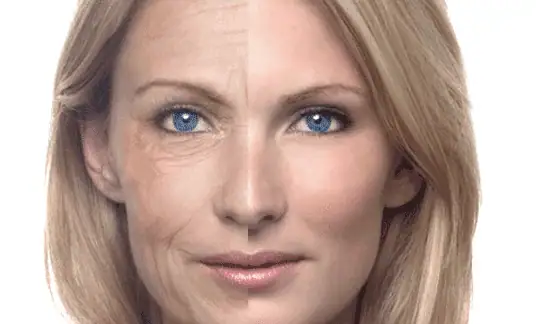
After four years of keeping track of all these people’s sunscreen regimen, researchers found that regular sunscreen use does slow the aging of skin while the beta-carotene supplement had no overall effect. The people who reapplied sunscreen on the hour and after getting wet were 24% less likely to show increased aging.
The main reason is the ability of UV-A rays to break down the collagen and elasticity of skin. Collagen isn’t only used to make your lips pouty, it holds your skin together and keeps it looking young. When collagen can’t do its job because of all the UV-A exposure, your skin begins to lose the battle for elasticity and a youthful experience.
So, even if it takes a couple minutes out of your day here or there, try to reapply whenever you can. Water’s Edge even sells non-oily sunscreen. Not only will it help prevent skin cancer, it’ll keep you looking pretty for longer.