
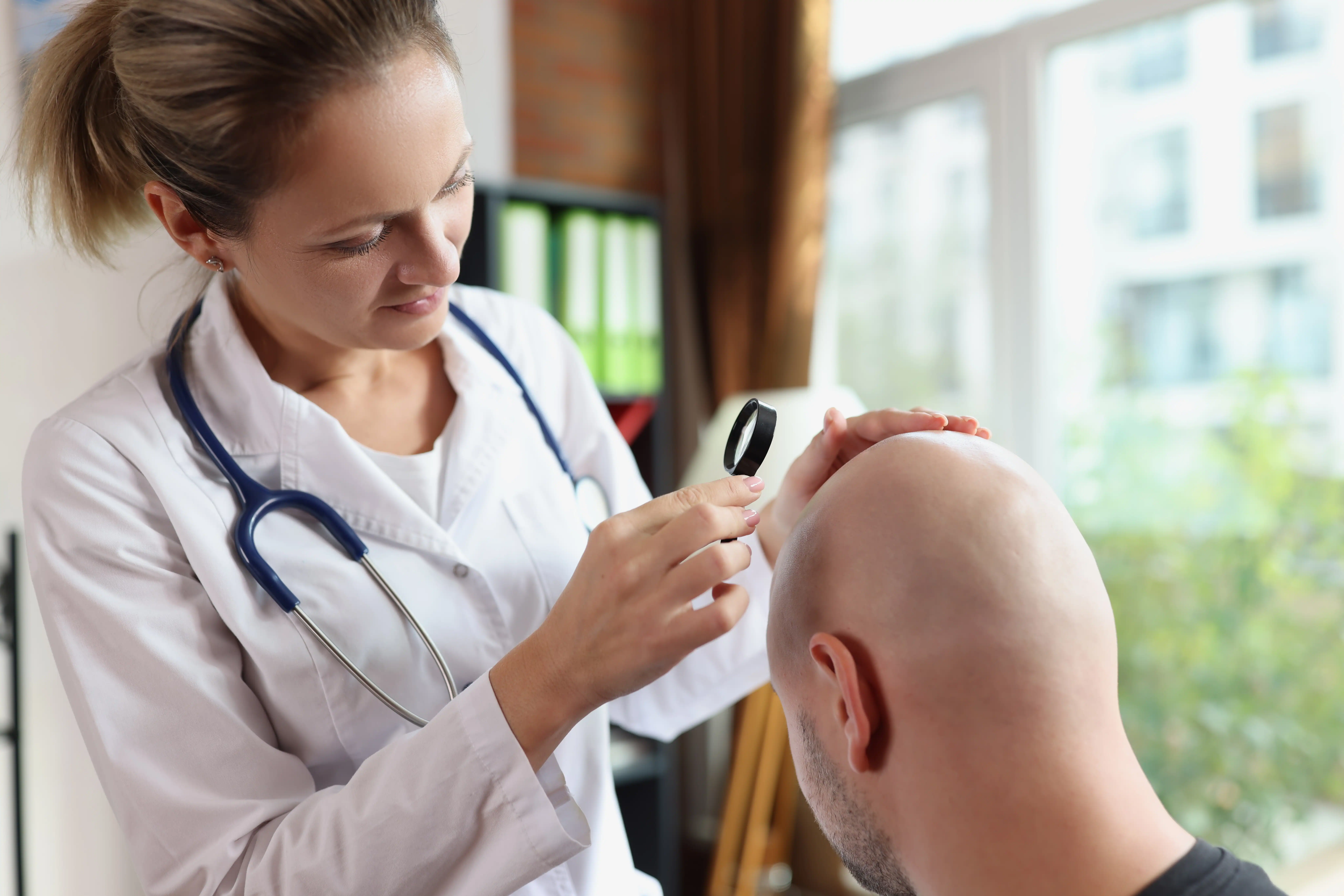
What Is a Nurse Practitioner and What Do They Do?
Medical Review By: Dr. Ted Schiff
Many dermatology practices are staffed with multiple types of providers, including board-certified dermatologists, physician assistants, and nurse practitioners. What exactly is a nurse practitioner, and what are they qualified to do?
Unlike a registered nurse (RN), a nurse practitioner can diagnose and manage health conditions. RNs have an associate degree or bachelor’s degree in nursing, but NPs complete additional training and get an advanced degree — either a Master of Science in Nursing or a Doctor of Nursing Practice. They can prescribe medication and, depending on the state, work without a doctor’s supervision.
A nurse practitioner is a type of advanced practice registered nurse, or APRN. Water’s Edge Dermatology is proud to have many APRNs who specialize in dermatology on staff. They play an invaluable role in treating and educating patients.
Types of nurse practitioners
Nurse practitioners get one of several specialty certifications. Most NPs are family nurse practitioners, who care for patients of all ages. Other specialties include acute care, adult health, geriatric health, neonatal health, pediatric/child health, psychiatric/mental health, and women’s health.
Once they are licensed, NPs can pursue extra training in a sub-specialty if they want to focus on a particular area of medicine, such as dermatology, endocrinology, orthopedics, gastroenterology, or cardiovascular health.
Services nurse practitioners provide
Nurse practitioners can diagnose and treat acute and chronic medical conditions. For dermatology nurse practitioners, these might include severe sunburns, boils, acne, rosacea, eczema, psoriasis, cysts, warts, atypical moles, and skin cancer. They can order, perform and interpret tests. A dermatology nurse practitioner might order skin biopsies, for example, as well as screen patients for skin cancer.
NPs can also perform treatments. A nurse practitioner in a dermatology practice might perform minor skin excisions (for mole removal, for example), extractions and cryotherapy, and/or administer cosmetic treatments such as Botox injections, dermal fillers, laser treatments, and peels.
Finally, nurse practitioners teach patients healthy lifestyle practices, such as proper skincare, and educate them about disease prevention.
How to become a nurse practitioner
In most cases, candidates must have a bachelor of science in nursing (BSN) and then complete a Master of Science in Nursing (MSN) program or a Doctor of Nursing Practice (DNP) program to become an NP. People who have an Associate’s Degree in Nursing (ADN) but not a bachelor’s degree can enroll in an accelerated RN-BSN program or an ADN-to-MSN program.
Advanced nursing degree students take classes in subjects such as advanced health evaluation, ethics, and pharmacology, and they participate in clinical rotations to gain hundreds of hours of patient care experience. Candidates then take an exam administered by an accredited certifying body such as the American Academy of Nurse Practitioners Certification Board to become a nationally certified NP.
Nurse practitioners who want to specialize in dermatology can pursue a certified nurse practitioner (DCNP) credential. There are a few ways to do this — by entering a post-master’s-degree program, taking continuing education courses, or training on the job under a board-certified dermatologist or a highly skilled dermatology NP. To take the Dermatology Nurse Practitioner Certification Exam and earn a DCNP, nurses must have at least 3,000 hours of general dermatology practice. DCNPs must earn continuing education credits and be recertified every three years.
: Jessica Brown, a health and science writer/editor based in Nanuet, New York. She has written for Prevention magazine, jnj.com, BCRF.org, and many other outlets
Medical Review By: Dr. Ted Schiff

The ABCDE Rules of Melanoma
The fun and sun of summer is knocking at the door, but so is the deadliest result of too much sun – melanoma. That’s why catching and treating it early is the key to battling and even curing melanoma.
Melanoma is tricky. It can start on the surface of the skin, under a nail or even in the eye. Once it gets started growing, it can grow deep into the skin and spread through the body. That’s what makes it so dangerous.
Anyone can get melanoma, regardless of age, sex or skin color. People with certain risk factors should be especially persistent about getting regular skin checks for melanoma and other skin cancers by a dermatologist.
Melanoma Risk Factors
People with these risk factors have a higher probability of developing melanoma:
- Fair, sun-sensitive skin that burns easily or tans poorly
- Red or blond hair; Blue or green eyes
- Have 50 or more moles
- Unusual or irregular-looking moles that are typically large in size
- A history of sunburns or indoor tanning bed use
- Blood relatives who have or had melanoma
- Immune system weakness due to disease, organ transplant or medication
- History of melanoma or another skin cancer
- Age 50 or older
What to Look For
A common warning sign of melanoma is change. Melanoma often begins in or near an existing mole. A change in the shape, color or size of a mole can be a warning sign of melanoma. Also be aware if a mole becomes painful or begins to bleed or itch.
Some melanomas develop suddenly and without warning. Regular skin self-exams can you identify these changes.
The ABCDE Rules of Melanoma
Make sure you are doing regular skin checks. Look for moles and other spots on your skin and apply the ABCDE rules listed below. During a skin self-exam, keep in mind that moles are typically uniform in color, round or oval and have a well-defined border. Though melanomas can vary greatly in appearance, most tend to have one or more of these ABCDE traits, and some have several.
 |
 |
 |
 |
 |
| A = ASYMMETRY One half is different than the other half |
B = BORDER Irregular, scalloped or poorly defined border |
C = COLOR Varied from one area to another with shades of tan, brown, black and sometimes white, red or blue |
D = DIAMETER Melanomas are usually wider than a pencil eraser, but they can be smaller |
E = EVOLVING A mole or skin lesion that looks different from the rest or is changing in size, shape or color |
Make an appointment to see a Water’s Edge Dermatology provider if you notice any of the ABCDE traits. Your practitioner will examine any mole that has one or more of these traits and all new growths.
Remember, early detection and treatment saves lives. Click here to schedule a skin cancer screening at your nearest Water’s Edge Dermatology office.
Tips for Choosing the Best Anti-Aging Skincare Products
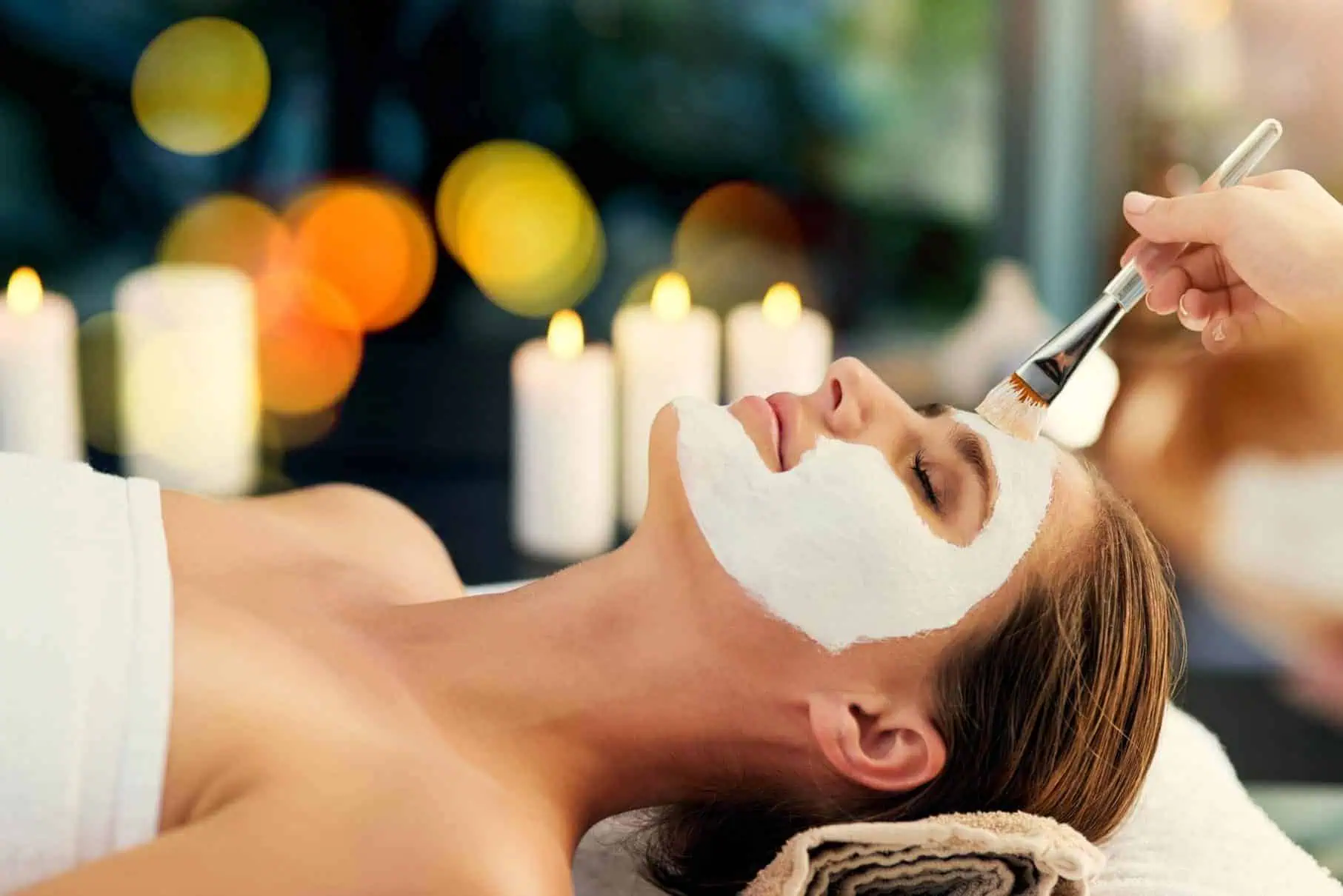
We all want to look our best and keep our skin youthful, but selecting the right anti-aging skin care products and developing an anti-wrinkle regimen can be daunting. There are so many products out there, it’s difficult to know where to start. Today we’re sharing dermatologists’ top tips for choosing the best anti-aging skincare products in order to maximize your results for healthy, beautiful skin.
- Start with sunscreen: Exposure to the sun speeds up the process of natural aging of your skin, causing wrinkles and uneven pigmentation. Dermatologists agree that sunscreen is the most-effective anti-aging product you can buy. Use sunscreen on exposed skin year-round when outdoors. Choose sunscreen that includes:
- Broad spectrum – blocks UVA and UVB rays
- Non-comedogenic, sensitivity-free, fragrance-free and paraben-free
- SPF 30 or higher
- Water resistant
- Add a moisturizer: Though moisturizers can’t prevent wrinkles, they can help minimize fine lines. This is so effective that moisturizer often is the secret ingredient in many anti-aging products. We recommend moisturizers with Hyaluronic Acid because they help to smooth and plump fine lines and wrinkles. If you use a tinted moisturizer for your face, be sure to select one with a built-in SPF of at least 15.
- Treat your #1 aging-skin concern: It’s important to remember that a regimen to rewind fine lines or fade sun-damaged spots can take time, and compliance is key! Too often, regimens are not followed because of skin irritation and over-doing it on intensive, results-oriented products. Acclimation is important before introducing more products that can create more inflamed skin.
- Buy products formulated for your skin type: No one product works for everyone. Select a sunscreen, moisturizer, and other anti-aging skin care products that are formulated for your skin type. If your skin tends to be oily, select a moisturizer made for oily skin. If you have sensitive skin, you want to see the words “sensitive skin” on the label.
- Read product labels: Look for products that offer all of the following:
- Hypoallergenic – the product can still cause an allergic reaction, but the risk is lower
- Non-comedogenic or non-acnegenic – the product does not cause acne
- Consumer hotline number – contact for questions regarding the product
- Not tested on animals
- Buy anti-aging products from a cosmetic practice: It’s always better to purchase anti-aging products from a cosmetic practice rather than over the counter or in a spa. Qualified aestheticians can help create a personalized skincare plan that is right for your skin type and targets your key skin concerns. Additionally, they can recommend medical treatments with a well-rounded approach that encompasses wrinkles and brown spots, prescription creams, serums, injectables and fillers as well as skin-resurfacing and can guide you to the right combination of treatments for you.
Schedule a skin assessment today at Water’s Edge Dermatology. We can help create a skincare regimen that fits your lifestyle and recommend the best products for you. Click here to request an appointment.

Finding Your Family’s Perfect “Skincare Partnership”
Skin problems can begin appearing during infancy, and continue right into old age. That’s why it’s well worth establishing a lifelong “skincare partnership” with the best dermatology practice within your ongoing, convenient reach.
When Benjamin Franklin famously said “An ounce of prevention is worth a pound of cure”, chances are he wasn’t referring to healthy skin. But given how preventable, detectable and treatable most skin disorders and diseases are, he might as well have been.
That’s one big part of having a professional skincare partnership. As you and your family age, the skin issues and challenges facing you keep changing. A great dermatology practice will be by your side throughout. Educating and assisting with preventive care; putting knowledge of each family members’ medical history to good use when needed to develop customized treatment plans.
As with other organs in our human bodies – but on a larger scale because it’s our largest human organ – our skin goes through different stages of development and vulnerability as we age. Getting ongoing, age-appropriate information about a variety of age-specific skin conditions promotes prevention and early detection of skin disease. And that can be life-saving.
Throughout childhood and adolescence, having a qualified partner in skincare can be a game-changer. From molluscum contagiosum in young children to acne in teenagers; from “chicken skin” to warts, hives and assorted rashes… knowing how to prevent such skin conditions and getting personalized treatment for them when needed saves a whole lot of hassles, and heartache.
As we grow into adulthood and then hopefully old age, skincare challenges persist. Our skin gets thinner, and drier. There’s less elasticity and more sagging, as at first fine facial lines and then deeper wrinkles appear. Hormonal changes and challenges can cause adult acne and other skin troubles. And the stress and lack of sleep so many adults endure can cause a wide range of skin disorders.
With such skin vulnerability throughout our lives, it’s undeniable that a skincare partnership with a leading dermatology practice such as Water’s Edge Dermatology can only help you and your family cope — especially in Florida, “The Sunshine State”.
For one thing, WEderm is an undisputed leader in state-of-the-art skin cancer diagnosis and treatment at more than 30 local community offices.
For another very cool thing, when WEderm is your partner, you also have an incredibly effective range of cosmetic and aesthetic anti-aging and beauty-enhancing services at your disposal.
By now, you likely know that exposure to UV rays from sunlight or artificial devices such as tanning beds is the leading cause skin cancer.
The occurrence of skin cancer and its deadliest form, melanoma, doubled from 1982-2011. Upwards of 50 percent of us reaching age 65 will have had at least one occurrence of Basal Cell or Squamous Cell Carcinoma.
A single blistering sunburn in childhood or adolescence can almost double the risk of melanoma. Five before age 20 can raise the risk by 80 percent.
And another American dies from melanoma every 54 minutes.
Statistics don’t lie.
Best defense (alongside faithful sunscreen usage)?
Establish an ongoing relationship with a premiere dermatology practice. One that’s committed to both preventing skin cancer, and to being equipped with the best possible practitioners, technologies and treatment options to beat it whenever necessary.
Whether it’s the scourge of skin cancer, or the more common skin problems that plague so many of us from childhood into adulthood and old age… finding the right skincare partnership and sticking with it will help you and your family achieve and maintain the healthy, beautiful skin you want, through every age and stage of life.

Welcome to the new Water's Edge Dermatology Blog
It's worth repeating because it's a been a long time coming: Welcome to our new Water’s Edge Dermatology, or WEderm Blog!
We pledge…
No stern lectures about using sunscreen (but please do use it, lol!) – or about any other skin care issues.
No overloading you with medical jargon.
No overdoing it on any one topic till the very mention of it turns you off.
And you will not find wall-to-wall seriousness at the Water's Edge Dermatology Blog, as we allow ourselves and guest bloggers to use a little humor (respectfully and tastefully) to touch on some aspects of dermatology and skin care.
Now you may be thinking… "OK, I know what it won't be... so what will the WEderm Blog be like?"
Mission Number One? Keeping our posts varied, engaging, and useful. We’ll do our best to keep it conversational, and relatable. And we'll feature a diverse mix of up-to-date dermatology information, practical skin care tips, unique insider insights, and personal stories.
While we’ll do close-ups on individual skin problems and diseases, we’ll also cover subjects such as Skin in Nature, Skin Science, and the lighter side of skin – from makeup trends to unusual stories about skin from around the world.
Our goal is to keep you engaged, and coming back for more… and in the process allow you to become as knowledgeable as you’d like about skin and skin conditions; and as comfortable as possible partnering with and regularly visiting a dermatologist, to maintain healthy, beautiful skin at every age and stage of life.
We know that many people remain hesitant or scared of going to a dermatologist office – until something goes wrong and they have to.
So the Water's Edge Dermatology Blog is here in no small measure to ease fears, and help the hesitancy fade away, by empowering you with relevant information, tackling sensitive topics, answering your questions, sharing success stories, and more.
Let’s start by briefly addressing some common reasons for hesitancy about visiting a quality dermatology provider:
- “There’s nothing odd-looking on my skin, I don’t need a dermatologist.” Maybe. But you know what they say about looks being deceiving? Getting a baseline skin exam at least once yearly is recommended for everyone. And here in “The Sunshine State”, many of our patients visit us 3-4 times a year – even without a skin problem.
- “My insurance doesn’t cover specialties.” Annual skin screenings are often and increasingly covered, so check.
- “I don’t want to get naked in front of strangers.” Not many people do. And depending on your skin issue, you may not need to (unless you really do want to… nahh, just kidding!). Besides, from body weight to hairiness, dirty nails, tattoos, spray-tan accidents – you name it, we’ve seen it. And we couldn't care less. Our Water’s Edge Dermatology offices are genuine “judgement-free zones”.
- “Spots on my skin aren’t bothering me, I don't want to have to get a biopsy.” Simply having moles or spots doesn't mean you'll need them biopsied. Dermatology providers are trained to identify the suspicious lesions which – unless biopsied – could turn out to be skin cancer. If you do have a suspicious growth and require a biopsy, know that the process is quick, and virtually painless.
So... any of those concerns familiar?
Sure they are, for some folks – and that’s fine. We’re here to offer you (and/or your loved ones) the kind of information, insight and reassurance that helps overcome hesitancy, and gets you into a partnership with a great dermatology practice… for the lifelong health and beauty of your skin.
Again, welcome and thanks for visiting our new Water's Edge Dermatology Blog! Please do connect and share your feedback and ideas... and come back and see us again soon!

Men’s Skin: Saving Face
For too many men, a daily facial care “regimen” means swiftly swirling a bar of body-deodorant soap across their face before rinsing off and rushing out of the shower. And word has it, some men even use trickle-down lather from their shampoo for a quick facial scrub!
Let’s face it, lots of guys need to step up their facial skincare game. Aside from maintaining good health and hygiene, the potential anti-aging and physical appearance benefits make it a no-brainer.
First, a Word on Sun Exposure
Protection. That’s the word on the sun exposure. The single best action any man can take to keep his face in good health, and looking good, is to wear sunscreen (SPF 30 or above) every day, without fail, not just when you go to the beach!
Statistics on increasing rates of skin cancer in men are alarming; and nothing increases the risk of developing it — not to mention deeper facial lines and wrinkling — like exposure to the UV rays of the sun, and indoor tanning devices. The easiest way to protect yourself on a daily basis is to make sure that the moisturizer you use in the morning after cleansing is labeled as having SPF 30 or above.
So... what kind of cleanser and moisturizer to use?
Know Your Skin Type
Different types of facial skin call for different cleansing and moisturizing regimens. As you probably know, the three basic types are oily, normal, and dry. But the most common is “combination skin”, which usually means oiliness in the t-zone (forehead, nose, chin and around the mouth), with varying degrees of dryness on the cheeks.
For normal skin, choose a gentle, natural facial cleanser, perhaps something coconut-based that gets rid of the day’s accumulated dirt, oil, and bacteria, without being overly drying. Then you’ll want to use a lightweight, oil-free moisturizer to hydrate the skin effectively.
If you have oily skin, look for a liquid cleanser with salicylic acid, which helps to “mattify” the skin and counterbalance the oiliness and shine. Then follow with very moderate application of a lightweight, oil-free moisturizer that also contains a little salicylic acid.
Dry skin calls for an all-natural, soap-free gel or cream cleanser that won’t irritate sensitive skin. Then, add extra hydration (and try to hold onto it!) with a weightier moisturizer that contains hyaluronic acid, which helps bind moisture to the skin.
If you do have dry skin, you may also want to try some natural facial oils, hydrators that relieve tightness and make your skin feel smooth. Argan oil is a good one to try.
And for combination skin, the trick is to effectively cleanse and moisturize without adding excess oils, or overly drying. Try a liquid cleanser with glycolic acid, which tones the skin without over-drying; and a lightweight-to-moderate moisturizer, using in careful moderation in that oily t-zone.
Avoid Shaving Irritation Issues
Shaving irritation may be the bane of many a man’s existence, but unless you’re ready for the bearded look, you’ll have to face up to it!
It helps to prep your face before you shave with plenty of warm water, which opens up the pores and loosens those hair follicles. However, if your face is actively irritated already and you must shave, cold water may actually feel better.
Then, use a higher quality shaving cream made for sensitive skin, and always shave with a still-sharp razor. If you use disposables, buy high quality ones, and change them often.
After shaving, consider using a cream or lotion made to help ease razor burn. Nivea makes an affordable “Men’s Sensitive Post Shave Balm” that’s usually available at your local drugstore. Or, you can go for more “upscale” selections at specialty and department stores, such as Kiehl’s “Razor Bump Relief”.
Make Regular Dermatologist Visits
Statistically speaking, men are more reluctant and unlikely to go to the doctor when something is bothering them — especially when it hasn’t risen to the level of being in-your-face life-threatening.
But when it comes to preventing skin cancer or diagnosing it early enough to cure and/or effectively treat it; and when it comes to looking your best and putting your best face forward... any man’s long-term plan for “saving face” should include having an experienced dermatology provider at the ready, both for annual skin cancer screenings, and for any facial or other skin care problems that come up in between.