
Study Suggests Possible Treatment for Keratosis Pilaris
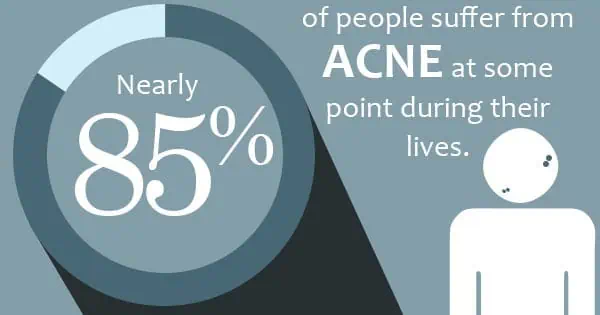
If you have noticed red bumps on your arms and thighs, which tend to become more prominent or itchy when your skin is dry, your first thought is likely that you have a form of acne. This assumption likely isn't too far off base: nearly 85% of people suffer from acne at some point during their lives, including an estimated 40 million to 50 million Americans. However, if you visit a dermatologist clinic seeking an official diagnosis or acne treatment products, you may discover that your condition isn't acne at all.
Instead, you likely have a common problem called keratosis pilaris, which affects nearly 40% of people in varying degrees and tends to run in families. Unfortunately, while scientific research has lead to a number of effective therapies and techniques to treat acne, even the best dermatologists have been unable to correct keratosis pilaris. However, there may be good news: recent research has found a treatment that may successfully reduce some symptoms of this common condition.
Previous studies have shown that keratosis pilaris is resistant to most treatments, and while shorter wavelength laser treatments can treat the erythema (or redness) associated with the treatments, it has no effect on the skin's texture. Because of this, a research team decided to test the effectiveness of a longer wavelength 810-nm diode laser. The researchers recruited 23 patients with keratosis pilaris on both of their arms and Fitzpatrick skin types I to III, defined as light skin tones that tend to burn instead of tanning. The trial lasted from March to October 2011, with a total of three treatment visits for each participant. Each patient only received treatment on one arm.
At the end of the seven month trial, 18 participants had completed the study, while three were unavailable for follow-up appointments and another three had withdrawn due to inflammatory hyperpigmentation. When these 18 participants were examined by dermatologist 12 weeks after the initial visit in a blind review, the doctors found that the treatment had resulted in significant improvements in skin texture. However, the treatment had no effect on the patients' erythema. In a study published in the November issue of JAMA Dermatology, the research team suggested that the longer wavelength treatment could be supplemented with other laser treatments and products to treat both symptoms. Could this therapy be used to address your keratosis pilaris? Contact the best dermatologist in your area today to find out.
How to Remove Your Skin Tags Safely and Effectively
There are a number of different skin conditions that can manifest as bumps on the skin. Acne, for example, will affect nearly 85% of people at some point during their lifetime. Fortunately, this problem can typically be treated with different acne treatment products or procedures, which can be prescribed by a dermatologist. Similarly, skin cancer is more likely to develop in people who have a number of moles, or skin growths that can be brown, black or skin colored; in fact, the growth of new moles, or atypical nevi, can be a sign of skin cancer. An estimated one in five Americans will develop skin cancer at some point in their lives, making it important that you make an appointment with dermatology and skin cancer specialists at a dermatologist clinic if you suspect you have symptoms. But what if you have small, soft growths on your skin, connected to your body by a thin stem? What skin condition does this signify?
While you should have any questionable skin growths checked by a dermatologist, this bump is likely a skin tag. These harmless features often grow on a person's neck, armpits, torso and body folds as they age. Typically, skin tags can be left alone. However, if you find that they rub or catch on your clothes or jewelry, or you simply do not like how they look, you may want to invest in natural skin tag removal. Read on to learn how this process is undertaken safely and effectively.
A Dermatologist's Natural Skin Tag Removal Methods
It is recommended that you have your skin tag first checked out by a dermatologist anyway to reduce the chance of misdiagnosis. If you then want to remove the skin tag, your doctor will typically use one of three natural skin tag removal methods: cutting it off, in which they will remove it will a scalpel or surgical scissors; freezing it off, which uses a small amount of liquid nitrogen; or or burning it off, in which an electric current is passed through a wire, slicing through the stem while reducing the chances of bleeding. All of these methods are safe, and while they might involve some pain, a dermatologist will often use an anesthetic to numb the area.
Why You Shouldn't Conduct a Natural Skin Tag Removal Yourself
Some people attempt to remove their own skin tags with nail clippers and other common devices. However, this can cause bleeding, infection, and scarring. In contrast, seeing a dermatologist is much more effective and safe.
Do you have skin tags? Are you interested in having them removed? Tell us about it in the comments below!
What is the Best Treatment Seborrheic Dermatitis Treatment?
When it comes to common skin conditions that require treatment from a dermatologist, the average person will likely think of problems like acne and skin cancer. Indeed, these conditions are very common, with nearly 85% of people suffering from acne at some point in their lives, and an estimated one in five people being diagnosed with skin cancer. Likewise, both problems will likely require several visits to a dermatologist clinic, whether a patient is seeking acne treatment products or looking to discuss skin cancer treatment options. However, there is another common skin condition that gets less attention these two problems and will likely need to be treated by a dermatologist specialist: seborrheic dermatitis.
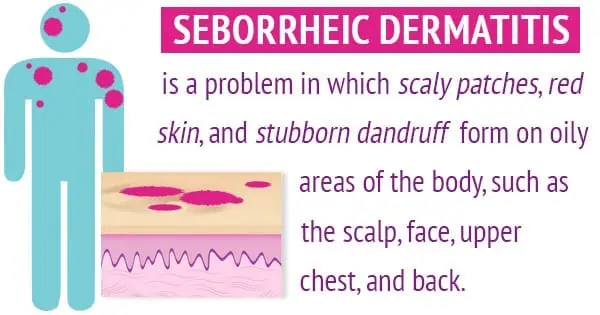
Seborrheic dermatitis is a problem in which scaly patches, red skin, and stubborn dandruff form on oily areas of the body, such as the scalp, face, upper chest, and back. Though long-term, the condition does not threaten the patient's overall health and can be managed with good skin care. However, seborrheic dermatitis is often both uncomfortable and embarrassing, causing many patients to wonder what the best seborrheic dermatitis treatment could be.
Home Treatments
If you have seborrheic dermatitis and are considering talking to dermatologist about your condition, you should first try a number of skin care techniques; you may find that the best seborrheic dermatitis treatment is easier than you thought. Try to avoid scratching your skin, wear smooth, cotton clothing, wash your skin regularly, and avoid skin care products that contain alcohol. Next, if the patches are on your scalp, try using shampoos that contain pyrithione zinc, selenium, salicylic acid, and other anti-dandruff measures. Meanwhile, if the condition affects your skin, try a mild corticosteroid cream or a mineral oil to help soften and remove scales.
Dermatologist Treatments
If you have had no luck with the skin care treatments suggested above, the best seborrheic dermatitis treatment for you may be found at a dermatologist clinic instead. Depending on your unique condition, a specialist will likely prescribe a corticosteroid cream or an antifungal treatment, which may be used as a shampoo, a cream, or a pill. In more serious cases, dermatologists may recommend that you use a medication that affects your immune system, or even a combination of light therapy with medication. Unfortunately, the latter may not work for patients with thick hair.
If you have seborrheic dermatitis, you know exactly how uncomfortable and embarrassing it can be to live with this common condition. Fortunately, by taking steps to find the best seborrheic dermatitis treatment for you, you can find the relief you're looking for. Try out the suggestions above today!
What are Skin Tags?
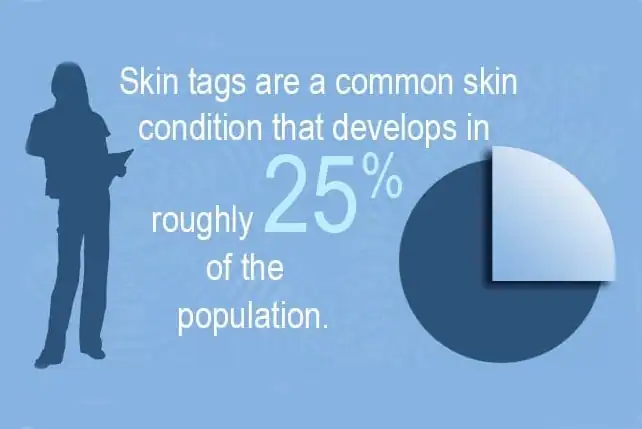
As you have grown older, you may have noticed that your skin has formed small, soft protrusions on your arms, neck, chest, or groin. These benign features are called skin tags, a common skin condition that develops in roughly 25% of the population. Often due to genetic predisposition, skin tags do not pose a threat to a person's health, but can make patients self-conscious about the appearance or texture of their skin. As a result, many people will visit dermatologist clinics and research different skin tag removal products and methods. However, to discover the best course of action for you and your skin, it is important to understand why skin tags form and how they are best treated.
About Skin Tags
Dermatologist specialists believe that skin tags develop as a result of friction between clothing and skin, or two adjacent areas of skin; the latter is usually seen when the protrusions develop in the underarm or on the eyelid. Because of this, skin tags are more likely to develop in obese patients, those who are middle-aged, and the elderly. In some cases, however, skin tags can develop in children, pregnant women, and people with Crohn's disease.
Skin tags are usually flesh-colored and can range in size from less than 1 millimeter to as large as a grape. Some patients may mistake them for cancerous lesions (a legitimate concern, as more than 3.5 million nonmelanoma cancers are diagnosed every year in the United States), but this mistake is unlikely, as skin tags can be distinguished by a small stalk connecting them to the body. They can sometimes become caught on clothes, but otherwise should not be painful; if a patient does experience pain and other unusual symptoms emerge, a dermatologist will likely have them excised and tested to ensure that they are not nevi, or atypical moles. These atypical moles can mean that a patient has a higher chance of developing melanoma, a deadly skin cancer characterized by the overproduction of pigment-producing cells. However, this is highly unlikely in most cases.
Skin Tag Removal Procedures
Because skin tags are benign, they typically are not removed unless they are uncomfortable or displeasing to the patient. While some home recipes claim to be able to remove skin tags with skin tag removal products, such as apple cider vinegar, effective results can only be achieved through surgery. In this procedure, a dermatologist will use a blade, scissors, liquid nitrogen or electric cautery; a local anesthetic can be used if necessary. The surgery is curative, but more skin tags may form over time. Fortunately, almost any dermatologist can and will perform this treatment, making it easy for many patients to find the care they need at a local dermatologist clinic.
While skin conditions like skin tags may not be attractive, in most cases they are a normal development that poses no threat to a person's health. If you want to remove these protrusions, don't waste your time researching skin tag removal products or home remedies. Instead, schedule an appointment with your dermatologist to discuss surgery today.

What is Seborrheic Dermatitis?
Dermatologists are typically thought to be concerned solely with skin disorders, such as acne and skin cancer, two of the most common skin problems today. For that reason, it may seem strange to learn that dermatologists clinics often treat dandruff and other problems of the scalp, including hair loss. In certain cases, dandruff may be a symptom of a relatively common skin problem called seborrheic dermatitis, which is characterized by scaly patches and red skin, typically on the scalp, face, chest and back. While not a threat to a person's overall health, seborrheic dermatitis can be extremely uncomfortable and embarrassing, causing many people to visit dermatologist specialists for seborrheic dermatitis treatments.
First Steps
If you suspect you have seborrheic dermatitis, doctors typically recommend that you try a number of basic care methods to attempt to reduce your symptoms before seeking out help from a dermatologist. If the affected area is on your skin, for example, a nonprescription antifungal or anti-itch cream may help reduce your discomfort. Likewise, if your scalp is affected, an antifungal shampoo may be helpful. You should also try to avoid itching or picking at the rash, as aggravating seborrheic dermatitis increases your chances of infection. If you try these basic care techniques for several weeks and notice no positive improvement, you should then schedule an appointment at a local dermatologist clinic to discuss your skin condition.
Diagnosis and Treatment
Once you see a dermatologist, they will most likely begin the process by officially diagnosing your skin condition. Because the symptoms of seborrheic dermatitis are extremely similar to psoriasis, eczema and rosacea, this is the best way to ensure you will receive an effective treatment. If you are diagnosed with seborrheic dermatitis, your dermatologist will most likely prescribe a variety of antifungal treatments, such as creams, shampoos, ointments or pills; in some cases, you may receive a biologic, bacteria-fighting medication similar to a popular treatment for psoriasis. In serious cases, however, seborrheic dermatitis treatments will include medications that affect your immune system, or different forms of light therapy. One type, called PUVA treatments, combines psoralen and ultraviolet radiation to treat especially prevalent cases, but may not work on patients with thick hair.
Out of the many different skin conditions a person can develop over the course of their lives, seborrheic dermatitis is relatively minor, but can still be extremely irritating and embarrassing. For that reason, it is important to seek out seborrheic dermatitis treatments to get your skin disorder under control as quickly as possible. Consider trying some antifungal topical treatments and scheduling an appointment with a local dermatologist today!
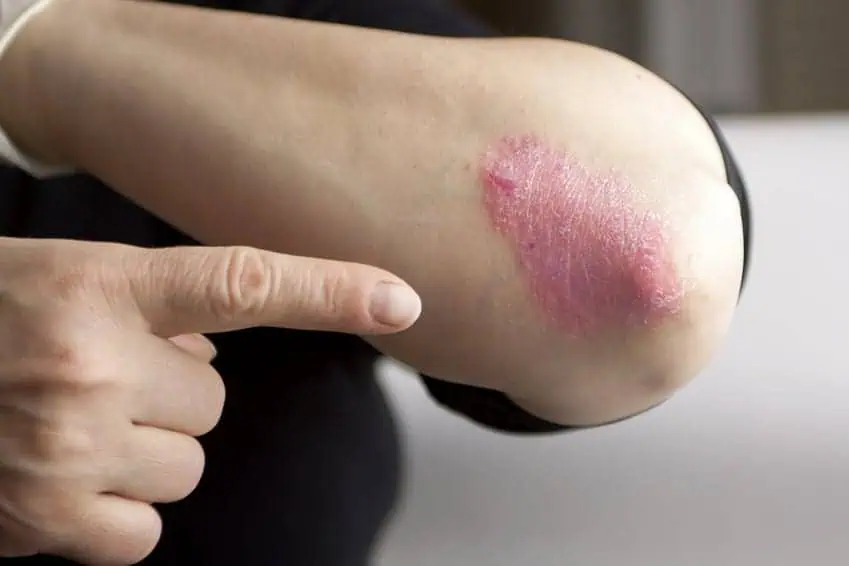
New Treatments May Offer Effective Results For Patients With Psoriasis
When it comes to common skin conditions, people are likely to think of acne or skin cancer, two problems often treated by dermatology and skin cancer specialists. But while around 40% of teenagers will develop acne, and more than 2 million people are diagnosed with nonmelanomic skin cancer every year, another popular skin condition deserves attention: psoriasis.
There are a number of different types of psoriasis, but the disease is typically distinguished by red, irritated patches on the skin and nails. In at least one form of the disorder, it can be difficult to tell the difference between psoriasis and seborrheic dermatitis, another irritating skin condition which targets the scalp and ears. Fortunately, once the disease is diagnosed, dermatologists can utilize a number of topical treatments, pills or injections, and light therapies to treat the irritation and skin patches. Biologic medications may even be used to treat severe or disabling cases. And therapies continue to improve and innovate: recently, a Swiss pharmaceutical company announced that one of their products has been shown to be effective at treating moderate to severe psoriasis.
Novartis, a multinational company based in Switzerland, recently presented their study on a product called secukinumab to the European Association of Dermatology and Venereology Congress in the Netherlands. Secukinumab is designed to treat plaque psoriasis, the most common form of the disorder, which features inflamed, scaly, red skin. Currently, the treatment is being touted as an effective way to improve psoriasis symptoms, improving and preventing joint damage, and importantly showing no negative impacts on patient health. And while this product likely won't be available to dermatologist clinics and doctors for some time, Novartis's recent presentation is only the most recent step towards having the medication accepted as a treatment: previously, the company submitted secukinumab to regulatory organizations in both the United States and Europe.
Due to the discomfort, joint damage, and unappealing appearance of the many different types of psoriasis, getting proper treatment is typically very important to patients who want to live life comfortably and without undue anxiety. While treatments like secukinumab are still being tested for their effectiveness and safety, there are a variety of other treatment options which can be prescribed by a dermatologist. If you or a loved one is suffering from the effects of psoriasis, schedule an appointment at a dermatologist clinic today to discuss how best to treat this common skin condition.
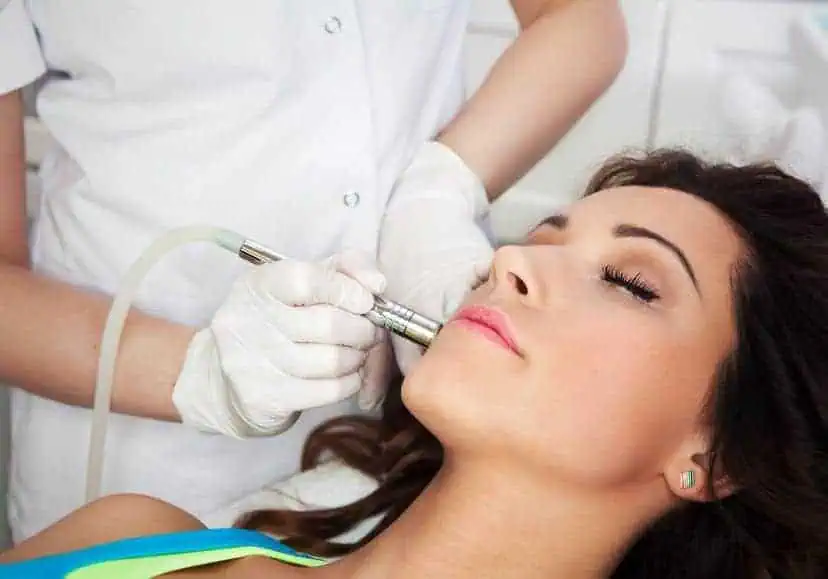
Three Tips to Help Find the Best Dermatologist for You
If you are prone to acne outbreaks that can be difficult to treat and do not respond to acne treatment products, you are not alone: more than 85% of people will develop acne at some point in their lives, with more than 40 million Americans affected today. While acne and acne scarring are most common during adolescence, adults in their 20s, 30s, 40s and even 50s can develop the skin condition as well. If you have this common skin problem, you likely have heard that scientific research has lead to many new acne therapies and dermatologist acne treatments that may be able to help you. But how do you find the best rated dermatologist in your area, a skin specialist who will work with you to unveil beautiful, healthy skin? Read these tips to find out!
Know the Type of Dermatologist That Is Right for You
There are generally two types of skin specialists: general dermatologists and cosmetic dermatologists. Some practices will act as a combination of the two types, but the rest can often be easily classified by the services they offer. General dermatologists, for example, offer treatment for acne, rashes, hair loss and common skin problems, as well as skin maps to check for skin cancer. Cosmetic dermatologists, however, offer more advanced treatments for everything from deep-set wrinkles to severe acne, and typically use peels, injections and lasers to yield more dramatic results. Search for a dermatologist who offers the services you need.
Check Out Their Background
The best rated dermatologists often have a background that matches their skill level, so look at a dermatologist clinic's website to see how the specialist was trained and licensed. Keep an eye out for board certifications from the American Association of Dermatology (AAD), as well as a formal education in dermatology. Surprisingly, a high number of dermatologists originally studied other medical fields and only opened dermatology clinics to earn a profit, making them an inadvisable choice to help treat your skin.
Go In for a Consultation
Make an appointment to discuss your skin with a dermatologist at the practice. While it may be inconvenient, take it as a good sign if you have to wait a few weeks to see someone: this means that the services are trusted and therefore in high demand. At your appointment, ask lots of questions and listen carefully to how the dermatologist responds. What treatment do they recommend? Would they be conducting the procedure themselves, or merely supervising? While this consultation usually isn't free, it is extremely useful and the fee is typically put toward the cost of a procedure.
Whether you have acne, psoriasis, or another skin condition, finding the right dermatologist can have a significant effect on your self esteem, comfort and daily life. With the right treatment, you can reveal the beautiful, healthy skin you have always wanted. And by following the tips above, you can find a specialist who is not only the best rated dermatologist in your area, but also the best for you and your unique case.