
Men’s Skin: The Big Picture

When you see skin care ads, they’re mostly geared towards women, right? Does that mean women care more about their skin than men? That’s open to debate, but there’s no doubt men have their own specific set of skin care irritations and issues to deal with.

When you look at human skin generally speaking, you find the same three basic layers in both sexes. From the outside in, so to speak, you have the epidermis, then the dermis, and then the deeper subcutaneous layer of fat and connective tissue, the hypodermis.

Biological Differences

Hormonal factors, lifestyle choices, diet/nutrition/exercise factors, skin care routines and habits; they all contribute to creating different sorts of biological reactions, dermatological conditions and skin care needs for each individual person.

But it’s safe to say that most men, especially younger ones, face challenges posed by higher levels of testosterone in their blood. That can result in excessively oily skin, and trigger acne problems.

Men also have thicker hair follicles to contend with, including of course on their faces. That can lead to its own set of skin care problems, including ingrown hairs, aggressive hair growth in unwanted places, and shaving irritations such as the dreaded “razor burn”.

So, what’s a man to do with his skin? Or put another way, what’s a woman to tell the man in her life about how to take care of his skin? Well either way, let’s follow the KISS (Keep It Simple Sweetie) principle and stick to the three main components that comprise “The Big Picture” in Men’s Skin Care: Cleanse. Moisturize. Protect. How fussy a man wants to get with his skincare is up to him, but keeping up with these basics should be as easy as 1-2-3!

Cleanse Gently

On most days, a moderate amount of dirt, oil, and bacteria builds up on your skin. For men who work outdoors and/or have jobs that require physical exertion, that can turn into significantly more than a moderate amount.

Choosing the right gentle cleanser for your skin type will help take care of that, without being overly drying. If you have oily skin and/or blemishes, you may want to look for a cleanser containing at least 2-percent salicylic acid, to prevent and control acne outbreaks. Or, if you have normal to dry skin, you can choose a gentle foaming or gel cleanser made from mostly if not all natural ingredients.

Whatever skin type you have, avoid cleansers with harsh ingredients that dry the skin, such as isopropyl alcohol. Also, avoid using overly hot water when washing your face, as it’s also overly drying. And when done with your minimum twice-a-day facial cleansing, don’t rub your face dry with the same vigor you might use on the rest of your body, just go easy and pat dry.

Moisturize Regularly & Correctly

Using the right moisturizer after facial cleansing can help a man’s skin in a number of ways – from reducing the appearance of fine lines and wrinkles, to evening out the complexion and giving the face a healthy glow, to combating razor burn and other shaving irritation, to adding much-needed daytime sun protection to your skin along with moisture.

Maintaining a well-balanced moisture level in facial skin is the key. Look for a moisturizer geared for your type of skin, and be sure that it’s oil-free and won’t clog your pores. A morning-on moisturizer should be mostly or all natural, lightweight and have a Sun Protection Factor or SPF of 30 or more; while a slightly more substantial bedtime moisturizer, minus the SPF but with retinol and hyaluronic acid, can be very helpful in maintaining a youthful appearance.

It also helps to moisturize from the inside out! Drinking at least 6-8 glasses of water a day will not only help hydrate your skin, it will help every other organ in your body too. 

Sun Protection Is Key

Whether men admit it or not, they care about aging. Chances are, most are looking in the mirror just about as much as women do, wondering where that new little smile line or age spot came from all of a sudden. And the answer is, many visible signs of aging are caused simply by sun exposure.

In fact, it’s estimated that up to 90 percent of premature aging of the skin is caused by UV radiation in sunlight. So, effective protection from the sun can go a long way to aging gracefully, and remaining skin cancer-free. SPF 30+ sunscreen in a daily moisturizer can be a huge help. So can applying – and reapplying every 90 minutes or so without fail – plenty of strong sunscreen to every inch of your exposed skin when sunbathing or otherwise spending hours under the sun.

The Payoff

Taking a little time (and maybe getting a little help from a fabulous female in your life) to develop a customized, daily cleansing and moisturizing routine that fits your skin, along with getting smart and careful about sun exposure, can only improve the look, feel and long-term health of almost any man’s skin. And it’s really pretty easy. But, men being men… means that reminders and other forms of assistance can only help!


Protecting Yourself From Skin Cancer

May is national Skin Cancer Awareness Month, which makes good sense given that we’re heading into summertime and peak sun-tanning season. What better time for some helpful sun protection tips from your friendly Water’s Edge dermatologist?

Note that this will be my first summer spent in Florida, so it’s important information for me to review as well!

Protecting your skin from the sun helps prevent skin cancer, plain and simple. It doesn’t matter how dark your skin is or how easily it tans — you still need to protect it.

Sunscreen is a great start, but it’s only part of the equation. First, make sure your sunscreen is at least SPF 30 and “Broad Spectrum.” That means it protects against both UVA and UVB rays.

I’ve been asked many times, “Does sunscreen go bad?” Well, the answer is that experts agree three years is about it before it’s time to toss out the old, and purchase the new. But what I really love about this question is, if you’re asking, it probably means you aren’t using enough sunscreen!

On average, it should take about 1 shot glass or 2 ounces of sunscreen to cover your entire body. And don’t forget to reapply at least every 80 minutes — 2 hours, and more often if you’re sweating or swimming. If you’re using sunscreen the way it’s meant to be used, you go through it the way I go through Diet Coke.

Another question I get a lot is, “Which sunscreen is best?” Answer: The one you’re going to use. Seriously.  If it’s not affordable or you don’t like the smell or consistency, you’re not going to use it. Stick, spray, lotion, oil — whichever you like best. Just make sure it’s at least SPF 30 and broad spectrum, and you’re good to go.

But remember, sunscreen is only part of an effective protection plan. Slip on a hat — broad brimmed is optimal because it protects your ears and the sides of your neck and face. But even I admit there are some activities where a baseball cap is more practical. (Like cruising out the inlet to your favorite fishing spot!)

Don’t forget about your clothing and sunglasses — long sleeves and long pants will help protect your skin and with performance fabrics today, they often keep you cooler and more comfortable too. Polarized sunglasses are a must, especially in settings with a lot of reflected light (water, sand, etc.), and larger or wraparound frames offer greater protection.

If you do a lot of driving, consider having UV filters installed to the side windows of your vehicle. It’s inexpensive, and it will be there protecting you every day. We get an incredible amount of cumulative UV exposure through the driver’s side window. There’s a reason skin cancers predominate on the left side of our body. If you don’t believe me, look at your forearms and count the number of freckles on your left forearm versus your right.

See? Told you so.

And why only the side windows? Because the windshield already filters UV radiation fairly effectively because of the composition of shatterproof glass.

When you’re out and about on foot, remember what your mother taught you. Sit in the shade whenever possible, and avoid being out in the direct sun between 10 am and 3 pm when those UV rays are the strongest.

Last, but so important, is the need to carefully check every inch of your skin every month or so, looking for anything new, changing or bleeding in the way of moles or lesions of any kind.

Should you see anything questionable, it’s time to see your dermatologist and get it checked, “asap”. Most skin cancers can be cured if caught early enough, so early detection is key. And rest assured, should your self-exam turn up anything worrisome, the Water’s Edge office near you will find a way to squeeze you into even a heavily booked schedule.

Hope that’s all helpful. Looking forward to seeing you out, about and sun-protected this summer!


Written by Kerry Shaughnessy, MD


Zoskin Health Intense Eye Creme

The Big Picture on Skin Cancer

The month of May is known for celebrations such as Mother’s Day and May Day. But it’s also Skin Cancer Awareness Month, and based upon the staggering statistics, it’s no wonder why. Here are just a few of the worrisome facts, from the Skin Cancer Foundation:

  • During the past thirty years, more people have suffered from skin cancer than all other kinds of cancer, combined.
  • One out of five Americans will end up getting skin cancer in their lifetime.
  • Nearly 10,000 Americans die from melanoma each year.
  • More than $8 billion is spent every year in America on skin cancer treatment.
  • Approximately nine out of ten non-melanoma skin cancers are due to UV sun radiation.

Although many of us enjoy soaking up some sunshine and natural Vitamin D at the beach or other outdoor places, doing so without adequate protection isn’t healthy and greatly increases your chances of developing skin cancer later in life.  And in fact, quality vitamin supplements are a far safer way to get your Vitamin D than sunbathing or using tanning beds and lamps.

Speaking of safety, or lack thereof, note that according to the experts, anyone who subjects their skin to even one indoor tanning session before age 35 is increasing their risk of developing melanoma by 75 percent.

All that said, know that skin cancer is a highly preventable type of cancer. With adequate education, knowledge, behavior modification, and early detection through annual screenings at an experienced medical provider’s office, countless lives can be saved. Here are just some of the helpful prevention tips issued by the Skin Cancer Foundation, important reminders of the steps you and your loved ones can take to help protect yourselves from skin cancer:

  1. Shake the bake. Getting a sunburn five or more times in your lifetime doubles a person’s risk of getting skin cancer. Avoid baking in the sun during its strongest hours, from 10 a.m. – 4 p.m. You can use your own shadow as a guide. If your shadow appears shorter than you, it means that the sun’s harmful radiation is still too strong. Time to seek shade or other protection.
  2. Dress for protection and help block UV rays by wearing hats, large wraparound sunglasses and loose-fitting clothes long enough to cover your arms and legs. And though you may have heard dark colors attract more heat, the fact of the matter is they offer far better sun protection, because those UV rays can’t penetrate them and get to your skin as easily.
  3. Wear and reapply. Choose a broad-spectrum sunscreen that has an SPF of 30 or higher (or a light moisturizer with SPF 30+ in it), and apply every morning. If you’re going to be outside for an extended period, apply 30+ sunscreen a short while before getting out under the sun, reapply every 75 or 80 minutes without fail or after any time in water, or after perspiring heavily.
  4. Do monthly self-examinations. Although not a substitute for a doctor’s exam, checking your skin each month and knowing what to look for in the way of new or changing moles or other skin lesions can help detect early warning signs of cancer. Early detection is a key component to beating cancer.
  5. Get an annual skin cancer screening from an experienced dermatological provider. Every year, without fail.

To learn more about how to prevent and detect melanoma, the deadliest form of skin cancer, take a couple of minutes to watch this short video from Water’s Edge dermatologist Dr. Nayomi Omura.

How to Get Clearer Skin With Acne-Fighting Foods

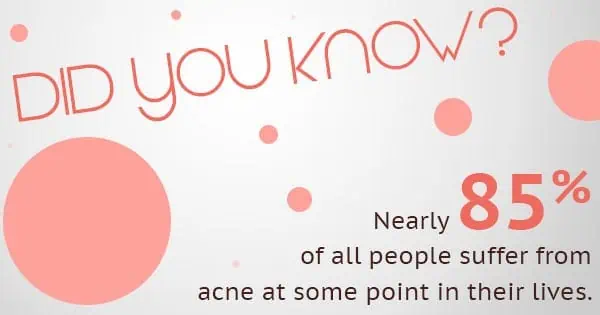
If you're suffering from acne, then you're not alone. Currently, 85% of all people in the U.S. have suffered from some form of acne at a point in their lives, typically on the chest, face, or back. Acne is caused by a number of factors, including genetics, stress, and diet. And while we can't control our family tree, we can control our diet.

Here are some foods that help fight acne and have clearer skin:

Omega-3 Fatty Acids — Foods that contain omega-3 fatty acids are known to give skin an almost instantaneous glow. Additionally, omega-3 fatty acids help to reduce inflammation, mitigating the redness and swelling of pimples. Salmon, walnuts, and flaxseeds are all foods with high amounts of omega-3's.

Antioxidants — Antioxidants help to flush out the toxins in your body, helping to rid it of free radicals that cause breakouts and skin damage. Spinach, cherries, berries, and green are all antioxidant-rich foods.

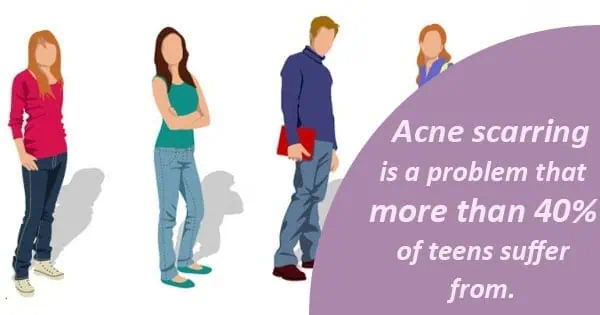
Vitamin C — Vitamin C works to boost your immune system and strengthen your cell walls, furthermore helping to protect your skin from acne scarring, a problem that more than 40% of teens suffer from. Melons, oranges, tomatoes, and strawberries are all vitamin C-rich foods.

Selenium — Selenium is another powerful antioxidant that not only reduces inflammation but increases skin elasticity. Brazil nuts, almonds, onions, and garlic all contain selenium.

Vitamin E — Vitamin E helps to protect your skin from scarring, and promotes rapid healing. Foods that contain vitamin E include olive oil, nuts, soybeans, almonds, and eggs.

High Water Content Foods — This might not be a secret, but keeping your body hydrated is one of the best things you can do for your skin. According to research, drinking half of your weight in ounces throughout the course of a day will help to rid your system of toxins.

Still struggling with acne? Even the best diet in the world can't help clear skin sometimes. Luckily, that's where your local dermatologist comes in. Dermatologists can help you find the best skin care treatment and will do a comprehensive analysis of your skin, getting to the bottom of your acne. Based on the kind of acne you have, your dermatologist will provide you with the best acne treatment.

Did you know infographic

The 3 Things Your Dermatologist Can Do For You

We are only given one body and the skin we're in is built to last a lifetime. However, it is up to us to treat our body and our skin as well as possible to keep it healthy and to increase our longevity. One of the best ways to do this is by taking frequent visits to your local dermatologists. While dermatologists are indeed experts when it comes to clear, beautiful skin, their knowledge runs further than skin deep and can help you improve more than just your complexion.

Still curious? Here are three things your dermatologist specialist can do for you:

Acne Treatment

Did you know that nearly 85% of people who suffer from acne at some point in their lives? And sometimes, even the best over the counter acne treatment doesn't cut it. Luckily, that's where dermatologists come in. From skin care routine to giving you the best acne treatment for your skin, dermatologists tackle your dermatological issues from a number of standpoints in order to ensure that your skin is clear and healthy.

Cosmetic Procedures

From unsightly acne scarring to excessive body hair to unwanted varicose veins, dermatologists offer a number of solutions to your cosmetic dermatological wants and needs. Using state-of-the-art technology such as laser treatment for and glycolic peels, dermatologists are able to restore your skin to its clearest, healthiest, and most natural state.

Skin Cancer Prevention and Treatment

Approximately one in five Americans will develop skin cancer in their lifetime. And because skin cancer can develop quickly and relatively silently, a seemingly harmless misshapen mole can reach stage four in a matter of months. Consequently, it's important to do regular mole checks and to visit your local dermatologist regularly. Your doctor will examine any existing moles on your body to assess your current risk level. In the event that they do find cancer, your dermatologist will work swiftly to alleviate the problem, finding the least invasive and most effective treatment possible.


Acne infographic

How Can You Prevent Scabies?

Americans suffer from a wide variety of skin disorders. One of the most common skin disorders, for example, is acne, which affects 40 to 50 million Americans or about 85% of people during their lifetime.

Another, lesser known skin condition is called scabies. An infestation of scabies mites causes this condition when it burrows beneath the top layer of skin to eat and lay eggs. It may not be obvious at first that you are infected. Scabies symptoms often take up to eight weeks to appear, and include itchy rashes, blisters, as well as sores caused by itching the rashes that develop. Thick crusts can develop from more severe forms of scabies.

Still a Problem Around the Country

According to the Boston Globe, an investigation is being launched into Woodbriar Health Center following a scabies outbreak that affected more than three dozen residents in the dementia unit.

Prevention for Scabies

How is scabies spread? Sexual contact is the most common route, since it is transferred through skin-to-skin contact — it is in fact the most common form of transmission among young people who are sexually active. Using the same clothing or bedding as someone with scabies can also allow the mites to transfer.

Treatment for Scabies

Anytime someone is diagnosed with scabies, it is important that their entire household takes measures to prevent it from spreading. Anyone potentially exposed should be treated in order to prevent re-infestation. Dermatologists advise that all clothing and bedding used in the three days prior to treatment needs to be hot washed and dried, or sealed in a plastic bag as scabies cannot live longer than three days away from human skin.

There are numerous oral and topical scabicidal drugs used to treat scabies. A doctor’s prescription is needed; there are no over-the-counter products that can be used to successfully treat scabies. Topical scabicides need to be applied to all areas of the body.

Cosmetic dermatologists say that patients with sensitivity to mites, their eggs and/or feces could experience itchy skin for several weeks after treatment. If the itching continues or if new burrows are discovered, re-treatment might be necessary.

If you have any questions about appropriate treatment or prevention for scabies, get in touch with a dermatologist clinic today.


What Your Acne Might Be Telling You

If you're an adult with acne, don't worry. You're not alone. According to recent statistics, nearly 85% of all adults get acne at some point in their lives, whether it's on the face, chest, or other parts of their body. In the U.S. alone, between 40 and 50 million people are currently dealing with some form of acne.

When one is dealing with acne, the best thing to do is to visit the local dermatologist to seek out the best skin care treatments for acne. However, that's not always the full picture to perfect skin. Rather, having good skin care habits and overall health will prevent you from experiencing unwanted blemishes. So if you have acne, your skin may be trying to tell you something.

Here's what your acne-prone skin might be trying to say:

You're Dehydrated

For those who are acne-prone, dehydration can exacerbate skin problems. According to Fix.com, one of the symptoms of dehydration is dry skin. When your skin lacks moisture, your body will attempt to overcompensate by producing more oils to moisturize your dry skin, furthermore causing breakouts.

Your Diet is Off

Studies show that highly processed foods with a high glycemic index and tons of carbohydrates can easily cause acne and inflammation in many individuals. Dairy and sugar are also common causes of inflammation and breakouts. If you're experiencing a lot of breakouts, it may be time to eat more fruits and vegetables.

You're Tired

If you're not getting all 40 winks, then you may be experiencing acne. When you don't get enough sleep, your body isn't as able to increase blood flow to the skin. It also messes with your body's ability to create new collagen overnight. Additionally, not getting enough sleep can mess with your stress levels, which can also lead to acne.

You Need to Lay off the Cocktails

As you may already know, drinking is extremely bad for your skin. Not only can it dry your skin out, leading to the production of acne-causing oils, but it can also lead to other poor habits, such as many of the ones listed above.

A positive change in life habits, combined with regular visits to your local dermatologist and the best acne treatment possible can help to make your skin healthy and glowing. Of course, you can always ask a dermatologist if you ever need any counsel or guidance.


Learn the Facts About Hair Loss

As people age, hair loss becomes a bigger and bigger concern for both men and women. Hair grows essentially everywhere on the human skin with the exclusion of the palms of hands and the soles of feet. It's made up of a protein called keratin. When follicles make new hair cells, old ones are push out of the skin at a typical rate of about six inches of hair per year. So in a sense, the hair we see on our heads is a string of dead keratin cells.

However, hair growth can slow down or stop altogether for a number of different reasons. For many, hair loss is a hereditary issue. There are 30 million American women who experience hereditary hair loss at some point in their life. Age also causes hair loss. As people get older, their hair growth slows, a trend that's especially common amongst men. By age 50, a man has a 50% chance of experiencing losing his hair. Hormones, stress, illness, and environmental factors, such as cosmetic procedures and diet can also cause hair loss.

Luckily, there many ways to approach the treatment of hereditary and onset hair loss. The first and most important step is to find a dermatology practice that specializes in hair loss treatments.

When it comes to hair loss treatment, there are several approaches that both men and women can take.

  • Topical treatments such as rogaine. These are applied directly to the scalp where hair growth it desired.
  • Oral treatments such as propecia help treat male pattern baldness and hair loss.
  • Hair replacement procedures are also popular and effective. One of these treatments typically involves hair transplantation methods and scalp reduction.

If you are experiencing hair loss, know that you are not alone. Finding the best dermatologist for hair loss is an important first step in finding the right kind of hair loss treatment that is right for you.


How Cosmetic Dermatology Can Soften the Effects of Aging

While we do what we can to look beautiful naturally, our skin eventually catches up to our age. In fact, human skin loses as much as 1% of elasticity each year. While beauty creams and skin care can often help to firm and tighten loose, aging, wrinkled skin, sometimes we need a little extra help.

In the past, those wanted to reduce the effects of aging without going under the knife had few options. Luckily, with today's latest technologies and noninvasive cosmetic dermatologist treatments, softening the effects of aging is both easy and convenient.

Botox

Botulinum toxix is a kind of bacteria that relaxes the facial muscles that cause onset wrinkling, crow's feet, lines, and the like. Botox shots only take minutes to do, are relatively-pain free, and offer more benefits than just the cosmetic. For example, many use botox to help rid themselves of migraines. It is also used as a way to stop excessive sweating in adults.

Laser Treatment

Did you know that 85% of people suffer from some form of acne in their lifetime, or that 40% of teenagers already have scarring for acne? When people enter adulthood, these scars often linger. Another unsightly problem many people deal with on their faces and bodies are varicose veins, which are also known as spider veins. Luckily, there are ways to treat both acne scars and spider veins without any invasive procedures. Using laser acne treatments, it's possible to treat acne and rid yourself of unwanted scars. When it comes to spider veins, spider vein laser treatment is available to rid yourself of unwanted spider veins.

What else is new in dermatology?

If you have any concerns about the state of your skin, you no longer have to leave the comforts of your home in order to find help and a solution. Using teledermatology, you can ask a dermatologist via video connection whether certain treatments are right for you. According to statistics, telehealth appoints have an outcome that is 91% good or better than regular visits.

Call your local dermatologist and schedule an appointment today to learn more.


Learn the Facts About Skin Cancer

While many visit their local dermatologist to contend with acne and other skin issues, some skin problems are more serious than others. One of the most common forms of skin damage that can quickly turn dangerous is melanoma or nonmelanoma skin cancer. According to current estimates in the United States, one in five Americans will develop skin cancer in his or her lifetime. This breaks down to more than 3.5 million nonmelanoma skin cancer diagnoses in more than 2 million individuals annually in the U.S.

While skin cancer is caused by an interplay of factors, such as environmental and genetic factors, one of the best ways to prevent and treat skin cancer is through education and understanding. Check out these key facts regarding skin cancer:

The Signs and Symptoms

Checking your skin regularly for atypical moles and irregularities is crucial for catching skin cancer before it escalates. Normal moles are typically evenly colored brown, tan, or black spots on the skin. If a mole is unusually shaped, discolored, or is changing rapidly, it might be time to visit a dermatologist to get it checked out. Other signs of skin cancer are sores that won't heal, the spreading of pigmentation, changes in sensation, or noticeable changes on the mole's surface. According to research, people with irregular moles are 50 times more at risk for getting skin cancer than individuals who have normal moles.

Treating Skin Cancer

Depending on what kind of skin cancer you have and the severity of it, there are many options available for treating skin cancer. One treatment for skin cancer is electron beam therapy. This treatment for skin cancer is non-surgical and employs the use of electron laser beams to destroy cancer cells in the area it's targeting. Meanwhile, the treatment allows for the protection of healthy cells.

Preventative Measures

There are many ways to be proactive about skin cancer, but the two most effective are diligence and protection — namely, from the sun. Visit your dermatologist regularly to receive skin examinations, and try to stay out of the sun as much as possible. When in the sun, wear sunscreen with an SPF of 50 or higher.