
What’s New & Effective in Acne Treatments?
For teenagers and adults alike, acne is a difficult condition to live with. Finding the right acne treatment for your unique skin can be even more challenging. Anyone who's struggled with acne will tell you it can flare up at any time, for no apparent reason. Being prepared with expert advice and effective treatment options is key to managing the most common skin problem on earth — with about 80 percent of adults having suffered with acne issues at some stage of life.
For some people, using the same topical spot cream can work for years. Others try every new acne product that hits the market. The problem lies with not knowing which acne treatments really work, and which are actually inferior and/or ineffective products propped up by marketing spin . It’s also impossible to predict how your skin will respond to the newest gel, lotion, mask, or tablet.
That’s why you need the right professional partner in skincare to advise, guide, and provide you with an extra level of difference-making acne care when needed. To clarify the current situation, here’s a look at what’s new in acne treatments.
Online Dermatology Visits for Acne
A study published in JAMA, the Journal of the American Medical Association, has shown that photos taken by patients on a smartphone and submitted through a technology platform called NORA, can be as effective in monitoring and treating acne as in-office encounters with a dermatologist.
Another study with 8,000 participants is currently underway, and early findings are encouraging. They suggest that virtual dermatology services such as Water’s Edge Online Dermatology Visits can be a convenient, affordable, and effective way to consult board-certified dermatologists about acne and other skin problems.
Accutane Still Works for Many, and May Actually Help Depression
Isotretinoin (Accutane) is a medication that has been used for years to treat severe acne, providing much success for many patients. But it has long been thought that this highly effective acne drug might also trigger depression and other psychological problems for some people.
Now, however, a new meta-analysis of more than 30 studies has found that isotretinoin may actually help relieve depressive symptoms. The findings, which were published in the Journal of the American Academy of Dermatology, show that the incidence of depression is lower and depression scores actually improve following treatment with isotretinoin.
Laser & Light-Based Acne Treatments
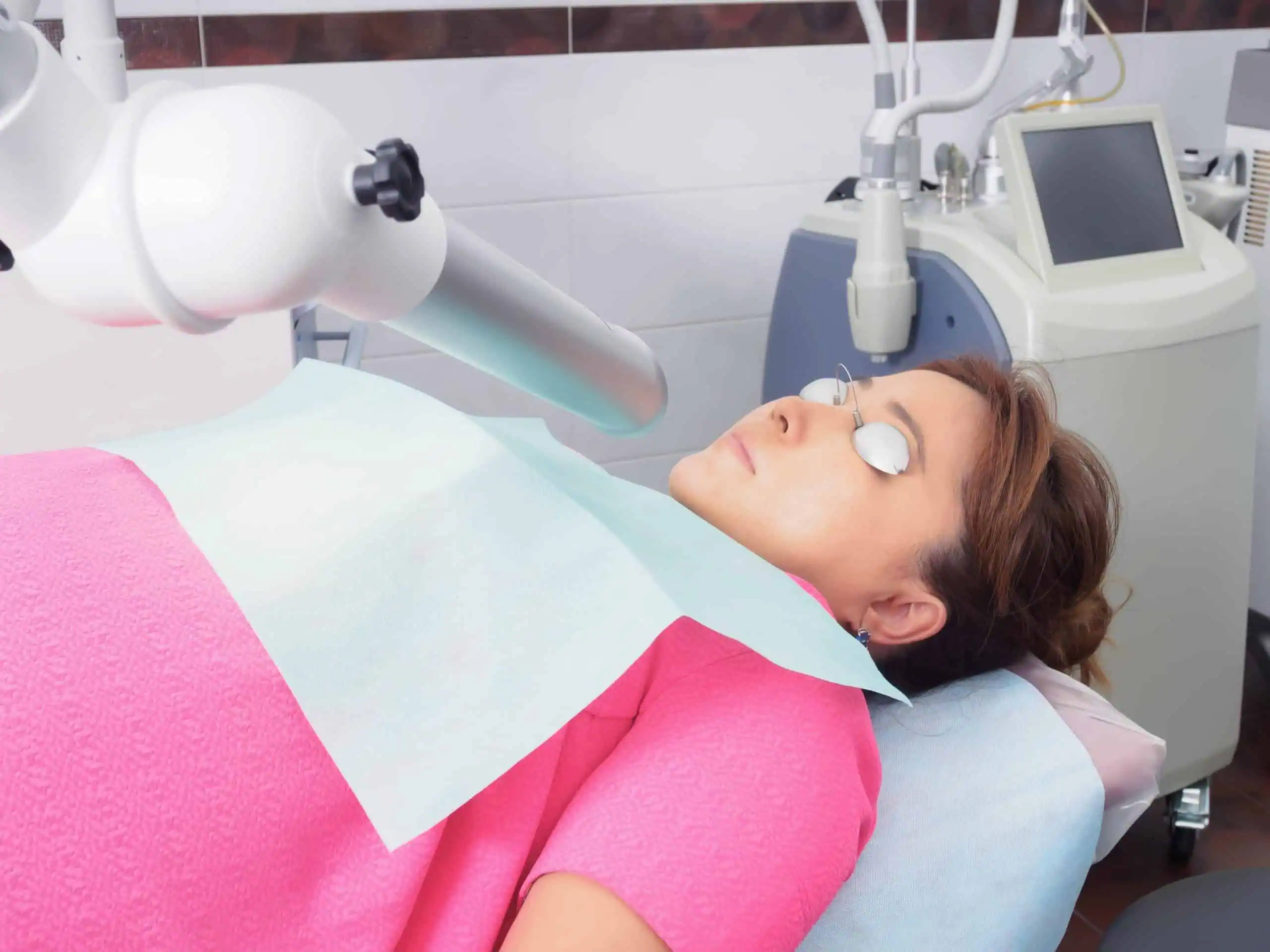
While laser skin resurfacing is beneficial in reducing acne scars and improving the overall appearance of the skin, new light-based treatments are an emerging alternative. These therapies for inflammatory acne have a solid safety profile, with no increased risk of bacterial resistance.
A couple of words of caution as you learn more about laser and light-based acne treatments. Home-use devices for light therapy can be far less effective than in-office treatments. There are countless such products for sale online, but none will match the strength and effectiveness of in-office procedures. Also, know that light therapy is usually most effective when used in combination with more proven treatments.
New Nitric Oxide Gel Acne Treatment
Researchers at Novan, Inc. have studied the physiology of acne and developed a new nitric oxide gel that has a different mechanism of action than traditional topical treatments. The SB204 gel stops the inflammatory process and treats acne in a completely new way.
Traditional acne treatment with retinoid drugs treats the condition by peeling and shedding the skin. The new nitric oxide gel is gentler on the skin. In terms of safety, the findings of a placebo-controlled trial show that the gel does not lead to an increase in the systemic level of nitrate. In addition, the gel does not affect the cardiovascular system. This new nitric oxide gel for acne is expected to hit the market by 2019.
All the above and other such upcoming advances in acne treatment can be quality-of-life-savers for teens seeking acne treatment, and for millions of adult acne sufferers as well. What’s most important is to find the right dermatology practice and professional skincare partner in your area. Because whether it’s teen or adult acne, it’s a confounding skin condition best managed in tandem with an experienced dermatology provider at your disposal.

What's All The Buzz About HydraFacial MD? Not Your Grandma's Facial!
We’ve been getting a ton of interest in recent months about a new cosmetic treatment we offer called HydraFacial MD. As word spreads about this rejuvenating procedure, our patients want to know more. What’s a hydrafacial? How does HydraFacial MD work? How will it benefit your skin? Is HydraFacial MD really any better than other facials?
You’ve been asking, we’ve been listening. Now, it’s time to answer some of your most common questions about hydrafacials, and about HydraFacial MD in particular.
What is HydraFacial MD?
HydraFacial MD is a 30-minute facial procedure that combines cleansing, chemical peel, exfoliation, and extraction. In the process, it takes out the bad stuff — like pore-clogging junk that causes acne outbreaks — and restores or adds the good stuff, leaving your skin looking younger and more refreshed.
HydraFacial MD actually incorporates five separate treatment phases into one session (though this can be tailored to your unique needs).
- Vortex Exfoliation – The safe but powerful HydraFacial MD wand delivers a proprietary serum (Secret’s out, it’s a combination of lactic acid and glucosamine) to break up and remove the dead skin cells that accumulate on the face. Like other exfoliation procedures, Vortex Exfoliation immediately begins to reveal younger, healthier looking skin.
- Vortex Peel – Your technician will then use the wand to apply a mixture of glycolic and salicylic acids. The Vortex Peel is a superficial chemical peel, which means it affects just the top layer of skin (epidermis). This type of peel doesn’t leave scaling and has very little risk of scarring, if any. The Vortex Peel can help reduce the appearance of shallow acne scars and fine to moderate lines and wrinkles.
- Vortex Extraction – The wand removes blackheads and clears clogged pores with a gentle circular suction.
- Vortex Boost – During this phase, you receive one or more of four proprietary serum blends filled with antioxidants, peptides, hyaluronic acid and more, depending on your particular needs. Growth Factor Boost, for example, contains various growth factors to help diminish the appearance of fine lines and wrinkle. Britenol Boost contains Alpha-Arbutin and vitamin C to reduce the appearance of sun damage and lighten dark spots.
- Vortex Fusion – In this step, your technician applies a serum containing antioxidants (e.g. vitamin E, white tea extract) and hyaluronic acid to your face. The Vortex Boost serum restores the skin and helps protect it from future insults.
A sixth phase, called Daily Essentials, is a take-home product that can help extend the benefits of HydraFacial MD treatments. Daily Essentials includes many of the same substances that are applied during Vortex Boost and Vortex Fusion phases.
Do HydraFacial MD treatments hurt?
HydraFacial is no more painful than the extraction and exfoliation steps of other facials. In fact, the way in which the HydraFacial MD wand delivers the serum and suction makes the procedure virtually painless. Most people report that treatments are virtually painless, especially compared to traditional facials.
Is HydraFacial MD any better than a standard facial?
First, you can assume that HydraFacial MD is better than any “facial” mask you buy at a drugstore or online retailer. Because it's a medical-grade facial, the question is really whether it's better than other medical grade facial procedures. HydraFacial MD is actually a hydradermabrasion procedure. It provides greater skin rejuvenation than regular dermabrasion or even chemical dermabrasion, but slightly less than non-ablative laser techniques and treatments.
Hydradermabrasion not only cleans and rectifies the skin immediately, it also stimulates the skin to be plumper, fuller, smoother, and more resilient. When you then add the flexibility of adding a customized assortment of skin care additives to the treatment, it is hard to find a traditional facial that can compete with HydraFacial MD.
Rapidly becoming one of Water's Edge Dermatology's most popular cosmetic treatments, patients are thrilled with the results; from help with acne conditions, to anti-aging benefits, to facial rejuvenation, beauty enhancement and more.
Best news of all?
In response to demand, Water’s Edge is currently featuring a limited-time HydraFacial Special Offer. Regularly a $275 value, this game-changing treatment is currently available for only $169 – and that includes a free gift of ZO premium skin care products!
If interested in learning more about other outstanding aesthetic services, cosmetic treatment options and promotional offers at Water’s Edge Dermatology, please visit the Cosmetic Dermatology section of our website periodically to see everything that’s now possible.
How to Deal With Dry, Itchy Winter Skin
 Updated November 19, 2020
There’s nothing worse than dry skin in winter… except maybe itchy skin in winter. Let’s face it: For most of us, winter skin is not our best skin. But the right winter skin care routine can help skin maintain that healthy summer glow.
What puts the “dry” in dry winter skin?
Winter skin is pretty much synonymous with dry skin (aka xerosis) thanks to outdoor air that’s naturally less humid and indoor air that’s less humid because of forced-air heat. The water content in the top layer of skin tends to change with the water content in the air, so drier air means a drier hide.
Dry skin in winter becomes a bigger issue with age, since the skin thins as we get older and doesn’t hold as much moisture. As the years go on, the skin’s sebaceous glands also produce less oil. This happens in women sooner than in men.
The skin may become so dry that it cracks and bleeds. In winter, eczema is also more likely to rear its ugly head.
RELATED: 5 Reasons Hand Eczema Flares Up (And How to Tame It)
The best moisturizer for dry skin in winter
The best way to prevent and treat dry skin in winter is to get in the habit of applying moisturizer at least twice a day. But choose your moisturizer carefully.
Before you grab a bottle of lotion, understand this: Most lotions contain a lot of water. After you apply the lotion to your skin, some of that water evaporates. When it does, the skin dries out further. Generally speaking, especially if you live in a cold climate, for dry, winter skin you’re better off with a cream or, for real trouble spots, an ointment. Creams and ointments contain more “grease” and less water.
Creams have another advantage over most lotions: Because the contain less water, they require less preservative, which means they have less potential for irritating sensitive skin.
Over-the-counter moisturizer brands dermatologists often recommend include CeraVe, Cetaphil, Vanicream and Eucerin. For ointments, Aquaphor Healing Ointment is one of the best. Other good ointment brands are Vaseline, Cetaphil, CeraVe and Aveeno.
Benefit-boosting ingredients to look for in a moisturizer include lactic acid and urea. Both are humectants, substances that pull water into the outer layer of skin to keep it moist. Ceramides and hyaluronic acid (gentler than it sounds) also pamper winter skin.
Cool your jets to stop the itch
Tempting as a long, steamy shower can be in winter, just say no. Save the hot water for washing dishes. Hot water can strip skin of its natural oils and make dryness and itching worse. Take warm showers instead, and try to limit your time under the spray to 10 minutes. On vacation, bypass the hot tub.
Use soap only where you need it, and choose a mild, fragrance-free soap or a non-soap moisturizing cleanser such as Dove. Pat yourself dry with a towel (don’t rub) and apply moisturizer while your skin is still damp. For extra-dry spots, petroleum jelly works well. After a shower is the best time to apply it, since it works by sealing in existing moisture. Unlike lotions and creams, petroleum jelly doesn’t contain water.
Other winter skin care tips
Slathering on the moisturizer and turning the hot water faucet lower should go a long way toward preventing and easing winter dryness and itching, but don’t stop there. These measures can also help keep your skin soft, supple and crack free all winter long:
- Run a humidifier in the room you use most. A humidifier is the best weapon against dry indoor air.
- Wear loose clothing. Winter is not the time for form-fitting pants or tops if you’re prone to itchy skin. Dress in layers if necessary.
- Review your skin care routine. Continue to use a mild exfoliating product, whether it’s a gentle scrub or an exfoliating cleanser containing glycolic acid, since removing dead skin cells helps moisturizer penetrate better. But if your skin is dry and itchy, you may want to take a break from products containing ingredients such as retinoids, which may be too drying in winter.
- Avoid irritants. That includes wool and other scratchy fabrics. It may even include your regular laundry detergent. Try switching to a hypoallergenic laundry detergent and see if that helps. Wear gloves to protect your hands when washing dishes.
When to see a dermatologist
If you’re still battling dryness and itching after babying your skin, it’s time to consult your dermatologist. You may need a topical steroid cream or another prescription cream or ointment. Your dermatologist can also rule out underlying health conditions, including hypothyroidism, diabetes, kidney disease and liver disease, that can cause dry, itchy skin.
In the meantime, do yourself a favor and resist scratching. It only makes things worse.
Written by Marianne Wait, an award-winning health and wellness writer based in New Jersey.

Finding Your Family’s Perfect “Skincare Partnership”
Skin problems can begin appearing during infancy, and continue right into old age. That’s why it’s well worth establishing a lifelong “skincare partnership” with the best dermatology practice within your ongoing, convenient reach.
When Benjamin Franklin famously said “An ounce of prevention is worth a pound of cure”, chances are he wasn’t referring to healthy skin. But given how preventable, detectable and treatable most skin disorders and diseases are, he might as well have been.
That’s one big part of having a professional skincare partnership. As you and your family age, the skin issues and challenges facing you keep changing. A great dermatology practice will be by your side throughout. Educating and assisting with preventive care; putting knowledge of each family members’ medical history to good use when needed to develop customized treatment plans.
As with other organs in our human bodies – but on a larger scale because it’s our largest human organ – our skin goes through different stages of development and vulnerability as we age. Getting ongoing, age-appropriate information about a variety of age-specific skin conditions promotes prevention and early detection of skin disease. And that can be life-saving.
Throughout childhood and adolescence, having a qualified partner in skincare can be a game-changer. From molluscum contagiosum in young children to acne in teenagers; from “chicken skin” to warts, hives and assorted rashes… knowing how to prevent such skin conditions and getting personalized treatment for them when needed saves a whole lot of hassles, and heartache.
As we grow into adulthood and then hopefully old age, skincare challenges persist. Our skin gets thinner, and drier. There’s less elasticity and more sagging, as at first fine facial lines and then deeper wrinkles appear. Hormonal changes and challenges can cause adult acne and other skin troubles. And the stress and lack of sleep so many adults endure can cause a wide range of skin disorders.
With such skin vulnerability throughout our lives, it’s undeniable that a skincare partnership with a leading dermatology practice such as Water’s Edge Dermatology can only help you and your family cope — especially in Florida, “The Sunshine State”.
For one thing, WEderm is an undisputed leader in state-of-the-art skin cancer diagnosis and treatment at more than 30 local community offices.
For another very cool thing, when WEderm is your partner, you also have an incredibly effective range of cosmetic and aesthetic anti-aging and beauty-enhancing services at your disposal.
By now, you likely know that exposure to UV rays from sunlight or artificial devices such as tanning beds is the leading cause skin cancer.
The occurrence of skin cancer and its deadliest form, melanoma, doubled from 1982-2011. Upwards of 50 percent of us reaching age 65 will have had at least one occurrence of Basal Cell or Squamous Cell Carcinoma.
A single blistering sunburn in childhood or adolescence can almost double the risk of melanoma. Five before age 20 can raise the risk by 80 percent.
And another American dies from melanoma every 54 minutes.
Statistics don’t lie.
Best defense (alongside faithful sunscreen usage)?
Establish an ongoing relationship with a premiere dermatology practice. One that’s committed to both preventing skin cancer, and to being equipped with the best possible practitioners, technologies and treatment options to beat it whenever necessary.
Whether it’s the scourge of skin cancer, or the more common skin problems that plague so many of us from childhood into adulthood and old age… finding the right skincare partnership and sticking with it will help you and your family achieve and maintain the healthy, beautiful skin you want, through every age and stage of life.

Tanning Safety & Skin Cancer Risk for Young Women
Ask most young women if appearing tanned is important to looking and feeling their best, and the answer will often be yes. Simply put, many still perceive a tanned face as a sign of health and attractiveness. It's a long-standing, common perception that still motivates millions to hit the beach and/or tanning salon, searching for that sun-kissed look. That means we need to do all we can to increase understanding of tanning safety.
Exposure to sunlight and indoor tanning means exposure to damaging UV rays, proven to be the leading cause of skin cancer. The bottom line is, young ladies still pursuing a tan via UV light are at significantly higher risk of getting skin cancer later in life.
Tanning Safety Facts & Figures
As the popularity of the “tanned look” continues, so does the rise in skin cancer cases among young women. Statistics show that more people develop melanoma from tanning than those who develop lung cancer from smoking. And current data from the Skin Cancer Foundation reveals that more than 419,000 cases of skin cancer in the USA are related to indoor tanning.
In fact, anyone under the age of 35 using tanning beds increases their risk of melanoma, the deadliest form of skin cancer, by 75 percent. This has prompted several states to restrict people under age 18 from patronizing businesses and using devices related to indoor UV tanning.
Prevention
Evidently, one effective way for you to prevent skin cancer is by avoiding tanning beds. Usage of them is in fact the leading cause of melanoma in the USA. And because younger women tend to be out in the sun more, here are other tips to keep the UV rays at bay:
- Apply and regularly reapply (every 80-90 minutes) sunscreen with SPF 30 or higher whenever out in sun.
- Start carrying other tanning safety essentials in a bag you leave in your car, or can carry in a shoulder bags items – such as a wide-brim hat, lightweight and long-sleeved shirt and pants, sunglasses, and an umbrella.
- Be sure to schedule a full-body skin exam at the dermatologist’s office at least once a year, more if you and/or your family has a history of skin cancer.
ABCDEs of Melanoma
In between dermatologist skin screenings, it’s important to track the status of any moles and skin spots you may have, especially new ones. You can do that with regular self-exams (or you and your significant other can examine one another), using the simple ABCDE system to look for any of the following characteristics:
- Asymmetrical moles or those with irregular shapes
- Blurry border or jagged edges
- Color not even
- Diameter larger than a pencil eraser
- Evolving or changing moles after weeks, months, or years
If the ABCDEs don't apply to your moles, good news! You may still want to explore paying to have a mole removed, but it likely isn't a health concern. However should any of the above characteristics be found, it’s time to play it safe and find a great dermatologist in Avon Park, Jensen Beach, Lighthouse Point, or any other Florida city you happen to call home.
Getting the tanned look – safely
While being tanned may be an undying – or just a slowly dying – beauty trend that you choose to follow… that doesn’t mean you have to rely on UV rays to do so. The selection of safe, indoor tanning creams and sprays just keeps getting bigger and better. So, if you want that tan… consider getting it from a can (or jar, bottle… you get the point)!
Call Water’s Edge Dermatology at (877) 900-3223 today, or request an appointment online.

Top 5 Causes of Children's School Year Skin Problems
When summer officially ends every late September, the somewhat stressful “Back-to-School” season is also pretty much over with – whew! The question is, did shopping for school supplies and other preparations also leave you well-prepared for dealing with inevitable school year skin problems?
Below are 5 of the most common causes of skin problems among schoolchildren, plus some practical skincare tips on how to prevent or treat them.
Stress
It’s remarkable how much stress affects the skin. Various rashes and acne are commonly caused by stress. So what can you do to help minimize the impact of stress on your children's skin? Find the right tools and techniques to keep their stress levels low (easier said than done, but think communication, exercise & relaxation). Ensure they gently wash their face twice daily with a mild, natural cleanser and warm rather than hot water. And get them to use a hypoallergenic, lightweight moisturizer (with SPF 30 or higher sun protection) daily.
Hormones
Hormones can play a huge role in causing acne for teens, and for an increasing numbers of "tweens" too. Getting your schoolkids into a consistent daily facial cleansing and skincare routine is extremely important. Visiting a dermatologist for the right acne treatment will be warranted in some cases. In extreme instances, you may also want to ask your family physician if hormone therapy is worth consideration.
Sweat
Let’s face it. Here in South Florida, everyone sweats, which can cause rashes and acne breakouts. Training your children to seek shade outside and stay as dry as possible can help. Same with washing off sweat as soon as possible. Consider adding gentle, individually wrapped facial wipes, a lightweight, comfy cap or hat and a soft, absorbent washcloth or bandana to their daily backpack load. But remember to put that bandana in a baggie to keep it clean, and replace with a clean, dry one each day!
Sports
Autumn sports such as football can cause their own set of skin conditions. In Florida, there’s still the sun and heat causing heavy sweating. And sports helmets can cause folliculitis (inflammation of hair follicles). Washing the face immediately after sports activity and cleaning helmet pads with rubbing alcohol are good preventive measures. Some sports uniforms and gear can also cause allergic reactions to some kids. If skin irritations develop in weeks after donning uniforms, a trip to your nearest Water’s Edge Dermatology office is in order.
Shoes/Clothing
Switching from summer’s tank-tops, shorts, and flip-flops to shoes, sneakers, and school uniforms can trigger common skin conditions, such as athlete’s foot. Breathable socks that wick away moisture from damp feet and over-the-counter foot powders that do the same can help prevent such fungal skin infections. New school uniforms should always be washed before first wearing, and if possible, given a day of “test-wearing” to identify any possible irritation or allergic reaction.
Of course, getting the kids on board with a program that addresses the 5 issues above can be…challenging. Explain to them that getting and keeping the clear skin they crave is the goal, the reason for all the extra efforts. Putting sticky notes on bathroom/bedroom mirrors at home with gentle and/or humorous reminders can also help. And if/when needed, virtually all of our dermatology providers specialize in pediatric dermatology as well as adult skincare.
For questions on common school year skin conditions affecting children, such as skin rashes, skin infections and head lice, please contact Water’s Edge Dermatology for an appointment with one of our practitioners by calling your local office, or toll-free at (877) 900-3223. You can also request an appointment online.
Here's to you and your children having a happy, healthy school year!

Welcome to the new Water's Edge Dermatology Blog
It's worth repeating because it's a been a long time coming: Welcome to our new Water’s Edge Dermatology, or WEderm Blog!
We pledge…
No stern lectures about using sunscreen (but please do use it, lol!) – or about any other skin care issues.
No overloading you with medical jargon.
No overdoing it on any one topic till the very mention of it turns you off.
And you will not find wall-to-wall seriousness at the Water's Edge Dermatology Blog, as we allow ourselves and guest bloggers to use a little humor (respectfully and tastefully) to touch on some aspects of dermatology and skin care.
Now you may be thinking… "OK, I know what it won't be... so what will the WEderm Blog be like?"
Mission Number One? Keeping our posts varied, engaging, and useful. We’ll do our best to keep it conversational, and relatable. And we'll feature a diverse mix of up-to-date dermatology information, practical skin care tips, unique insider insights, and personal stories.
While we’ll do close-ups on individual skin problems and diseases, we’ll also cover subjects such as Skin in Nature, Skin Science, and the lighter side of skin – from makeup trends to unusual stories about skin from around the world.
Our goal is to keep you engaged, and coming back for more… and in the process allow you to become as knowledgeable as you’d like about skin and skin conditions; and as comfortable as possible partnering with and regularly visiting a dermatologist, to maintain healthy, beautiful skin at every age and stage of life.
We know that many people remain hesitant or scared of going to a dermatologist office – until something goes wrong and they have to.
So the Water's Edge Dermatology Blog is here in no small measure to ease fears, and help the hesitancy fade away, by empowering you with relevant information, tackling sensitive topics, answering your questions, sharing success stories, and more.
Let’s start by briefly addressing some common reasons for hesitancy about visiting a quality dermatology provider:
- “There’s nothing odd-looking on my skin, I don’t need a dermatologist.” Maybe. But you know what they say about looks being deceiving? Getting a baseline skin exam at least once yearly is recommended for everyone. And here in “The Sunshine State”, many of our patients visit us 3-4 times a year – even without a skin problem.
- “My insurance doesn’t cover specialties.” Annual skin screenings are often and increasingly covered, so check.
- “I don’t want to get naked in front of strangers.” Not many people do. And depending on your skin issue, you may not need to (unless you really do want to… nahh, just kidding!). Besides, from body weight to hairiness, dirty nails, tattoos, spray-tan accidents – you name it, we’ve seen it. And we couldn't care less. Our Water’s Edge Dermatology offices are genuine “judgement-free zones”.
- “Spots on my skin aren’t bothering me, I don't want to have to get a biopsy.” Simply having moles or spots doesn't mean you'll need them biopsied. Dermatology providers are trained to identify the suspicious lesions which – unless biopsied – could turn out to be skin cancer. If you do have a suspicious growth and require a biopsy, know that the process is quick, and virtually painless.
So... any of those concerns familiar?
Sure they are, for some folks – and that’s fine. We’re here to offer you (and/or your loved ones) the kind of information, insight and reassurance that helps overcome hesitancy, and gets you into a partnership with a great dermatology practice… for the lifelong health and beauty of your skin.
Again, welcome and thanks for visiting our new Water's Edge Dermatology Blog! Please do connect and share your feedback and ideas... and come back and see us again soon!

Top 4 Overlooked Sun Damage Risks
If you’re like millions of other people, you’re probably enjoying as much outdoor fun in the sun as you can with friends and family this summer. And you probably know the basics of Sun Safety and Skin Cancer Prevention:
- Avoiding direct sun exposure (if you can) from 10 am-4 pm, when UV rays are most harmful.
- Using SPF 30+ sunscreen on every inch of exposed skin, even on cloudy days.
- Keeping sunscreen, floppy hat, lightweight, loose-fitting, long-sleeved shirt and pants ready in the car, so you’re prepared for any unexpected, prolonged sun exposure.
But what about situations, when you don’t realize some part of your skin is endangered?
Caution around windows
Though windows offer some protection from UVB rays (chief cause of sunburns), they typically don’t block UVA rays that can cause skin cancer. About 90 percent of all non-melanoma skin cancers are caused by sunlight – including what’s streaming through the windows of your house. It may look great, but don’t get stuck sitting (or napping!) in its direct path for long.
When it comes to the workplace, many newer office buildings have UV blocking windows to protect employees during the workday, but you still need to be careful. If you’re getting direct exposure through untreated windows for more than 15 minutes a day, it’s worth asking your company to explore getting protective shades or other window treatments.
Sun exposure through car windows is also a big problem. That’s why so many skin cancer growths appear on the tops of hands and outer parts of arms of drivers. While not a major risk if you only drive 10-15 minutes or so at a time, those with longer commutes and other long drives need to look, see and understand exactly what part of their bodies are exposed to sunlight – and protect them.
Fortunately, most modern windshields are UV-protected, so it’s your side and rear windows you need to worry about. If needed, consider getting them UV-protected too. Also, consider wearing long-sleeved shirt and pants for longer trips, and applying (and remembering to reapply every 90 minutes) SPF 30+ sunscreen to all exposed skin.
Water/Sand/Snow increase risk of sun damage
Don’t forget that when you’re at the beach or other waterfront, the water, sand and even the sea foam all reflect and intensify damaging UV rays. And because those reflected rays are often bouncing up at you from below, that can cause sunburn damage to unexpected places, including the underside of your chin and nose, and the backs of your ears.
Meanwhile, although you probably won’t be playing in the snow this summer, know that the same goes for snow, with UV rays reflected by snow almost twice as powerful as normal.
Comprehensively applied and repeatedly reapplied sunscreen, protective clothing and shade are your allies in battling these heightened sun exposure risks.
Protection Important on Cloudy Days Too
The shade of clouds certainly can feel good and cool you down on a hot summer day, but don’t be lulled complacency. In fact, 87-percent of UV rays still make their way through clouds, fog and mist. Bottom line? Same risks and sun protection necessities apply on overcast days as do on clear ones. All it takes is one awful, unexpected, cloudy-day sunburn to know that’s true!
Protect all your nooks and crannies
There are some areas on your body you may think don’t need sun protection, or that you overlook when applying sunscreen in too much of a rush. But unfortunately, they’re just as vulnerable to sun damage as the rest of your skin. So fully protect those hands, feet, backs of knees, necks, ears, and underarm areas!
To sum up, you may think it’s tiresome or overly cautious to keep up with all this, and some in your family (hmm, the kids, especially?) may think it’s a pain… but if you make it happen and stick with it, you’ll have the comfort of knowing you’re doing everything possible to prevent skin cancers for yourself and loved ones later in life, and you can continue enjoying the great outdoors in safety, and good health.
To learn more about skin cancer prevention, detection, diagnosis and treatment, please visit the Skin Cancer section of our Water’s Edge Dermatology website.

8 Great Food Tips for Super Skin
Medical review by Michael Siino, PA-C
Just about everybody knows the old saying, “You are what you eat”… right?
Let’s get real, it can be… disconcerting, to look in the mirror and notice a new wrinkle forming on your face, or to see newly visible signs of aging anywhere on your skin, for that matter. Well, here’s the skinny on eating your way to better skin, 8 great tips and skin foods to keep the largest organ in your body looking and feeling as good as possible, for as long as possible:
- “Good” fats – monounsaturated and polyunsaturated fats, to be specific. Foods high in these include olive oil, along with peanut, canola, safflower oil and sesame oils; plus avocados, peanut butter, and most nuts and seeds.
- Protein, such as lean beef (grass-fed would be good!), skinless chicken, seafood, low-fat milk & dairy products, especially yogurt.
- Antioxidant-rich foods boost your skin’s sun-blocking capacities, and since sun exposure is a major cause of skin aging and wrinkling, not to mention skin cancer, you’ll want to eat more whole grains, tomatoes, sweet potatoes, sunflower seeds, salmon, asparagus… and wash it all down with the antioxidant-rich green tea!
- Unprocessed and unrefined grains and flours, which can help fight skin damage and contain vitamins such as Biotin, which helps prevent dry, scaly skin. On the other side of the coin, eating processed and refined carbs – think white bread, most bagels, donuts, pizza, etc. – can mess with your blood sugar and initiate an acne outbreak. So, the more whole grains, the better.
- Omega-3 fatty acids, found in tuna, salmon, sardines and herring, and also in walnuts and flax seed. Omega-3 is proven to keep skin hydrated and smoother by reducing the loss of water from skin cells.
- Vitamins A, B, C and many other natural nutrients found in fruits and vegetables; with berries of all kinds, oranges, kiwis, and dark leafy greens such as spinach and kale, all tops for skin health and youthfulness.
- Isoflavone has been found helpful in reducing signs of aging in the skin, and can be found in soybeans and soy-based foods.
- Silica, a mineral that’s great for strong bones and teeth, has also been shown helpful for both hydrating your skin, and for helping it to retain its elasticity. One easy way to get your natural silica is to eat the fruit/veggie peels and skins that you’ve probably been throwing away without thinking… but they’re a fantastic source of silica!
Last but in no way least, know that you can eat all the scientifically-proven skin-boosting foods you want without reaping the benefits – if you give in to empty calories and junk food cravings too often. Sure, you’ve got to live your life and have some fun. But if you want your skin looking its best while you’re doing it, for many years to come, then you’ll keep the junk to a minimum.
One more thing. Don’t forget to visit your dermatologist at least once a year for a skin screening, and for news on any new developments or breakthroughs in anti-aging treatments, and skin care.

Men’s Skin: Saving Face
For too many men, a daily facial care “regimen” means swiftly swirling a bar of body-deodorant soap across their face before rinsing off and rushing out of the shower. And word has it, some men even use trickle-down lather from their shampoo for a quick facial scrub!
Let’s face it, lots of guys need to step up their facial skincare game. Aside from maintaining good health and hygiene, the potential anti-aging and physical appearance benefits make it a no-brainer.
First, a Word on Sun Exposure
Protection. That’s the word on the sun exposure. The single best action any man can take to keep his face in good health, and looking good, is to wear sunscreen (SPF 30 or above) every day, without fail, not just when you go to the beach!
Statistics on increasing rates of skin cancer in men are alarming; and nothing increases the risk of developing it — not to mention deeper facial lines and wrinkling — like exposure to the UV rays of the sun, and indoor tanning devices. The easiest way to protect yourself on a daily basis is to make sure that the moisturizer you use in the morning after cleansing is labeled as having SPF 30 or above.
So... what kind of cleanser and moisturizer to use?
Know Your Skin Type
Different types of facial skin call for different cleansing and moisturizing regimens. As you probably know, the three basic types are oily, normal, and dry. But the most common is “combination skin”, which usually means oiliness in the t-zone (forehead, nose, chin and around the mouth), with varying degrees of dryness on the cheeks.
For normal skin, choose a gentle, natural facial cleanser, perhaps something coconut-based that gets rid of the day’s accumulated dirt, oil, and bacteria, without being overly drying. Then you’ll want to use a lightweight, oil-free moisturizer to hydrate the skin effectively.
If you have oily skin, look for a liquid cleanser with salicylic acid, which helps to “mattify” the skin and counterbalance the oiliness and shine. Then follow with very moderate application of a lightweight, oil-free moisturizer that also contains a little salicylic acid.
Dry skin calls for an all-natural, soap-free gel or cream cleanser that won’t irritate sensitive skin. Then, add extra hydration (and try to hold onto it!) with a weightier moisturizer that contains hyaluronic acid, which helps bind moisture to the skin.
If you do have dry skin, you may also want to try some natural facial oils, hydrators that relieve tightness and make your skin feel smooth. Argan oil is a good one to try.
And for combination skin, the trick is to effectively cleanse and moisturize without adding excess oils, or overly drying. Try a liquid cleanser with glycolic acid, which tones the skin without over-drying; and a lightweight-to-moderate moisturizer, using in careful moderation in that oily t-zone.
Avoid Shaving Irritation Issues
Shaving irritation may be the bane of many a man’s existence, but unless you’re ready for the bearded look, you’ll have to face up to it!
It helps to prep your face before you shave with plenty of warm water, which opens up the pores and loosens those hair follicles. However, if your face is actively irritated already and you must shave, cold water may actually feel better.
Then, use a higher quality shaving cream made for sensitive skin, and always shave with a still-sharp razor. If you use disposables, buy high quality ones, and change them often.
After shaving, consider using a cream or lotion made to help ease razor burn. Nivea makes an affordable “Men’s Sensitive Post Shave Balm” that’s usually available at your local drugstore. Or, you can go for more “upscale” selections at specialty and department stores, such as Kiehl’s “Razor Bump Relief”.
Make Regular Dermatologist Visits
Statistically speaking, men are more reluctant and unlikely to go to the doctor when something is bothering them — especially when it hasn’t risen to the level of being in-your-face life-threatening.
But when it comes to preventing skin cancer or diagnosing it early enough to cure and/or effectively treat it; and when it comes to looking your best and putting your best face forward... any man’s long-term plan for “saving face” should include having an experienced dermatology provider at the ready, both for annual skin cancer screenings, and for any facial or other skin care problems that come up in between.