
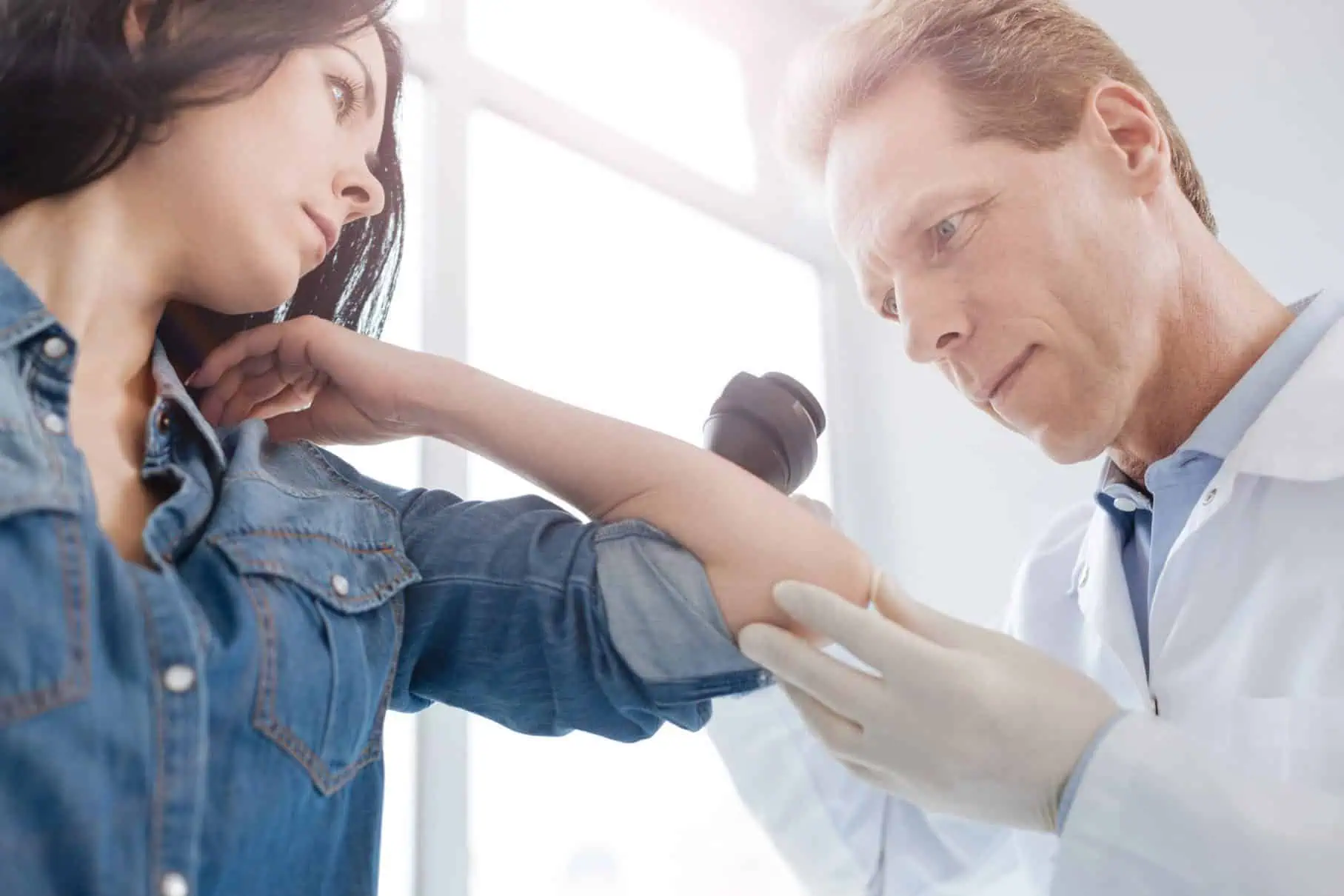
Spotting Skin Cancer
Have you ever looked at a spot on your skin and asked yourself, “Should I be concerned about that?” Most of us have. At Water’s Edge Dermatology, we want to help make everyone smarter about skin cancer diagnosis and treatment.
Skin cancer is the most common cancer in the United States. Early detection is vital. When diagnosed early, skin cancer treatment has a high success rate. Though most skin cancer occurs on the outside of your body, it can appear anywhere – from your scalp to between your toes and even the bottoms of your feet and under your nails.
The American Academy of Dermatology encourages everyone to conduct regular skin self-exams. That way you can be aware of any changes in your skin over time. If possible, have a partner do a skin check with you and help you examine hard-to-see areas like your scalp and back.
What skin cancer looks like
Skin cancer can appear on the body in different ways and can look like:
- A changing mole or mole that appears different from your other moles
- A dome-shaped growth
- A scaly patch
- A non-healing sore or sore that heals and comes back
- A brown or black streak under a finger or toenail
Dermatologists sum it up this way: If you notice a spot on your skin that differs from the others, changes, itches or bleeds, you see your dermatologist and have it checked out.
But I don’t feel sick
You can have skin cancer and feel just fine. In fact, most people who find a suspicious spot on their skin or a streak under a nail report that they don’t feel ill. If you notice a suspicious-looking spot, make an appointment with your Water's Edge Dermatology provider. Remember, when diagnosed early, skin cancer treatment is highly successful. If it is allowed time to grow, treatment can become more difficult.
There are three main types of skin cancer: basal cell carcinoma, squamous cell carcinoma, and melanoma. Basal cell and squamous cell carcinomas are quite common and generally not life-threatening. Often, they can be treated using non-surgical methods such as Electron Beam Therapy. MOHS surgery is sometimes recommended depending on the size and location of the skin cancer.
Melanoma is a more serious type of skin cancer, though when detected early, melanoma is also highly treatable. People with an increased risk of melanoma, including men older than 50, people with more than 50 moles or large or unusual moles, people with fair skin, and those with a history of cancer, should talk to a dermatologist about how often they should schedule a skin exam from their practitioner.
What will the dermatologist do?
When you see your dermatologist for a suspicious spot, the provider will first examine the area. If it looks like it could be skin cancer, your dermatologist will remove all or part of it as part of a skin biopsy. A biopsy of the suspicious growth is the only way to diagnose skin cancer.
The biopsy is reviewed under a microscope by a dermapathologist to see if cancer cells are present. If cancer cells are identified, the biopsy report explain what type of skin cancer cells were found. Following a skin cancer diagnosis, your dermatologist can recommend the best skin cancer treatment for you.
If no cancer cells are found, the biopsy report will explain what was found under the microscope.
Water’s Edge Dermatology recommends that everyone have skin cancer screenings from a board-certified dermatologist, especially in sunny Florida. Schedule an appointment today and enjoy peace of mind. Click here to request an appointment or call 877.533.8214.

National Health Education Week
National Health Education Week is observed every year during the third full week of October. At Water’s Edge Dermatology, we strive to educate our patients about keeping skin healthy every day of the year. One of our goals is to share innovative products that help heal your skin. One of those innovative products is Dermaka, developed by our very own Dr. Ronald Bush.
Dermaka is an all-natural plant-based cream, enriched with vitamins, that can be used on all types of skin disorders, including post phlebectomy, sclerotherapy, chemical, and laser peels. Dermaka has anti-inflammatory, antimicrobial, and antioxidant properties that help heal the skin and decrease bruising, redness, and irritation after procedures that disrupt the skin’s natural barrier.
Dr. Bush is responsible for the development and clinical applications of this powerful healing cream. Dermaka is formulated from natural plant extracts with added vitamins essential for skin health, which include:
- Arnica Montana, Bromelain, and Glycrrhiza Glabra – reduces redness, inflammation, and bruising
- Chamonilla Recutita – which has both anti-inflammatory and antiseptic properties
- Camellia Sinensis – a powerful antioxidant, anti-inflammatory, and stimulator of skin microcirculation
- Vitamin A and E – two powerful antioxidants that promote cell regeneration
- A base of Cetearyl Olivate and Sorbitan Olivate (olive oil) – to soften and moisturize the skin
“Though I developed Dermaka to help patients heal their skin, because it is formulated from all-natural ingredients, it is safe to use as a daily moisturizer,” said Dr. Ronald Bush. “Dermaka is showing excellent results for our patients, and no side effects have been reported.”
Dermaka can be purchased at shop.wederm.com without a prescription. For best results, Dermaka should be applied three times daily or as instructed by a health care professional. Make an appointment today at one of our 17 Vein Center locations.
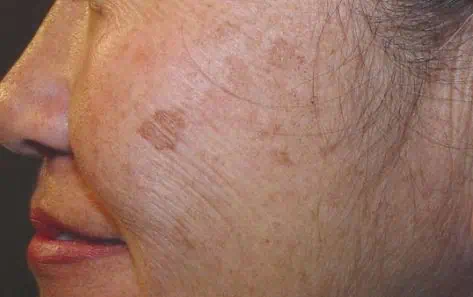
Dark Spots & Hyperpigmentation
No one wants dark spots and skin discoloration, but the fact is millions of Americans have them. Hyperpigmentation is a general term that refers to a condition where the skin is discolored or darkened. Dark spots caused by hyperpigmentation can make you look older and can be the result of several factors including acne scarring, sun damage or inflammation from an eczema flare-up. Melasma is a type of hyperpigmentation that appears as a form of skin discoloration and is made worse by sun exposure. It affects more than five million Americans, mostly women. In order to properly treat these conditions, it’s important to understand the differences between them.
Hyperpigmentation
Hyperpigmentation includes any darkening of the skin. Acne, sun exposure, and skin rashes can stimulate the pigment-making cells of the skin, called melanocytes. When that happens, those cells often produce a surplus of pigment into lower levels of skin, causing a dark spot. The deeper the pigment, the harder it is to treat. It works much in the same way as a tattoo. The severity of skin darkening varies. When skin is consistently exposed to harmful UV rays without sunscreen protection, it will be more difficult to treat than a dark spot left over from a pimple that has been shielded from the sun.
Melasma
Melasma is a type of hyperpigmentation, more commonly seen in women and especially women with darker skin tones. It is believed to be triggered by UV exposure and hormones that increase during pregnancy and after starting oral contraceptive use or other hormonal therapies, which can make melasma tougher to treat than traditional hyperpigmentation.
You can usually tell if you have melasma based on the appearance of the spot, which typically appears as symmetric blotchy hyperpigmented patches on the face, often on the cheeks, nose, forehead, chin, and upper lip. It can occur on the neck and forearms as well as other parts of the body prone to sun exposure. Melasma generally is worse in the summer and improves in winter. It can also appear during pregnancy or after starting birth control or other hormonal treatments. Visible light and heat often contribute to melasma spreading. Some dermatologists recommend using makeup with iron oxide to help block visible light.
Treatment
Hyperpigmentation can be treated using chemical peels or with a variety of over-the-counter products that contain skin brighteners such as vitamin C, kojic acid, niacinamide, hydroquinone, and azelaic acid. Melasma is more difficult to treat. Because melasma remedies that work for one person do not necessarily work for another, it is difficult to identify one effective treatment. Many dermatologists recommend a combination of sunscreen to protect the skin, brightening ingredients, and laser treatments for patients with melasma.
Melasma often responds to treatment with lasers in low energy, such as the Clear + Brilliant laser which uses low energy fractionated technology for melasma, sun damage, and skin texture. At least three treatments are needed monthly followed up by treatment every six months to maintain results. Talk with your dermatologist to determine the right plan for your skin.
Skin Protection
Always use sunscreen to protect your skin. Use a moisturizer with sunscreen and apply sunscreen with an SPF of 30 or higher every two hours when you plan to be in the sun or even inside sitting near a window. Hyperpigmentation and melasma can likely be avoided by incorporating sunscreen into your daily skin regimen.
At Water’s Edge Dermatology, our board-certified physicians and medical support team can create an effective treatment plan to treat your hyperpigmentation or melasma.
Non-Surgical Electron Beam Therapy for Skin Cancer at Water’s Edge
Skin cancer is the most common cancer in the U.S., and it is estimated that one in five Americans will develop skin cancer in their lifetime. Nearly 9,500 Americans are diagnosed with skin cancer every day, totaling nearly 3 million people. The two most common kinds of skin cancer are basal cell carcinoma and squamous cell carcinoma, which are also sometimes called nonmelanoma skin cancer. Rates of skin cancer are on the rise, with women experiencing the greatest increase in skin cancer numbers.
Basal cell carcinoma
The most common of all cancers, basal cell carcinoma accounts for more than 90 percent of all skin cancers in the U.S. It is a slow-growing cancer that is unlikely to spread to other parts of the body. Basal cell carcinoma has increased in recent years due to sunbathing and use of tanning salons. Though rarely fatal, it’s important to catch it in early stages. Look for pink bumps with these features:
- Pearly or waxy appearance
- Sunken center
- Irregular blood vessels on the surface
- A tendency to bleed easily after injury
Squamous cell carcinoma
Squamous cell carcinoma also rarely spreads but does so more often than basal cell carcinoma. It is the second most common skin cancer. Also, rarely deadly, it may spread to nearby tissue or recur if not caught early. Look for:
- Raised, dull-red skin lesion
- Thick-crusted scale
- Ulcerated appearance
Additional warning signs
Both basal and squamous cell cancers commonly develop on areas of the skin that are exposed to the sun. These include the head, face, neck, hands, and arms. The development of an actinic keratosis is an early warning sign of skin cancer. This is a precancerous skin lesion that may appear pink or red in color and rough or scaly and may become larger if not treated.
Non-surgical treatment with Electron Beam Therapy
These cancers often can be treated without surgery using a type of radiation called Electronic Beam Therapy (EBT). EBT is a state-of-the-art treatment that is particularly helpful for treating cancers near the eyes, ears, nose or lips. EBT is also recommended for patients who have other medical issues that make surgery less desirable.
EBT uses a very thin, non-penetrating electron beam to destroy cancer cells in the targeted area while allowing protection of healthy cells. EBT doesn’t go any deeper than the skin, which helps limit any side effects to organs and body tissue.
EBT is painless. Each treatment lasts only a few minutes. For most patients, treatment involves two to six weeks of daily EBT, depending on the size and location of cancer. Patients experience little to no discomfort, and side effects are typically limited to the treatment site. Best of all, EBT delivers a 90 to 98 percent cure rate, depending on the location of the skin cancer.
Water’s Edge Dermatology offers EBT in several of our offices, including:
Enjoy peace of mind and request an appointment today for a skin cancer screening. Request an appointment.

5 Tips to Help Your Teen Overcome Acne
Acne is the most common skin disorder in the U.S. and affects 40 to 50 million Americans. Just when appearance often becomes so important to teens acne can strike and strike hard. By the mid-teens, more than 40 percent of adolescents have acne.
At Water’s Edge Dermatology, teens come to see our acne experts tens of thousands of times each year. We know that acne can take a toll on a teen’s outlook on life, social adjustment, and even school performance. Studies show that teen acne can result in lower self-esteem, poor body image, social withdrawal, depression, anger, and frustration.
The good news is that there are things that parents can do to help teens overcome acne, starting with these five steps from the American Academy of Dermatology (AAD):
Tip 1: Take acne seriously
Telling your teen that acne will clear up on its own may do more harm than good. Kids with acne may be bullied and called names like “pizza face” or “crater face.” Studies have shown that when acne clears, self-esteem also rises. Treatment can help prevent acne from getting worse. Without treatment, acne sometimes becomes severe and may leave permanent scars.
Tip 2: Be cautious about reminding your teen to use acne treatment
It’s true that for treatment to work, your teen must use it. But because they are teenagers, daily parental reminders sometimes feel like nagging and may actually backfire. Fewer reminders may be more effective. Do help your teen keep all of their dermatology appointments. Studies have shown that teens are more likely to follow a treatment plan right before and after an appointment.
Tip 3: Reduce stress
Just about everything can be stressful during teenage years. Stress can cause acne to flare up, so do what you can to reduce stressful situations for your teen, encouraging physical activity, build into their schedules downtime to chill out, and share the importance of just taking a moment to pause and take a deep breath.
Tip 4: Watch for signs of depression
Acne can affect how teens feel about themselves and can lead to depression, anxiety or both. Watch for these signs:
- Sadness lasting 2 weeks or longer
- Loss of interest in activities your teen once enjoyed
- Avoiding social activities
If you spot any of these behaviors, seek professional counseling to help you help your teen. At some point, once you are confident your teen is ready, consider seeing a dermatologist for acne treatment.
Tip 5: Let your teen have the freedom to meet with the dermatologist alone
Allowing your teen the opportunity to meet with the dermatologist without you in the room can help the doctor find out what your teen wants, develop a treatment plan that makes sense to the teen, and create a trusting medical relationship that will make it more likely that your teen will follow treatment regimens and keep follow-up appointments.
Water’s Edge dermatologists can treat your teen’s acne and help prevent new breakouts from occurring, with several treatment options customized to meet your teen’s needs. Click here to request an appointment.
Hot Tips for Buying Skincare Products
Water’s Edge Dermatology is celebrating 20 years as Florida’s premiere skincare provider, and if we’ve learned anything over the years when it comes to skincare products, it’s how to help our valued patients buy what’s best for them and what to consider regarding skincare products on the internet. So, the Water’s Edge team has compiled a tips list based on our two decades of experience. Here’s to taking great care of your birthday suit!
Tip #1: Don’t purchase skincare products on the internet from off-brand sites
Quality skincare products can be damaged if they are not stored and shipped properly. Exposure to heat or cold can negatively affect the chemical ingredients, such as delicate antioxidants, that were developed to help your skin look and feel more youthful. Even if they have a top name-brand label on them, products sold on the internet could be past their expiration date. You’ll have no way of knowing that when you shell out your hard-earned cash. Once you receive your product, if you find that you are not happy with it, making a return and getting your money back can be a big challenge.
Tip #2: Beware of counterfeit products
The fake skincare product market is alive and well, just like fake designer handbags and clothing. Because these products often contain cheaper, less effective and sometimes dangerous ingredients, counterfeit products can damage your skin. Price often will tell you if a product is counterfeit. Many fake skincare products are offered at a very low price, enticing buyers who want deep discounts on brand cosmetic products. The truth is that quality skincare products rarely go on sale for more than 20 percent below their retail price. To ensure that you are getting the authentic product, purchase directly from the brand retailer, and look for legitimate sales from that retailer.
Tip #3: Get recommendations from a dermatologist, not retail store clerks
Sales associates at a department store cosmetics counter are paid to sell you their product line. Your dermatologist is committed to helping you get the right product that will deliver the results you want. With years of medical training and experience in skin science, your dermatologist can guide you to the best skincare products for your skin and your goals.
You’ll be able to test a product at your dermatology office before you purchase it, saving you money in the long run. It’s important to remember that not all skincare products – in spite of their great reviews – are right for every individual and skin type. Those with oily skin may fare better with serums rather than heavy moisturizers. People with dry skin typically need added moisture in their skincare products. Making an appointment with your dermatologist is the best place to start.
Your skin is an important asset. It’s one of the first things people notice about you. When you take the time to get the right information and advice backed by medicine and science, your skin will know it and show it. It’s why we practice the Art, Heart and Science of skincare.
Click here to learn more about Water’s Edge MediSpa & Aesthetic Skin Care Services.

Tips for Preventing Skin Cancer
Did you know that one in five Americans will develop skin cancer in their lifetime? Skin cancer is the most common type of cancer, and when caught early, it is also the most treatable. For those who work outside or participate in regular outdoor activities, covering up and choosing the right sunscreen can help prevent skin cancer.
Most people know that sunscreen is your best tool to lower the risk of skin cancer, especially the deadliest form, melanoma, as well as reduce skin aging caused by the sun. But did you know that it’s all about the right sunscreen and how you use it?
What to Look For
The American Academy of Dermatology recommends that consumers choose a sunscreen product with the following qualities:
- Broad spectrum – Broad spectrum sunscreen protects the skin from both ultraviolet A (also known as UVA) and ultraviolet B (also known as UVB) rays because both can cause skin cancer.
- SPF 15 or higher – The SPF rating indicates how well a sunscreen will protect you from sunburn. SPF 15 is effective in blocking harmful UVB rays for most people. If you are fair skinned, have a family history of skin cancer, or conditions such as lupus that increase sensitivity to sunlight, consider SPF 30 or higher.
- Key ingredients - Ecamsule, avobenzone, oxybenzone, titanium dioxide, sulisobenzone, or zinc oxide. These ingredients block UVA rays.
How to Apply & How Often
While choosing the best sunscreen is important, using it correctly is something a lot of people are confused about. One ounce of sunscreen, which is enough to fill a shot glass, is considered the right amount. Cover all exposed areas of the body thoroughly. Don’t skimp. Many people don’t use enough sunscreen.
Apply sunscreen 15 to 30 minutes before going out in the sun. Don’t forget the tips of the ears, feet, back of the legs, and bald spot if you have one. Reapply sunscreen every two hours. Use a UV-protective lip balm to protect your lips.
If you are going to be exercising or in the water, it’s a good idea to get a sunscreen that is resistant to water and sweat. The FDA defines water resistant to mean that the SPF level stays effective after 40 minutes in the water. Very water resistant means it is effective after 80 minutes of swimming. These sunscreens are not waterproof, so you’ll need to reapply regularly.
Additional Protection
It’s important to wear sunscreen whenever you are outside during daylight hours. Even on an overcast day, 80 percent of the dangerous UV rays make it through. Even in winter months, exposure to the sun can damage your skin. Though vitally important, sunscreen will not fully protect your skin from the sun’s rays, so also consider these additional precautions to protect your skin from sun damage:
- Stay in the shade when you can.
- Wear sunglasses to protect your eyes, preferably with polarized lenses.
- Stay inside between 10 and 4 when the UV levels are the highest.
- Wear a hat and cover up with sun-protective clothing.
Skin is the largest barrier against infection that we have. Keeping your skin healthy and shielding it from the harmful rays of the sun can help you look younger and prevent skin cancer. So, play it safe and smart – screen up!
Click here to request an appointment with Water’s Edge Dermatology.

Three Common Skin Rashes in Children
It’s that time of year again when children are back in school. Like every parent, you purchased school supplies and new school clothes so your child is comfortable and ready to hit the school room. But what about your child’s skin health, which can have a serious impact on their ability to thrive in school?
One of the most common skin show-stoppers are rashes. A rash is a skin reaction that can be caused by contact with a skin irritant, allergy, bacteria, or virus. Let’s take a look at three common skin rashes and what to look out for now and throughout the school year.
Eczema causes patches of dry, scaly red skin. Though eczema tends to flare up in cooler, dryer months when there is less moisture in the air, dryness from frequent exposure to air conditioning, overheating and sweating in the summer, and chlorine from swimming pools can also trigger eczema. Tree and plant allergies are also known to cause this skin rash. Your child’s doctor can draw up a treatment plan to help your child feel more comfortable and keep the symptoms under control.
Impetigo is a superficial skin infection caused by streptococcus or staphylococcus bacteria. This rash is often found near the nose and mouth but can occur anywhere on the body. It is more common in warmer months and can also occur as a secondary infection in the skin that has been damaged by insect bites, poison ivy, eczema, or abrasions.
Impetigo begins as small superficial blisters that rupture, leaving red, open patches of skin. It may be itchy and is highly contagious. Children can transfer the infection to other parts of the body or to other children through physical contact. Though rarely a serious disease, it is important to seek treatment. Doctors typically prescribe topical or oral antibiotics and anti-itch medication if needed.
Molluscum contagiosum is a contagious viral infection that causes pearly bumps on the skin. The virus enters the skin through small breaks in the skin barrier causing bumps, also known as “water warts” which may have a dimple in the center. This skin condition is caused by the poxvirus that is more common in hot, humid climates and may be spread in swimming pools, clothing, or towels shared by other children who may be infected. Though the bumps will typically go away on their own in six to twelve months, a dermatologist can help with topical creams to reduce the itching in order to prevent a secondary bacterial infection from occurring.
Water’s Edge Dermatology treats all types of skin rashes and diseases. We provide comprehensive, advanced skincare for children of all ages, whether your child is a newborn, a toddler, teenager, or young adult. We understand the importance of putting kids at ease with our kid-friendly, compassionate approach to care.
As experts in spotting and treating all kinds of skin diseases, we take the time to correctly diagnose the issue and provide an effective treatment plan that is right for you and your child. And we take the time to explain everything, so you and your child can have peace of mind.
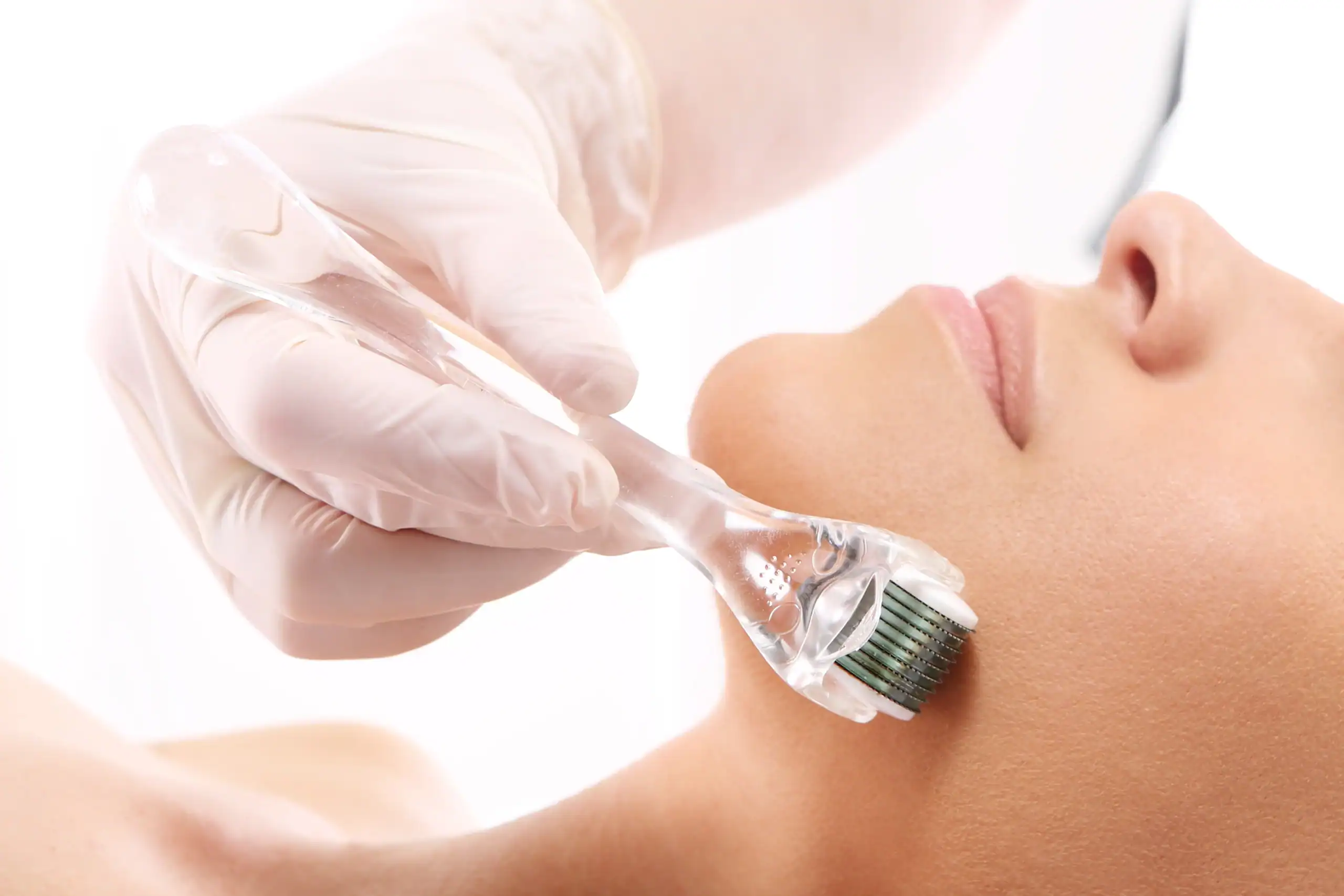
Microneedling + Dermaplaning: Learn Why, When & Where
You may have heard the buzz about microneedling and dermaplaning. These are two terrific beauty treatments we perform with great regularity and success at all our Water’s Edge Dermatology locations that offer aesthetic treatments. The most common questions about these amazing aesthetic services are Why? and When?
Why choose microneedling and dermaplaning, as opposed to other aesthetic services? Why choose one vs. the other? And when is the right time to choose them?
To answer these and other questions, let’s take a closer look at both microneedling and dermaplaning. There are some very good reasons why they’re trending so heavily days, and not only with women.
Addressing an 'Age-Old' Problem with Microneedling & Dermaplaning Treatments
Do you feel a twinge of envy when you see someone with flawless, baby-smooth skin? Do you sigh when you look in the mirror? Fine lines, wrinkles, blemishes, scars, spots – almost everyone has them. With age, uneven texture and signs of sun damage are common. The skin loses collagen and elastin proteins, giving it the characteristic aged appearance. But smoother skin doesn’t have to remain a dream. Here are two minimally invasive procedures that can give you smoother, brighter, more youthful skin.
Microneedling To Turn Back Time
Microneedling involves piercing the top layer of your skin with a dermaroller. This small hand-held instrument is like a paint roller coated with tiny needles. It creates hundreds of little invisible punctures that jump-start the skin’s natural healing mechanisms.
That may sound a bit scary, but this in-office, minimally invasive procedure is virtually painless. Afterwards, you may have some mild swelling and slight bruising. If so, that all resolves within 2-3 days…revealing the beautiful new you underneath.
You’re probably wondering how puncturing the skin can be a good thing. Well you see, we know for sure that aging skin lacks collagen. And the microneedling punctures stimulate collagen production. That’s why it’s also called “collagen induction therapy”. An added benefit is that your skincare products penetrate and are absorbed better, after a microneedling session.
At a microneedling treatment session or two, you’ll notice a reduction in fine lines, deep wrinkles, and crow’s feet. Studies show that nearly 100% of people report excellent results on the anti-aging front.
And, microneedling treatments are also showing outstanding results in reducing the severity of acne scars following treatment. So whether it’s turning back the clock, helping clear old acne scars (or maybe both) … microneedling may be right for you.
Dermaplaning for Healthy, Radiant Skin
Have you ever wondered why your favorite exfoliating cleanser makes your skin look smoother? It’s because it scrapes off that lurking outer layer of dull, dead cells on the skin surface. Dermaplaning is essentially the same thing – exfoliation – but it’s extra-effective because it’s performed by a licensed, trained skincare professional using a sterile surgical-grade scalpel (if that sounds scary, think of it as a fancy razor!).
Dead skin cells and fine hairs need to go, because they make your complexion dull and flaky. They clog pores and predispose your skin to breakouts. Removing dead skin with dermaplaning can benefit all skin types (except people with active inflammatory acne), and restore that youthful glow you long for.
This is a noninvasive in-office procedure that gently shaves the skin surface. You’ll notice improved tone and texture – how does silky smooth skin sound? There’ll be a reduction in acne scars and hyperpigmentation. You’ll have less peach fuzz and your makeup will go on super smooth. Your skincare products will penetrate and work better. Periodic follow-up sessions will keep you glowing.
A dermaplaning treatment at one of our Water’s Edge Dermatology offices is painless and there’s virtually no downtime, other than some slight redness. So, you could get a treatment during your lunch break and head straight back to the office.
When it comes to beauty treatments such as dermaplaning and microneedling, remember that these are precision procedures. You don’t simply want to find "the best deal" and take your chances. You want to find the best facility.
Dermaplaning and microneedling treatments are best done by highly trained, experienced, licensed and insured aestheticians or dermatologists trained in cosmetic dermatology. That's how we do it at Water’s Edge Dermatology. For proper peace of mind, cosmetic procedures are best performed in the safety of a medical office setting.

New Aging Hands Treatment at Water’s Edge Dermatology
Ever meet someone with enough "youthful glow", to be shocked when you see they have very visibly aging hands? Fact is, when you see noticeably aging hands on a middle-aged or younger person… it raises questions.
The cause could be genetic inheritance, too much sun exposure, dry skin, other skin problems, or a combination of all.
The key question is:
What's the most effective new treatment for aging hands?
Let’s face it. You can turn back the clock and get your youthful glow on with a variety of FDA-approved dermal fillers and injectable treatments. From Juvaderm and Scupltra, to Radiesse and Botox, you can shave years off the age showing in your face.
But then you reach out to shake someone’s hand, or give a wave. And your aging hands just do not match the face. In fact, they look almost as sunken, wrinkly and veiny as Grandma’s… ouch.
That’s why our Director of Cosmetic Services Kimberly Van Keuren (R in photo) and Aesthetic Medicine specialist Dr. Bebe Pajo (center-photo) are so excited. They're excited for Water’s Edge Dermatology patients. Kimberly explains, “This new treatment for aging hands, Restylane Lyft, is a dream come true for many of our longtime cosmetic dermatology and aesthetic patients. It's just the kind of help with their aging hands that they’ve been longing and waiting for.”
That wait ends now, with Water's Edge Dermatology (WEderm), among the first dermatology practices nationwide chosen to perform Lyft treatments for aging hands. This new FDA-approved hyaluronic acid (HA) dermal filler has been carefully tested and approved for the correction of volume loss in aging hands.
Giving those aging hands an anti-aging LYFT
Restylane Lyft is the first and only hyaluronic acid dermal filler to receive FDA approval for treating an area other than the face. Dr. Pajo, WEderm’s nationally renowned “Top 20 Sculptra Injector”, elaborates:
“As we age, our hands begin to lose volume, resulting in the appearance of wrinkles, bones, bulging veins and visible tendons. Many of my patients ask what they can do about their aging hands, and I am pleased that we can now offer them an injectable hyaluronic acid treatment that works wonders. Now, their hands can complement rather than clash with the youthful beauty of their face.”
The best thing about getting Restylane Lyft treatments for your aging hands at one of our many Water’s Edge Dermatology offices across South and Central Florida? As with all our cosmetic procedures and aesthetic treatments, your Lyft treatment for aging hands will be performed in a safe, comfortable medical setting.
If you’re ready to book an appointment, great! And if you have questions, please don’t hesitate to contact Cosmetic Director Kimberly for more information, at kvankeuren@wederm.com.