

Five Skin Problems People With Cancer May Experience
In recent years, millions of people have been able to take advantage of new treatments for cancer, such as targeted therapy drugs, which block tumor cell formation. While older chemotherapy procedures killed every cell that divided, this new targeted method allows oncologists to attack specific mutations. This is not only more effective, but significantly reduces the number of negative side effects the average patient experiences, including infections and drops in blood cell counts. However, some of these targeted therapies are aimed at molecules that fuel both cancer cell growth and the normal development of skin, hair and nails, causing a variety of skin problems instead. If you are undergoing targeted treatment for cancer, talk to your dermatologist if you notice any of the following symptoms.
Severe Rashes
Rashes are one of the most common side effects of targeted therapy, and typically appear on the face and upper body. Patients usually report itchiness, flaky skin, sunburn-like sensations and more, which can sometimes be severe enough to cause significant discomfort. However, in some cases, this rash might actually be a Candida infection, or yeast infection, which can spread to the lungs, liver and skin if the patient has a weakened immune system. If you notice red, itchy patches on your skin, speak to your dermatologist immediately.
Rough, Scaly Cancerous Growths
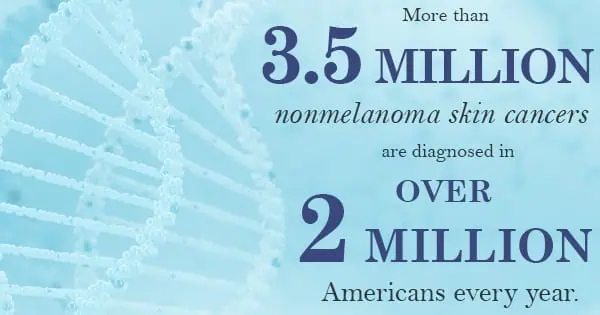
There are over 3.5 million non-melanoma skin cancers diagnosed in more than two million Americans every year. However, cancer patients sometimes find that they develop unusual skin growths which can become new cancerous growths. As a result, cancer patients should schedule regular appointments at a dermatologist clinic to ensure that they do not need treatment for skin cancer as well.
Changes to the Hair and Eyelashes
Men have a 50% chance of losing their hair by their 50th birthday for entirely natural reasons. However, targeted therapy drugs can also cause hair loss across the scalp and body, graying, increased growth and curling of the eyelashes and eyebrows and increased facial hair growth. Because dermatologists also treat conditions of the nails and scalp, including hair loss, they can be an important resource during this stressful time.
Strange Wounds
Some cancers (especially breast, head and neck cancers) spread to the skin and cause ulcerating wounds, or injuries that don't heal. This is an uncommon symptom, but these wounds must be carefully monitored and treated by a dermatologist specialist.
Dark, Brittle Nails
As previously mentioned, dermatologists also treat conditions of the nail and scalp. This can be extremely helpful, as many cancer patients develop inflammation and fissures around their finger and toenails. While this redness and soreness can often be treated with over-the-counter treatments used to strengthen nails, they should be carefully monitored by a doctor.
Have you noticed any of these symptoms while undergoing targeted therapy for cancer? If so, contact a local dermatologist in your area today to discuss your symptoms and prevent further health problems.

New Skin Cancer Treatment Option Promises a Painless, Scar-Free Procedure
As summer approaches and people across the United States prepare to spend more time outside, there is one thing everyone should be doing: wearing sunscreen regularly, as well as frequently reapplying the product as necessary. This method, along with other forms of sun protection, is the best way to prevent skin cancer, a condition that is estimated to affect as many as one in five Americans over the course of their lives.
Currently, there are more than 3.5 million basal and squamous skin cancers reported in 2 million people in the United States every year, a frightening number. However, this amount does not even consider the number of cases of melanoma, the most serious form of skin cancer, which is characterized by the uncontrolled growth of pigment-producing cells. Fortunately, if you notice the signs of skin cancer, your trip to the dermatologist clinic could now be a better experience than it might have been in the past: dermatology and skin cancer specialists are reporting that several new skin cancer treatment options could make the treatment of skin cancer a more effective process.
One of the most promising of these new skin cancer treatment options is called electronic Brachytherapy, or eBx. This new development takes existing technology and applies it in a more effective manner. Typically, basal and squamous skin cancers are surgically removed, although some may be treated with chemotherapy. Electronic Brachytherapy allows dermatologists to deliver radiation in a simpler, more controlled manner, creating a non-surgical and painless alternative to other skin cancer treatment options currently on the market.
The potential benefits of eBx are numerous: in addition to a less painful and more controlled approach, the procedure would not cause scars and has a low toxicity. However, many dermatologists are hesitant to trust a treatment for skin cancer that has only been recently introduced. In fact, many say they are waiting for additional data before using it in their practices. At the very least, eBx shows how innovative medical professionals and pharmaceuticals have become when it comes to treating this common condition, a fact that could promise even more, better skin cancer treatment options in the future.
The eBx procedure is designed solely for nonmelanoma skin cancers in patients who are not traditional candidates for surgery. If you suspect you have skin cancer, seek treatment from a local dermatologist immediately.

Stanford Research Team Discovers New Way to Treat Drug-Resistant Skin Cancer
An estimated one in every five Americans will reportedly develop skin cancer at some point during their lives, making the condition an extremely common and problematic disorder across the United States. Fortunately, of the more than 3.5 million nonmelanoma skin cancers that are diagnosed in the U.S. every year, most are highly curable. In fact, even melanoma, a potentially deadly form of skin cancer that can spread to the lymph nodes and internal organs, is treatable if it is detected early. However, dermatology and skin cancer specialists often report unexpected difficulty when it comes to one of the most popular forms of the disease, called basal cell carcinoma. Now, researchers may have uncovered genetic evidence that could explain why and even lead to new treatments.
Basal cell carcinoma, like most skin cancers, is described as a highly treatable form of the disease. Despite this fact, however, dermatologists often report that treatment for skin cancer in advanced cases, which uses a drug called vismodegib, is often only temporarily effective. Moreover, many patients later develop new tumors within a few months, which are resistant to vismodegib.
In an article published in the journal Cancer Cell, a research team from Stanford's School of Medicine reports that they have traced the origins of the vismodegib resistance, a development which they believe has revealed new skin cancer treatment methods. According to the article, about half of patients with basal cell carcinoma will respond to the drug, which is part of a class of drug compounds called Smoothened inhibitors. However, 20% of these patients will quickly develop resistance to vismodegib. The researchers found that basal cell carcinomas are unusually dependent on the inappropriate activation of the Hedgehog pathway, a cellular signaling cascade. Two classes of mutations in the Smoothened gene, which is found in the Hedgehog pathway, reportedly inhibit vismodegib's effectiveness by keeping the Smoothened protein active.
In light of this finding, the research team has stated that treatment for skin cancer tumors that are vismodegib-resistant may be made more effective by blocking signaling along the Hedgehog pathway, specifically the Smoothened inhibitors, called Gli antagonists. The researchers say that this could lead to better combination therapies even before treatment begins. However, new treatment for skin cancer may not be the only benefit of this research: the Hedgehog pathway has also been found to be abnormally active in pancreatic, colon, lung, breast and other types of cancers, including a type of brain cancer called medulloblastoma.
How to Prepare for a Skin Cancer Examination
While dermatologists are known for prescribing acne treatment products and treating cosmetic concerns, many patients make an appointment at their local dermatologist clinics for more serious reasons. With one in five Americans developing skin cancer over the course of their lives, it is extremely important you take steps to protect your skin from harmful UV rays and detect any worrying signs as early as possible. But how should you prepare for an appointment with dermatology and skin cancer specialists? How should you proceed at the exam itself? To make skin examinations as effective as possible, dermatology and skin cancer specialists recommend following a few simple steps to increase your doctor's ability to notice potential symptoms. Read on to learn how you can make the most of your next appointment.
Before the Appointment
While it is important to schedule regular skin examinations with a dermatologist, including full skin maps for people with a high risk of melanoma, it is also important to perform frequent self-exams. If you notice any worrying signs during these self-checks, including bleeding, changing or new growths, make a note of the location and contact your dermatologist. But whether you're going in to have a specific area checked or just a regular examination, take a moment to remove nail polish from your fingernails and toenails before you leave: skin cancer can form in the nail bed, and your dermatologist will want to check this area.
At the Appointment
The length of your appointment will likely depend on the number of moles you have: if you have never had an atypical mole, the exam could take as little as 10 minutes. However, the more moles you have, the longer the appointment will take, as a high number of these marks signifies a higher risk of melanoma, the most aggressive form of skin cancer. While melanoma is highly curable when it is detected early, advanced melanoma can fatally spread to the lymph nodes and internal organs, making self-exams and appointments with dermatology and skin cancer specialists extremely important. If you don't know how to conduct a self-exam or have other questions, ask your doctor during the appointment. Additionally, don't forget to direct their attention to any worrying changes you may have noticed. Your doctor will usually order a biopsy if there is anything to be concerned about.
In Between Exams
More than three and a half million nonmelanoma skin cancers are diagnosed in over two million Americans every year. For this reason, it is important to take steps to reduce your risk of joining the crowd: make sure you wear sunscreen and eye protection year-round, avoid tanning and sunburn, and pay attention to local weather conditions and skin cancer risk factors. This is especially true when it comes to identifying cancerous moles: dermatology and skin cancer specialists often report that patients are worried about itchy moles or raised moles. However, while itching can be a sign of skin cancer, it is important to check that the mark is not simply irritated by clothing. Likewise, raised moles should be checked regularly, but are no more inherently dangerous than other marks on your skin.
Do you have questions about your skin cancer risk or need help checking for signs of this common condition? Contact dermatology and skin cancer specialists in your area for assistance.
How Much is a Trip to the Dermatologist?
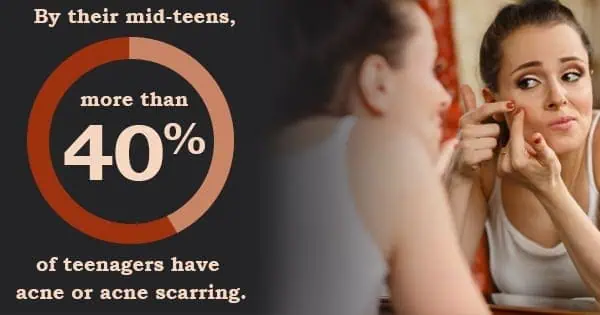
There are a variety of common skin conditions that can affect the average person over the course of their lives. For example, around 7.5 million Americans have psoriasis, and current estimates suggest that as many as one in five people in the United States will develop skin cancer in their lifetime. However, few skin disorders are as common as acne, which affects people of all ages but is especially common during adolescence: by their mid-teens, more than 40% of teenagers have acne or acne scarring. For this reason, many people will seek out acne treatment products and other therapies for their skin problems over the course of their lives, which may necessitate a trip to a local dermatologist. Unfortunately, some dermatologist prices are more than some people are willing to pay. Why do dermatologist clinics charge as much as they do? Read on for brief explanation of dermatologist prices.
Location
When it comes to adjusting their rates, dermatologists look at several factors pertaining to the area they practice in: the number of competing dermatologists in the area, the cost of living and economic conditions, and the local clientele. An expensive area that is popular with dermatologists and also has a high number of vacationers and retirees, such as New York City, will have more expensive dermatologists than rural Ohio, for example.
Reputation and Specialties
The best dermatologist in a given area or one that provides a unique service will naturally charge more than other practitioners in the area. These professionals will have numerous referrals every month and won't need to worry about making their dermatologist prices competitive. However, the extra cost might be worth the effective treatment or service this doctor can provide.
The Patient
Unfortunately, sometimes a particular patient's case will simply be more expensive than others. If you don't have health insurance, for example, or are requesting more expensive treatments that may not be completely covered by your insurance provider, your costs will be steeper.
Dermatology is a highly-requested service, and this demand means that dermatologist prices are often higher than what a patient might like to pay. However, by researching different clinics in your area, discussing your different options with your dermatologist and making sure your insurance and other factors are in order, you can significantly reduce your expenses. With proper diligence, you will be able to access the skin care and treatments you need for healthy, beautiful skin at a cost you can afford.
The Skin Cancer Treatment Options You Should Know About
Skin cancers are more common than you might think; about one in five Americans develops skin cancer at some point during their lives, and more than 3.5 million nonmelanoma skin cancers are diagnosed in the U.S. each year, affecting more than 2 million people. This means you should ask a dermatologist about any growths on skin anywhere on your body, and perform regular self exams to screen for abnormalities. However, you shouldn’t panic even if you do find something; if used early, most skin cancer treatment options are highly effective. Even the most serious type of skin cancer, melanoma, is highly curable if detected in its early stages (it’s when advanced melanoma spreads to the lymph nodes and internal organs that it is far more likely to result in death).
If a dermatologist does discover that you have a cancerous skin growth, there are several skin cancer treatment options you might consider. Of course, you should discuss any treatment plan with your doctor, but here are some brief explanations to aid you in your research:
- Curette Scraping: This treatment for skin cancer is minimally invasive, as the tissue in question is simply scraped off using a tool called a curette. The area is then cauterized and allowed to heal.
- Nitrogen Freezing: Liquid nitrogen can be used to actually freeze off skin growths. If you’re having trouble imagining how that works, remember than similar treatments are used to remove warts and other skin growths.
- Surgical Treatment: Surgical treatment is used in the relatively rare occurrences when skin cancer spreads beyond the initial site on the skin. This can happen with basal cell or squamous cell carcinomas, but is far more common in cases of melanoma. Regardless, the tumor is fully removed, as well as a small amount of surrounding tissue.
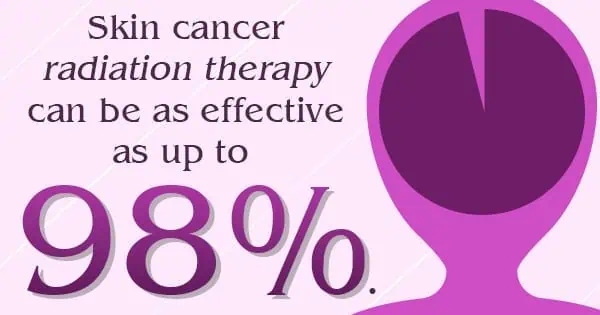
- Radiation Therapy: This is a good treatment option for many patients, but it’s also frequently misunderstood. Radiation treatment for skin cancer is sometimes confused by patients with chemotherapy. The latter is used to treat internal cancers (usually in the medium of a pill or intravenous drug), while the former is a completely external and non-invasive treatment. Electron beam radiation therapy can be used across multiple sessions to remove skin abnormalities, but is far less likely to leave scarring that other options. That makes it a good choice for highly visible areas such as the face or chest. And since it can be highly effective (up to 98%), patients have both clinical and cosmetic reasons to consider it.
New Study Reveals Characteristics of Fast-Growing Melanoma
No matter what your past experience with skin problems may be, noticing a new growth on your skin is always a cause for concern, particularly if it is a fast-growing skin growth. Whether it looks more like a lesion or a rash, this change in your skin should be examined by the best rated dermatologist in your area immediately. However, this is especially true if the growth resembles an atypical nevus, one of the moles that can signal skin cancer. An Australian study recently revealed that certain characteristics may be a sign that melanoma will develop faster and may become fatal.
Melanoma is the most serious form of skin cancer, marked by the uncontrolled growth of pigment-producing cells. While an estimated one in every five Americans will develop skin cancer at some point in their life, people are more likely to develop melanoma if they have more than 50 moles, or if those moles are large or unusual. However, in an article published in the December edition of the Archives of Dermatology, researchers reported that these risk factors might not accurately determine who will develop fast-developing melanoma. Instead, their study showed that this potentially fatal situation could occur in anyone.
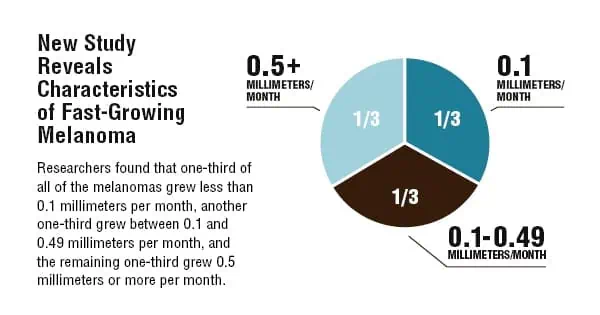
In the study, a team of dermatologists from Melbourne asked 404 patients with invasive melanoma and their families to recall when they first noticed a spot on their skin that eventually became melanoma, and when they saw that the mole had changed. The patients' skin was also examined, and the researchers collected additional data on demographics, skin cancer risk factors, tumor characteristics, and who had first detected the cancer. According to their research, the team determined that fast-growing melanoma is more likely to occur in those without large numbers of moles and freckles, especially the elderly. The moles that develop are more likely to be red than brown and black, symmetrical, elevated and symptomatic. Using their data to determine growth rates, the researchers also found that one-third of all of the melanomas grew less than 0.1 millimeters per month, another one-third grew between 0.1 and 0.49 millimeters per month, and the remaining one-third grew 0.5 millimeters or more per month.
The Australian report draws attention to an important fact about skin cancer and melanoma: anyone can develop these serious conditions, regardless of age, noticeable risk factors and other problems. For this reason, if you notice a fast-growing change in your skin, seek out the best rated dermatologist in your area for a diagnosis. Even if the problem is not melanoma, your health could still be at risk. By making an appointment at the best rated dermatologist clinic near you immediately, you can be sure that you will get the treatment and care you need before serious consequences take effect.

New Websites Let You Speak to a Dermatologist Online
The average American is extremely likely to experience some type of skin condition or problem over the course of their lives. Take skin cancer, for example: an estimated one in five people in the United States will develop this disorder at some point in their lifetime. Of this number, some will go on to develop melanoma, the most serious type of skin cancer, which is characterized by the uncontrolled growth of pigment-producing cells.
As long as the condition is detected early, it is highly curable. However, advanced melanoma can spread to the lymph nodes and internal organs, a change that can be fatal. For this reason, dermatology and skin cancer specialists recommend that every person take care to protect themselves from the sun, regularly check their skin for changes, and see a dermatologist periodically for professional skin examinations. Unfortunately, finding the time to visit a dermatologist clinic for these exams can be a challenge. Because of this, a number of practices are now making it possible for busy patients to connect with a dermatologist online.
Increasingly, dermatologists are recommending websites like DermatologistsOnCall.com to patients who are in need of a quick diagnosis or are unable to make time for a traditional appointment. Founded by Dr. Mark Seraly, the site is reportedly similar to a modern dermatologist appointment, especially now that most practices upload their information online. Unlike a traditional appointment, however, the patient speaks with the dermatologist online, either through a video conference or instant messaging service, with the diagnosis, treatment and counseling information being delivered within 11 hours.
However, there are drawbacks to the service: DermatologistsOnCall.com, for example, costs $59 for every virtual visit, and is only covered by one insurance provider. It is also meant for singular issues, not full body exams, a necessary part of detecting skin cancer and other problems. And yet many patients say that speaking with a dermatologist online makes obtaining care easier, while also allowing them to be more descriptive. For this reason, this type of service is growing popular with tech-savvy users under the age of 40, who are also likely to be female.
Currently, some dermatologists are worried about the effect online dermatologist visits could have on a patient's health and the way dermatology is practiced. After all, many conditions cannot be diagnosed without touching and closely examining lesions and other symptoms. However, the practitioners themselves state that seeing a dermatologist online is not meant to replace traditional appointments, only provide a quick solution. In the end, this new service is useful because it expands options: for simple questions and quick fixes, speak to a dermatologist online, but for more serious concerns and treatments, schedule an appointment with a local dermatologist.
Study Suggests Possible Treatment for Keratosis Pilaris
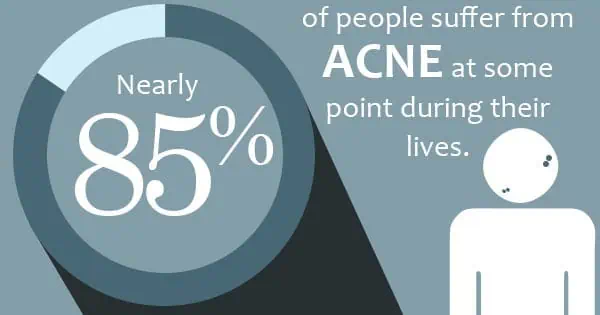
If you have noticed red bumps on your arms and thighs, which tend to become more prominent or itchy when your skin is dry, your first thought is likely that you have a form of acne. This assumption likely isn't too far off base: nearly 85% of people suffer from acne at some point during their lives, including an estimated 40 million to 50 million Americans. However, if you visit a dermatologist clinic seeking an official diagnosis or acne treatment products, you may discover that your condition isn't acne at all.
Instead, you likely have a common problem called keratosis pilaris, which affects nearly 40% of people in varying degrees and tends to run in families. Unfortunately, while scientific research has lead to a number of effective therapies and techniques to treat acne, even the best dermatologists have been unable to correct keratosis pilaris. However, there may be good news: recent research has found a treatment that may successfully reduce some symptoms of this common condition.
Previous studies have shown that keratosis pilaris is resistant to most treatments, and while shorter wavelength laser treatments can treat the erythema (or redness) associated with the treatments, it has no effect on the skin's texture. Because of this, a research team decided to test the effectiveness of a longer wavelength 810-nm diode laser. The researchers recruited 23 patients with keratosis pilaris on both of their arms and Fitzpatrick skin types I to III, defined as light skin tones that tend to burn instead of tanning. The trial lasted from March to October 2011, with a total of three treatment visits for each participant. Each patient only received treatment on one arm.
At the end of the seven month trial, 18 participants had completed the study, while three were unavailable for follow-up appointments and another three had withdrawn due to inflammatory hyperpigmentation. When these 18 participants were examined by dermatologist 12 weeks after the initial visit in a blind review, the doctors found that the treatment had resulted in significant improvements in skin texture. However, the treatment had no effect on the patients' erythema. In a study published in the November issue of JAMA Dermatology, the research team suggested that the longer wavelength treatment could be supplemented with other laser treatments and products to treat both symptoms. Could this therapy be used to address your keratosis pilaris? Contact the best dermatologist in your area today to find out.