
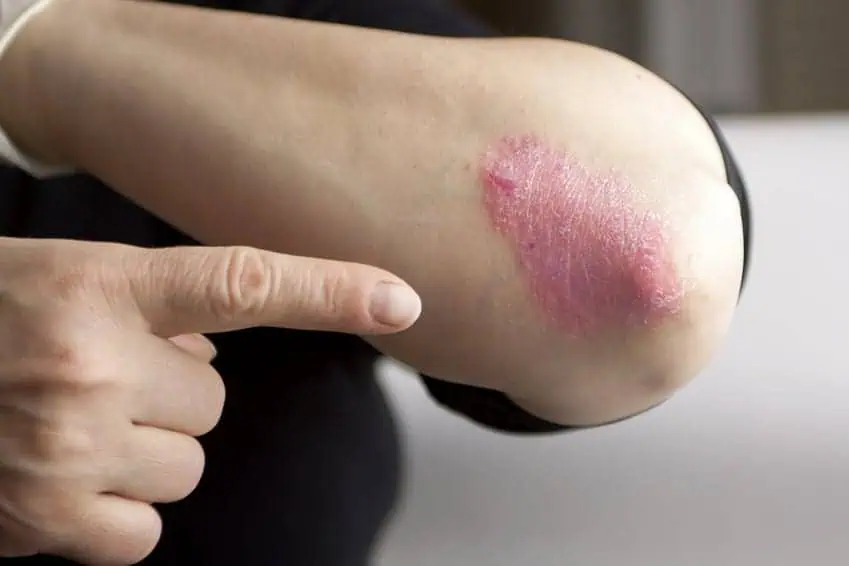
New Treatments May Offer Effective Results For Patients With Psoriasis
When it comes to common skin conditions, people are likely to think of acne or skin cancer, two problems often treated by dermatology and skin cancer specialists. But while around 40% of teenagers will develop acne, and more than 2 million people are diagnosed with nonmelanomic skin cancer every year, another popular skin condition deserves attention: psoriasis.
There are a number of different types of psoriasis, but the disease is typically distinguished by red, irritated patches on the skin and nails. In at least one form of the disorder, it can be difficult to tell the difference between psoriasis and seborrheic dermatitis, another irritating skin condition which targets the scalp and ears. Fortunately, once the disease is diagnosed, dermatologists can utilize a number of topical treatments, pills or injections, and light therapies to treat the irritation and skin patches. Biologic medications may even be used to treat severe or disabling cases. And therapies continue to improve and innovate: recently, a Swiss pharmaceutical company announced that one of their products has been shown to be effective at treating moderate to severe psoriasis.
Novartis, a multinational company based in Switzerland, recently presented their study on a product called secukinumab to the European Association of Dermatology and Venereology Congress in the Netherlands. Secukinumab is designed to treat plaque psoriasis, the most common form of the disorder, which features inflamed, scaly, red skin. Currently, the treatment is being touted as an effective way to improve psoriasis symptoms, improving and preventing joint damage, and importantly showing no negative impacts on patient health. And while this product likely won't be available to dermatologist clinics and doctors for some time, Novartis's recent presentation is only the most recent step towards having the medication accepted as a treatment: previously, the company submitted secukinumab to regulatory organizations in both the United States and Europe.
Due to the discomfort, joint damage, and unappealing appearance of the many different types of psoriasis, getting proper treatment is typically very important to patients who want to live life comfortably and without undue anxiety. While treatments like secukinumab are still being tested for their effectiveness and safety, there are a variety of other treatment options which can be prescribed by a dermatologist. If you or a loved one is suffering from the effects of psoriasis, schedule an appointment at a dermatologist clinic today to discuss how best to treat this common skin condition.
Three Tips to Help Find the Best Dermatologist for You
If you are prone to acne outbreaks that can be difficult to treat and do not respond to acne treatment products, you are not alone: more than 85% of people will develop acne at some point in their lives, with more than 40 million Americans affected today. While acne and acne scarring are most common during adolescence, adults in their 20s, 30s, 40s and even 50s can develop the skin condition as well. If you have this common skin problem, you likely have heard that scientific research has lead to many new acne therapies and dermatologist acne treatments that may be able to help you. But how do you find the best rated dermatologist in your area, a skin specialist who will work with you to unveil beautiful, healthy skin? Read these tips to find out!
Know the Type of Dermatologist That Is Right for You
There are generally two types of skin specialists: general dermatologists and cosmetic dermatologists. Some practices will act as a combination of the two types, but the rest can often be easily classified by the services they offer. General dermatologists, for example, offer treatment for acne, rashes, hair loss and common skin problems, as well as skin maps to check for skin cancer. Cosmetic dermatologists, however, offer more advanced treatments for everything from deep-set wrinkles to severe acne, and typically use peels, injections and lasers to yield more dramatic results. Search for a dermatologist who offers the services you need.
Check Out Their Background
The best rated dermatologists often have a background that matches their skill level, so look at a dermatologist clinic's website to see how the specialist was trained and licensed. Keep an eye out for board certifications from the American Association of Dermatology (AAD), as well as a formal education in dermatology. Surprisingly, a high number of dermatologists originally studied other medical fields and only opened dermatology clinics to earn a profit, making them an inadvisable choice to help treat your skin.
Go In for a Consultation
Make an appointment to discuss your skin with a dermatologist at the practice. While it may be inconvenient, take it as a good sign if you have to wait a few weeks to see someone: this means that the services are trusted and therefore in high demand. At your appointment, ask lots of questions and listen carefully to how the dermatologist responds. What treatment do they recommend? Would they be conducting the procedure themselves, or merely supervising? While this consultation usually isn't free, it is extremely useful and the fee is typically put toward the cost of a procedure.
Whether you have acne, psoriasis, or another skin condition, finding the right dermatologist can have a significant effect on your self esteem, comfort and daily life. With the right treatment, you can reveal the beautiful, healthy skin you have always wanted. And by following the tips above, you can find a specialist who is not only the best rated dermatologist in your area, but also the best for you and your unique case.
Which Acne Treatment Product is Right For You?
Acne is the most common skin disorder in the United States, affecting 40 to 50 million Americans. The problem typically begins in puberty, but is not restricted to any age group and can affect almost anyone from their 20s to their 50s. For this reason, many people with acne will visit a dermatologist clinic at some point in their lives to access a variety of treatments, acne products and techniques. Thanks to a significant amount of scientific research on the subject, many new acne therapies and changes to existing treatment options have been developed.
But what kind of treatment can you expect from an acne dermatologist? What technique or product will work best for you? Read on for some acne treatment reviews of common products and methods.
- Topical Treatments: Most acne treatments are liquids, lotions, and cleansers applied directly to the skin. Many of these topical treatments focus on killing bacteria present in the skin, while others reduce oil and other substances that can clog hair follicles, causing acne. Some treatments can be purchased at a drugstore, while others must be prescribed by a dermatologist. Because of the varying types, using the wrong product can cause irritation, dry skin, or even worsen the condition itself. For this reason, people with moderate to severe acne should visit a dermatologist for acne diagnoses and treatments.
- Acne Medication: Acne that is particularly red and swollen will often be treated with a pill or other form of ingestible medicine. These can include antibiotics to reduce bacteria that may be causing breakouts, birth control to control hormone production in women, a retinoid called isotretinoin, or accutane. However, acne treatment reviews will often show that accutane has a number of potential risks and is only prescribed for the most severe cases.
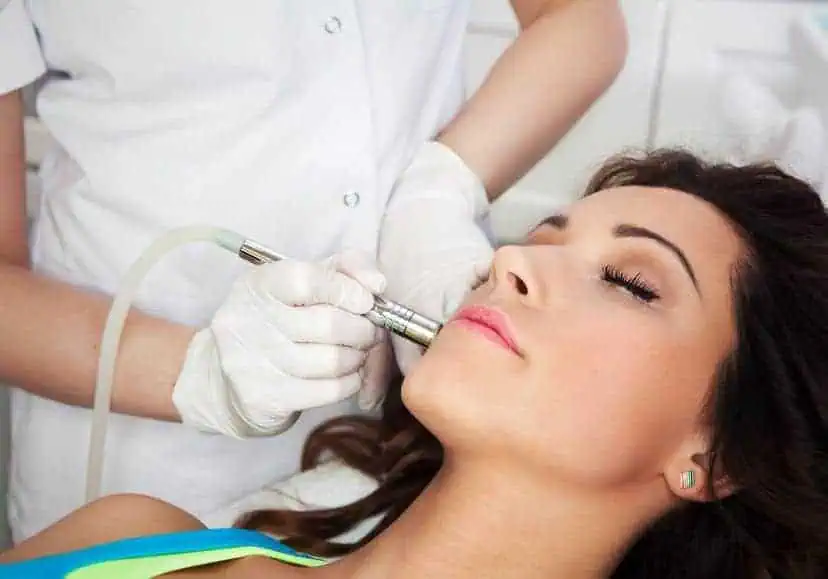
- Light and Laser Therapy: Dermatologists will often use special equipment to perform light and laser acne treatments in their clinic. These treatments target p. acnes bacteria in the skin, but will not be effective or right for all types of acne. As a result, only a board-certified dermatologist can determine whether or not your acne can be treated with these methods.
The treatments listed above are three of the most common methods of reducing or relieving a patient's acne. Additional treatments, such as special chemical peels or acne removal, may also be used in some cases. Use these acne treatment reviews to help you discuss your options with a dermatologist and formulate the best treatment regimen for you and your skin.
Four Important Questions to Ask Before Choosing a Dermatologist
Skin conditions are an unfortunately common problem in the United States. Research shows that around 50 million Americans suffer from acne, 7.5 million Americans have psoriasis, and as many as one in five people will develop skin cancer over the course of their lifetime. To treat these conditions, many people will visit a dermatologist clinic for treatment over the course of their lives. But how do you find the best dermatologist for you? By asking these four questions, you can typically determine if a dermatologist has the expertise that you can trust, or if you would be better off choosing another doctor.
- Is there a doctor on site? The amount of time a doctor spends on site is regulated at the state level and differs accordingly. However, some dermatologists leave much of the day-to-day work to technicians. And while the technicians may be very qualified, the absence of a doctor leads to logical questions about the quality of the clinic's service, the treatment you will receive, and the trust you can place in the establishment.
- Is the doctor board-certified in dermatology? Shockingly, there is no law requiring that a doctor be certified or trained in dermatological medicine. And due to the high profits associated with cosmetic dermatology, some physicians set up dermatologist clinics without actual experience or knowledge of skin disorders. Whether you're interested in acne treatment products or treating skin cancer, these uncertified clinics do not deserve your trust or your business.
- How long have they been in business? While it may not be fair to assume that a new business might not have the expertise to properly treat skin disorders, research shows that many new dermatologist clinics and skin care centers fail after only a few years. The best dermatologists will have demonstrated excellent customer service and a proven ability to treat skin conditions, and will therefore have avoided this fate. Look for a clinic that has been in business for five or more years.
- Who will be performing the procedure? It is reasonable for experienced technicians to perform a number of fairly non-invasive treatments, such as laser acne treatment and laser varicose vein treatments. However, these technicians should be certified, trained and be able to prove their ability to successfully perform the procedure. And if the procedure is surgical in nature, it should be performed by a doctor.
Four Basic Steps for Clear, Healthy Skin
Acne is one of the most common skin conditions in the world, with nearly 85% of people developing the disorder at some point during their lives. In the United States alone, an estimated 40 million to 50 million Americans have acne. A significant number of these people are likely teenagers, as 40% of adolescents will report having acne or acne scarring by their mid-teens due to hormonal changes in their bodies. However, millions of people who experience acne into their twenties and beyond for a variety of reasons, including stress and poor skin care. For this reason, many people will turn to a dermatologist for acne treatment products and methods that will help them achieve beautiful, healthy skin. But before you search out the best acne dermatologist in your area, it may be beneficial to try a number of basic steps that can often help clear acne and other basic skin problems.
- Wash the Affected Area Twice a Day, and Again After Sweating: Acne is often caused by dirty, blocked pores. Making a habit of washing your skin when you wake up and before you go to sleep is an easy way to ensure that your skin is relatively clean throughout the day. Likewise, washing after you sweat helps prevent pores from becoming clogged. However, be careful not to wash too often; this can actually irritate your skin and create further problems.
- Make Sure You're Cleansing Properly: Just as you shouldn't wash your face too often, washing the wrong way can cause additional problems as well. Dermatologists recommend applying a gentle, non-abrasive product with your fingers; a washcloth or sponge may be too abrasive. Avoid irritating products, and avoid scrubbing your skin, as these can make your acne worse. When you're done, rinse with lukewarm water.
- Avoid Your Body's Natural Oils: Acne on your face, neck and shoulders may be caused by contact with greasy hair, so wash your hair regularly as well. Touching your face and other areas that are prone to acne can also spread oil and cause flare-ups, so try to keep your hands away from your skin as much as possible.
- Let Your Skin Heal: Picking or popping your acne can lengthen the healing process, and in some cases, causing lasting scars that the best acne dermatologists will be unable to treat fully. While it may be tempting, leaving your acne alone unless you're cleaning it is often the best way to get clear skin.
If you follow these steps for several weeks, you are likely to see a change in the condition of your skin. However, if your acne is extremely uncomfortable or painful, has caused scarring, or does not respond to the basic steps listed above, it is time to visit a dermatologist clinic. These clinics have access to a variety of targeted acne products and procedures, such as laser acne treatments. However, it is important to remember that the best acne dermatologists treat every patient as an individual case, responding to their individual needs and concerns and assigning a unique skin care regimen. As common as acne is, this is exactly what most patients need to achieve the beautiful, healthy skin they want.
Could You Have Skin Cancer?
It is estimated that one in every five Americans will develop skin cancer at some point in their lifetime. This incredibly common skin condition can have a number of effects on an individual's skin and overall health, and can even result in death. Because of this, if you are exhibiting potential signs of skin cancer, you should immediately visit a dermatologist clinic for an exam, diagnosis, and potentially, treatment.
Dermatologists are trained to treat a variety of skin conditions, both common and rare, serious and benign. For example, one of the most common services offered by skin specialists is dermatologist acne treatments. Nearly 85% of people suffer from acne at some point during their lives, and as many as 50 million Americans are affected today. Because of the prevalence of this disorder and the variety of forms it can take, there are a variety of acne treatment products and methods available to help reduce and clear away the skin problem, including laser acne treatments. But while acne can be a serious cosmetic problem that can cause severe damage to a person's confidence and self-esteem, preventing skin cancer is one of the most important services dermatology and skin cancer specialists can perform.
Typically, patients begin the process of diagnosing and treating skin cancer when they notice a change in their skin over the course of a routine skin exam. These at-home tests are recommended especially for those with a high skin cancer risk, and aim to identify changes such as a new mole, or a difference in appearance, texture, or feel of an existing one. After noticing a difference, patients should schedule an appointment with a dermatologist, who will usually conduct a biopsy to determine if the mole is cancerous and how deeply the cancer is rooted.
If the mole is found to be cancerous, the dermatologist will prescribe one of several skin cancer treatment methods, which will depend on the type and severity of the cancer found. These treatments typically include radiotherapy, surgery, and rarely, chemotherapy. The procedures are typically covered by insurance, but when it comes to skin cancer treatment costs, it is important to remember that the price of early discovery and treatment is often much more affordable than the skin cancer treatment costs for advanced cases. Because of this, as well as the implications for you health, early detection is extremely important. Conduct a self-exam for skin cancer and schedule an appointment with a dermatologist today to discuss your risk of developing the condition. By doing so today, you can hopefully avoid a later discussion on skin cancer treatment costs and surgeries.
How a Dermatologist Can Help Cure Your Acne
There are a number of skin conditions that can develop over the course of a person's lifetime, some mild or benign, others serious and potentially even fatal. For example, Candida infections and Kaposi's sarcoma are two less common conditions that typically develop as the result of diseases that cause a weakened immune system, and can spread to internal organs if not treated. Meanwhile, skin cancer, which develops in an estimated one in five Americans at some point in their lifetime, can occur in almost anyone, as a result of UV exposure and genetic predisposition. Moreover, if a patient does not access treatment for skin cancer, it can evolve into melanoma, a version of the disease with an extremely high mortality rate.
However, while not as deadly or medically serious, there is no skin condition as common as acne, which affects an estimated 40 million to 50 million Americans. For this reason, more and more people are turning to dermatologist clinics for acne treatment. If you have acne, it is likely you have considered consulting a dermatologist for acne treatments. With the high number of people who are affected by this disorder, and the wide array of dermatologist acne treatment methods and products that have emerged as a result, visiting a skin specialist may be the best step you can take toward clear, beautiful skin.
As many as 85% of people will suffer from acne at some point during their lifetime. This skin problem often strikes during adolescence: by their mid-teens, more than 40% of teenagers will have acne or acne scarring. However, acne can occur at any age and can be traced to a variety of reasons, including hormones and stress. Because of the different types of acne and varying degrees the condition can take in, dermatologists will often recommend different acne treatment products and methods for individual cases. For example, some patients will react positively to organic acne treatment products, while others will respond better to laser acne treatments. Often, dermatologists will prescribe a combination of different products and methods, such as laser acne treatment and a regular topical product, which he or she will monitor and readjust over the course of several appointments.
Skin conditions can have a number of effects on a person's health and daily life. This is especially true for acne: while not as medically serious as cancer or other skin problems, cases of acne can often suggest other problems, such as a high stress level, and can cause a person to feel uncomfortable and self-conscious. Because of this, it is recommended that people who are affected by this common skin problem seek dermatological help. Whether treatment comes in the form of laser acne treatment or a topical product, an option exists to help you achieve the beautiful, healthy skin you want. Contact a dermatologist today to discuss the best skin care regimen for your acne.
Harnessing the Power of Green Tea Antioxidants
These days, you can't walk into a store without encountering products of all kinds that contain green tea — including many skin care products. Some products claim the tea in skin products can help ward off skin cancer and signs of aging. While the amounts of green tea in these products vary, with indeterminate results, one thing the experts agree upon is that green tea is good for you.
Like black tea and oolong tea, green tea comes from the Camellia sinensis plant. Green tea, however, is not fermented before steaming and drying so its leaves remain fresh.
Of all the antioxidants known, the components of green tea are some of the most potent. Antioxidants counteract the effects of free radicals — byproducts of the body that can cause damage to cells and tissues. Antioxidants bind to the free radicals, deactivating them before they can cause harm.
Green, black, and oolong teas contain large quantities of polyphenols. Polyphenols, which are a class of bioflavonoids, have been shown to have antioxidant, anticancer, antibacterial, and antiviral properties.
Most of the polyphenols in green tea are catechins. Catechins, which are antioxidants by nature, have also been shown to function as anti-inflammatory and anticancer agents. One of the major catechins in green tea has been shown to be the most effective agent against skin inflammation and cancerous changes in the skin.
Matcha green tea, a powdered green tea, is 10x higher in antioxidants than green or black tea. Because matcha is actually ground up whole leaves, you get dietary fiber and chlorophyll which does not come out in brewed teas.
Try this simple iced latte recipe to enjoy the benefits of adding green tea to your diet.
Iced Matcha Green Tea Latte Recipe
- 1 tsp matcha green tea powder (available at most health food stores)
- 1 1/4 cup milk (or alternative milk product like almond, coconut, hemp or rice milk)
- 1/4 cup warm water
- Natural sweetener of your choice (stevia, honey, agave, or organic maple syrup)
Mix a 1/4 cup of warm water with the green tea powder to create a thick paste. Add the natural sweetener and matcha paste to the milk. Mix well and serve over ice. Enjoy!
The Difference between Drug Store Sunscreen and EltaMD Products
Most people with acne, rosacea and sensitive skin have challenges with sunscreens because of the ingredients added to them. Zinc oxide and titanium oxide are what you want in a sunscreen for long and short UVA/UVB protection. Most products that offer this kind of protection are not aesthetically pleasing.
Top 4 Reasons to Choose EltaMD over a Drug Store Product
- EltaMD offers clear protection with antioxidants for additional protection.
- All of the EltaMD sunscreen have the highest possible protection from UVA and UVB rays with the safest natural materials. They avoid using harmful chemicals that can lead to irritation, damage the skin or penetrate the skin and are safe on children.
- EltaMD sunscreens are formulated with transparent zinc oxide and are noncomedogenic, sensitivity-free, fragrance-free and paraben-free and provide antioxidant protection.
- EltaMD products do not contain oxybenzone or avobenzone.
What are the top five reasons I believe everyone should wear sunscreen?
- The ozone layer is depleting and your body needs shielding from harmful rays.
- Skin cancer rates are on the rise and sunscreen has been proven to decrease the development of skin cancer.
- It helps to prevent facial brown spots and skin discolorations.
- It also helps to reduce the appearance of facial red veins and blotchiness.
- It slows down the development of wrinkled, premature aging skin.
Guest Blogger: Dr. Schiff's wife Erin discusses their son Andrew's Eczema.
I have always had dry, sensitive skin, but never experienced eczema. When my son, Andrew, was born with extremely dry hands and feet, my husband Dr. Schiff, immediately had me cut down his washing and baby soap use to just lukewarm water.
It helped, then it was much worse and the dry itchy patches started appearing on his hands and feet. We covered him in Aquaphor and Vaniply ointment at night time and covered his hands and feet with socks. It has helped a lot!
Unfortunately, the eczema gets really bad in summertime from continual exposure to the sun, salt water and chlorine in swimming pools.
So we are now using prescription Protopic and a topical prescription steroid cream. His cracks are now gone and we are keeping his hands and feet moist with the Aquaphor and Vaniply ointment.
So sad when your child cries from washing his hands. Unscented Softsoap, Wet Ones Sensitive Skin Hand Wipes and Dove are the only soaps that do not irritate his little cracked hands. We have switched to Free & Clear detergent and keep bath soap to a minimum.
Hope this helps anyone who may have a child with eczema.
Written by Erin Schiff, wife of Dr. Schiff


