

Guest Blogger: Dr. Schiff's wife Erin discusses their son Andrew's Eczema.
I have always had dry, sensitive skin, but never experienced eczema. When my son, Andrew, was born with extremely dry hands and feet, my husband Dr. Schiff, immediately had me cut down his washing and baby soap use to just lukewarm water.
It helped, then it was much worse and the dry itchy patches started appearing on his hands and feet. We covered him in Aquaphor and Vaniply ointment at night time and covered his hands and feet with socks. It has helped a lot!
Unfortunately, the eczema gets really bad in summertime from continual exposure to the sun, salt water and chlorine in swimming pools.
So we are now using prescription Protopic and a topical prescription steroid cream. His cracks are now gone and we are keeping his hands and feet moist with the Aquaphor and Vaniply ointment.
So sad when your child cries from washing his hands. Unscented Softsoap, Wet Ones Sensitive Skin Hand Wipes and Dove are the only soaps that do not irritate his little cracked hands. We have switched to Free & Clear detergent and keep bath soap to a minimum.
Hope this helps anyone who may have a child with eczema.
Written by Erin Schiff, wife of Dr. Schiff
Don't Spray Sunscreen on Kids ... At Least for Now
The Food and Drug Administration announced last month that it was investigating the potential risks of spray sunscreens. Of particular concern to us is the possibility that people might accidentally breathe in the ingredients, a risk that’s greatest in children, who — as any parent knows — are more likely to squirm around when they’re being sprayed.
As a result, we now say that until the FDA completes its analysis, the products should generally not be used by or on children. We have also removed one sunscreen spray — Ocean Potion Kids Instant Dry Mist SPF 50 — from the group of recommended sunscreens in our sunscreen ratings, because it is marketed especially for children.
Finally, we would like to reemphasize our longstanding advice that you use sprays carefully, by following these tips:
- Don’t use sprays on children, unless you have no other product available. In that case, spray the sunscreen onto your hands and rub it on. As with all sunscreens, be especially careful on the face, taking care to avoid the eyes and mouth.
- Adults can still use sprays — but don’t spray your face! Instead, spray on your hands and rub it on, making sure to avoid your eyes and mouth. And try to avoid inhaling it.
- Make sure you apply enough. Our tests have found that sprays can work well when used properly — but it is harder to make sure that you apply enough, especially when it’s windy. We recommend spraying as much as can be evenly applied, and then repeating, just to be safe. On windy days, you might want to spray the sunscreen on your hands and rub it on — or just choose one of our recommended lotions instead.
This entry was shared from Consumer Reports.
Effective Sunburn Treatment
If you got a nasty sunburn recently, here are some treatment options, as well as tips to prevent future burns and a warning about the dangers of catching too many rays.
We love this great video as a quick refresher.
Sunburn treatment
The Skin Cancer Foundation recommends these five steps to treat a sunburn:
- Don’t wait to treat. A sunburn can take some time to develop, so you should get out of the sun and follow steps 2-5 as soon as possible if you feel a sunburn coming on.
- Moisturize and repeat. Use a cream or lotion to soothe your burn, and to help prevent peeling. You’ve probably heard that aloe vera is a good treatment for sunburn, and although initial research has shown only that aloe may help heal burns, at the very least, it will soothe the burn’s heat and pain.
- Drink lots of water. One side effect of a sunburn is that the fluid in your body is drawn to the surface, to your skin. To make sure you don’t get dehydrated, drink plenty of water.
- Take an anti-inflammatory. Ibuprofen can help to reduce swelling and redness if taken as soon as you feel the burn coming on.
- Seek medical help if necessary. If you’re experiencing bad blistering, fever or chills, seek the help of a medical professional.

Top 5 Benefits of Laser Skin Resurfacing
Your skin endures exposure to weather, scarring and time, and eventually it starts to show. But, you don’t have to resign yourself to damaged skin. Your cosmetic dermatologist can help you get a fresh start with your skin. Here are the top five reasons to talk to your Water’s Edge Cosmetic Dermatologist about laser skin resurfacing:
- Improve the appearance of sun damaged skin, including sun spots, melasma and other pigmentation troubles
- Smooth wrinkles and lines under and around your eyes or mouth, and on your forehead
- Minimize scarring, such as from acne or chicken pox
- Improve texture and firmness of your skin by stimulating collagen development
- Even skin tone and enhance your complexion
Your Water’s Edge cosmetic dermatologist will use a fractional laser skin rejuvenation procedure called dermal optical thermolysis, or DOT therapy, to create a pattern of microscopic holes in your skin. These DOTs are surrounded by healthy skin, which encourages your skin to heal more quickly. Your cosmetic dermatologist may use the DOT procedure to enhance the appearance of skin, or your medical dermatologist may use it to reduce sun damage to your skin. Make an appointment to talk to your Water’s Edge dermatologist about the benefits of laser skin resurfacing.
Baby Skin Care
There is nothing like a newborn baby’s super smooth skin. No doubt, you have plenty on your mind with a newborn, so the good news is the old adage "less is more” applies to caring for your newborn’s skin. Your baby’s immune system is developing, so stay away from products with chemicals, fragrances, and dyes that may be present in clothing, detergents, and baby products. These things can lead to newborn skin irritation, dryness, chafing, and rashes.
Resist the urge to bathe your baby too frequently. Any more than three times a week will remove the natural oils that protect baby's skin. That leaves baby's skin vulnerable, so it reacts to any potential allergen and may trigger a reaction like eczema.
Don't use baby products in the early months. The immune system is still developing. If you have a family history of skin problems, allergies, or asthma, it's especially important to protect your baby's immune system, and protect baby from irritating allergens.
Wash baby's clothing before it's worn. Use only baby laundry detergents that are fragrance- and dye-free. Wash baby clothes, bedding, and blankets separately from the family's laundry.
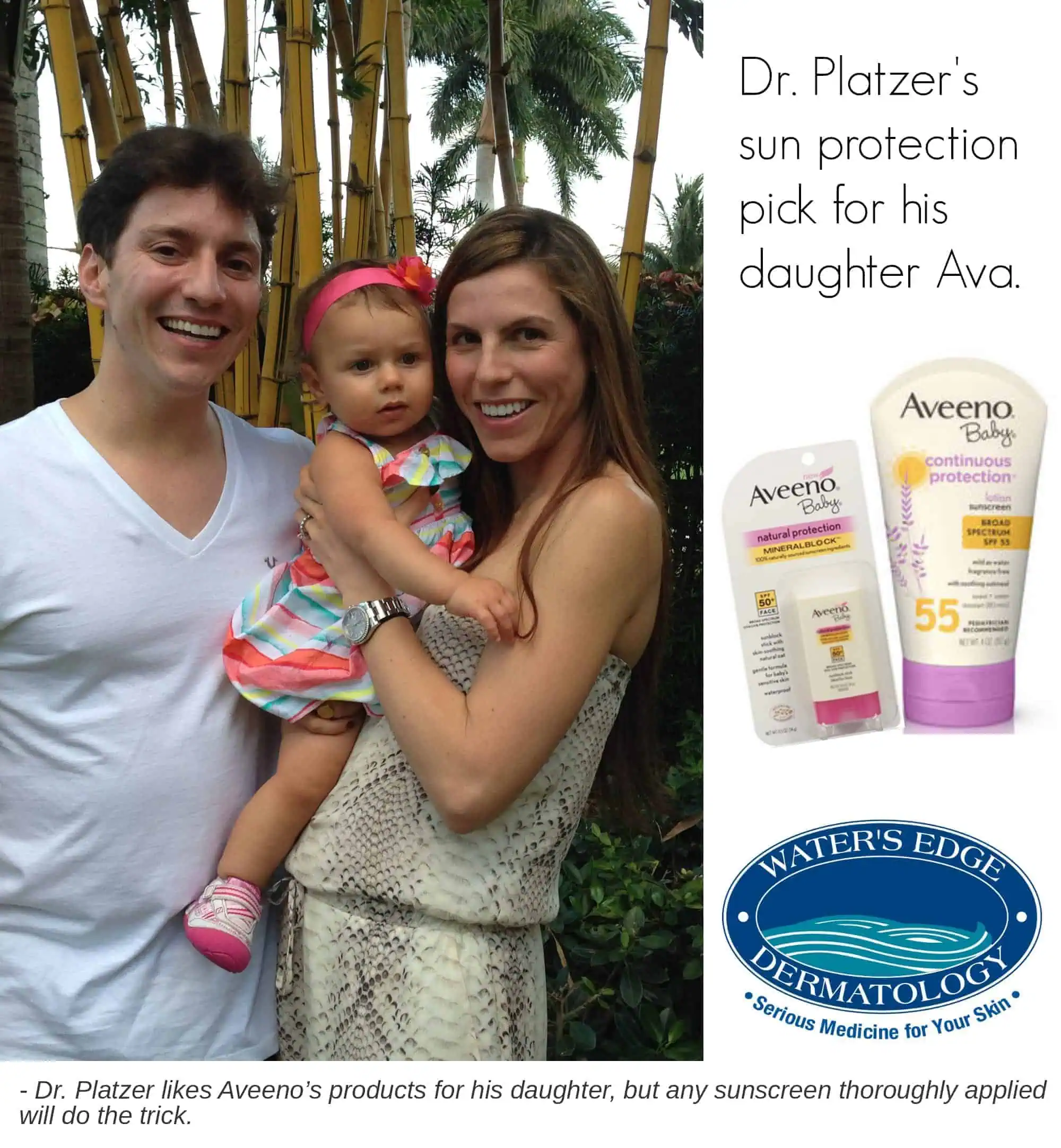
Always protect your baby from the sun. Just a few serious sunburns can increase your baby's risk of skin cancer later in life. The American Academy of Dermatology recommends using a broad-spectrum sunscreen with an SPF of 30 or more.
If your baby is 6 months or older, liberally use sunscreen. Also, avoid exposing your baby to the sun during peak hours — generally 10 a.m. to 2 p.m. — and dress your baby in protective clothing, a hat with a brim and sunglasses.
If your baby is younger than 6 months, keep them out of direct sunlight. Protect your baby from sun exposure by dressing him or her in protective clothing, a hat with a brim and sunglasses.
Top 10 Tips to Prevent Toenail Fungus
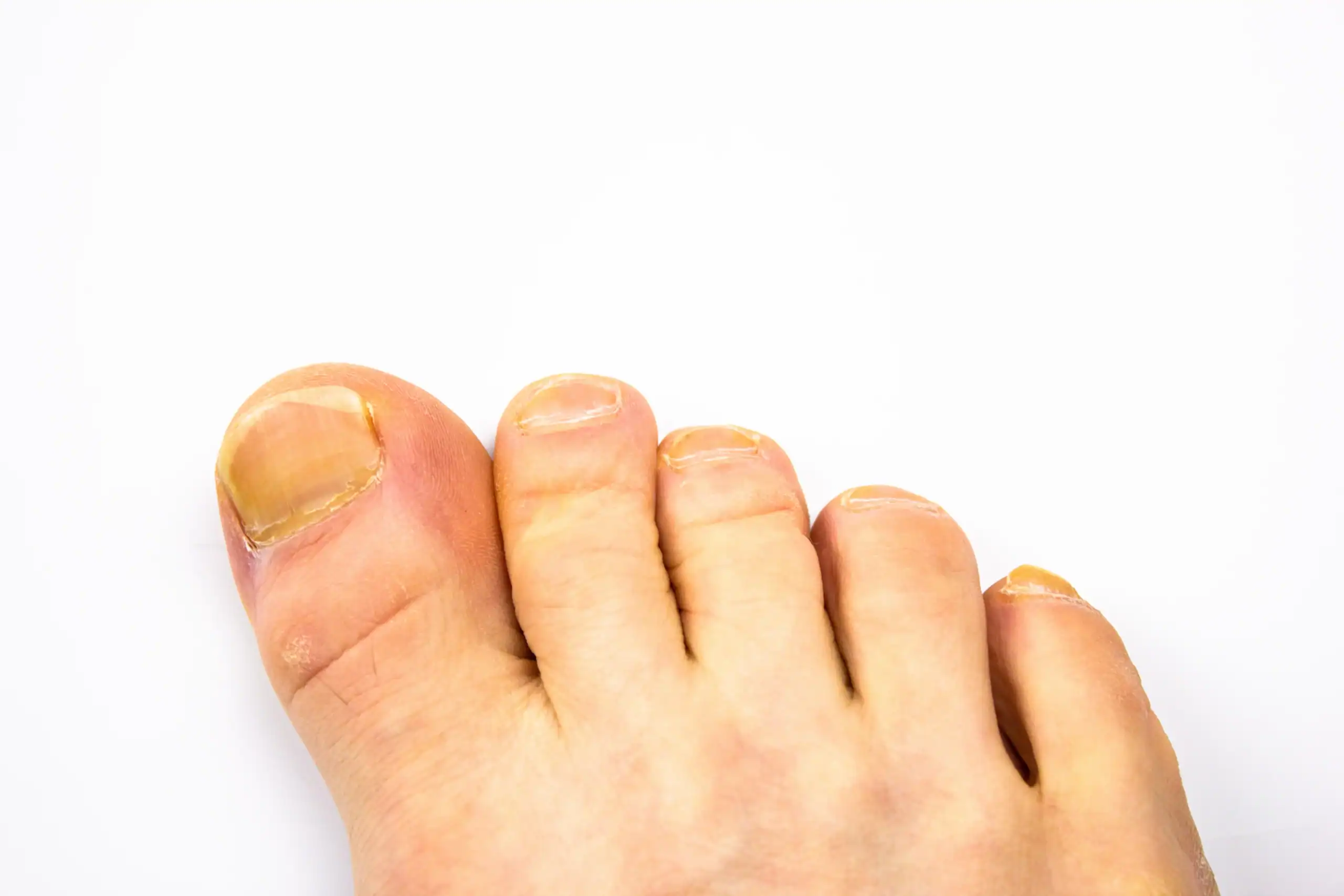
The organisms that cause toenail fungus infections are nearly impossible to avoid. If you spend time in public areas such as gyms, swimming pools or locker rooms where people are barefoot, you are more likely to pick up toenail fungus.
Here are our top 10 tips to keep your feet fungus-free:
- Always wear shower shoes in the locker room, public showers and at the pool. Fungus thrives in damp, warm places like a wet locker room floor.
- Keep your feet clean and dry. Wearing moisture-wicking socks and changing your socks whenever they get wet prevents toenail fungal infections from taking hold.
- Wear shoes that fit well. Shoes that fit properly give your feet room to breathe and prevent excess moisture.
- Use an anti-fungal spray or powder in your shoes to keep fungus at bay.
- Trim your nails straight across your toes and don’t pick at the skin around your nails. Even small nicks in your skin help toenail fungus take hold.
- Consider replacing your old shoes if you think they might have fungus in them.
- Don’t share towels or shoes with others to prevent accidental fungus sharing.
- Avoid nail trauma to your toenails. A nail injury can give toenail fungus access to the skin under your nails.
- Always clean the tools used on your nails, including nail clippers and pedicure tools. You may want to ask your pedicure salon how they clean their tools, or bring your own.
- Don’t use nail polish or artificial nails to hide your nails. These trap moisture and can make unhealthy nails worse.
If you suspect you have a toenail fungus infection, make an appointment with your Water’s Edge medical dermatologist. He or she will help you get the toenail fungus treatment that works best for you.