

New Websites Let You Speak to a Dermatologist Online
The average American is extremely likely to experience some type of skin condition or problem over the course of their lives. Take skin cancer, for example: an estimated one in five people in the United States will develop this disorder at some point in their lifetime. Of this number, some will go on to develop melanoma, the most serious type of skin cancer, which is characterized by the uncontrolled growth of pigment-producing cells.
As long as the condition is detected early, it is highly curable. However, advanced melanoma can spread to the lymph nodes and internal organs, a change that can be fatal. For this reason, dermatology and skin cancer specialists recommend that every person take care to protect themselves from the sun, regularly check their skin for changes, and see a dermatologist periodically for professional skin examinations. Unfortunately, finding the time to visit a dermatologist clinic for these exams can be a challenge. Because of this, a number of practices are now making it possible for busy patients to connect with a dermatologist online.
Increasingly, dermatologists are recommending websites like DermatologistsOnCall.com to patients who are in need of a quick diagnosis or are unable to make time for a traditional appointment. Founded by Dr. Mark Seraly, the site is reportedly similar to a modern dermatologist appointment, especially now that most practices upload their information online. Unlike a traditional appointment, however, the patient speaks with the dermatologist online, either through a video conference or instant messaging service, with the diagnosis, treatment and counseling information being delivered within 11 hours.
However, there are drawbacks to the service: DermatologistsOnCall.com, for example, costs $59 for every virtual visit, and is only covered by one insurance provider. It is also meant for singular issues, not full body exams, a necessary part of detecting skin cancer and other problems. And yet many patients say that speaking with a dermatologist online makes obtaining care easier, while also allowing them to be more descriptive. For this reason, this type of service is growing popular with tech-savvy users under the age of 40, who are also likely to be female.
Currently, some dermatologists are worried about the effect online dermatologist visits could have on a patient's health and the way dermatology is practiced. After all, many conditions cannot be diagnosed without touching and closely examining lesions and other symptoms. However, the practitioners themselves state that seeing a dermatologist online is not meant to replace traditional appointments, only provide a quick solution. In the end, this new service is useful because it expands options: for simple questions and quick fixes, speak to a dermatologist online, but for more serious concerns and treatments, schedule an appointment with a local dermatologist.
Study Suggests Possible Treatment for Keratosis Pilaris
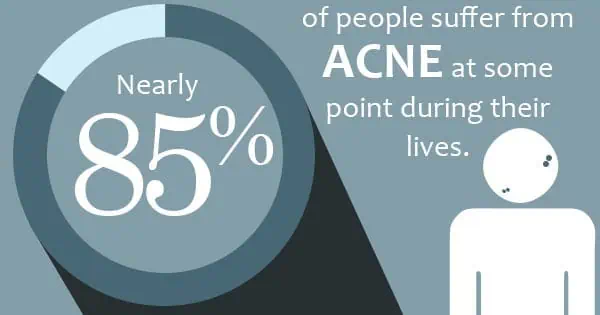
If you have noticed red bumps on your arms and thighs, which tend to become more prominent or itchy when your skin is dry, your first thought is likely that you have a form of acne. This assumption likely isn't too far off base: nearly 85% of people suffer from acne at some point during their lives, including an estimated 40 million to 50 million Americans. However, if you visit a dermatologist clinic seeking an official diagnosis or acne treatment products, you may discover that your condition isn't acne at all.
Instead, you likely have a common problem called keratosis pilaris, which affects nearly 40% of people in varying degrees and tends to run in families. Unfortunately, while scientific research has lead to a number of effective therapies and techniques to treat acne, even the best dermatologists have been unable to correct keratosis pilaris. However, there may be good news: recent research has found a treatment that may successfully reduce some symptoms of this common condition.
Previous studies have shown that keratosis pilaris is resistant to most treatments, and while shorter wavelength laser treatments can treat the erythema (or redness) associated with the treatments, it has no effect on the skin's texture. Because of this, a research team decided to test the effectiveness of a longer wavelength 810-nm diode laser. The researchers recruited 23 patients with keratosis pilaris on both of their arms and Fitzpatrick skin types I to III, defined as light skin tones that tend to burn instead of tanning. The trial lasted from March to October 2011, with a total of three treatment visits for each participant. Each patient only received treatment on one arm.
At the end of the seven month trial, 18 participants had completed the study, while three were unavailable for follow-up appointments and another three had withdrawn due to inflammatory hyperpigmentation. When these 18 participants were examined by dermatologist 12 weeks after the initial visit in a blind review, the doctors found that the treatment had resulted in significant improvements in skin texture. However, the treatment had no effect on the patients' erythema. In a study published in the November issue of JAMA Dermatology, the research team suggested that the longer wavelength treatment could be supplemented with other laser treatments and products to treat both symptoms. Could this therapy be used to address your keratosis pilaris? Contact the best dermatologist in your area today to find out.

How to Remove Your Skin Tags Safely and Effectively
There are a number of different skin conditions that can manifest as bumps on the skin. Acne, for example, will affect nearly 85% of people at some point during their lifetime. Fortunately, this problem can typically be treated with different acne treatment products or procedures, which can be prescribed by a dermatologist. Similarly, skin cancer is more likely to develop in people who have a number of moles, or skin growths that can be brown, black or skin colored; in fact, the growth of new moles, or atypical nevi, can be a sign of skin cancer. An estimated one in five Americans will develop skin cancer at some point in their lives, making it important that you make an appointment with dermatology and skin cancer specialists at a dermatologist clinic if you suspect you have symptoms. But what if you have small, soft growths on your skin, connected to your body by a thin stem? What skin condition does this signify?
While you should have any questionable skin growths checked by a dermatologist, this bump is likely a skin tag. These harmless features often grow on a person's neck, armpits, torso and body folds as they age. Typically, skin tags can be left alone. However, if you find that they rub or catch on your clothes or jewelry, or you simply do not like how they look, you may want to invest in natural skin tag removal. Read on to learn how this process is undertaken safely and effectively.
A Dermatologist's Natural Skin Tag Removal Methods
It is recommended that you have your skin tag first checked out by a dermatologist anyway to reduce the chance of misdiagnosis. If you then want to remove the skin tag, your doctor will typically use one of three natural skin tag removal methods: cutting it off, in which they will remove it will a scalpel or surgical scissors; freezing it off, which uses a small amount of liquid nitrogen; or or burning it off, in which an electric current is passed through a wire, slicing through the stem while reducing the chances of bleeding. All of these methods are safe, and while they might involve some pain, a dermatologist will often use an anesthetic to numb the area.
Why You Shouldn't Conduct a Natural Skin Tag Removal Yourself
Some people attempt to remove their own skin tags with nail clippers and other common devices. However, this can cause bleeding, infection, and scarring. In contrast, seeing a dermatologist is much more effective and safe.
Do you have skin tags? Are you interested in having them removed? Tell us about it in the comments below!

Common and Atypical Moles
Skin cancer is a prevalent problem in the United States, with an estimated one in five Americans developing the condition over the course of their lifetime. Typically caused by a combination of UV exposure, risk factors, and genetic predisposition, skin cancer is not only life-threatening, but can also result in a number of troubling side effects, including a weakened immune system and candida infections in the lungs, liver, and skin.
For this reason, it is important that patients take measures to prevent harmful sun exposure, stay informed of their risk factors, and schedule regular appointments with dermatology and skin cancer specialists at a local dermatologist clinic. This is especially important for people who have more than 50 moles, large moles, or atypical moles, as these conditions can substantially increase one's risk of developing melanoma and needing treatment for skin cancer. This article aims to answer many questions people with these moles, or atypical nevi, may have, including how to identify a cancerous mole and when you may need to undergo a dysplastic nevus removal. Read on to learn about this common risk factor.
Moles
Moles are a common physical feature that are either present at birth or appear during childhood. By adulthood, most people will have anywhere from ten to 40 moles, also called nevi, above the waist on areas exposed to the sun. They are typically smaller than 5 mm, have defined edges, and can be pink, tan or brown. New moles can develop over time due to sun exposure, but it is important to regularly check all of these marks for physical changes, as pain or a difference in appearance can be a sign of cancer.
Atypical Moles
In contrast, a mole with unusual characteristics is called a dysplastic nevus. These nevi may be bigger, have an uneven shape, mixed colors, or an irregular border. Like normal moles, these are typically found in areas that receive a lot of sun exposure, but can also develop in areas that are not exposed to the sun and below the waist. People with a high number of typical moles often have several dysplastic nevi mixed in. Having a high number of these nevi is part of a condition called dysplastic nevus syndrome, which has an even higher likelihood of developing melanoma.
Having dysplastic nevi can be nerve-wracking, as the moles often naturally resemble skin cancer. However, while a person's chances of developing melanoma and other skin cancers increases with the number of dysplastic nevi they have, these moles often remain stable as long as the person protects their skin, eschews tanning, and performs a self-exam at least once a month. If a change is noticed in a mole's texture, appearance, or sensation, the patient should make an appointment with their dermatologist immediately. Some patients may wonder if they can undergo a dysplastic nevus removal to avoid these measures; however, because new moles and patches can form on the skin, this is often pointless and expensive. Instead, a dysplastic nevus removal is typically reserved for the process of identifying and treating skin cancer.
Having an increased risk of skin cancer can be a frightening prospect. However, by taking the proper steps, you can help protect yourself from the condition, even if you have common or atypical moles. How do you protect yourself from skin cancer?

What is the Best Treatment Seborrheic Dermatitis Treatment?
When it comes to common skin conditions that require treatment from a dermatologist, the average person will likely think of problems like acne and skin cancer. Indeed, these conditions are very common, with nearly 85% of people suffering from acne at some point in their lives, and an estimated one in five people being diagnosed with skin cancer. Likewise, both problems will likely require several visits to a dermatologist clinic, whether a patient is seeking acne treatment products or looking to discuss skin cancer treatment options. However, there is another common skin condition that gets less attention these two problems and will likely need to be treated by a dermatologist specialist: seborrheic dermatitis.
Seborrheic dermatitis is a problem in which scaly patches, red skin, and stubborn dandruff form on oily areas of the body, such as the scalp, face, upper chest, and back. Though long-term, the condition does not threaten the patient's overall health and can be managed with good skin care. However, seborrheic dermatitis is often both uncomfortable and embarrassing, causing many patients to wonder what the best seborrheic dermatitis treatment could be.
Home Treatments
If you have seborrheic dermatitis and are considering talking to dermatologist about your condition, you should first try a number of skin care techniques; you may find that the best seborrheic dermatitis treatment is easier than you thought. Try to avoid scratching your skin, wear smooth, cotton clothing, wash your skin regularly, and avoid skin care products that contain alcohol. Next, if the patches are on your scalp, try using shampoos that contain pyrithione zinc, selenium, salicylic acid, and other anti-dandruff measures. Meanwhile, if the condition affects your skin, try a mild corticosteroid cream or a mineral oil to help soften and remove scales.
Dermatologist Treatments
If you have had no luck with the skin care treatments suggested above, the best seborrheic dermatitis treatment for you may be found at a dermatologist clinic instead. Depending on your unique condition, a specialist will likely prescribe a corticosteroid cream or an antifungal treatment, which may be used as a shampoo, a cream, or a pill. In more serious cases, dermatologists may recommend that you use a medication that affects your immune system, or even a combination of light therapy with medication. Unfortunately, the latter may not work for patients with thick hair.
If you have seborrheic dermatitis, you know exactly how uncomfortable and embarrassing it can be to live with this common condition. Fortunately, by taking steps to find the best seborrheic dermatitis treatment for you, you can find the relief you're looking for. Try out the suggestions above today!

Study Finds Patients Perform More Regular and Effective Skin Exams After Seeing Pictures of Skin Cancer
While there are thousands of skin conditions that could affect Americans over the course of their lifetimes, few are as threatening as skin cancer. This sometimes fatal illness affects an estimated one in five Americans at some point in their lives, with more than 2 million people being diagnosed with nonmelanoma skin cancers every year. The condition can usually be treated successfully if it is caught early, which is why many dermatology and skin cancer specialists recommend that patients examine their skin regularly. However, many dermatologist specialists find that it is not only difficult to get patients to take an interest in skin cancer prevention, but it is also challenging to explain what exactly patients should be looking for in self-exams. Now, a new study claims that showing patients pictures of cancerous moles and lesions may encourage them to conduct self-exams and even increase visits to the dermatologist.
Skin cancer is a condition commonly associated with sun exposure. Certain features, like freckles, light colored-hair or eyes, and pale skin, may make people particularly prone to developing skin cancer. Additionally, conditions which cause a high number of atypical moles, called dysplastic compound nevus, dramatically increase a person's chances of increasing melanoma, the most deadly form of skin cancer. However, you don't have to have risk factors like dysplastic compound nevus to develop skin cancer and melanoma: people with darker skin tones have even been known to develop cancerous moles or lesions on the soles of their feet or palms of their hands/atypical-nevus, where melanin levels are lower.
Regardless of risk levels, however, dermatologists often struggle to convince patients to check their skin for signs of skin cancer on a regular basis. However, a new study suggests that showing patients pictures of skin cancer dramatically increases the chances that they will check their skin. In an article published in the Journal of the American Academy of Dermatology, researchers from the University of Waterloo reported that a systematic review revealed that patients checked their skin more frequently and with greater accuracy after seeing pictures of cancerous moles. In contrast, text descriptions alone were not nearly as effective. The team, which is part of the university's School of Public Health and Health Systems, believes that the information may be able to create better patient education strategies in the future.
Do you spend a lot of time in the sun, or have risk factors for skin cancer, such as a family history or dysplastic compound nevus? Do you regularly check your skin for changes? Search for pictures of the signs of skin cancer and schedule an appointment with your local dermatologist today to inspire yourself and help you protect yourself more effectively.

What is the Best Treatment for Seborrheic Dermatitis?
Skin conditions are an unfortunate but typical part of life: for example, nearly 85% of people will experience acne at some point in their lives, making it the most common skin condition in the United States. Similarly, one in five Americans will develop skin cancer, making it one of the most common cancers. However, while most people can treat these problems with acne treatment products or trips to a dermatologist clinic, other conditions are not so easily addressed. Take seborrheic dermatitis, for example: what is the best treatment for this skin issue?
Seborrheic dermatitis is a chronic form of dermatitis, a condition where the skin becomes red, swollen, sore, and even blistered due to an allergic reaction or irritation. This version usually affects the scalp, face and torso, and often emerges as a condition similar to dandruff. Though typically mild, the problem is prone to relapse, making it important to figure out the best seborrheic dermatitis treatment for every unique patient. Read on to learn about some of the most popular methods of treating this problem.
On the Scalp
Often, the best seborrheic dermatitis treatment for the scalp is an over-the-counter shampoo which contains coal tar, ketoconazole, salicylic acid, selenium sulfide, or zinc pyrithione. If the condition is observed in an infant, parents should try washing their scalp daily with baby shampoo and warm water. However, if this does not work, a pediatrician may recommend a medicated dandruff shampoo. If the condition causes thick patches, rub mineral oil on the area before brushing gently with a baby brush to help remove them.
On the Face and Body
When it comes to finding the best seborrheic dermatitis treatment for patches found on the face or body, patients should first try to keep the affected area clean by washing the patches daily with soap and water. Sunlight has also been found to reduce inflammation, so spending time outdoors could help. However, if these steps show no results, dermatologist specialists will typically recommend antifungal products, corticosteroid lotions, prescription medicated shampoos, or products containing sulfur. Many patients and doctors have observed that the best results seem to come from a combination of medication and healthy lifestyle choices.
Seborrheic dermatitis requires different treatments for different patients; in some cases, the condition may even disappear on its own. However, in most occurrences, patients should work with their dermatologists to help them live life without discomfort. If the condition does not improve or becomes painful, red, swollen or starts to drain, see a doctor immediately.
What are Skin Tags?
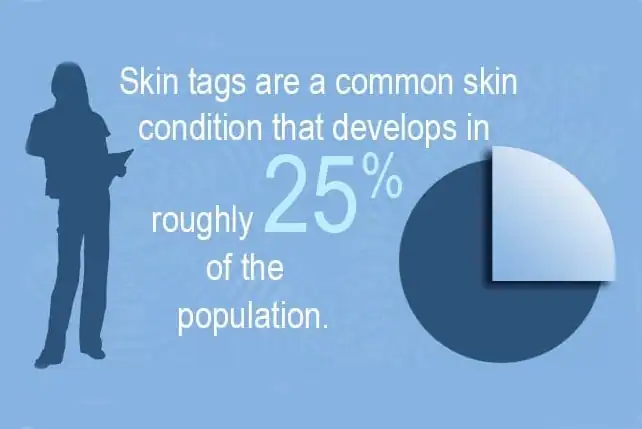
As you have grown older, you may have noticed that your skin has formed small, soft protrusions on your arms, neck, chest, or groin. These benign features are called skin tags, a common skin condition that develops in roughly 25% of the population. Often due to genetic predisposition, skin tags do not pose a threat to a person's health, but can make patients self-conscious about the appearance or texture of their skin. As a result, many people will visit dermatologist clinics and research different skin tag removal products and methods. However, to discover the best course of action for you and your skin, it is important to understand why skin tags form and how they are best treated.
About Skin Tags
Dermatologist specialists believe that skin tags develop as a result of friction between clothing and skin, or two adjacent areas of skin; the latter is usually seen when the protrusions develop in the underarm or on the eyelid. Because of this, skin tags are more likely to develop in obese patients, those who are middle-aged, and the elderly. In some cases, however, skin tags can develop in children, pregnant women, and people with Crohn's disease.
Skin tags are usually flesh-colored and can range in size from less than 1 millimeter to as large as a grape. Some patients may mistake them for cancerous lesions (a legitimate concern, as more than 3.5 million nonmelanoma cancers are diagnosed every year in the United States), but this mistake is unlikely, as skin tags can be distinguished by a small stalk connecting them to the body. They can sometimes become caught on clothes, but otherwise should not be painful; if a patient does experience pain and other unusual symptoms emerge, a dermatologist will likely have them excised and tested to ensure that they are not nevi, or atypical moles. These atypical moles can mean that a patient has a higher chance of developing melanoma, a deadly skin cancer characterized by the overproduction of pigment-producing cells. However, this is highly unlikely in most cases.
Skin Tag Removal Procedures
Because skin tags are benign, they typically are not removed unless they are uncomfortable or displeasing to the patient. While some home recipes claim to be able to remove skin tags with skin tag removal products, such as apple cider vinegar, effective results can only be achieved through surgery. In this procedure, a dermatologist will use a blade, scissors, liquid nitrogen or electric cautery; a local anesthetic can be used if necessary. The surgery is curative, but more skin tags may form over time. Fortunately, almost any dermatologist can and will perform this treatment, making it easy for many patients to find the care they need at a local dermatologist clinic.
While skin conditions like skin tags may not be attractive, in most cases they are a normal development that poses no threat to a person's health. If you want to remove these protrusions, don't waste your time researching skin tag removal products or home remedies. Instead, schedule an appointment with your dermatologist to discuss surgery today.

What is Dysplastic Nevus Syndrome?
With skin cancer now estimated to affect one in five people in the United States at some point in their lives, many people are now aware of the various risks associated with this condition and how to prevent it. However, even if you wear sunscreen and check your skin fairly regularly, you may still have an increased risk of developing this disease. This is especially true if you have dysplastic nevus syndrome, a condition that has been linked to serious conditions like melanoma.
It is commonly known that a person with 50 or more moles has an increased risk of developing skin cancer, especially melanoma. Accordingly, dysplastic nevus syndrome refers to the presence of a high number of unusual moles, called dysplastic nevi. These may resemble melanoma from the onset and signify an unusually high risk of developing a real case of the condition. Someone with dysplastic nevus syndrome may have 10 or 12 times the risk of developing skin cancer and melanoma than the general population, and as a result, dysplastic nevi are much more common among skin cancer patients than those without the disease. Dysplastic nevus syndrome runs in families and represents an inherited tendency to develop different types of skin cancer.
There is no dysplastic nevus treatment that can reduce the risk of developing skin cancer, but because of the nature of the condition, it is important that people with this disorder see dermatology and skin cancer specialists as soon as possible to prevent potential problems. Because the syndrome runs in families, dermatologists typically recommend that patients begin receiving full-body exams at age 10, including checks on the scalp, eyes, genitals, nails and other areas. Because a high percentage of people with dysplastic nevus syndrome develop melanoma in their teens, this is one of the most effective preventative options available. Patients who also have a family history of pancreatic cancer are also offered the chance to receive screenings starting at age 50, or 10 years before the age that their earliest family member was diagnosed.
Research shows that only 2-8% of the Caucasian population have dysplastic nevi. However, if you have noticed a number of atypical moles on your body and have close family members with skin cancer or melanoma, you have good reason to discuss your chances of developing these conditions with a dermatologist specialist. Fortunately, the field of dermatology has experienced a number of scientific breakthroughs in everything from acne therapies to skin cancer treatment, meaning that you have a good chance of treating any problems that may have occurred due to this genetic prevalence. Visit a dermatologist clinic today to discuss these options and preventative care with a professional today.