
Water's Edge Dermatology logo

Do You Remember the ABCDEs of Melanoma?

Melanoma is the most deadly form of skin cancer, so it’s important to remember to perform skin mole self-exams regularly.

Melanoma usually develops on the surface of the skin and affects your melanocytes — the cells that give your skin its color. It often begins in or near an existing mole.

Check your moles for the ABCDEs of melanoma warning signs:

A — Asymmetry: One half is unlike the other

B — Border is irregular, scalloped or poorly defined

C — Color is varied from one area to another

D — Diameter: Melanomas are usually greater than 6 mm, or the size of a pencil eraser

E — Evolving: A mole or skin lesion that looks different or has changed

Moles are usually round or oval, have a defined border and are uniform in color. If your skin moles have one or more of the ABCDEs of melanoma traits, make sure you talk to your Water’s Edge medical dermatologist. He or she will help determine if you need mole treatment for your skin moles.

Click here to make your appointment today. You can also follow us on social media for more tips and information about serious medicine for your skin at Water’s Edge Dermatology.


What’s Causing Your Acne?

We know chocolate and French fries aren’t really making your skin break out, so what is? Acne is caused when your pores are blocked by a combination of sebum and dead skin cells, allowing bacteria to multiply in the plugged pores.

Medical dermatologists have identified certain triggers that lead to these blockages. Knowing your triggers makes your acne treatment more effective, so let’s talk about the top four triggers causing your acne.

  1. Stress. Stress causes your body to release steroids and produce more androgens, hormones that contribute to breakouts. These increases stimulate sebum production, which triggers more breakouts.
  2. Too much contact. Touching your face with your hands, cell phone or your workout gear spreads bacteria and dirt to your face. The combination of sweat, bacteria and dirt on your skin makes it easier than ever to plug your pores.
  3. Beauty products. The products you use play a part in triggering pimples. Hair products can seep into the pores along your hairline, and your makeup and sunscreen can clog your pores.
  4. Prescriptions. Some medications trigger breakouts by causing hormonal changes. Medications with prednisone, cortisone, hydrocortisone, lithium, lithium chloride and some forms of iodine are often culprits of aggravating and triggering acne.

Your Water’s Edge medical dermatologist can determine the triggers of your breakouts, and help you treat and prevent future blemishes. It could be as easy as switching beauty products, drinking more water or getting more sleep.

Click here to make your appointment today.


Adult Dermatology: Changes in Aging Skin

We won’t stay young forever, but that doesn’t mean our skin can’t continue to look its best. Adult skin changes as it ages, and some of these changes are more obvious than others. The trick to keeping your skin looking healthy and young for longer is prevention. Your Water’s Edge adult dermatologist can help you stall some of the side effects of age. Here are the five most common effects of aging skin:

  1. Skin gets drier. Your skin produces fewer moisturizing oils as you age, so it’s important to protect your skin from losing moisture to wind, hot baths or the sun.
  2. Your skin begins to thin. Adult skin thins as you lose some of the fatty layer below your skin. Your skin cells regenerate more slowly and your collagen and elastin levels decrease as you age.
  3. Skin begins to sag. As your skin thins and you experience lymphatic drainage, gravity begins to pull on your skin. The decreasing levels of collagen and estrogen mean there is less structure for your skin as well.
  4. Age spots develop on exposed skin. Age spots are areas approximately the size of freckles. They are caused by melanin overproduction due to sun exposure.
  5. Wrinkles form and deepen. The most common causes of wrinkles are sun exposure, muscle and skin movement from facial expressions, slower skin cell regeneration and less collagen production. These are made more prominent by sagging skin.

Your skin is an indicator of your health, so keep it looking as good as you feel. Your adult dermatologist can treat dry and sagging skin, wrinkles and age spots. Make your appointment with a Water’s Edge dermatologist today and get serious medicine for your skin.


Adult Acne Treatment

Treating Adult Acne

Acne is frequently considered a skin disorder of adolescents and teens. Unfortunately, acne can affect adults in their 20s, 30s and beyond. Many factors can contribute to the appearance of acne, including hormones, disorders of the hair follicles and infections. While there is no cure for acne, there are many effective ways to control and treat adult acne.

Adult acne can be divided in two groups of patients. The common acne in children can also occur in an adult, which is known as acne vulgaris. Another form of adult acne is known as acne rosacea. Acne rosacea is commonly recognized by the inflammation and redness of the face, but most often lacks the appearance of blackheads or open comedones.

Acne can be controlled with over-the-counter products as well as prescription medications. Establishing a skin care regimen with a dermatology provider can be very helpful in treating acne. Many treatments are available, including cleansers, topical treatment, oral antibiotic therapy, oral isotretinoin courses and even blue light therapy.

Starting with a mild antibacterial cleanser or benzoyl peroxide wash twice daily keeps the face and body clean and keeps oil to a minimum. Do not scrub the face and body clean as friction can increase the acne lesions.

Prescription treatments available for acne can be topical creams, gels or solutions. The topical medications can include one or more medications. Topical medications should be used consistently and as prescribed by your provider for best results. Topical treatments can be drying, so it is important to speak with your provider about adding a moisturizer or decreasing the frequency of use if this occurs.

Oral antibiotics can be used to treat acne and acne rosacea in adult patients. Oral antibiotic therapy can be given for short-term or long-term treatments, depending on the response to treatment and the medication prescribed by your provider. Low dose, long-term antibiotic therapy is available and effective for many patients.

Oral isotretinoin is an option for severe acne. It was previously marketed under the name Accutane but is available now in generic forms. This particular medication is available if other oral medications have failed. Isotretinoin is closely monitored by a program called iPledge. Blood work is monitored each month by your provider. Two forms of birth control must be in place for female patients as this medication can cause birth defects if pregnancy occurs during the time period the medication is being administered. This medication is generally given for a course of four to six months.

The most important key to the management of acne is to be consistent with your use of medication. Consistency is important.

Finally, even acne prone skin needs sunscreen each day. Finding a sunscreen that is oil-free and non-comedogenic is important. Please visit a Water’s Edge office for EltaMD Shield, which is a zinc sunscreen that is lightweight, absorbs completely and is great for oily skin types.


References: Acne (n.d.) American Osteopathic College of Dermatology. Retrieved from aocd.org.

Top 5 Reasons to Consider Juvederm Voluma

Some signs of aging can begin to appear when women are in their mid-30s, such as cheeks losing volume or deepening under-eye circles. Fortunately, there are several ways to keep aging skin from detracting from your natural beauty, such as fillers like Juvederm Voluma. Here are the top five reasons why you should consider Juvederm Voluma when you decide to get a filler treatment.

  1. Restores fullness to your face by filling both fine and deep lines for a natural appearance.
  2. Diminishes any scars you may have accumulated over the years.
  3. Produces immediate results, meaning your face looks as youthful as you feel by the time you leave the office, and no downtime is required.
  4. Treatment is completed in one visit, so you don’t have to worry about scheduling multiple appointments.
  5. Results last for months, and when you combine certain fillers, your results can last between three months to a full year.

Juvederm is a smooth gel made from hyaluronic acid, which occurs in your skin naturally. Your Water’s Edge adult dermatologist can use the combination of Juvederm Voluma to smooth your skin and add volume and hydration. It is the latest facial filler option available and it is the only filler approved by the U.S. Food and Drug Administration.

Make an appointment with your Water’s Edge dermatologist for a consultation about your filler treatment today. You can like us on Facebook to find more tips about skin care and our serious medicine for your skin.


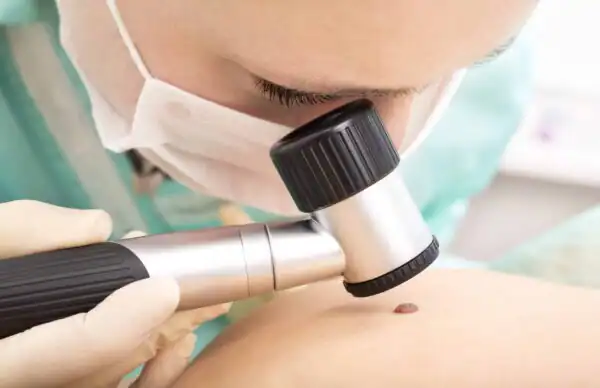
Dermatologist examining a mole on a patient's skin.

Top Reasons to See a Professional for Mole Removal

Moles are removed for several reasons, whether medical or cosmetic. If you find your skin mole unattractive, it causes irritation from rubbing against clothing or your dermatologist suspects cancer, removing your mole, or moles, is an option.

There are several at-home and “natural” treatment options available, but these can cause complications if not performed correctly. Let’s talk about the top five reasons to have your skin mole treatment performed by your dermatologist.

  1. If your mole might be cancerous, or pre-cancerous, your dermatologist can help you begin treatments to prevent the spread of skin cancer. A dermatologist can have a sample of your mole tested when removing it, which cannot be done with at-home treatments.
  2. Your mole could grow back. Shaving or treating your skin mole at home may not completely remove the mole. If your mole does grow back, that is a possible sign of melanoma, for which you should be treated by a dermatologist.
  3. You could leave scars on your skin. Especially on the face, it is important to have moles treated properly to avoid unnecessary scarring.
  4. The treatment site could get infected. A dermatologist can prevent infection from occurring by correctly preparing your skin for the mole treatment and by properly treating and closing the wound.
  5. Mole removal creams can leave pits in your skin. Some skin mole removal creams are corrosive and can cause damage to healthy skin if used incorrectly. If you want to try this method, it is recommended you discuss it with your dermatologist to minimize potential side effects.

Your Water’s Edge dermatologist can effectively remove your skin moles with one of two skin mole treatments: surgical excision or surgical shaving, both of which can be performed in-office. Make an appointment to discuss your skin mole treatment with your Water’s Edge dermatologist.


How to Give Yourself a Skin Mole Exam

You frequently hear dermatologists and skin cancer experts talk about the importance of regularly examining your skin, but do you know the best way to check yourself? Your skin moles should remain fairly constant, but here are the steps to find any new or changed moles.

Skin Mole Self-Examination

  1. Start with your face, ears, scalp and neck. Use a hand mirror to see the back of your neck and a comb to part your hair to make this easier. Or, ask friend to help check your scalp.
  2. Stand in front of the mirror and look at the front and back of your body. Remember to raise your arms to look at your sides.
  3. Next, look at your hands and arms. Carefully examine your fingernails, palms and elbows, and look at your arms from all directions.
  4. Look at your legs from all angles using your mirror. Remember to check swimsuit areas for moles as well.
  5. Sit down and examine the bottoms and tops of your feet, your toenails and the spaces between your toes.
  6. Finally, take notes about your skin’s appearance and mark the dates of your skin mole exam. This will help you identify changes in your moles in the future.

Most of the moles you find likely developed when you were young, and you will continue developing skin moles until the age of 40. Most moles are harmless, but checking your skin regularly will help you track any changes and alert you to seek mole treatment if necessary.

If you find any suspicious or new moles, make an appointment with your Water’s Edge dermatologist to learn if you need skin mole treatment.


Water's Edge Dermatology logo

Botox®: Banishing More than Your Crow’s Feet

Botox Cosmetic is a simple treatment used to block nerve impulses to injected muscles to relax facial muscles and improve the look of wrinkles.

Here are some of the top reasons to talk to your Water’s Edge cosmetic dermatologist about Botox:

  • Results are noticeable within days.
  • Recovery time is unnecessary.
  • It is a simple, nonsurgical procedure.
  • It relaxes your targeted muscles to smooth existing wrinkles and prevent new wrinkles.
  • Results last from three to 12 months.
  • Side effects, such as bruising or soreness, are minimal and uncommon.

Your skin will age as you do and as you expose it to sun and environmental factors, but you can still look as young as you feel. Ask your Water’s Edge cosmetic dermatologist about whether Botox® is an option for you.

Water's Edge Dermatology: We’ve got serious medicine for your skin.
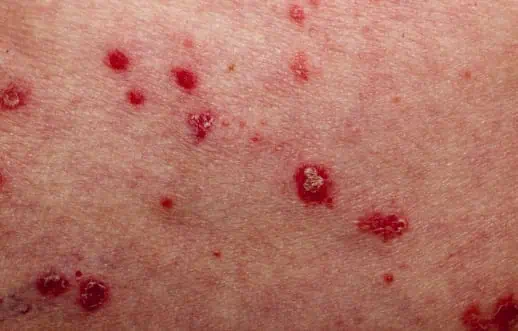

Psoriasis on skin of a dermatology patient

Banish Psoriasis Flare-Ups

Psoriasis itch is different from most skin conditions, and it can make cooler months miserable times. This year, tackle your psoriasis head-on with these tips, so you can enjoy your holiday season.

  1. Moisturize, moisturize and moisturize some more! The National Psoriasis Foundation suggests using a heavy cream or ointment to lock-in water. This helps control the itch and allows the skin to heal.
  2. Stay healthy. Psoriasis flare-ups are more likely when you’re ill, so rest up and wash your hands. Just remember to moisturize again after washing.
  3. Relax. Whether you choose a massage, a great workout or a spa trip, reducing your stress will keep psoriasis itch and pain at bay. Plus, holidays are just more fun without stress.
  4. Make hydration a priority. Drinking lots of water can help you hold on to more water in your skin, and it’ll help you stay healthy.
  5. Stay comfortable. Wear soft layers to avoid irritating your skin, and keep your humidifier running so your skin won’t lose moisture to your indoor heating.

Be sure to talk to your Water’s Edge dermatologist if the cooler, dry air causes your psoriasis to act up.


Rosacea Tips for Cooler Weather

The approach of the holiday season brings many good things, like spending time with family and much-loved traditions. But, if you have a condition like rosacea, the cooler temperatures and drier wind can bring some less-loved side effects, like worsening symptoms. If you suffer from rosacea skin, here are some tips to help you avoid that uncomfortable flush this as it gets cooler.

  • Cover up— Stronger and cooler wind can dry your skin more quickly than humid breezes of summer. Wearing sunglasses and a soft scarf can protect your face from wind damage without causing further irritation.
  • Stick to your routineSkin care is essential to managing your rosacea, according to the American Academy of Dermatology. Keeping your skin care regimen consistent is an important step in managing your rosacea. Washing your face twice a day and using plenty of moisturizer is key.
  • Keep the heat to a minimum— In the cooler months, remember to keep your indoor temperature moderately warm and use a humidifier to avoid drying your skin.
  • Wear sunscreen every day— Even as the sun’s rays weaken in the cooler seasons, exposure to the sun can cause flare-ups.
  • Relax— Managing your stress is an effective step in avoiding flare-ups year-round, so don’t let holiday stress catch you off guard. The National Rosacea Society suggests meditation or yoga as calming options for managing stress.

Your Water’s Edge dermatologist wants you to enjoy the holidays, so talk to him or her about any changes in your condition.

What strategies do you use to manage your rosacea skin? Let us know in the comments below.