
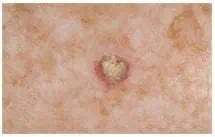
Skin Cancer Treatment
There are treatments for skin cancer. Everyone can get skin cancer, no matter how light or dark your skin may be. Exposure may come from UV rays, X-rays, genetics, a weak immune system, scarring from bad burns, cancer-causing compounds such as arsenic, sunburns, and the use of tanning beds.
You aren’t alone. Water’s Edge medical dermatologists are here to provide you with compassionate and thorough care.
Treatments
Excision: Dermatologists will numb the skin and surgically remove the cancer along with a small bit of healthy skin around the area. The small bit of skin is called a margin.
Mohs Surgery: Performed by dermatologists who have received special training, this procedure involves taking layers of skin from the cancerous area layer-by-layer until the current layer is cancer-free. The dermatologist will scrutinize the skin layers through a microscope to determine if another layer needs taken.
Curettage and Electrodesiccation: This process involves scraping off a bit of skin from the top layer of the cancer and then gently cauterizing the remaining cancer cells. This treatment typically needs to be repeated three times.
Other Treatments
Immunotherapy: Doctors will use the patient’s own immune system to fight the cancer.
Cryosurgery: Freezing the cancer cells and allowing them to slough off.
Chemotherapy applied to the skin: Physicians will apply medicine to the skin cancer and it will destroy the cancer cells.
Chemotherapy: Medicine used when the skin cancer goes beyond the skin.
Photodynamic Therapy: This process involves a chemical peel and exposure to a special light.
Radiation Therapy: Radiation may be used for large areas of skin cancer on older adults.
With dermatology centers throughout southeast Florida, Water’s Edge Dermatology can help you. Request a skin cancer screening today. Prevent skin cancer now by performing a self-exam on your skin.
Genital Warts
Genital warts are caused by the human papilloma virus commonly known as HPV. There are more than 100 different strains of HPV known to exist. While only a small percentage of people with HPV will have genital warts, HPV carriers can still pass on the virus. Some people don’t even know they have it and are unknowingly spreading the virus. It can sometimes take years for the virus to develop warts, while some people contract them after a few months of contact with the virus.
The warts can show up on the genitals, anus or mouth and throat of an infected person, depending on where contact occurred.
Genital warts should be removed and treated. The warts are difficult to keep clean, can itch and bleed, and interfere with urination, bowel movements and sexual intimacy. Genital warts may also be passed along to infants during birth; alternate means of birth should be used.
If you think you may have contracted genital warts, make an appointment to see your Water’s Edge medical dermatologist immediately. There are various types of genital warts treatments.
Treatments
- Excision
- Electric needle removal
- Freezing with liquid nitrogen, cryosurgery
- Laser
- Applied chemicals
- Applied acids
- Podofilox gel or solution to stop wart growth
- Imiquimod cream
Successful removal of the warts is not a guarantee that the HPV virus is completely gone. The HPV may be deep in the skin. A person with HPV after wart treatment may still be able to transmit the virus.
HPV is a virus and there is no cure. The Center for Disease Control (CDC) recommends that all girls and boys receive the HPV vaccine at age 11 or 12. The vaccine is also recommended for gay and bisexual men and men with compromised immune systems (including HIV) through age 26, if they did not get fully vaccinated when they were younger.
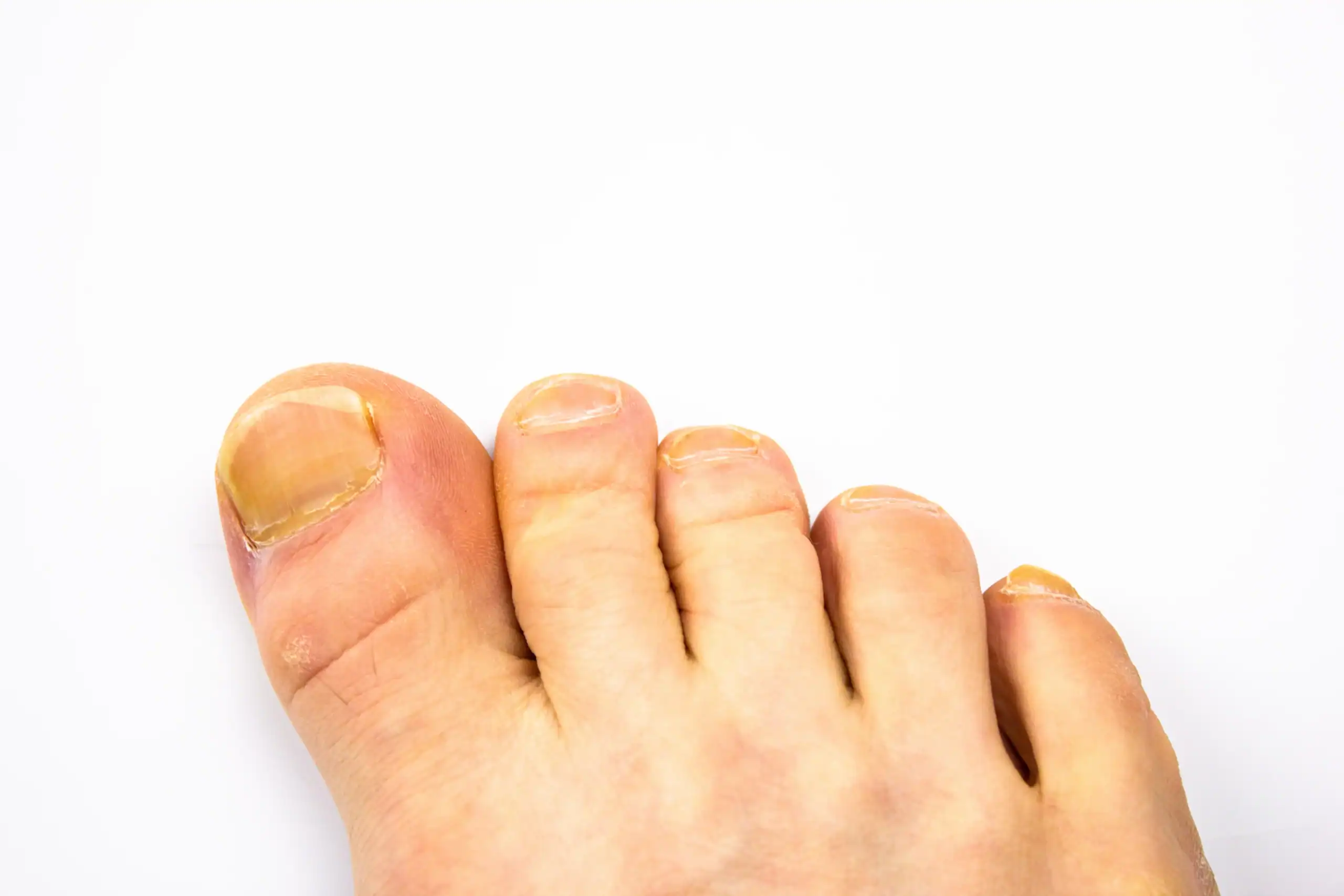
Toenail Fungal Infections & What To Look For
Are your toenails yellow, cracked or chipped? Are you experiencing pain, redness or swelling around your toenail area? If you have these symptoms, you could have toenail fungal infections, or also known as onychomycosis.
Toenail fungus infections affect around 12% of all Americans. It is hereditary and runs in families. Nail disorders are common in adults, but rare in children. Age causes nails to thicken and become more susceptible to nail fungal infections.
The two most common types of nail fungus are dermatophytes and yeast. Dermatophytes tend to be more common in toenails, while yeast infections are more common in fingernails. Dermatophytes can be picked up from walking barefoot in public places such as pools and showers. The fungus likes to grow in warm and wet places, like shoes that are too tight or that make your feet sweaty and hot.
If you are experiencing any of the following symptoms, you should contact your Water’s Edge Dermatology practitioner.
- Nail color or shape change
- Dents or ridges in a nail
- Pain or swollen skin around a nail
- White or black lines on a nail
Nails grow slowly, which means healing will occur slowly. Topical medications are often not effective enough, so often oral medication is necessary. Our practitioners provide some of the best toenail fungus treatment options in Florida.
Do You Have Acne? Visit a Dermatologist Today
There are currently more than 5,000 dermatology clinics in the United States, all of which treat a variety of skin conditions, from psoriasis to varicose veins. However, many patients who visit dermatologists are there to obtain products and procedures for two common skin conditions: acne and skin cancer. If you have one of these conditions, a dermatologist will be able to provide a variety of treatment options designed to target your individual case and return your skin to a beautiful, healthy state.
Acne is one of the most common skin problems in the world, with nearly 85% of people suffering from the condition at some point during their lifetime. Of these statistics, 40 to 50 million Americans are currently affected by acne. Many of these people are teenagers, as more than 40% of adolescents will have acne or acne scarring by their mid-teens. However, people of all ages will seek out a dermatologist for facial or body acne scar treatments. As such, dermatologist acne treatments will vary from person to person and case to case. Acne treatment products and procedures meant for the face will differ from body acne treatments. Likewise, severe acne treatment will typically involve the use of several products and methods, such as laser acne treatment and different topical products. Regardless of the specific regimen of medication and methods, dermatologists have a reputation for being able to turn blemished skin into a beautiful, healthy, and clear visage, especially in cases that have been resistant to home treatments.
While not quite as common as acne, skin cancer is also an extremely common skin condition, with an estimated 1 in 5 Americans developing skin cancer at some point during their lives. Fortunately, as long as the symptoms are noticed early on, the problem can be treated with a number of different skin cancer treatment options. However, the most common treatments for skin cancer are surgery and radiotherapy; unlike other forms of cancer, skin cancer is only rarely treated with chemotherapy.
The U.S. dermatology industry has generated an estimated $11 billion in revenue by treating a variety of skin conditions, both common and rare, minor and serious. From surgery for skin cancer to body acne treatments, a dermatologist clinic offers both medical and cosmetic services. If you have a skin condition you want to treat, don't wait; contact a dermatologist today to discuss your treatment options.
Signs and Symptoms of Psoriasis
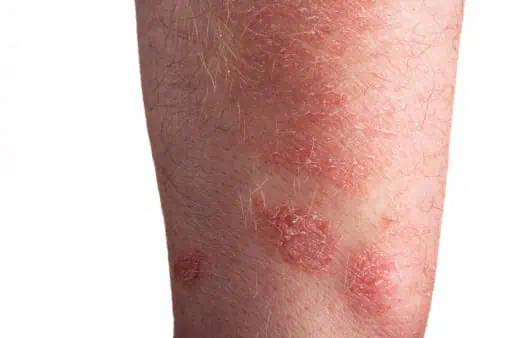
Psoriasis is a heredity skin disease that is often a lifelong condition. Psoriasis is a chronic disease that affects the skin and joints. Usually your skin “turns over” every 30 to 60 days, but with psoriasis, it occurs every 9 to 12 days. The skin cells are not shed and it creates a layer of excess skin cells over the skin. This appears as patches of red or white scaly, itchy skin.
Proper diagnosis is the first step to psoriasis skin treatment. Water’s Edge is your psoriasis treatment center. Your medical dermatologists can help with diagnosis and a variety of effective treatment options.
Common Signs and Symptoms of Psoriasis Skin Disease
- Areas of red, inflamed skin, covered with white scales. These areas of red are called plaques. Scales are the silvery-white coating over the plaque.
- Psoriasis plaques can itch and be painful.
- Plaques can appear anywhere on the skin. They are most common on the knees, elbows, lower back and scalp.
- Patches of plaques vary in size and can often merge together into a larger patch.
- Crumbling or detached nails. Discoloration and pits in the nails may occur.
- Flakey, white scales on the scalp.
- Bleeding areas where skin is scratched.
There is no cure for psoriasis. However, it can be controlled with treatments.
Don’t let your psoriasis rule your life. Schedule a consultation with your Water’s Edge medical dermatologist today.
Do You Need a Dermatologist?
There are a number of skin conditions that a person may contract over the course of their lives, from acne, which affects nearly 85% of people at some point during their lifetime, or skin cancer, which will affect an estimated one in five Americans. Fortunately, for the skin conditions that require clinical help, dermatologist specialists offer a number of treatment options for a wide array of skin problems. These range from aesthetic issues, like varicose vein laser treatments, to serious medical problems, such as melanoma and other forms of skin cancer. Can a dermatologist treat your skin condition? Read on to find out.
Research shows that there are an estimated 7,575 dermatologist clinics in the United States offering treatments for skin problems. One of the most common disorders these clinics treat is acne, which affects an estimated 40 million to 50 million Americans. Many of the people affected by this condition are teenagers: by their mid-teens, more than 40% of adolescents will have acne or acne scarring. However, acne occur at almost any age, and as a result, there are a number of different acne treatment products and methods available. This includes everything from common topical products or even laser acne treatments. A skin care specialist will prescribe a treatment regimen based on the individual needs of the patient and use different products and combinations of treatments to best rid the patient of their acne.
Skin care specialists also treat a variety of other skin issues, including those which develop in reaction to other, more serious problems in the body. For example, candida infections often form in reaction to a weakened immune system caused by cancer, HIV, and other diseases. It then spreads to various parts of the body, including the lungs, liver and skin. Similarly, Kaposi's sarcoma is a skin condition characterized by dark or purplish lesions on the skin, which forms rarely as a genetic condition and more commonly by the weakened immune system caused by AIDS. Because KS lesions can spread quickly to other parts of the body, including the internal organs, it is important to treat the problem as soon as possible.
The average person will likely experience some form of skin problem over the course over their lives, whether it is as common as acne, as serious as skin cancer or melanoma, or merely an aesthetic concern, like varicose veins. Regardless of the problem, skin care specialists can help you achieve the beautiful, healthy skin you want. Contact a dermatologist today to discuss how they may be able to help you.
How Dermatologists Help Treat the Symptoms of Serious Disease
If you have problem skin, it's likely that you have considered making an appointment with a skin dermatologist to discuss your treatment options. Currently, there are an estimated 7,575 dermatologist clinics in the United States, comprising an industry that has generated an estimated $11 billion in revenue. The dermatologists that work in these clinics are well-versed in providing care for a wide variety of aesthetic and medical skin conditions, from laser varicose vein treatments to different forms of treatment for melanoma skin cancer, and have the knowledge and experience to devise a plan for relieving your individual case or symptoms.
One of the most common skin conditions skin dermatologists treat is acne, which nearly 85% of people will experience at some point in their lifetime. Of this number, and estimated 40 to 50 million Americans are believed to suffer from this problem. Many people experience acne during their teenage years, with more than 40% of adolescents reporting acne or acne scarring by their mid-teens. However, people of all ages can be affected by this condition. Skin dermatologists can treat acne with a number of different methods; often, they will prescribe acne treatment products, procedures such as laser acne treatment, or even a combination of several of these options. Their diagnosis and prescription will depend on the severity of the acne, the afflicted areas of the skin, and the patient's overall health, as well as several other factors. For this reason, dermatologist acne treatments are often far more effective than common home treatments and drug store products.
Dermatologists also treat a number of more serious skin conditions, including skin cancer, which affects an estimated one in every five Americans at some point during their lifetime. There are several different treatments for skin cancer, with the most common being surgery and radiotherapy, though the procedure used will depend on the severity of the cancer and the patient. Skin dermatologists also often treat conditions that develop as a result of serious illness. Candida infections, for example, which can affect the patient's lungs and liver in addition to the skin, commonly develop in people with cancer, HIV, and other conditions that weaken the immune system. Likewise, Kaposi's sarcoma, dark or purplish lesions that form on the skin, form as part of the weakened immune caused by contracting the AIDS virus and can spread to the organs. Dermatologists are able to help treat these conditions when they manifest on the skin, reducing the patient's experience of the full extent of their sickness.
Skin dermatologists treat a wide variety of aesthetic and medical skin complaints every day, from performing laser hair removal to diagnosing a possible case of skin cancer and prescribing treatment if necessary. For this reason, if you have a problem with your skin, whether it is a case of acne or a Candida infection, a dermatologist may be able to help you. Contact a dermatology specialist in your area today to schedule an appointment.
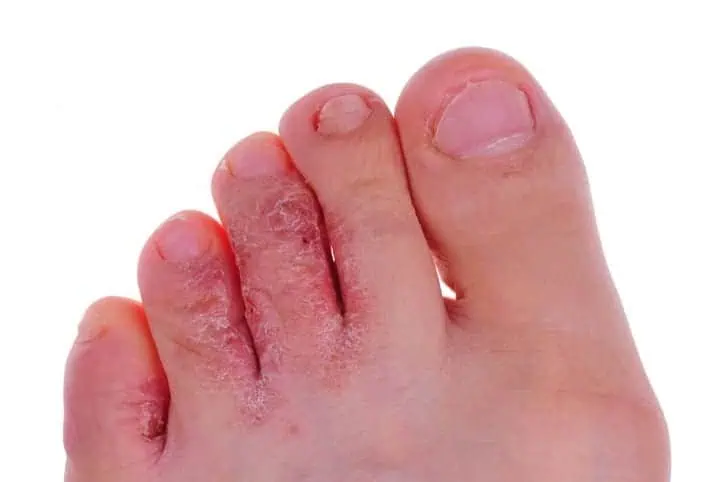
Itchy, Burning Feet? Could be Athlete’s Foot.
Athlete’s foot. Gross, right? Well, it turns out that it is the most common type of fungal infection.
Athlete’s foot is also known as tinea pedis. It’s similar to ringworm and jock itch. It is contagious, but can be treated with over-the-counter medications. It is caused by mold-like fungi called dermatophytes. They always are living on your skin, but they don’t grow as long as your skin stays dry and clean. When your skin becomes a damp, closed environment, that’s when the problems begin.
These dermatophytes love tight shoes that squish the toes together to create warm, moist areas between them, damp socks and humid conditions. They are partial to plastic shoes. Athlete’s foot is also more common in men.
Anyone can pick up athlete’s foot. It is as easy as coming in contact with an infected person or contaminated surfaces like floors (locker rooms, saunas, pools and showers), clothes, shoes or bed linens.
If you think you have athlete’s foot, you may have the following symptoms:
- Burning, stinging and itching between your toes
- Burning, stinging and itching on the soles of your feet
- Blisters that itch
- Peeling and cracking skin between your toes and the soles of your feet
- Vast amounts of dry skin on the bottoms or sides of your feet
- Thick, crumbly, ragged, discolored toenails
If you have been treating athlete’s foot with over-the-counter medications and the symptoms do not improve or worsen, go see your medical dermatologist. You can make an appointment at Water’s Edge Dermatology with one of our clinics.
Summer Skin Care
Summer is here. This means barbecues, the beach and other outdoor fun. However, rising temperatures, a poor diet and sunscreen can irritate pores and cause oilier skin. Water’s Edge’s team of acne dermatologists answer questions and provide advice on the best summer skin care for acne prevention.
Is diet important for clear skin?
It is not proven that ingesting fried or greasy foods causes acne, according to our acne dermatologists, but oils remaining on the skin can clog the pores. Certain foods may trigger breakouts and should be avoided to prevent flare-ups. A healthy diet and plenty of hydration is recommended to enhance the well-being and look of your skin.
What is the oil on skin?
The oil produced on our skin is called sebum and its purpose is to keep the skin from drying out. However, an increase in production may cause breakouts and irritation. Prevent breakouts by minimizing the oil and bacteria on the skin. A regimen can be as simple as washing the face with soap and water. Antibacterial soap like Dial or Cetaphil will reduce the bacteria. Wash immediately after sports and workouts. If oil persists, a toner or benzoyl peroxide product may need to be added.
What kind of skin products should I use?
Clogged pores may need a retinoid. Retinoids, like Retin A Micro, speed up the skin-cell turnover time by putting a light peel on the skin, which prevents pores from clogging. Be careful to choose makeup, moisturizers and sunscreens that don’t clog pores. Check the labels and look for wording like non-comedogenic, non-greasy or oil-free. Products like Cerave and Cetaphil are just two available options. EltaMD and Minus Sol are sunscreens available in our office. A facial is recommended by our cosmetic dermatologists and estheticians, and this service is available in many of our offices.
Look your best all year!
Good skin care is recommended all year. Our desire at the Florida center for dermatology is to help you look great, but protecting your skin from damage and harmful rays is most important. Always moisturize your skin, keep it well hydrated and use protective clothing and sunblock. The skin is our first line of defense and should be protected every day.
Sunscreen is Beauty’s New Best Friend
We all know sunscreen is an important step in protecting yourself from skin cancer and those painful sunburns. But did you know there is a new reason to slather it on? Water’s Edge Dermatology wants to encourage you to take a couple minutes to reapply sunscreen and make your skin look younger. The National Health and Medical Research Council of Australia funded a study to look for the truth in sunscreen use and dietary supplements such as beta-carotene. After reading their findings, you’ll be searching for that sunscreen bottle.
The researchers down under found more than 900 people under the age of 55 to either slather on sunscreen as per instructions or to keep up their usual routine. They were also given either a beta-carotene supplement or a placebo to test out the effects of dietary supplements meant to prevent skin damage and aging.
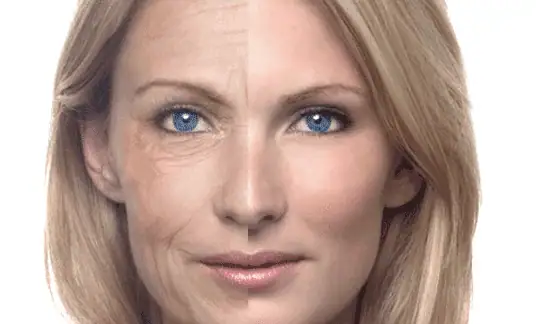
After four years of keeping track of all these people’s sunscreen regimen, researchers found that regular sunscreen use does slow the aging of skin while the beta-carotene supplement had no overall effect. The people who reapplied sunscreen on the hour and after getting wet were 24% less likely to show increased aging.
The main reason is the ability of UV-A rays to break down the collagen and elasticity of skin. Collagen isn’t only used to make your lips pouty, it holds your skin together and keeps it looking young. When collagen can’t do its job because of all the UV-A exposure, your skin begins to lose the battle for elasticity and a youthful experience.
So, even if it takes a couple minutes out of your day here or there, try to reapply whenever you can. Water’s Edge even sells non-oily sunscreen. Not only will it help prevent skin cancer, it’ll keep you looking pretty for longer.


