

Sunscreen Facts for Smarter Sun Safety
Medical review by Evelina Ingersoll, APRN
Most of us know enough to pack sunscreen before hitting the beach, spending the day at the lake or pool or working outdoors. But which sunscreen should you choose? How should you apply it and how much should you apply? And does it expire?
Read on for answers to frequently asked questions that will help you get the maximum protection from sunscreen.
Does everyone need to use sunscreen?
Yes. Overexposure to ultraviolet (UV) rays from the sun can cause sunburn, dark spots, leathery skin and skin cancer. The risk of developing skin cancer is higher if you have fair skin and burn easily, but anyone can get it, regardless of their skin tone or age. Even young people get melanoma, one of the deadliest types of skin cancer.
Many men are resistant to wearing sunscreen, but they need it too.
How does sunscreen work?
There are two basic types of sunscreens: chemical and mineral.
Chemical sunscreens sink into the skin and absorb the sun’s rays. Those rays are converted into heat, which is released from the body. Mineral sunscreens, also known as physical sunscreens, contain zinc oxide and/or titanium dioxide. They sit on top of the skin and work by deflecting the sun’s rays.
What is SPF and what SPF do I need?
SPF stands for sun protection factor. It’s a measure of how well the product protects against UVB rays (the burning rays). The higher the SPF, the more protection the product offers.
According to the FDA, it’s a common misconception that SPF relates to how much time it takes to get burned (for example, that SPF 15 means you can stay in the sun 15 times longer than you could without sunscreen before you get burned). It’s actually a measure of how much UV radiation it takes to produce a sunburn on protected skin.
The American Academy of Dermatology suggests using sunscreen with an SPF of at least 30, which blocks 97% of UVB rays. You can buy sunscreen with higher SPF, but no sunscreen blocks 100% of the sun’s rays. Also, a higher SPF doesn’t mean you can use less or reapply less often.
When do I need to use sunscreen?
Use it every day that you’ll be outside, however briefly. Sun damage can start after as little as 10 minutes, and the effects are cumulative. Even walking from the car to the office or store without sunscreen can add to the damage.
You’ll also want to wear sunscreen when you’re sitting indoors next to a window, when you’re in the car and when you’re on a plane or train if you have a window seat. Window glass filters some, but not all, UVA rays, which cause premature skin aging as well as skin cancer. (UVB rays, the “burning” rays, don’t pass through windows, which is why you can’t get sunburned through a window.)
RELATED: 4 Surprising Times You Need to Wear Sunscreen
Don’t save the sunscreen for warm, sunny days. Most of the sun’s UV rays pass through clouds. Snow, sand and water all reflect those rays.
How much sunscreen should I use on my body?
Squeeze strips of sunscreen along the lengths of your index finger and middle finger. This should be about the right amount to cover your face, neck and ears.
Don’t rely on the SPF in your moisturizer or makeup for sunscreen protection if you’ll be outside for any significant length of time. It’s unlikely that you can use enough or reapply often enough to get the benefit you’d get from a sunscreen with the same SPF.
Remember that lips get sunburned, too. Use a lip balm with an SPF of 30 or higher.
When should I apply sunscreen?
Chemical sunscreens don’t work until they have been absorbed into the skin, which can take 10 minutes or more. That’s why experts recommend applying sunscreen at least 15 minutes before going outside. Mineral sunscreen stays on top of the skin and starts working right away.
Apply sunscreen after applying your moisturizer, not before.
How often should I reapply sunscreen?
If you’re spending the day outdoors, reapply every two hours or after swimming, sweating or toweling off. Even water-resistant sunscreens can wear off or rub off; there are no totally waterproof sunscreens. Chemical sunscreens are typically more water-resistant than mineral sunscreens.
The FDA requires that sunscreen labels indicate when to reapply, after either 40 or 80 minutes when swimming or sweating.
How do I choose the best sunscreen?
The American Academy of Dermatology recommends that everyone choose sunscreen with:
- Broad-spectrum protection
- SPF 30 or higher
- Water resistance
Sunscreens labeled “broad spectrum” protect the skin from both UVA and UVB rays. Both rays can cause skin cancer.
Beyond these three factors, choosing the best sunscreen is a matter of personal preference. When it comes down to it, the best sunscreen is the one you’re most likely to use.
Lotions, creams and gels all work well. Creams are best for people with dry skin. Because they are thicker, they may be better for the face than lotions. You can also choose sunscreen made specifically for children, for sensitive skin or for faces. You can even use different types of sunscreen for different parts of the body.
Men may prefer a gel sunscreen for hairy areas such as the scalp or chest.
Does sunscreen spray work?
Sprays work only if you’re able to get full coverage, which can be tricky. Follow these tips:
- Hold the can close to your skin and spray generously.
- Rub the spray in, even if the label says you don’t need to. You can’t always tell where you’ve sprayed and where you haven’t.
- When using spray sunscreen for your face, spray it into your hands first, then apply it to your face. Spray sunscreen can irritate the eyes and the lungs if inhaled.
- Be careful when using spray sunscreen on a windy day. Even a slight breeze can redirect the spray, and you’ll end up unprotected.
- There’s also a greater chance of inhaling it or getting it in your eyes. (People nearby may also inhale it.)
- Don’t spray while smoking or near a grill or other source of fire. Aerosol sprays can be flammable.
Does sunscreen expire?
Yes, but it has a long shelf life. The FDA requires sunscreens to post an expiration date unless testing shows that the product will remain stable for at least three years.
Go by the expiration date. If there’s isn’t one, discard the product after three years. If you notice color or consistency changes, it’s best to replace it.
Does sunscreen interfere with vitamin D absorption?
Our bodies produce vitamin D from sunlight that strikes our skin, so daily use of sunscreen may result in decreased vitamin D production. More studies are needed, but most research to date shows no association between sunscreen use and vitamin D deficiency in healthy people.
If you’re concerned about getting enough vitamin D, have a conversation with your doctor. You can get more vitamin D through your diet or dietary supplements.
Does it matter where I store my sunscreen?
Yes. Keep it out of direct sun. If you’re on the beach or by the pool, wrap it in a towel or keep it in the shade. On the hottest days, keep it in your cooler if you have one.
Written by Ann Pietrangelo, an author and freelance writer specializing in health and wellness.

Why EltaMD Sunscreen Is One of the Best Sunscreens for Your Face
Medical Review By: Evelina Ingersoll, APRN
You may have a go-to brand of sunscreen you buy year after year, or perhaps you choose whatever is most affordable at the drugstore. But have you ever wondered if the sunscreen you use is the best one for your skin or your health?
News that the FDA is investigating the safety of certain ingredients in chemical sunscreen has driven more people to consider mineral sunscreen. These sit on top of the skin and act as a physical barrier against UV rays. They don’t penetrate the skin as chemical sunscreens do. One brand in particular has become a top choice of many dermatologists and consumers alike: EltaMD sunscreen.
What’s behind its popularity?
"EltaMD sunscreens are more natural than chemical sunscreens, and they’re an exceptionally good choice for people with sensitive skin and those who have conditions such as acne and rosacea,” says Evelina Ingersoll, APRN, a certified advanced practice registered nurse at Water’s Edge Dermatology.
“When we give our patients free samples of EltaMD sunscreen, they love it so much that they almost always come back a week later to buy the full-size product,” said Ingersoll.
No white residue
Many mineral sunscreens give skin a white cast, which turns some people away.
"The minute you say ‘zinc oxide,’ which is the base of EltaMD sunscreen and other mineral sunscreens, people start to groan," said Ingersoll. "They picture a thick, sticky paste that’s hard to apply and leaves noticeable residue on their face. And it’s true that some mineral sunscreens are like that."
EltaMD sunscreens are an exception, Ingersoll noted. “They are lightweight and transparent, which is great for anyone, but especially for people with dark skin, who may have avoided mineral sunscreen in the past.” Their lighter, smoother texture also means they look good under makeup.
Less irritation
Several ingredients in chemical sunscreens can aggravate sensitive skin and certain skin conditions, such as rosacea. “Oxybenzone is notorious for this,” Ingersoll said.
EltaMD sunscreens don’t contain irritating ingredients or additives such as fragrance, another common trigger of skin reactions. The lack of fragrance also makes EltaMD sunscreens a good choice for anyone who shies away from sunscreen because they dislike the smell.
Free of suspect chemicals
Zinc oxide is “generally recognized as safe” (GRAS) by the FDA when it’s used in sunscreen. That’s not currently the case for chemical sunscreen ingredients. The FDA has asked for additional safety data on a handful of them to make sure they don’t pose a threat to human health.
Among those ingredients is oxybenzone. The American Academy of Pediatrics recommends that parents avoid using sunscreen containing it on their children. “The concern is that we know very little about the kind of effects that oxybenzone and other hormone-disrupting chemicals could have on children’s small bodies,” Ingersoll said.
EltaMD sunscreen is also free of parabens, which are preservatives commonly found in cosmetic products. Some research suggests they may mimic the effects of estrogen in the body and could potentially trigger the growth of certain types of breast cancer cells.
An acne-friendly choice
EltaMD sunscreens are noncomedogenic, meaning they’re unlikely to clog pores.
“This sets them apart because other mineral sunscreens are quite heavy and can block your pores,” Ingersoll said. She recommends EltaMD UV Clear Broad-Spectrum SPF 46 to acne patients. It contains niacinamide (vitamin B3).
“Niacinamide is a very helpful ingredient because it helps treat acne and the skin discolorations it can cause,” she explained. “It also reduces redness, which is a common problem for people with acne.”
Better-looking skin
A sunscreen’s job is to protect your skin from UVA and UVB rays that cause cancer and premature skin aging. Every broad-spectrum sunscreen does this, provided you apply enough and choose one with a high enough SPF. But some contain “bonus ingredients” that can boost hydration and make your skin look more youthful.
Many EltaMD sunscreens include hyaluronic acid, which is particularly effective in maintaining skin’s moisture and giving you a dewy look. EltaMD UV Restore Broad-Spectrum SPF 40 features vitamin C and vitamin E, antioxidants that fight skin-aging free radicals.
Wearing a broad-spectrum sunscreen, no matter which one, is critical to reducing the risk of skin cancer. EltaMD sunscreens do cost more than drugstore brands, but if there’s room in your budget, dermatologists say they’re a smart investment.
“When you consider how much these sunscreens do, they’re definitely worth the price,” said Ingersoll.
Article Written By: Jessica Brown, a health and science writer/editor based in Brooklyn, New York. She has written for Prevention magazine, jnj.com, BCRF.org and many other outlets.
Medical Review By: Evelina Ingersoll, APRN
Mineral vs. Chemical Sunscreen: Which Is Best?
Medical Review By: Evelina Ingersoll, APRN
You’ve probably heard that when it comes to buying sunscreen, you should choose one that provides broad-spectrum protection (to guard against both UVA and UVB rays) and has SPF 30 or more. But when it comes to mineral vs. chemical sunscreen, which is the smarter option?
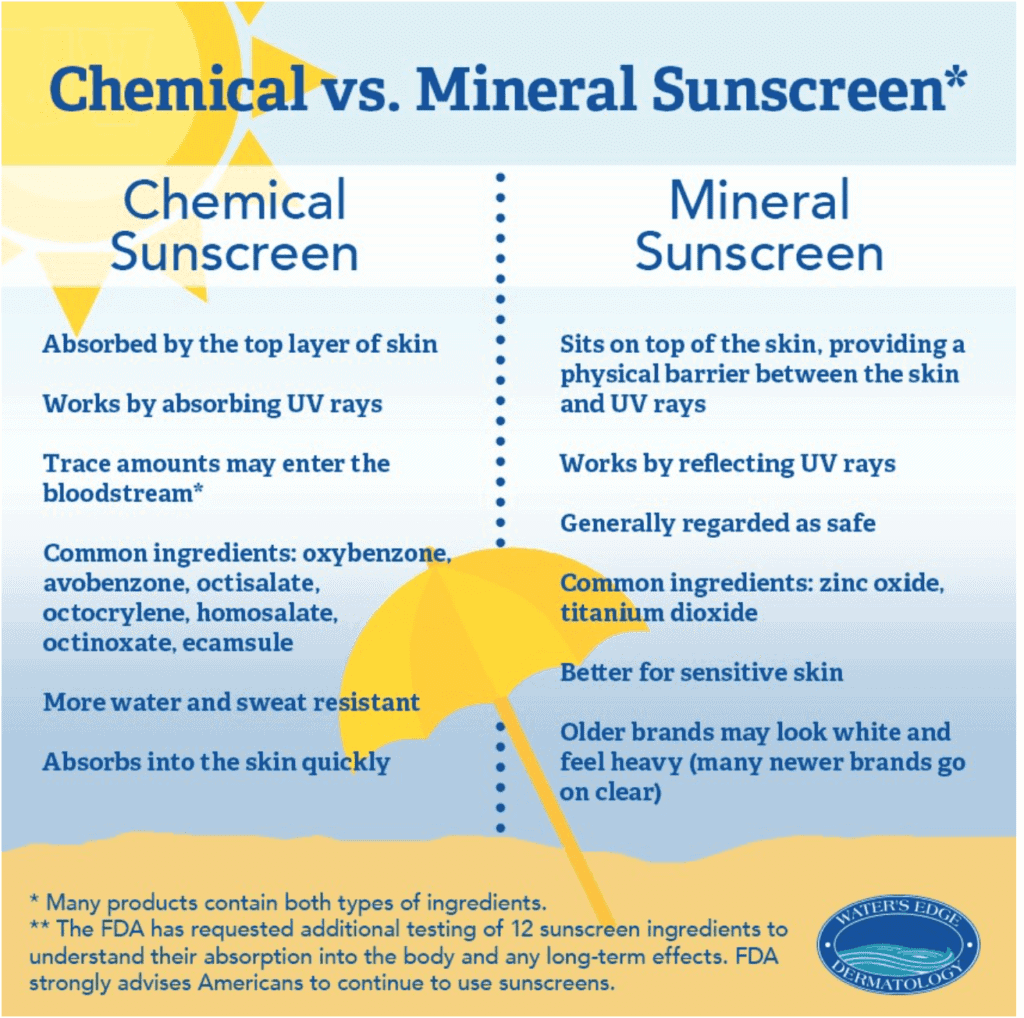
Many or most of the sunscreens you find at the store are chemical sunscreens, which penetrate the skin. They work by absorbing UV rays and converting them to a small amount of heat, which the body releases.
Mineral sunscreens, also called physical sunscreens, sit on top of the skin. They work by blocking and reflecting the sun’s rays.
Both types offer protection against sunburn, premature aging, and skin cancer, so it comes down to a personal choice. To decide what’s best for you, consider the facts below. Keep in mind that some sunscreens contain both chemical and mineral ingredients.
Ingredients
Chemical sunscreens contain one or more chemicals, such as oxybenzone, avobenzone, octisalate, octocrylene, homosalate, and octinoxate. Mineral sunscreen contains titanium dioxide and/or zinc oxide.
Because chemical sunscreens take time to sink into your skin, you should apply them15 to 30 minutes before going outside. “Otherwise, you could get burned while the sunscreen is being absorbed,” said Evelina Ingersoll, APRN, a certified advanced practice registered nurse at Water’s Edge Dermatology. Mineral sunscreen is effective right away.
The main concern with chemical sunscreens is their ability to enter the bloodstream.
One pilot study conducted by FDA scientists tested four chemical sunscreens and found that all of the chemicals tested (avobenzone, oxybenzone, octocrylene, and ecamsule) were absorbed into the blood at levels higher than those the FDA recommends for chemicals that have not been tested for toxicity. Oxybenzone showed up in the blood in far higher concentrations than the other ingredients.
More research is needed to confirm the study results and determine what effects, if any, absorption might have on a person’s health. Meanwhile, the FDA stresses that people should continue to use sunscreen and follow other sun safety practices, such as wearing protective clothing, hats, and sunglasses.
If you’re concerned about the potential risks of chemical sunscreen, mineral sunscreen may be the way to go. Titanium dioxide and zinc oxide are the only two sunscreen ingredients that currently meet the FDA’s criteria for “generally recognized as safe and effective.”
“Mineral sunscreen is also a good choice if your skin is sensitive or you’re prone to acne or rosacea, since some chemical sunscreens can cause irritation or breakouts,” said Ingersoll.
Environmental Friendliness
Mineral sunscreen is considered to be safer for the planet. Some chemical sunscreens contain ingredients, including oxybenzone, octinoxate, and octocrylene, that can be harmful to marine life and coral reefs. These chemicals may be released into the ocean when you swim, and they can enter waterways when you wash off your sunscreen during your shower.
For these reasons, the National Ocean Service recommends using mineral sunscreen if you plan to swim in the ocean. And it’s a must if you live in or travel to Hawaii. That state has banned the sale and distribution of chemical sunscreens to help protect the environment.
Look and Feel
Chemical sunscreens are typically thinner and tend to go on more easily. Most don’t turn the skin white. Mineral sunscreens may feel heavier, but on the upside, they are more moisturizing.
Mineral sunscreens can be chalky and give the skin a white cast, depending on the product — think of lifeguards with white noses. But newer, more advanced formulas don’t leave a thick residue. Some are tinted, making them a particularly good choice for people with darker skin.
Water Resistance
Most mineral sunscreens are less water-resistant than chemical sunscreens. If you sweat a lot or swim, you’ll need to reapply mineral sunscreen more often.
Price
Some people may prefer chemical sunscreens because they’re usually less expensive than mineral ones. However, as mineral sunscreen grows in popularity, it’s becoming easier to find more affordable options. Several popular drugstore brands, including Neutrogena, Cetaphil, Coppertone, and Aveeno, now offer mineral sunscreens.
Whatever sunscreen you choose, the key to getting the protection you need is this, said Ingersoll: “Wear it every day, reapply it often, and use enough. Most people use less than half of the recommended amount.”
Written By: Jessica Brown, a health and science writer/editor based in Brooklyn, New York. She has written for Prevention magazine, jnj.com, BCRF.org and many other outlets.
How To Get Rid of Jowls
Medical Review By: Bebe Pajo, MD
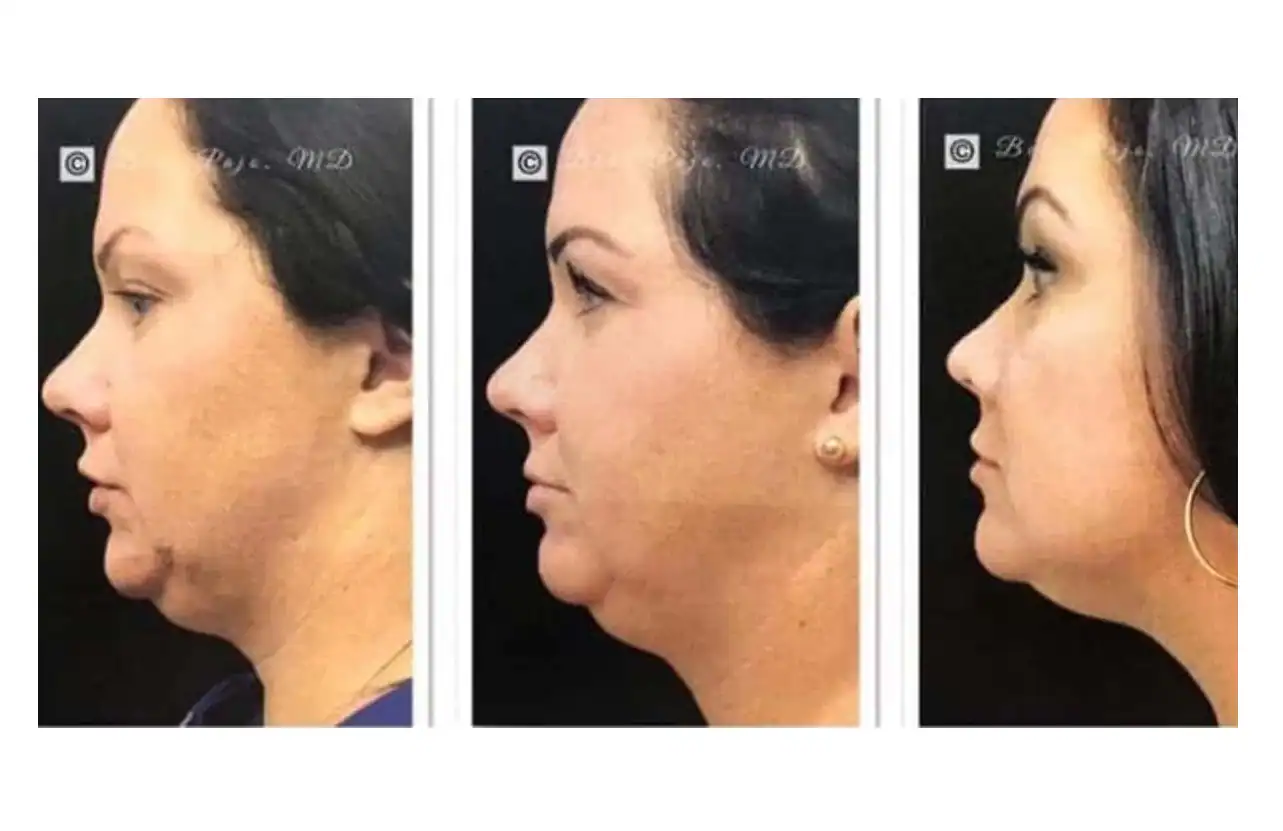
Jowls are a tip-off to middle age for celebrities and the rest of us, too. Even if your skin is as smooth as a baby’s bottom, jowls can make you look older. Not so long ago, plastic surgery was the only option for getting rid of jowls, but today there are noninvasive alternatives that can restore a smoother jawline.
What are jowls? They are the loose skin that droops below the jawline. They stem from the loss of collagen that comes with age and the sagging that results. Jowls are also caused by the shrinking of bone that happens over time. That includes the cheekbones, which diminish in volume.
“When that happens, there’s less bone to hold up the fat pads in your face and your skin, and the tendency is for the cheeks to go forward and downward,” said advanced aesthetic medicine expert Bebe Pajo, MD, of Water’s Edge Dermatology. The same drooping can deepen laugh lines, the creases that extend from the edge of the nose to the outer corners of the mouth.
Genes also play a role in the development of jowls. Some people’s faces are simply destined to be jowly.
Dr. Pajo has consulted with patients ranging in age from their early 20s to 90s who want to get rid of jowls. “I educate them about what causes jowls and explain that my goal is to correct the reason you have them instead of just masking the symptoms.” She uses several non-invasive treatments to streamline the jawline, sometimes in combination, including the ones below.
Profound lift
“This treatment tightens the skin. It’s like a facelift, only it’s nonsurgical,” said Dr. Pajo.
In a Profound lift, the provider numbs the skin with an anesthetic, then inserts microneedles that deliver heat in the form of radiofrequency energy to deep layers of tissue. This heat breaks down the collagen, which stimulates the body to produce more collagen as well as elastin and hyaluronic acid, which are also essential for healthy skin.
After the procedure, which is performed in a single session lasting about 45 minutes, patients feel a little discomfort. The treatment does cause significant bruising that can last a week or more, though Dr. Pajo can offer a form of laser therapy called VBeam immediately following the treatment that helps clear swelling and discoloration in a day or two.
The full results of Profound treatment are seen after about six months. “At that time, a patient’s face looks more chiseled and narrower,” said Dr. Pajo. “We get amazing results.”
Radiesse and other hyaluronic acid fillers
Dr. Pajo uses several injectable treatments that help restore the jawline and improve the skin’s overall appearance. One is the hyaluronic acid filler Radiesse. It has a toothpaste-like texture, so it can mimic bone and restore the lost structure that supports fat pads in the face. Radiesse also stimulates collagen production, which tightens the skin. “You’re getting two benefits with this treatment,” said Dr. Pajo.
“Hyaluronic acid fillers are my choice to volumize the face, especially in younger patients who don’t have significant bone loss and wrinkles,” she noted.
The injections cause mild bruising and tenderness. Cosmetic benefits last up to a year or more.
Sculptra
Another collagen stimulator, Sculptra Facial Treatment, can also benefit patients with jowls, said Dr. Pajo. Sculptra is made of the same material used in dissolvable stitches, so it is naturally absorbed by the body over time. It is approved by the Food and Drug Administration for smoothing facial wrinkles, including laugh lines.
The most common side effects that have been reported with Sculptra include bruising, pain at the injection site, swelling, and redness, which can last anywhere from a few days to a few weeks. Benefits can last up to several years.
Fractional CO2 laser therapy
For some patients, Dr. Pajo recommends fractional CO2 laser therapy. This treatment creates columns of microscopic perforations in the skin, which stimulate collagen growth. Within five to 10 days, the treated skin exfoliates and heals.
“It’s a great way to tighten the skin and lift jowls,” said Dr. Pajo. However, the treatment isn’t for everyone. It can cause burning and blistering in people with darker or tanned skin, Dr. Pajo noted. Patients typically experience a few days of discomfort following the procedure.
Thread lift
Dr. Pajo typically refers patients with very heavy jowls for consultation with a plastic surgeon, who may recommend a facelift or neck lift. But for patients who don’t want surgery, she often suggests a thread lift.
Unlike in a facelift, no skin is removed. Instead, the provider lifts sagging skin by pulling it back slightly, then inserting sutures, or threads, under the skin with a small needle to “anchor” loose skin in place. The sutures are eventually absorbed by the body.
“A thread lift not only lifts the jowls but stimulates collagen, too,” said Dr. Pajo.
A thread lift requires only local anesthetic, and the aftereffects are mild. You can drive yourself home and be back at work the next day, according to Dr. Pajo. She typically has the patient check-in with her after a month or so, once the swelling has subsided. If the jowls aren’t fully resolved, she often recommends adding Radiesse treatment to enhance the results.
Jowls don’t have to give away your age. Consult with a board-certified dermatologist or an aesthetic medicine physician with advanced training to discuss the options for treating them.
Article Written By: Timothy Gower, an award-winning journalist who writes about medicine and health. His work has appeared in more than two dozen national magazines.
What Does Lip Cancer Look Like?
Medical Review By: Thomas Pham, MD
Your lips are important for lots of things, including chewing and kissing. While the occasional cold sore or cause of chapped lips is annoying, lip cancer is another story entirely.
Lip cancer in its early stages is hard to notice, but that’s when it’s most treatable. By the time a lip tumor becomes obvious, cancer requires more invasive treatment, and it may spread to other parts of your body.
If you get a lot of sun exposure, or you smoke, chew tobacco, or drink heavily, it’s time to learn how to spot it.
Types of lip cancer
Lip cancer usually takes the form of squamous cell carcinoma. This type of cancer occurs in the squamous cells, which are thin, flat cells found in the middle and outer layers of the skin. Squamous cell cancer of the lip is much more aggressive than squamous cell cancer found in other places of the skin. It’s more likely to spread to the head and neck and harder to treat.
Much less frequently, lip cancer is melanoma, one of the deadliest types of cancer.
Lip cancer symptoms
The lower lip is more vulnerable to lip cancer because it gets more sun exposure than the upper lip. Symptoms to watch for include:
- A sore, ulcer or lesion on your lip that doesn’t heal (a cold sore, unlike lip cancer, does heal)
- A lump or thickened area on the lip
- Whitish or reddish patches on the lip
- Lip pain, bleeding or numbness
- A lump in your neck or swollen glands
- Jaw swelling or tightness
A precancerous condition that can lead to squamous cell cancer of the lip is actinic cheilitis. Symptoms include:
- Scaly whitish patches on the lip
- Dryness or peeling that won’t heal
- A rough, sandpapery texture
- Blurring of the border between the lip and the adjacent skin
- Loss of color in the skin of the lip
- Swelling or redness of the lip
Who gets lip cancer?
UV radiation from spending a lot of time in the sun or using tanning beds is the leading cause of lip cancer. Certain habits, such as smoking or chewing tobacco and excessive drinking, also increase the risk.
Other risk factors for lip cancer include having a weakened immune system, having fair skin, being over 40 years old, and being infected with certain strains of human papillomavirus (particularly strains 16 and 18). Lip cancer is more common in men, possibly because they are more likely to work outdoors and less likely to use lip balm with SPF. They may also be more likely to have smoked or consumed too much alcohol in the past.
Recent research suggests that taking hydrochlorothiazide, a diuretic, is strongly associated with an increased risk of developing lip cancer. This drug is used alone or in combination with other medications to treat high blood pressure.
Lip cancer treatment
Lip cancer is usually curable; most people survive it and have a good outcome after treatment.
The doctor may recommend Mohs surgery to remove the tumor. In this procedure, the surgeon gradually removes layers of the tumor and a small amount of tissue surrounding it, checking each layer for cancer cells. The surgery ends when cancer cells can no longer be detected under a microscope. Mohs surgery lets surgeons identify and remove tiny roots of cancer, which helps prevent it from spreading to other parts of the body.
Advanced cases are usually treated by an ear, nose, and throat doctor (ENT). Radiation and/or chemotherapy may be used in conjunction with surgery. In rare cases, radiation “seed” therapy is used to treat patients who opt out of surgery. Reconstructive surgery may be necessary to repair the lip.
Protect your lips by following these tips:
Wear lip balm with SPF. Choose a lip balm with an SPF of at least 30 and wear it whenever you go outside. A wide-brimmed hat is also a good idea.
Don’t use tanning beds. Indoor tanning isn’t any safer for your skin than lying in the sun.
Limit or quit smoking and drinking. This is especially important if you drink and also smoke. These habits together put you at much higher risk for lip cancer than either habit alone.
See your dentist regularly. Dentists are often the ones to detect lip cancer, so keep up with routine cleanings and exams.
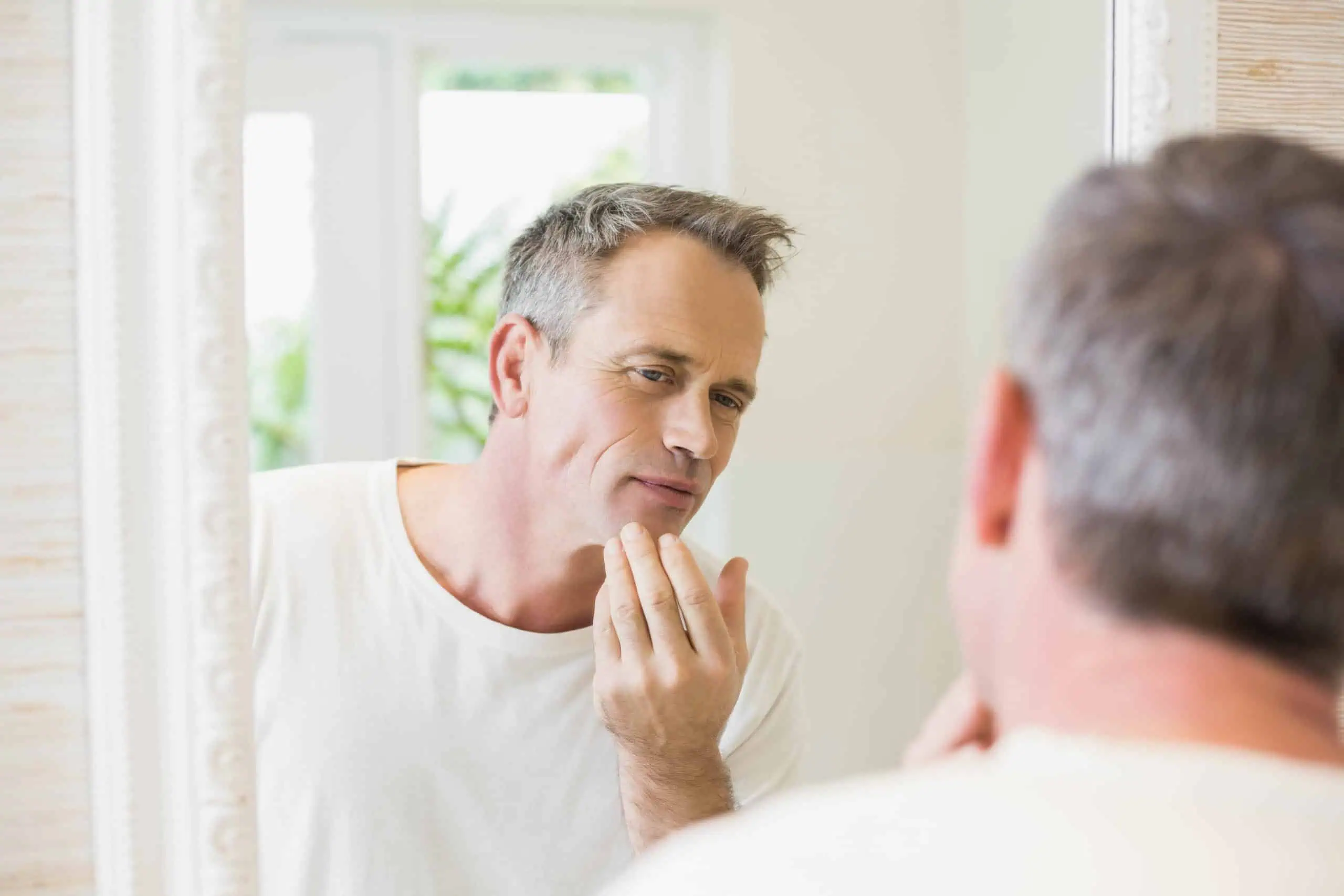
If you notice any unusual changes in your lip when you look in the mirror, don’t panic. But if something looks or feels different and the problem doesn’t resolve quickly, call your dermatologist ASAP. Treating lip cancer early means less risk of spoiling your smile.
Article Written By: Jessica Brown, a health and science writer/editor based in Brooklyn, New York. She has written for Prevention magazine, jnj.com, BCRF.org, and many other outlets.
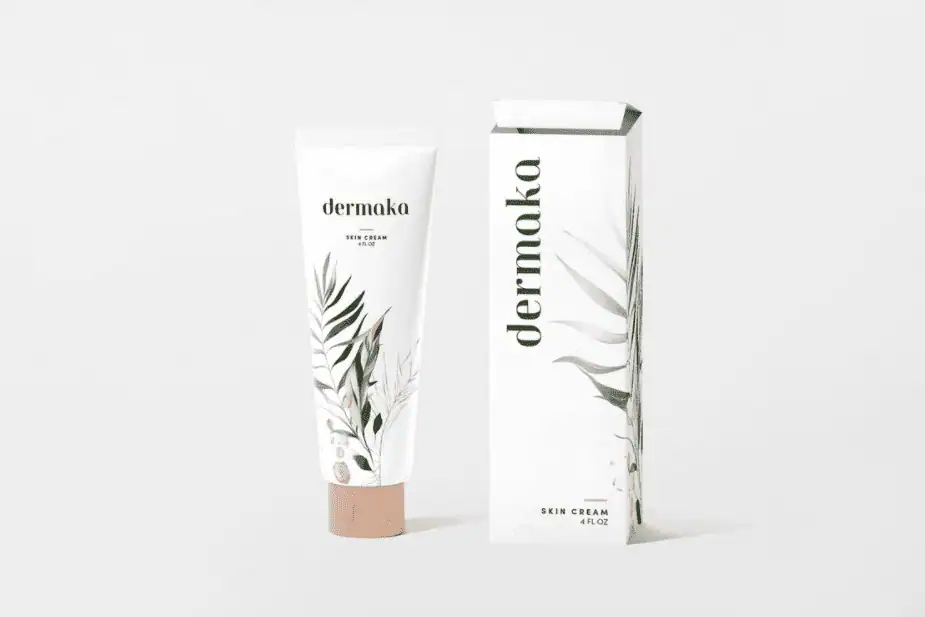
Dermaka Cream: More Powerful than Arnica for Skin Healing
Medical Review By: Dr. Ronald Bush and Peggy Bush, APRN
Planning to undergo an aesthetic or surgical procedure? Whether it’s a chemical peel, a facelift, liposuction or a vein treatment, these procedures and others can lead to swelling and bruising, and waiting for the side effects to disappear can be frustrating.
In the past, doctors recommended applying over-the-counter arnica cream, an herbal treatment, to minimize these problems and speed healing. But one team of healthcare providers thought arnica cream could be made better.
Ronald Bush, MD, and Peggy Bush, APRN, both at Water’s Edge Dermatology, set out to develop a more effective but equally natural alternative. The result was Dermaka cream, now used in medical clinics worldwide and also sold over-the-counter. It contains a more concentrated and purified form of arnica, plus other natural ingredients that boost arnica’s effectiveness and extend the benefits beyond minimizing bruising and swelling.
“Many patients who have used Dermaka cream following a procedure have been really impressed with the results,” said Dr. Bush, a board-certified vascular surgeon. “I hear comments such as ‘Wow, this really works!’ on a regular basis.”
Benefits of Dermaka
Whether you use it before and after a procedure or in everyday life, Dermaka helps address a variety of skin concerns.
Reducing inflammation and swelling. Dermaka contains bromelain, an enzyme found in the stem and juice of pineapples. “Bromelain works synergistically with arnica to provide a greater reduction of swelling and inflammatory processes that occur when you undergo vein treatments and cosmetic resurfacing procedures such as chemical peels,” said Dr. Bush. Chamomile and green tea extracts in Dermaka also fight inflammation.
Dark spot treatment and prevention. Post-procedure inflammation can cause pigment-producing skin cells to make too much melanin, leading to dark spots. The licorice extract in Dermaka can reduce this risk. Licorice extract contains flavonoids that block the effects of tyrosine, an amino acid needed to produce melanin. “Licorice extract is also a popular skin lightener, so you can use Dermaka cream to fade dark spots you already have,” added Dr. Bush.
Decreasing bruising. The combination of bromelain and arnica is more effective than arnica alone for decreasing bruising that may develop following vein treatments and cosmetic procedures such as liposuction. Dermaka cream is also a helpful for people prone to significant bruising from minor bumps.
Pain and itch relief. Like arnica, bromelain has pain-relieving properties that can help reduce any discomfort after a procedure. Chamomile extract helps control itching that may occur after procedures such as chemical peels.
Dermaka cream for rashes and other conditions
Dermaka cream was created to improve healing after vein treatments and cosmetic procedures, but it can also help treat certain skin conditions.
“Many people say they’ve had success using Dermaka cream to treat eczema, poison ivy, arthritis, and diaper rash,” said Dr. Bush.
It can also be used daily to help keep your skin healthier, more even-toned, and more youthful thanks to vitamin A (retinol), which promotes healthy collagen, and vitamin E, a powerful antioxidant.
“Dermaka is also a great everyday moisturizer for people with dry skin because it has an olive oil base,” said Dr. Bush.
How to use it
If you have a skin procedure scheduled, apply Dermaka cream to the treatment area every evening starting five days prior to your appointment. After your procedure, use it two to three times a day or as instructed by your doctor. You may be advised to massage it into the area for 15 seconds.
Almost everyone can safely use Dermaka cream, Dr. Bush said. An allergic reaction to one of the ingredients is possible but unlikely. Stop using it if skin irritation develops or worsens. Don’t apply it to open sores.
“Dermaka really is a miracle cream,” said Dr. Bush. “It is very well tolerated and doesn’t contain any chemicals, which patients love.”
Article Written By: Jessica Brown, a health and science writer/editor based in Brooklyn, New York. She has written for Prevention magazine, jnj.com, BCRF.org, and many other outlets

8 Summer Skin Care Tips for Clear and Protected Skin
Medical Review By: Heather Freeman, PA-C
You may love the relaxing vibes of summer, but it can be a stressful time of year for your skin. Sunburn and sun damage are threats, of course. Hotter temperatures and high humidity are also hard on the skin, making it more prone to acne, dryness, and certain types of rashes. Swimming pools also rob skin of moisture.
To keep your skin healthy, clear, and well protected, follow these tips from Heather Freeman, PA-C, a board-certified physician assistant at Water’s Edge Dermatology.
1. Apply sunscreen thoroughly
Even if you use sunscreen religiously, it’s easy to overlook certain areas when you apply it, such as the part in your hair and the tops of your ears. According to Freeman, many people also neglect their hands, particularly people who bike or play sports like golf or tennis.
“Many skin cancers develop on the backs of the hands,” said Freeman. Failure to use sunscreen there can also make your hands look older than other parts of your body: “The skin on the back of your hands is thin, to begin with, and it gets even thinner after years of sun exposure,” she added.
Favor lotion sunscreens over sprays. “Sprays make it very hard to measure how much product you’re using,” said Freeman. That’s a concern since most people don’t use enough sunscreen in the first place.
2. Use a lip balm with SPF
Your lips are delicate and vulnerable to sunburn and lip cancer, particularly your bottom lip. Freeman recommends carrying lip balm with SPF and re-applying it frequently whenever you’re outdoors.
“It’s easier to find lip balm with SPF 15, but it’s better to buy one with SPF 30 or higher if it’s available,” she noted. If your drugstore doesn’t carry one, look for one online. Plenty of brands make them.
3. Use a vitamin C serum
If vitamin C serum is not part of your skincare routine already, summer is a great time to add it, said Freeman. “It provides an extra barrier for your skin because its antioxidant power neutralizes free radicals, which are molecules that cause sun damage,” she explained.
Vitamin C serum also helps fade hyperpigmentation caused by the sun, including sunspots (aka age spots) and melasma. And it boosts collagen production.
Be sure to apply it before you put on sunscreen. Since sunscreen is much thicker, it can prevent the serum from penetrating your skin if you apply it first.
4. Switch to lighter skincare products
Even people who don’t typically get acne may develop blemishes during the summer due to increased sweating and oil production, so adjust your skincare routine accordingly.
“If you usually use a creamy cleanser, for example, switch to a gel or foaming cleanser during the summer to avoid clogging your pores,” said Freeman.
To limit oiliness, consider adding a toner to your regimen. “Toner is great for removing any remaining oils from your skin after you cleanse, and it temporarily shrinks your pores, which helps prevent debris from entering them.”
To avoid over-drying your skin, choose a toner that contains salicylic acid, and steer clear of alcohol-based toners.
5. Don’t skip moisturizer
Moisturizer might seem unnecessary in hot, sticky weather, but your skin still needs moisture now.
“Sun exposure dries out your skin, so if you’re spending more time outdoors, dryness can become an issue,” Freeman explained. “And if you’re swimming in pools more frequently, your skin can also become parched from the chlorine.”
That said, you may want to use a lighter moisturizer, such as a water-based lotion or a hyaluronic acid serum. Use a moisturizer even if you have oily skin. Sebum, the oil in oily skin, doesn’t hydrate skin, it just makes it greasy.
If your moisturizer contains SPF, you still need to use a separate sunscreen if you’ll be outside for more than a short period since moisturizer has less staying power when you’re sweating, Freeman noted.
6. Protect yourself from rashes
Heat and humidity increase the risk of heat rash, also called prickly heat, caused by blocked sweat glands. Symptoms include itching, reddened skin, red bumps, and tiny blisters. Rashes caused by fungal infections are also more common in summer.
RELATED: 6 Common Water Rashes and How to Treat Them
“You’re more likely to get a fungal rash now because fungi love hot, moist areas of your body, particularly the skin folds such as your armpits, stomach, and under your breasts,” said Freeman.
To reduce your risk of heat rash and fungal infections, Freeman recommends wearing breathable, cotton clothes and applying a powder such as Zeasorb to skin folds to absorb sweat. Drying these areas with a hairdryer set on cool is also helpful if you’ve just gotten out of the shower or start to feel sweaty at home.
7. Guard against rosacea flares
Summer weather is hard on people with rosacea since sunlight and heat are common triggers of flare-ups. Unfortunately, chemical sunscreens can also cause a flare.
“If you have rosacea, it’s better to use a mineral sunscreen that contains zinc oxide or titanium dioxide because these ingredients are less likely to aggravate your skin,” said Freeman.
If you want to try a new brand of sunscreen, do a patch test first. Apply a small amount near (not on) a rosacea-prone area of your skin. If it burns or stings within 72 hours, don’t use it.
8. See your dermatologist if you get a serious sunburn
You can easily manage a mild sunburn on your own with cold compresses, aloe vera gel, moisturizer, ibuprofen, and drinking plenty of fluids. But serious sunburns should be evaluated by your doctor, according to Freeman. If your skin is crusting, scabbing, or draining pus, or if you have a fever or chills, you may need to take an antibiotic.
Article Written By: Jessica Brown, a health and science writer/editor based in Brooklyn, New York. She has written for Prevention magazine, jnj.com, BCRF.org, and many other outlets.
What Is a Facial?
Medical Review By: Alyse Penninger
If you’ve never gotten a facial, you may be missing out. But what exactly is a facial?
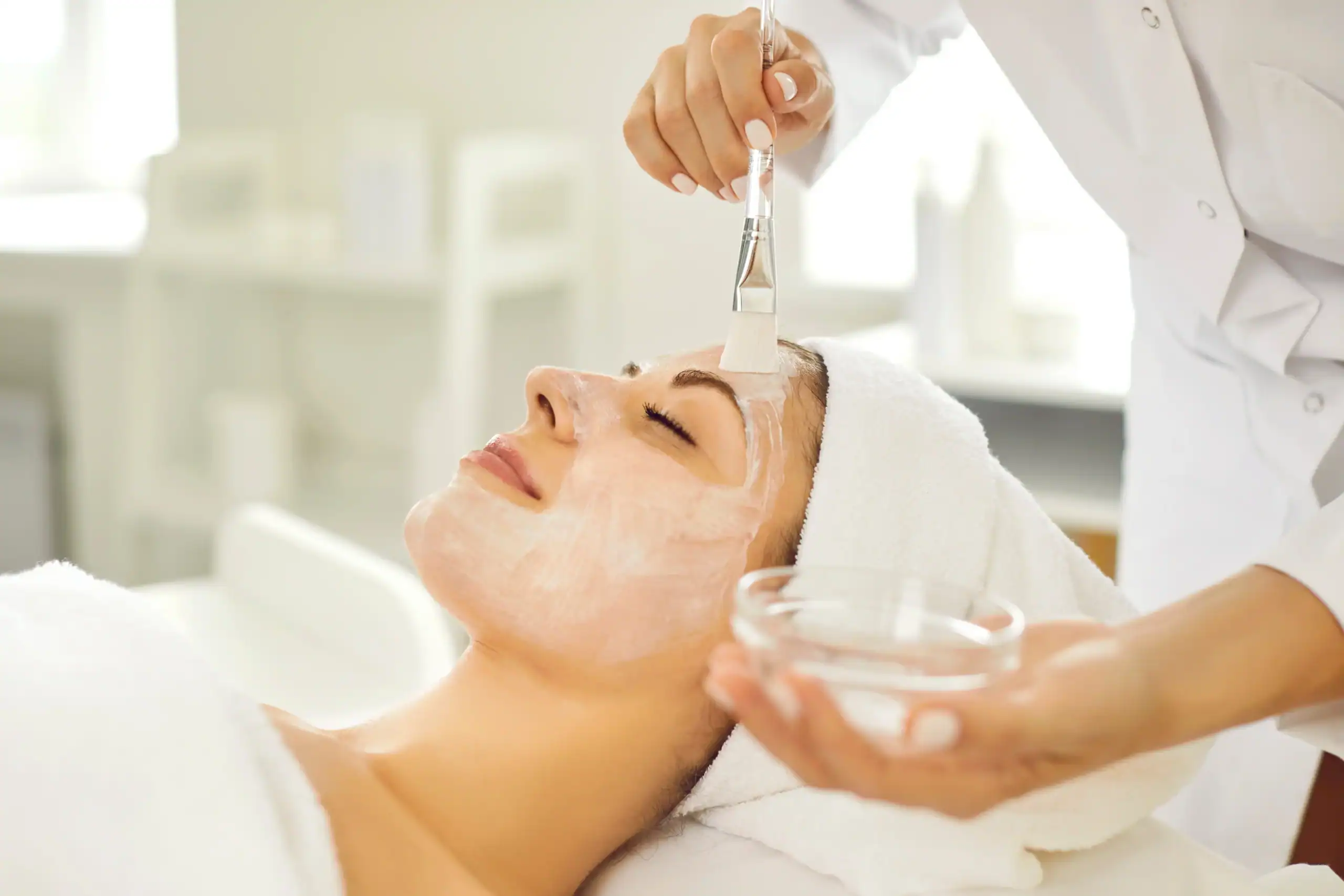
A facial is a deep cleansing treatment that sloughs away dead skin cells and removes debris from deep in your pores. The techniques and products used vary depending on the type of facial and the provider. Facials are best performed by a licensed aesthetician and may include targeted treatments such as dermaplaning or microdermabrasion.
“When you get a facial, you’re treated with medical-grade products that are designed to penetrate the epidermis and affect the deeper layers of skin, unlike drugstore products that sit on top of your skin,” says Alyse Penninger, a licensed medical aesthetician at Water’s Edge Dermatology. “You also get the expertise of an aesthetician, who evaluates your skin and tailors the products and techniques included in the facial to best address your concerns.”
An aesthetician can tailor your facial to achieve the results you want. Here are some of the types of facials commonly offered by dermatology practices.
Classic facial
A classic facial typically involves four steps: cleansing, exfoliating to remove dead skin cells, extracting debris from your pores and hydration.
“If your pores are very clogged, your aesthetician may also steam your face before doing extractions,” said Penninger. “This softens your epidermis, which makes it easier to remove the debris that’s deep in your pores.”
Benefits of a classic facial include clearer, more radiant skin. Anyone can get a classic facial, regardless of skin type, since it’s easy to customize the products used. If your skin is oily, for example, your aesthetician will hydrate your skin with moisturizers that are lighter than those used for people with normal to dry skin.
When to get one: Every four to six weeks.
Acne/milia facial
If you have acne or milia — small, hard bumps that develop under the top layer of skin — you may be tempted to “pop” them yourself. But it’s much safer and more effective to get a facial designed for these concerns.
The reason: When you get an acne or milia facial, your aesthetician will use special tools, such as a lancet, to gently break the skin and expel the contents of the lesion or milia with minimal pressure. To draw out blackheads and whiteheads, the aesthetician may also use ultrasonic tools, which create gentle vibrations in the skin.
“People are sometimes tempted to squeeze acne themselves, but they often apply too much force,” Penninger says. “This can cause irritation and broken capillaries, making skin look even more rough and blotchy.” Squeezing won’t get rid of milia due to their pearl-like hardness and location beneath the surface of the skin.
When to get one: Every four weeks. People with severe acne can get one more often.
Oxygen therapy facial
This type of facial is appropriate for all skin types, though it’s particularly well suited to dry skin. After cleansing and exfoliating your face, the aesthetician uses a wand-like instrument to deliver streams of pressurized oxygen combined with hydrating serums to the skin. This allows the serums to penetrate more deeply.
“Oxygen therapy facials hydrate and plump your skin, making it look more lifted and firm and diminishing fine lines,” Penninger said.
When to get one: Every four to six weeks.
Dermaplaning
Dermaplaning can be added on to any facial. The aesthetician uses a small surgical blade to exfoliate the top layer of skin and remove peach fuzz.
“People love to get dermaplaning before special events because it makes skin look so smooth, almost like it’s airbrushed,” Penninger said.
Your skin may look red for a few days after treatment, so it’s best to schedule the treatment a few days before a special event.
When to get it: Every three to four weeks.
Microdermabrasion
Microdermabrasion delivers more powerful exfoliation compared to classic facials. The aesthetician uses a small, mildly abrasive tool to remove the top layer of skin, diminishing age spots, hyperpigmentation, acne scars and enlarged pores. Microdermabrasion also causes the collagen in skin to thicken, making your face look tighter and smoother.
For more aggressive treatment of hyperpigmentation, fine lines, wrinkles, acne scars and sun damage, your provider might recommend a chemical peel, which is not generally performed in conjunction with a facial. Chemical peels use an acid to slough off the top layers of skin.
When to get it: Twice a month at first, then once a month to maintain the results. Get a mild- or moderate-strength chemical peel once every six to 12 months. Get a deep peel once in your life.
HydraFacial
In this type of facial, the aesthetician uses a wand-like device to perform every step of the treatment. Cleansing and exfoliating are combined into one step; the wand dispenses clearing serum to your face and washes away dead skin cells with a special spiral tip. Next, the aesthetician uses the wand to apply a gentle peel that loosens the debris in your pores, then uses suction to remove the debris. Last, the wand delivers antioxidants and peptides (amino acids that make skin look more plump and firm) to your skin.
While the name implies that the treatment is best for people with dry skin, anyone can get a HydraFacial because the serums used can be tailored to your skin type, Penninger said. Benefits include a brighter, more even complexion and less-noticeable fine lines.
When to get it: Every two to four weeks depending on your skin type.
Article Written By: Jessica Brown, a health and science writer/editor based in Brooklyn, New York. She has written for Prevention magazine, jnj.com, BCRF.org and many other outlets.
The Right Order for Applying Skin Care Products
Medical review by Candace Marin, APRN
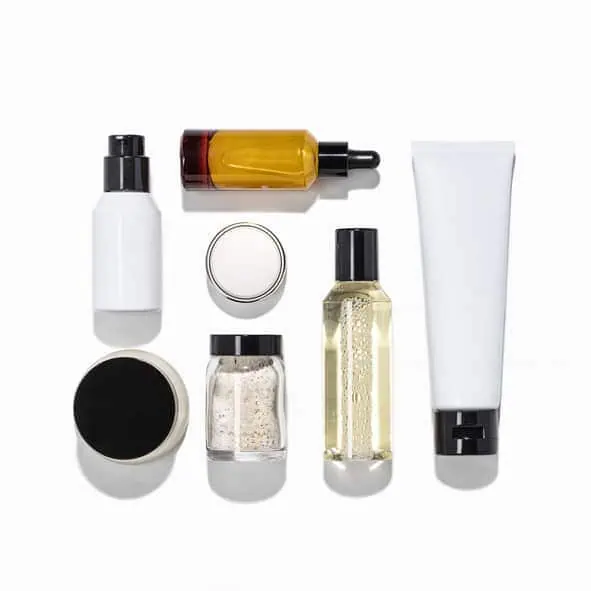
You’ve probably put a lot of effort into figuring out the products your skin needs to be healthy. But if you’re using more than two skin care products, you may find yourself stumped about which one(s) to apply first. Knowing the correct answer matters more than you might think.
“There is a specific order you should follow to get the maximum benefits from each product,” said Candace Marin, an advanced practice registered nurse at Water’s Edge Dermatology.
“Generally speaking,” said Marin, “you should apply thinner products first because your skin won’t absorb them well if you apply thicker ones they can’t penetrate, such as sunscreen, beforehand.”
To get the best results from your skin care routine, Marin recommends applying products in the following order.
Morning routine
1. Cleanser
Naturally, you want to start with a clean face, but a surprising number of people skip cleansing, particularly in the morning.
“People just splash water on their face because they assume their skin doesn’t get dirty while they’re sleeping,” Marin said. “But how often do you wash your pillowcase and pillow? All the dirt and dust mites get onto your face overnight.”
RELATED: The Best Facial Cleanser for Your Skin Type
2. Toner
Toner isn’t essential, Marin noted. But if you like to use it, this is the point in your morning routine to do it.
“People who have oily skin are usually the ones who prefer to use toner, but anyone can use it to remove soap scum or dirt that may be left behind after cleansing,” she explained.
3. Vitamin C serum
Vitamin C serum provides a variety of benefits — reducing the appearance of sun spots, making wrinkles less visible, guarding against sun damage — but it can only deliver on these promises if it’s applied before heavier products.
“Vitamin C serum is very thin and can’t penetrate heavier products like moisturizer, so it would be pointless to use it any later in your routine,” said Marin.
You can apply vitamin C serum in the morning or at night. Marin recommends using it in the morning so you can benefit all day from the protection it offers against free radicals generated by sun exposure.
4. Spot treatments
Many spot treatments for acne, dark spots and scars have a thin consistency, so apply these before moisturizer and sunscreen. “Otherwise, you’re just creating extra barriers for spot treatments to get through,” said Marin.
If you’re using both a spot treatment and a retinol, apply the spot treatment in the morning and the retinol at night, Marin advised. Using them together can cause irritation. In addition, spot treatments that contain benzoyl peroxide decrease the effectiveness of some retinol/retinoids when they’re used at the same time. Differin (adapalene), an acne treatment, is one that is okay to use with benzoyl peroxide.
5. Moisturizer
Now that you’ve applied the thinner products, you’re ready for moisturizer. Apply it every day in the morning and at night.
“Look for a moisturizer that contains ceramides, which are particularly effective at providing hydration and locking it into your skin,” Marin said.
If your skin is dry or sensitive, opt for a cream instead of a lotion.
RELATED: Lotion vs. Cream vs. Ointment: Which to Use When
Moisturizer is important for everyone, even people with oily skin. It is a definite must if you’re using a retinol/retinoid cream because it can dry out your skin. For people with oily skin, a moisturizing lotion is preferred over a cream.
If you like using eye cream, you can apply it with your moisturizer at night. If you’re using eye cream to treat under-eye circles, however, apply it in the morning when you apply other spot treatments.
6. Sunscreen
As the thickest product of all, sunscreen should be applied last in your morning routine. Choose a broad-spectrum sunscreen with an SPF of 30 or higher.
If you prefer, you can use a moisturizer with SPF 30. But avoid this surprisingly common mistake: “Many people think they can use a moisturizer with SPF 15 and apply makeup with sunscreen with SPF 15 on top of it, but that doesn’t equal SPF 30,” Marin explained. “You won’t have enough protection from the sun.”
Evening routine
1. Cleanser
Follow your morning cleansing procedure.
2. Retinol/retinoids
If you use a retinol or retinoid product for wrinkles or acne, apply it in the evening, after you wash your face. (Retinol is milder and found in over-the-counter products, while retinoids are only available by prescription).
Retinoids increase cell turnover and therefore can lead to light sensitivity and dryness. They may be less effective during the day because sunlight causes retinol and retinoids to break down.
To avoid irritation, use the product every other night so your skin has a chance to adjust to it. If you don’t experience any side effects, such as burning, peeling or redness, you can apply it every night.
If your dermatologist prescribes a retinoid, he or she will likely advise you to use it just a few times a week at first.
3. Moisturizer
Apply moisturizer to seal in moisture overnight and help you wake up with healthier, better-looking skin.
Written by Jessica Brown, a health and science writer/editor based in Brooklyn, New York. She has written for Prevention magazine, jnj.com, BCRF.org and many other outlets.

Shingles Vaccine Side Effects and Other Vaccine FAQs
Medical review by Ted Schiff, MD
If you’ve ever had chickenpox, you’re at risk of shingles. That’s because the virus that causes chickenpox, varicella-zoster virus, lives in the body forever. Usually, it stays dormant, but occasionally it reappears later in life in the form of shingles.
Shingles might start with a burning or tingling sensation on the skin. From there it can progress to severe pain, headaches, and a rash. The illness can last several weeks. Some people who develop shingles go on to experience long-term nerve pain, known as postherpetic neuralgia.
If you know anyone who has had shingles, you’re probably motivated to avoid suffering a bout of it yourself. The shingles vaccine can help you do just that.
Who should get a shingles vaccine?
As the immune system weakens with age, the risk of shingles increases. That’s why the U.S. Centers for Disease Control and Prevention (CDC) recommends the shingles vaccine for most adults age 50 or older.
The CDC recommends vaccination even if you’ve had shingles before to help prevent another outbreak in the future, though most people who gets shingles only get it once.
If you’ve ever had a serious allergic reaction to a vaccine, consult with your primary care doctor before getting the shingles vaccine. Delay getting it if you:
- currently have chickenpox or shingles
- received the chickenpox vaccine in the previous eight weeks
- feel sick and have a fever
- are pregnant or breastfeeding
Not sure if you had chickenpox as a child? You can get the shingles vaccine anyway. But if you’d like to know for certain, you can take a blood test to see if you have antibodies to the virus. If you don’t, it means you never had chickenpox. In that case, ask your doctor if you should get the chickenpox vaccine instead.
When in doubt, ask your doctor about the timing of the vaccine, as well as the pros and cons of getting vaccinated.
Can I get a shingles vaccine and a COVID-19 vaccine?
You can get both vaccines, but not at the same time. Because COVID-19 vaccines are relatively new, there’s not enough data on how combining vaccines might affect the safety and effectiveness of either vaccine.
If you get one vaccine, the CDC recommends waiting 14 days before getting the other. But if you get them closer together, it’s fine to complete each series on schedule.
Which shingles vaccine will I get?
The Shingrix (recombinant zoster vaccine) is the only shingles vaccine currently in use in the United States. The U.S. Food and Drug Administration (FDA) approved Shingrix in 2017 for use in adults age 50 and over.
Shingrix is significantly more effective than Zostavax, a vaccine that was discontinued in 2020. If you previously had the Zostavax vaccine, you can still get the Shingrix vaccine.
You’ll get the injection in the muscle of your upper arm. Full vaccination takes two doses, spaced out two to six months.
What are the shingles vaccine side effects?
Side effects are par for the course as your body responds to the shingles vaccine. Some people are sidelined for two or three days. Younger adults are more likely to experience side effects than older adults since their immune systems tend to be stronger and react more robustly to vaccines.
Some people have side effects only after the second shot, while others experience reactions with both shots. Possible side effects include:
- redness or swelling at the injection site
- sore arm
- tiredness
- headache
- fever, chills
- upset stomach, nausea
Taking ibuprofen or acetaminophen can help.
Serious side effects are extremely rare and usually stem from an allergic reaction. If you experience hives, swelling of the throat or face, or trouble breathing, seek emergency medical care right away.
In March 2021, the FDA required a new warning label on Shingrix after one study found an increase in the risk of developing Guillain-Barré Syndrome within 42 days of receiving the vaccine. Guillain-Barré causes muscle weakness and, in some cases, paralysis. Most people fully recover, but some have permanent nerve damage. According to the FDA, the benefits of the vaccine outweigh the risks.
How long does protection last?
With two doses, Shingrix is more than 97% effective for adults aged 50 to 69, and 91% effective for people 70 and older.
Protection holds at more than 85% for at least four years, but many experts believe that the vaccine likely offers much longer protection. No booster shot is recommended at this time.
How much does the shingles vaccine cost?
Shingrex is covered by some health plans but not all. It is not covered by Medicare Part A or Part B. In most cases, it’s covered by Medicare prescription drug plans (Part D).
The cost may be covered under Medicaid or private insurance, but copays may apply. Under the Affordable Care Act, most health insurance policies must cover preventive care in full, and this includes vaccinations. Rules may differ based on age and provider network. Check with your insurer first so you won’t be caught off guard.
Without insurance, it can cost as much as $300 to get both doses. GlaxoSmithKline, the maker of Shingrix, offers vaccine assistance programs for those who qualify.
Where can I get a shingles vaccine?
You can get a shingles vaccine wherever you get other vaccines, including your doctor’s office or a pharmacy. Call your favorite pharmacy to find out if the shingles vaccine is in stock and whether you need an appointment to get one.
Written by Ann Pietrangelo, an author and freelance writer specializing in health and wellness.