

New Study Reveals Characteristics of Fast-Growing Melanoma
No matter what your past experience with skin problems may be, noticing a new growth on your skin is always a cause for concern, particularly if it is a fast-growing skin growth. Whether it looks more like a lesion or a rash, this change in your skin should be examined by the best rated dermatologist in your area immediately. However, this is especially true if the growth resembles an atypical nevus, one of the moles that can signal skin cancer. An Australian study recently revealed that certain characteristics may be a sign that melanoma will develop faster and may become fatal.
Melanoma is the most serious form of skin cancer, marked by the uncontrolled growth of pigment-producing cells. While an estimated one in every five Americans will develop skin cancer at some point in their life, people are more likely to develop melanoma if they have more than 50 moles, or if those moles are large or unusual. However, in an article published in the December edition of the Archives of Dermatology, researchers reported that these risk factors might not accurately determine who will develop fast-developing melanoma. Instead, their study showed that this potentially fatal situation could occur in anyone.
In the study, a team of dermatologists from Melbourne asked 404 patients with invasive melanoma and their families to recall when they first noticed a spot on their skin that eventually became melanoma, and when they saw that the mole had changed. The patients' skin was also examined, and the researchers collected additional data on demographics, skin cancer risk factors, tumor characteristics, and who had first detected the cancer. According to their research, the team determined that fast-growing melanoma is more likely to occur in those without large numbers of moles and freckles, especially the elderly. The moles that develop are more likely to be red than brown and black, symmetrical, elevated and symptomatic. Using their data to determine growth rates, the researchers also found that one-third of all of the melanomas grew less than 0.1 millimeters per month, another one-third grew between 0.1 and 0.49 millimeters per month, and the remaining one-third grew 0.5 millimeters or more per month.
The Australian report draws attention to an important fact about skin cancer and melanoma: anyone can develop these serious conditions, regardless of age, noticeable risk factors and other problems. For this reason, if you notice a fast-growing change in your skin, seek out the best rated dermatologist in your area for a diagnosis. Even if the problem is not melanoma, your health could still be at risk. By making an appointment at the best rated dermatologist clinic near you immediately, you can be sure that you will get the treatment and care you need before serious consequences take effect.
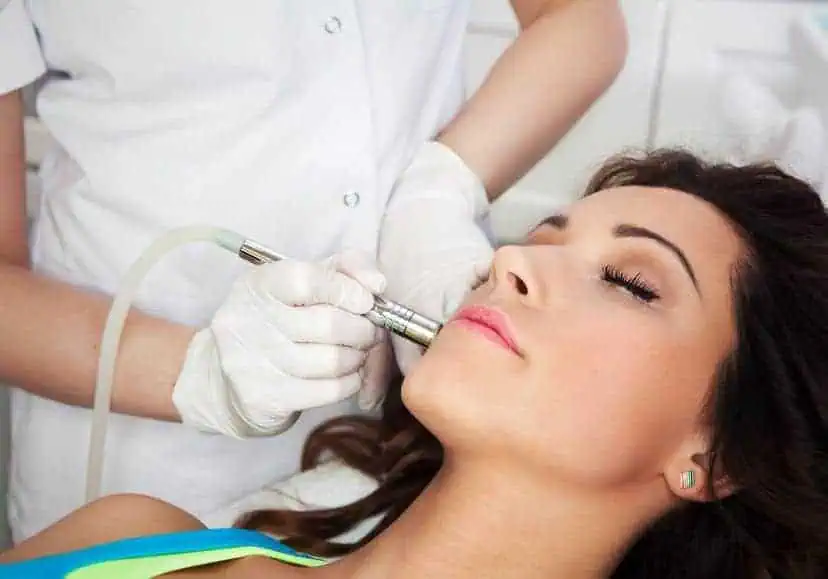
Three Tips to Help Find the Best Dermatologist for You
If you are prone to acne outbreaks that can be difficult to treat and do not respond to acne treatment products, you are not alone: more than 85% of people will develop acne at some point in their lives, with more than 40 million Americans affected today. While acne and acne scarring are most common during adolescence, adults in their 20s, 30s, 40s and even 50s can develop the skin condition as well. If you have this common skin problem, you likely have heard that scientific research has lead to many new acne therapies and dermatologist acne treatments that may be able to help you. But how do you find the best rated dermatologist in your area, a skin specialist who will work with you to unveil beautiful, healthy skin? Read these tips to find out!
Know the Type of Dermatologist That Is Right for You
There are generally two types of skin specialists: general dermatologists and cosmetic dermatologists. Some practices will act as a combination of the two types, but the rest can often be easily classified by the services they offer. General dermatologists, for example, offer treatment for acne, rashes, hair loss and common skin problems, as well as skin maps to check for skin cancer. Cosmetic dermatologists, however, offer more advanced treatments for everything from deep-set wrinkles to severe acne, and typically use peels, injections and lasers to yield more dramatic results. Search for a dermatologist who offers the services you need.
Check Out Their Background
The best rated dermatologists often have a background that matches their skill level, so look at a dermatologist clinic's website to see how the specialist was trained and licensed. Keep an eye out for board certifications from the American Association of Dermatology (AAD), as well as a formal education in dermatology. Surprisingly, a high number of dermatologists originally studied other medical fields and only opened dermatology clinics to earn a profit, making them an inadvisable choice to help treat your skin.
Go In for a Consultation
Make an appointment to discuss your skin with a dermatologist at the practice. While it may be inconvenient, take it as a good sign if you have to wait a few weeks to see someone: this means that the services are trusted and therefore in high demand. At your appointment, ask lots of questions and listen carefully to how the dermatologist responds. What treatment do they recommend? Would they be conducting the procedure themselves, or merely supervising? While this consultation usually isn't free, it is extremely useful and the fee is typically put toward the cost of a procedure.
Whether you have acne, psoriasis, or another skin condition, finding the right dermatologist can have a significant effect on your self esteem, comfort and daily life. With the right treatment, you can reveal the beautiful, healthy skin you have always wanted. And by following the tips above, you can find a specialist who is not only the best rated dermatologist in your area, but also the best for you and your unique case.

Treating Adult Acne
Acne is frequently considered a skin disorder of adolescents and teens. Unfortunately, acne can affect adults in their 20s, 30s and beyond. Many factors can contribute to the appearance of acne, including hormones, disorders of the hair follicles and infections. While there is no cure for acne, there are many effective ways to control and treat adult acne.
Adult acne can be divided in two groups of patients. The common acne in children can also occur in an adult, which is known as acne vulgaris. Another form of adult acne is known as acne rosacea. Acne rosacea is commonly recognized by the inflammation and redness of the face, but most often lacks the appearance of blackheads or open comedones.
Acne can be controlled with over-the-counter products as well as prescription medications. Establishing a skin care regimen with a dermatology provider can be very helpful in treating acne. Many treatments are available, including cleansers, topical treatment, oral antibiotic therapy, oral isotretinoin courses and even blue light therapy.
Starting with a mild antibacterial cleanser or benzoyl peroxide wash twice daily keeps the face and body clean and keeps oil to a minimum. Do not scrub the face and body clean as friction can increase the acne lesions.
Prescription treatments available for acne can be topical creams, gels or solutions. The topical medications can include one or more medications. Topical medications should be used consistently and as prescribed by your provider for best results. Topical treatments can be drying, so it is important to speak with your provider about adding a moisturizer or decreasing the frequency of use if this occurs.
Oral antibiotics can be used to treat acne and acne rosacea in adult patients. Oral antibiotic therapy can be given for short-term or long-term treatments, depending on the response to treatment and the medication prescribed by your provider. Low dose, long-term antibiotic therapy is available and effective for many patients.
Oral isotretinoin is an option for severe acne. It was previously marketed under the name Accutane but is available now in generic forms. This particular medication is available if other oral medications have failed. Isotretinoin is closely monitored by a program called iPledge. Blood work is monitored each month by your provider. Two forms of birth control must be in place for female patients as this medication can cause birth defects if pregnancy occurs during the time period the medication is being administered. This medication is generally given for a course of four to six months.
The most important key to the management of acne is to be consistent with your use of medication. Consistency is important.
Finally, even acne prone skin needs sunscreen each day. Finding a sunscreen that is oil-free and non-comedogenic is important. Please visit a Water’s Edge office for EltaMD Shield, which is a zinc sunscreen that is lightweight, absorbs completely and is great for oily skin types.
References: Acne (n.d.) American Osteopathic College of Dermatology. Retrieved from aocd.org.

When it Comes to Staph Infections, Prevention is the Key
Different varieties of Staphylococcus aureus bacteria, commonly called "staph," exist. “Staph infections” are common and a term I remember hearing since I was a child, so this is not something new. Staph bacteria are normally found on the skin and in the nose of about one-third of the population. The bacteria are generally harmless unless they enter the body through a cut or other wound, and even then they usually cause only minor skin problems in healthy people. However, Methicillin-Resistant Staphylococcus Aureus (MRSA) is different. MRSA infections are caused by a strain of staph bacteria that's become resistant to the antibiotics commonly used to treat ordinary staph infections.
Most MRSA infections occur in people with questionable immune function who have been in hospitals or other healthcare settings, such as nursing homes and dialysis centers. When it occurs in these settings, it's known as healthcare-associated MRSA (HA-MRSA). HA-MRSA infections typically are associated with invasive procedures or devices, such as surgeries, intravenous tubing or artificial joints.
Another type of MRSA infection occurs in the wider community — among healthy people. This form, community-associated MRSA (CA-MRSA), often begins as a painful skin boil. It's spread by skin-to-skin contact. At-risk populations include groups such as high school wrestlers, child care workers and people who live in crowded conditions.
Staph skin infections, including MRSA, generally start as small red bumps that resemble pimples or boils. It is not uncommon for the patient to suspect a spider bite. These can quickly turn into deep, painful abscesses that require surgical draining. In most situations, the bacteria remain confined to the skin. But in the case of the HA-MRSA, they can also burrow deep into the body, causing potentially life-threatening infections in bones, joints, surgical wounds, the bloodstream, heart valves and lungs.
Antibiotic Resistance
MRSA is the result of decades of unnecessary antibiotic use. For years, antibiotics have been prescribed for colds, flu and other viral infections that don't respond to these drugs. Even when antibiotics are used appropriately, they contribute to the rise of drug-resistant bacteria in part because they don't destroy every germ they target. In addition, patients who do not take their entire course of antibiotics also play a role in the emergence of these resistant strains. Bacteria live on an evolutionary fast track, so germs that survive treatment with one antibiotic soon learn to resist others.
Because hospital and community strains of MRSA generally occur in different settings, the risk factors for the two strains differ.
Risk Factors for HA-MRSA
- Being hospitalized. MRSA remains a concern in hospitals, where it can attack those most vulnerable — older adults and people with weakened immune systems.
- Having an invasive medical device. Medical tubing — such as intravenous lines or urinary catheters — can provide a pathway for MRSA to travel into your body.
- Residing in a long-term care facility. MRSA is prevalent in nursing homes. Carriers of MRSA have the ability to spread it, even if they're not sick themselves.
Risk Factors for CA-MRSA
- Participating in contact sports. MRSA can spread easily through cuts and abrasions and skin-to-skin contact.
- Living in crowded or unsanitary conditions. Outbreaks of MRSA have occurred in military training camps, child care centers and jails.
- Men having sex with men have a higher risk of developing MRSA infections.
When to See a Healthcare Professional
Keep an eye on minor skin problems — pimples, insect bites, cuts and scrapes — especially in children. If wounds become infected, seek medical care. Do not attempt to treat an MRSA infection yourself. You could worsen it or spread it to others.
What You Can Do
Create a list that includes:
- Detailed descriptions of your symptoms
- Information about medical problems you've had
- Information about the medical problems of your parents or siblings
- All the medications and dietary supplements you take
- Questions you want to ask the doctor
What to Expect During Your Visit
During your physical exam, your doctor will closely examine any skin lesions you may have. He or she might take a sample of tissue or liquid from the lesions for testing.
Both healthcare-associated and community-associated strains of MRSA still respond to certain antibiotics. In some cases, antibiotics may not be necessary. For example, your doctor, NP or PA may choose to drain a superficial abscess caused by MRSA rather than treat the infection with drugs.
Preventing HA-MRSA
In the hospital, people who are infected or colonized with MRSA often are placed in isolation as a precaution to prevent the spread of MRSA. Visitors and healthcare workers caring for people in isolation may be required to wear protective garments and must follow strict hand hygiene procedures. Contaminated surfaces and laundry items should be properly disinfected.
Preventing CA-MRSA
Wash your hands. Careful hand-washing remains your best defense against germs. Scrub hands briskly for at least 15 seconds, then dry them with a disposable towel and use another towel to turn off the faucet. Carry a small bottle of hand sanitizer for times when you don't have access to soap and water.
Keep wounds covered. Keep cuts and abrasions clean and covered with sterile, dry bandages until they heal. The pus from infected sores may contain MRSA, and keeping wounds covered will help keep the bacteria from spreading.
Keep personal items personal. Avoid sharing personal items such as towels, sheets, razors, clothing and athletic equipment. MRSA spreads on contaminated objects as well as through direct contact.
Shower after athletic games or practices. Shower immediately after each game or practice. Use soap and water. Don't share towels.
Sanitize linens. If you have a cut or sore, wash towels and bed linens in a washing machine set to the hottest water setting (with added bleach, if possible) and dry them in a hot dryer. Wash gym and athletic clothes after each wearing.
Most patients have come to know and often fear the term MRSA. However, when these infections are encountered the general community, in patients who are otherwise healthy, there is little to fear. Your healthcare provider will know exactly how to manage your condition and you are sure to recover without complication. Even so, it is still good behavior to practice the sound preventive measures we discussed above.