

Protecting Lighter-Toned Skin from Skin Cancer
St. Patrick’s Day is a great time to remind everyone with lighter-toned skin to take extra precautions in the sun to protect yourself from skin cancer. Most skin cancers develop on areas of the skin that get years of sun exposure, like the face, neck, ears, forearms, hands, and trunk. Basal cell carcinomas and squamous cell carcinomas are the most common, but melanomas are the deadliest. Here’s a quick rundown of the most common skin cancers and what to look for.
Basal cell carcinoma (BCC) looks like a flesh-colored, pearl-like bump, or pinkish patch of skin. BCC frequently develops in people who have light skin, but it can occur in people with dark skin. With early treatment, this type of cancer can be cured. Left untreated, BCC can cause bleeding and severe damage, which can be disfiguring.
Squamous cell carcinoma (SCC) can look like a red scaly patch, raised, firm bump, or a sore that heals and re-opens. People who have light skin are most likely to develop SCC, but it can develop in dark-skinned people, especially those who have scarring.
With early detection and proper treatment, SCC also has a high cure rate. Left untreated, SCC can also be disfiguring. In rare cases, untreated SCC can spread to other areas of the body and can be deadly.
Melanoma may develop in a mole or it can appear on the skin as a new, dark spot. Sometimes melanoma contains shades of red, blue, or white. When found early, melanoma often can be cured. Left untreated, melanoma can spread to other areas of the body and be deadly. In fact, one person dies of melanoma every hour.
Sun Protection Tips
Sun protection helps prevent skin damage and wrinkles, and reduces the risk of developing skin cancer. Newer broad-spectrum sunscreens contain products to block both UVA and UVB rays. To be effective, sunscreen should be reapplied at least every two hours.
The American Academy of Dermatology (AAD) recommends that you seek shade when possible. Avoid sunbathing, wear a wide-brimmed hat, sunglasses, and protective clothing. A typical white tee shirt has an SPF of 3. Colorless dyes that increase the SPF of fabrics to an SPF of 30 are available as laundry products. If you must be in the sun, use a broad-spectrum sunscreen with a sun protection factor (SPF) of at least 30, even on cloudy days.
Melanoma Mondays in May
Mark your calendars for May. We’ll be sharing a wealth of information on protecting your and your family’s skin from the deadliest form of skin cancer. We’ll be giving away t-shirts with UV protection on Facebook and running a “Get Naked…It Saved My Life” promotion with lots of tips on protecting your skin right before the active summer season starts.
Do you have a suspicious spot on your skin that you are concerned about? Water’s Edge Dermatology recommends that everyone have regular skin cancer screenings from a board-certified dermatologist, especially in sunny Florida. Schedule an appointment today and enjoy peace of mind. Click here to request an appointment or call 877.533.8214.
Tips for Choosing the Best Anti-Aging Skincare Products
We all want to look our best and keep our skin youthful, but selecting the right anti-aging skin care products and developing an anti-wrinkle regimen can be daunting. There are so many products out there, it’s difficult to know where to start. Today we’re sharing dermatologists’ top tips for choosing the best anti-aging skincare products in order to maximize your results for healthy, beautiful skin.
- Start with sunscreen: Exposure to the sun speeds up the process of natural aging of your skin, causing wrinkles and uneven pigmentation. Dermatologists agree that sunscreen is the most-effective anti-aging product you can buy. Use sunscreen on exposed skin year-round when outdoors. Choose sunscreen that includes:
- Broad spectrum – blocks UVA and UVB rays
- Non-comedogenic, sensitivity-free, fragrance-free and paraben-free
- SPF 30 or higher
- Water resistant
- Add a moisturizer: Though moisturizers can’t prevent wrinkles, they can help minimize fine lines. This is so effective that moisturizer often is the secret ingredient in many anti-aging products. We recommend moisturizers with Hyaluronic Acid because they help to smooth and plump fine lines and wrinkles. If you use a tinted moisturizer for your face, be sure to select one with a built-in SPF of at least 15.
- Treat your #1 aging-skin concern: It’s important to remember that a regimen to rewind fine lines or fade sun-damaged spots can take time, and compliance is key! Too often, regimens are not followed because of skin irritation and over-doing it on intensive, results-oriented products. Acclimation is important before introducing more products that can create more inflamed skin.
- Buy products formulated for your skin type: No one product works for everyone. Select a sunscreen, moisturizer, and other anti-aging skin care products that are formulated for your skin type. If your skin tends to be oily, select a moisturizer made for oily skin. If you have sensitive skin, you want to see the words “sensitive skin” on the label.
- Read product labels: Look for products that offer all of the following:
- Hypoallergenic – the product can still cause an allergic reaction, but the risk is lower
- Non-comedogenic or non-acnegenic – the product does not cause acne
- Consumer hotline number – contact for questions regarding the product
- Not tested on animals
- Buy anti-aging products from a cosmetic practice: It’s always better to purchase anti-aging products from a cosmetic practice rather than over the counter or in a spa. Qualified aestheticians can help create a personalized skincare plan that is right for your skin type and targets your key skin concerns. Additionally, they can recommend medical treatments with a well-rounded approach that encompasses wrinkles and brown spots, prescription creams, serums, injectables and fillers as well as skin-resurfacing and can guide you to the right combination of treatments for you.
Schedule a skin assessment today at Water’s Edge Dermatology. We can help create a skincare regimen that fits your lifestyle and recommend the best products for you. Click here to request an appointment.

Spotting Skin Cancer
Have you ever looked at a spot on your skin and asked yourself, “Should I be concerned about that?” Most of us have. At Water’s Edge Dermatology, we want to help make everyone smarter about skin cancer diagnosis and treatment.
Skin cancer is the most common cancer in the United States. Early detection is vital. When diagnosed early, skin cancer treatment has a high success rate. Though most skin cancer occurs on the outside of your body, it can appear anywhere – from your scalp to between your toes and even the bottoms of your feet and under your nails.
The American Academy of Dermatology encourages everyone to conduct regular skin self-exams. That way you can be aware of any changes in your skin over time. If possible, have a partner do a skin check with you and help you examine hard-to-see areas like your scalp and back.
What skin cancer looks like
Skin cancer can appear on the body in different ways and can look like:
- A changing mole or mole that appears different from your other moles
- A dome-shaped growth
- A scaly patch
- A non-healing sore or sore that heals and comes back
- A brown or black streak under a finger or toenail
Dermatologists sum it up this way: If you notice a spot on your skin that differs from the others, changes, itches or bleeds, you see your dermatologist and have it checked out.
But I don’t feel sick
You can have skin cancer and feel just fine. In fact, most people who find a suspicious spot on their skin or a streak under a nail report that they don’t feel ill. If you notice a suspicious-looking spot, make an appointment with your Water's Edge Dermatology provider. Remember, when diagnosed early, skin cancer treatment is highly successful. If it is allowed time to grow, treatment can become more difficult.
There are three main types of skin cancer: basal cell carcinoma, squamous cell carcinoma, and melanoma. Basal cell and squamous cell carcinomas are quite common and generally not life-threatening. Often, they can be treated using non-surgical methods such as Electron Beam Therapy. MOHS surgery is sometimes recommended depending on the size and location of the skin cancer.
Melanoma is a more serious type of skin cancer, though when detected early, melanoma is also highly treatable. People with an increased risk of melanoma, including men older than 50, people with more than 50 moles or large or unusual moles, people with fair skin, and those with a history of cancer, should talk to a dermatologist about how often they should schedule a skin exam from their practitioner.
What will the dermatologist do?
When you see your dermatologist for a suspicious spot, the provider will first examine the area. If it looks like it could be skin cancer, your dermatologist will remove all or part of it as part of a skin biopsy. A biopsy of the suspicious growth is the only way to diagnose skin cancer.
The biopsy is reviewed under a microscope by a dermapathologist to see if cancer cells are present. If cancer cells are identified, the biopsy report explain what type of skin cancer cells were found. Following a skin cancer diagnosis, your dermatologist can recommend the best skin cancer treatment for you.
If no cancer cells are found, the biopsy report will explain what was found under the microscope.
Water’s Edge Dermatology recommends that everyone have skin cancer screenings from a board-certified dermatologist, especially in sunny Florida. Schedule an appointment today and enjoy peace of mind. Click here to request an appointment or call 877.533.8214.
Hot Tips for Buying Skincare Products
Water’s Edge Dermatology is celebrating 20 years as Florida’s premiere skincare provider, and if we’ve learned anything over the years when it comes to skincare products, it’s how to help our valued patients buy what’s best for them and what to consider regarding skincare products on the internet. So, the Water’s Edge team has compiled a tips list based on our two decades of experience. Here’s to taking great care of your birthday suit!
Tip #1: Don’t purchase skincare products on the internet from off-brand sites
Quality skincare products can be damaged if they are not stored and shipped properly. Exposure to heat or cold can negatively affect the chemical ingredients, such as delicate antioxidants, that were developed to help your skin look and feel more youthful. Even if they have a top name-brand label on them, products sold on the internet could be past their expiration date. You’ll have no way of knowing that when you shell out your hard-earned cash. Once you receive your product, if you find that you are not happy with it, making a return and getting your money back can be a big challenge.
Tip #2: Beware of counterfeit products
The fake skincare product market is alive and well, just like fake designer handbags and clothing. Because these products often contain cheaper, less effective and sometimes dangerous ingredients, counterfeit products can damage your skin. Price often will tell you if a product is counterfeit. Many fake skincare products are offered at a very low price, enticing buyers who want deep discounts on brand cosmetic products. The truth is that quality skincare products rarely go on sale for more than 20 percent below their retail price. To ensure that you are getting the authentic product, purchase directly from the brand retailer, and look for legitimate sales from that retailer.
Tip #3: Get recommendations from a dermatologist, not retail store clerks
Sales associates at a department store cosmetics counter are paid to sell you their product line. Your dermatologist is committed to helping you get the right product that will deliver the results you want. With years of medical training and experience in skin science, your dermatologist can guide you to the best skincare products for your skin and your goals.
You’ll be able to test a product at your dermatology office before you purchase it, saving you money in the long run. It’s important to remember that not all skincare products – in spite of their great reviews – are right for every individual and skin type. Those with oily skin may fare better with serums rather than heavy moisturizers. People with dry skin typically need added moisture in their skincare products. Making an appointment with your dermatologist is the best place to start.
Your skin is an important asset. It’s one of the first things people notice about you. When you take the time to get the right information and advice backed by medicine and science, your skin will know it and show it. It’s why we practice the Art, Heart and Science of skincare.
Click here to learn more about Water’s Edge MediSpa & Aesthetic Skin Care Services.

Notes from a Veteran Dermatology Nurse: Getting Started & Sticking With It
A special guest post, written by veteran dermatology nurse Lisa Cheek.
Last week’s observance of National Nurses Week got me thinking and reminiscing. As a veteran dermatology nurse (16 years!), I’ve got plenty of stories, and memories. Some of them good, some of them bad, some happy, some sad.
You may wonder how a young woman gets into dermatology nursing in the first place – and how and why she sticks with it. Allow me to share my story.
I was living in a small Indiana town called Kokomo, going to school for graphic design. A friend working in a dermatologist’s office tells me one day just how busy the office is, that they need help. She asks if I’m interested.
I needed a job and thought to myself, “How hard can it be to treat acne?!” Little did I know how little I really knew about skin, skincare, and dermatology. It didn’t take long after plunging in for me to realize; I had no idea what I was getting myself into.
The jargon and terminology, the difficult diagnoses, the multitude of symptoms, treatments, fluids, smells and more… were just the beginning.
On my very first day, I experienced the smell of cauterization (burning skin) while observing a procedure. Wasn’t sure I was going to make it through the day and remember it like it was yesterday. Could hardly eat my lunch I was so haunted by the smell. But kept telling myself we were helping people… and managed to get past it and move forward.
Onto my next early hurdle. Cysts. If you haven’t seen and smelled what’s sometimes inside one of these, you don’t know what you’re missing – and you don’t want to. Didn't help that the nurse practitioner working with me seemed to express deliver cyst cases my way. Sometimes they ruptured while I was simply numbing the surrounding skin. It seemed like cyst goo followed me around the office.
Then there’s the unique language of dermatology. It was daunting and difficult to get accustomed to. And it kept going into far more depth and detail than I ever imagined it could or would.
To be honest… I really did think dermatology would be mostly acne problems. It didn’t take long to see firsthand just how far off base I was. I had no idea dermatology nurses did so much case-by-case documentation either – the lion’s share, and then some.
There were also aspects of dermatology care I wasn’t even aware of when I started. I had no clue that cosmetic treatments and aesthetic medicine were involved!
Back in the day, it felt like the doctor had to chase some patients around just to inject the filler they’d come to be treated with. Because so unlike today’s treatments, injections involved a very large needle, and it could be painful. Frankly, it was sometimes hard to watch. Thank goodness for the genius who decided we should start adding numbing, painkilling lidocaine to the mix!
I had a lot to learn. A lot. Just like any dermatology nurse, even the ones coming out of nursing school with knowledge and skills I didn’t have when I started. But more so. I set about getting up to speed as quickly as I could, with help.
The dermatologist I was working with would quiz me about each patient’s diagnosis, sometimes right there in the exam room with the patient! It made me nervous and uncomfortable in the beginning. I thought he was just being a pain and trying to make me look dumb.
In fact, he was helping me learn, and grow. It worked. I was like a sponge. I couldn’t get enough of it. I would take notes every day, then go home to study and research dermatology conditions and cases even further.
My compassion and caring for patients and their problems combined with my curiosity and thirst for knowledge. Together, they fueled my professional growth. Developing those habits early on helped make me a better-and-better nurse. They still do. Even 16 years later, I’m still learning about new diagnoses and treatments, still seeing cases I’ve never seen before.
And I am proud of the nurse I have become.
There’s nothing to compare with the gratitude of someone whose suffering has been eased, much less entirely eliminated. To play some small part in that is a great reward.
At the end of the day, that’s what keeps me and most dermatology nurses going, seeing how much we can help people in great distress. That, and for me, the pleasure of sharing my experiences and knowledge with others. Which I look forward to doing more of with all of you, from time to time.
How to Deal With Dry, Itchy Winter Skin
 Updated November 19, 2020
There’s nothing worse than dry skin in winter… except maybe itchy skin in winter. Let’s face it: For most of us, winter skin is not our best skin. But the right winter skin care routine can help skin maintain that healthy summer glow.
What puts the “dry” in dry winter skin?
Winter skin is pretty much synonymous with dry skin (aka xerosis) thanks to outdoor air that’s naturally less humid and indoor air that’s less humid because of forced-air heat. The water content in the top layer of skin tends to change with the water content in the air, so drier air means a drier hide.
Dry skin in winter becomes a bigger issue with age, since the skin thins as we get older and doesn’t hold as much moisture. As the years go on, the skin’s sebaceous glands also produce less oil. This happens in women sooner than in men.
The skin may become so dry that it cracks and bleeds. In winter, eczema is also more likely to rear its ugly head.
RELATED: 5 Reasons Hand Eczema Flares Up (And How to Tame It)
The best moisturizer for dry skin in winter
The best way to prevent and treat dry skin in winter is to get in the habit of applying moisturizer at least twice a day. But choose your moisturizer carefully.
Before you grab a bottle of lotion, understand this: Most lotions contain a lot of water. After you apply the lotion to your skin, some of that water evaporates. When it does, the skin dries out further. Generally speaking, especially if you live in a cold climate, for dry, winter skin you’re better off with a cream or, for real trouble spots, an ointment. Creams and ointments contain more “grease” and less water.
Creams have another advantage over most lotions: Because the contain less water, they require less preservative, which means they have less potential for irritating sensitive skin.
Over-the-counter moisturizer brands dermatologists often recommend include CeraVe, Cetaphil, Vanicream and Eucerin. For ointments, Aquaphor Healing Ointment is one of the best. Other good ointment brands are Vaseline, Cetaphil, CeraVe and Aveeno.
Benefit-boosting ingredients to look for in a moisturizer include lactic acid and urea. Both are humectants, substances that pull water into the outer layer of skin to keep it moist. Ceramides and hyaluronic acid (gentler than it sounds) also pamper winter skin.
Cool your jets to stop the itch
Tempting as a long, steamy shower can be in winter, just say no. Save the hot water for washing dishes. Hot water can strip skin of its natural oils and make dryness and itching worse. Take warm showers instead, and try to limit your time under the spray to 10 minutes. On vacation, bypass the hot tub.
Use soap only where you need it, and choose a mild, fragrance-free soap or a non-soap moisturizing cleanser such as Dove. Pat yourself dry with a towel (don’t rub) and apply moisturizer while your skin is still damp. For extra-dry spots, petroleum jelly works well. After a shower is the best time to apply it, since it works by sealing in existing moisture. Unlike lotions and creams, petroleum jelly doesn’t contain water.
Other winter skin care tips
Slathering on the moisturizer and turning the hot water faucet lower should go a long way toward preventing and easing winter dryness and itching, but don’t stop there. These measures can also help keep your skin soft, supple and crack free all winter long:
- Run a humidifier in the room you use most. A humidifier is the best weapon against dry indoor air.
- Wear loose clothing. Winter is not the time for form-fitting pants or tops if you’re prone to itchy skin. Dress in layers if necessary.
- Review your skin care routine. Continue to use a mild exfoliating product, whether it’s a gentle scrub or an exfoliating cleanser containing glycolic acid, since removing dead skin cells helps moisturizer penetrate better. But if your skin is dry and itchy, you may want to take a break from products containing ingredients such as retinoids, which may be too drying in winter.
- Avoid irritants. That includes wool and other scratchy fabrics. It may even include your regular laundry detergent. Try switching to a hypoallergenic laundry detergent and see if that helps. Wear gloves to protect your hands when washing dishes.
When to see a dermatologist
If you’re still battling dryness and itching after babying your skin, it’s time to consult your dermatologist. You may need a topical steroid cream or another prescription cream or ointment. Your dermatologist can also rule out underlying health conditions, including hypothyroidism, diabetes, kidney disease and liver disease, that can cause dry, itchy skin.
In the meantime, do yourself a favor and resist scratching. It only makes things worse.
Written by Marianne Wait, an award-winning health and wellness writer based in New Jersey.

Tanning Safety & Skin Cancer Risk for Young Women
Ask most young women if appearing tanned is important to looking and feeling their best, and the answer will often be yes. Simply put, many still perceive a tanned face as a sign of health and attractiveness. It's a long-standing, common perception that still motivates millions to hit the beach and/or tanning salon, searching for that sun-kissed look. That means we need to do all we can to increase understanding of tanning safety.
Exposure to sunlight and indoor tanning means exposure to damaging UV rays, proven to be the leading cause of skin cancer. The bottom line is, young ladies still pursuing a tan via UV light are at significantly higher risk of getting skin cancer later in life.
Tanning Safety Facts & Figures
As the popularity of the “tanned look” continues, so does the rise in skin cancer cases among young women. Statistics show that more people develop melanoma from tanning than those who develop lung cancer from smoking. And current data from the Skin Cancer Foundation reveals that more than 419,000 cases of skin cancer in the USA are related to indoor tanning.
In fact, anyone under the age of 35 using tanning beds increases their risk of melanoma, the deadliest form of skin cancer, by 75 percent. This has prompted several states to restrict people under age 18 from patronizing businesses and using devices related to indoor UV tanning.
Prevention
Evidently, one effective way for you to prevent skin cancer is by avoiding tanning beds. Usage of them is in fact the leading cause of melanoma in the USA. And because younger women tend to be out in the sun more, here are other tips to keep the UV rays at bay:
- Apply and regularly reapply (every 80-90 minutes) sunscreen with SPF 30 or higher whenever out in sun.
- Start carrying other tanning safety essentials in a bag you leave in your car, or can carry in a shoulder bags items – such as a wide-brim hat, lightweight and long-sleeved shirt and pants, sunglasses, and an umbrella.
- Be sure to schedule a full-body skin exam at the dermatologist’s office at least once a year, more if you and/or your family has a history of skin cancer.
ABCDEs of Melanoma
In between dermatologist skin screenings, it’s important to track the status of any moles and skin spots you may have, especially new ones. You can do that with regular self-exams (or you and your significant other can examine one another), using the simple ABCDE system to look for any of the following characteristics:
- Asymmetrical moles or those with irregular shapes
- Blurry border or jagged edges
- Color not even
- Diameter larger than a pencil eraser
- Evolving or changing moles after weeks, months, or years
If the ABCDEs don't apply to your moles, good news! You may still want to explore paying to have a mole removed, but it likely isn't a health concern. However should any of the above characteristics be found, it’s time to play it safe and find a great dermatologist in Avon Park, Jensen Beach, Lighthouse Point, or any other Florida city you happen to call home.
Getting the tanned look – safely
While being tanned may be an undying – or just a slowly dying – beauty trend that you choose to follow… that doesn’t mean you have to rely on UV rays to do so. The selection of safe, indoor tanning creams and sprays just keeps getting bigger and better. So, if you want that tan… consider getting it from a can (or jar, bottle… you get the point)!
Call Water’s Edge Dermatology at (877) 900-3223 today, or request an appointment online.

Top 5 Causes of Children's School Year Skin Problems
When summer officially ends every late September, the somewhat stressful “Back-to-School” season is also pretty much over with – whew! The question is, did shopping for school supplies and other preparations also leave you well-prepared for dealing with inevitable school year skin problems?
Below are 5 of the most common causes of skin problems among schoolchildren, plus some practical skincare tips on how to prevent or treat them.
Stress
It’s remarkable how much stress affects the skin. Various rashes and acne are commonly caused by stress. So what can you do to help minimize the impact of stress on your children's skin? Find the right tools and techniques to keep their stress levels low (easier said than done, but think communication, exercise & relaxation). Ensure they gently wash their face twice daily with a mild, natural cleanser and warm rather than hot water. And get them to use a hypoallergenic, lightweight moisturizer (with SPF 30 or higher sun protection) daily.
Hormones
Hormones can play a huge role in causing acne for teens, and for an increasing numbers of "tweens" too. Getting your schoolkids into a consistent daily facial cleansing and skincare routine is extremely important. Visiting a dermatologist for the right acne treatment will be warranted in some cases. In extreme instances, you may also want to ask your family physician if hormone therapy is worth consideration.
Sweat
Let’s face it. Here in South Florida, everyone sweats, which can cause rashes and acne breakouts. Training your children to seek shade outside and stay as dry as possible can help. Same with washing off sweat as soon as possible. Consider adding gentle, individually wrapped facial wipes, a lightweight, comfy cap or hat and a soft, absorbent washcloth or bandana to their daily backpack load. But remember to put that bandana in a baggie to keep it clean, and replace with a clean, dry one each day!
Sports
Autumn sports such as football can cause their own set of skin conditions. In Florida, there’s still the sun and heat causing heavy sweating. And sports helmets can cause folliculitis (inflammation of hair follicles). Washing the face immediately after sports activity and cleaning helmet pads with rubbing alcohol are good preventive measures. Some sports uniforms and gear can also cause allergic reactions to some kids. If skin irritations develop in weeks after donning uniforms, a trip to your nearest Water’s Edge Dermatology office is in order.
Shoes/Clothing
Switching from summer’s tank-tops, shorts, and flip-flops to shoes, sneakers, and school uniforms can trigger common skin conditions, such as athlete’s foot. Breathable socks that wick away moisture from damp feet and over-the-counter foot powders that do the same can help prevent such fungal skin infections. New school uniforms should always be washed before first wearing, and if possible, given a day of “test-wearing” to identify any possible irritation or allergic reaction.
Of course, getting the kids on board with a program that addresses the 5 issues above can be…challenging. Explain to them that getting and keeping the clear skin they crave is the goal, the reason for all the extra efforts. Putting sticky notes on bathroom/bedroom mirrors at home with gentle and/or humorous reminders can also help. And if/when needed, virtually all of our dermatology providers specialize in pediatric dermatology as well as adult skincare.
For questions on common school year skin conditions affecting children, such as skin rashes, skin infections and head lice, please contact Water’s Edge Dermatology for an appointment with one of our practitioners by calling your local office, or toll-free at (877) 900-3223. You can also request an appointment online.
Here's to you and your children having a happy, healthy school year!
How Much is a Trip to the Dermatologist?
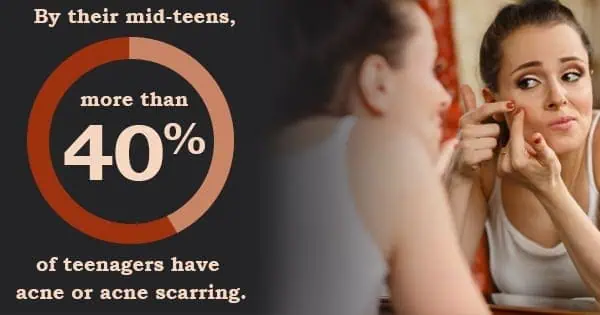
There are a variety of common skin conditions that can affect the average person over the course of their lives. For example, around 7.5 million Americans have psoriasis, and current estimates suggest that as many as one in five people in the United States will develop skin cancer in their lifetime. However, few skin disorders are as common as acne, which affects people of all ages but is especially common during adolescence: by their mid-teens, more than 40% of teenagers have acne or acne scarring. For this reason, many people will seek out acne treatment products and other therapies for their skin problems over the course of their lives, which may necessitate a trip to a local dermatologist. Unfortunately, some dermatologist prices are more than some people are willing to pay. Why do dermatologist clinics charge as much as they do? Read on for brief explanation of dermatologist prices.
Location
When it comes to adjusting their rates, dermatologists look at several factors pertaining to the area they practice in: the number of competing dermatologists in the area, the cost of living and economic conditions, and the local clientele. An expensive area that is popular with dermatologists and also has a high number of vacationers and retirees, such as New York City, will have more expensive dermatologists than rural Ohio, for example.
Reputation and Specialties
The best dermatologist in a given area or one that provides a unique service will naturally charge more than other practitioners in the area. These professionals will have numerous referrals every month and won't need to worry about making their dermatologist prices competitive. However, the extra cost might be worth the effective treatment or service this doctor can provide.
The Patient
Unfortunately, sometimes a particular patient's case will simply be more expensive than others. If you don't have health insurance, for example, or are requesting more expensive treatments that may not be completely covered by your insurance provider, your costs will be steeper.
Dermatology is a highly-requested service, and this demand means that dermatologist prices are often higher than what a patient might like to pay. However, by researching different clinics in your area, discussing your different options with your dermatologist and making sure your insurance and other factors are in order, you can significantly reduce your expenses. With proper diligence, you will be able to access the skin care and treatments you need for healthy, beautiful skin at a cost you can afford.