

Vitamin C Serum Benefits: Yes, They’re Real
Medical Review By: Gioconda “Gio” Boaz, PA-C
Vitamin C serum has become one of the most popular skincare products for the face, and for good reason. Who wouldn’t want a serum that can improve the appearance of fine lines and wrinkles, fade dark spots, prevent and treat sun damage and give skin a healthy glow? The claims may seem too good to be true, but the benefits are real according to one skin care provider.
“Vitamin C has been known to improve skin for years, but it didn’t get the same amount of attention that other skin care ingredients did until recently,” said Gioconda “Gio” Boaz, PA-C, a board-certified physician assistant at Water’s Edge Dermatology.
“I think vitamin C serum is popular now because more information is surfacing on how it boosts the skin’s natural protection against sun damage, fights inflammation and produces a great cosmetic advantage.”
How vitamin C serum works
Vitamin C improves skin’s appearance in several ways. As an antioxidant, it protects against damage caused by unstable molecules called free radicals. Sun exposure increases free radical production. While your diet provides some vitamin C, using a vitamin C serum increases the concentration of the vitamin in your skin. And unlike sunscreen, it can’t be rubbed off. In fact, once vitamin C is absorbed, the protection it offers seems to last for days.
The vitamin also helps the body synthesize collagen and increases skin cell turnover. This means that dead and damaged skin cells are replaced by new ones more quickly, making skin look brighter.
Vitamin C serum can help address:
- Hyperpigmentation. Increasing cell turnover can lighten sun spots (also called age spots), dark spots caused by acne, and dark patches caused by melasma. “One of the great things about vitamin C is that it’s safe for pregnant women, who are vulnerable to developing melasma,” Boaz said.
- Fine lines and wrinkles. Faster cell turnover combined with increased collagen can make wrinkles less noticeable.
- Sun damage. By neutralizing free radicals, vitamin C reduces and helps prevent sun damage. It also works to prevent the sun’s rays from suppressing the immune system. This immune suppression is thought to play a role in the development of melanoma and non-melanoma skin cancers.
Choosing the best vitamin C serum
Vitamin C serums range in price and the amount of vitamin C they contain. You don’t have to choose one of the pricier options if it’s not in your budget.
“Any vitamin C serum, as long as it’s a “stabilized” vitamin C, is going to be beneficial, and expensive doesn’t always mean better,” Boaz explained.
The amount of vitamin C in serums typically ranges from 5% to 20%. While vitamin C is generally well tolerated, it is acidic and can therefore irritate sensitive skin. Boaz recommends starting off with a lower concentration. Move to a higher concentration if you’re not seeing results and if your skin can tolerate it.
Packaging is also key. Vitamin C degrades quickly, particularly when it’s exposed to light. So, an opaque container is a must.
Application and storage tips
If you have sensitive skin, start by using vitamin C once a day. Apply it in the morning to take advantage of the added protection against sun damage. (Sunscreen is always a must.) For people with sun-damaged skin, Boaz recommends gradually switching to a twice-a-day routine.
Apply vitamin C serum after washing your face and before applying moisturizer and sunscreen. Don’t apply too much serum or you’re wasting your money — three to five drops are plenty.
“It’s normal to feel a brief tingling sensation when you use it. This usually dissipates after a couple of weeks,” said Boaz. “Anything beyond that may mean the serum is too strong for you. It’s also possible that you’re allergic to one of the ingredients.”
To prevent vitamin C serum from degrading, keep it stored in a dark place and replace the cap tightly after use. You can tell when it has degraded by its color. Most serums are pale yellow and turn orange or brown when they spoil. If yours has degraded, it’s time to throw it out.
For best results, apply vitamin C serum every day, Boaz advised. “The protective antioxidants immediately shield your skin. It can take about two months of regular use to start seeing cosmetic results, but it’s definitely worth the wait.”
Article Written By: Jessica Brown is a health and science writer/editor based in Brooklyn, New York. Her work has appeared in Prevention, Johnson & Johnson, the Breast Cancer Research Foundation and many more.
How to Heal Dry, Cracked Hands
Frequent hand-washing may be key to staying healthy, especially now and during cold and flu season, but it can really take a toll on your skin. That goes double in winter when colder temps and drier air conspire to zap skin of the natural oils that maintain moisture and provide a protective barrier. This can lead to dry, cracked hands.

"People think water is moisturizing, but it's actually drying — when it evaporates, it reduces skin’s natural oils," said Dr. Alissa O’Brien, a dermatologist at Water’s Edge Dermatology. "And if you're using hot water and harsh soap over and over throughout the day, it’s the perfect storm for drying out your skin."
Soap doesn’t discriminate between germs and the skin’s protective oils; neither does the alcohol in hand sanitizer. With frequent use, both can lead to dryness, irritation, and rash-like dermatitis or eczema. They can also lead to cracks in the skin which allow for the entry of germs like staph that make you more susceptible to skin infections.
To curb dry, cracked hands while practicing good hand hygiene, Dr. O’Brien offered this advice:
Wash your hands correctly
1. Steer clear of harsh soap. A gentle moisturizing soap (Dr. O’Brien recommends Dove) will get the job done just as well as antibacterial soap, which is more drying and hasn’t proven to do a better job at preventing illness than regular soap. Of course, if your dermatologist has prescribed an anti-bacterial soap due to recurrent infections or other special circumstances, keep using it.
2. Wash with lukewarm water. Lukewarm water is as effective as boiling water is at reducing germs. That’s because the goal of hand-washing isn’t to kill germs. "When you wash your hands, the germs get washed off," Dr. O’Brien explained. "They go down the drain." After washing, pat your skin dry. No need for vigorous rubbing, which can disrupt your skin barrier, lead to irritation and cause dry, cracked skin.
Moisturize regularly
"The best thing is literally to moisturize, moisturize, moisturize," said Dr. O’Brien. Moisture after every hand-washing. This will lock in moisture that got into your skin while washing and prevent evaporation that dries out the skin even more. For extra dry skin, apply an ointment at bedtime and then wear a pair of cotton gloves to help seal it in. Ointments can work extra well overnight when skin naturally loses more water.
Opt for ointment or cream moisturizer
Ointments work better than other types of moisturizers because they penetrate the skin better, according to Dr. O’Brien. "That’s why, when we prescribe topicals, we usually pick ointment forms — more medicine gets in that way." She recommends a product like Aquaphor Healing Ointment or a thin layer of petroleum jelly. "It sounds messy, but it’s extremely moisturizing and your hands are going to love it."
If an ointment is messier than you prefer, choose a cream moisturizer, which contains more oil than water-based lotions. Cream moisturizers are also more effective at trapping water in the skin and repairing its barrier function. Here are a few brands to try: Cetaphil, CeraVe, Eucerin, Gold Bond and Aveeno. Ingredients to search out include petrolatum and ceramides. Petrolatum helps block water loss from your skin; Ceramides are a type of lipid (fat) that helps form your skin’s barrier and increase hydration. Ceramides are a key ingredient in CeraVe products.
Be sure to stay away from lotions and moisturizers with fragrances and dyes. "Some dyes can irritate dry skin, so generally, I wouldn’t get the pink frilly one," said Dr. O’Brien.
Choose the right-hand sanitizer
Washing your hands is your best bet at removing all types of germs — even better than hand sanitizer. For instance, according to the Centers for Disease Control and Prevention, hand sanitizers don’t kill the stomach bug or a type of parasite that causes severe diarrhea. However, hand sanitizer is far better than nothing when you don’t have access to soap and water. If using a hand sanitizer, choose one that contains at least 60 percent alcohol and is enriched with an emollient like glycerin or vitamin E to help counteract the drying effect.
Wear gloves
If your hands are frequently immersed in water, such as when washing dishes or washing your car, wearing rubber or latex gloves can prevent the water from stripping away your skin’s oils. Gloves lined in cotton may be more comfortable on dry skin and are easier to put on and take off. Gloves are also recommended if you work with chemicals or plants, especially if you have sensitive skin that is prone to dryness.
Remember the sunscreen
It won’t be your main line of defense against dry, cracked hands, but because the sun can dry out your skin, sunscreen can help prevent further parching. "The sun not only makes dermatitis worse, but skin will be more prone to burning if it’s already irritated," said Dr. O’Brien. She likes CeraVe AM, a moisturizer with an SPF 30.
Article Written By: Karyn Repinski is a Brooklyn, NY-based award-winning health and beauty writer.
Medical Review By: Ted Schiff, MD
Mohs Surgery for Skin Cancer Treatment
 Updated May 19, 2020
The number of people developing skin cancer has been increasing for decades, to the point that skin cancer is now the most common cancer in the United States. Every day, more than 95,000 people are diagnosed with the disease, and one in five people will develop it in their lifetime.
Most cases are slow-growing nonmelanoma skin cancers like basal cell carcinoma (BCC) and squamous cell carcinoma (SCC).
Sun exposure and indoor tanning are the biggest risk factors for developing these skin cancers, and most of them form in areas that get the most sun, such as the head and neck. For people who develop BCC, SCC or some early melanomas, Mohs (pronounced “moes”) surgery is a very effective treatment, with a cure rate of up to 99 percent according to the Skin Cancer Foundation. The technique also provides the best cosmetic results of any skin cancer treatment.
What is Mohs surgery?
Mohs surgery, also known as Mohs micrographic surgery, is a technique invented by Dr. Frederic Mohs in the 1930s. Since being refined in the 1970s, it's become a mainstream treatment for skin cancers on the head and neck.
Mohs surgery differs from more routine skin cancer removal surgery in that it's done in stages. After the surgeon removes a layer of tissue, he or she examines it under a microscope to see whether it contains cancer cells. The process is repeated until no more cancer cells are found. This way, healthy tissue is spared, and the scar is minimized.
In Mohs surgery, all of the edges (called "margins") of the removed tissue are evaluated, which is not the case with conventional surgery according to Dr. Justin Platzer, a board-certified dermatologist at Water's Edge Dermatology. In conventional surgery, "[the sample] is cut differently, and it's only a small fraction of the margin that's evaluated, so you can miss tumors." By contrast, he said, "Mohs surgery allows for recurrence rates of tumors to be as low as 1 percent."
How does Mohs surgery work?
After injecting a local anesthetic to numb the skin, the surgeon removes the visible portion of the cancer along with a thin segment of surrounding skin and examines it under a microscope. Water's Edge Dermatology has an onsite pathology lab where samples are read immediately, and patients learn the results throughout the procedure. (Patients who undergo traditional skin cancer surgery can wait up to a week to get pathology results indicating whether or not the cancer is gone.)
If the sample contains cancer cells, the surgeon removes an additional layer of skin and sends it back to the lab. "If it’s positive [for skin cancer] in just one area, you’re able to take a little more of the skin only in that area, so it keeps the wound smaller," explained Dr. Platzer. This process is repeated until the margins are clean, meaning that no cancer cells remain. Most patients need only two rounds to remove all the cancerous tissue. The procedure lasts a few hours.
After the cancer is removed, the surgeon will decide whether and how to repair the wound. Smaller wounds are often left to heal on their own. Larger wounds may require stitches or even skin grafts. At Water's Edge Dermatology, surgical removal, lab evaluation and wound reconstruction are done in one visit in most cases. When patients walk out of the surgery, they have peace of mind knowing that their cancer is fully treated.
Who should have Mohs surgery?
Mohs surgery is typically recommended for nonmelanoma skin cancers in places where you want to preserve as much healthy tissue as possible to maintain maximum function and provide a good cosmetic result, such as around the eyes, ears, nose, mouth, hands, feet and genitals. Mohs is also used to treat cancers that:
- Returned after initial treatment
- Have a high risk of recurring
- Weren’t completely removed by other treatments
- Are large or aggressive
Will Mohs surgery leave a scar?
All surgical procedures have the potential to leave a scar. Mohs surgery often results in smaller, less noticeable scars than other skin cancer removal methods. Most scars improve in appearance naturally over time. "It takes a full year for scars to fully heal, but most scars from Mohs surgery start looking cosmetically acceptable after four to six weeks," said Dr. Platzer.
Is Mohs surgery covered by insurance?
Most insurance plans, including Medicare, cover Mohs surgery. Check with your insurance provider to confirm that Mohs is covered under your plan.
What should I do if I am concerned about possible skin cancer?
If you have a suspicious area on your skin, make an appointment to have it evaluated as soon as possible. If the dermatologist suspects skin cancer, he or she may perform a biopsy for further examination.
Don't think you’re too young for skin cancer. Nonmelanoma skin cancers typically appear after age 50, but even people in their 20s and 30s can develop them, according to Dr. Platzer. "It takes a while to develop a BCC or SCC, so people usually have to be pretty fair-skinned and have significant amounts of sun damage to have it when they're very young, but it's definitely possible to get it then."
To book an appointment for a skin evaluation, call (877-544-3880) or request one online. It’s a good idea to have your skin examined at least one a year. The sooner skin cancer is detected and treated, the better the chances of a complete cure, and the lower the chances of disfigurement.
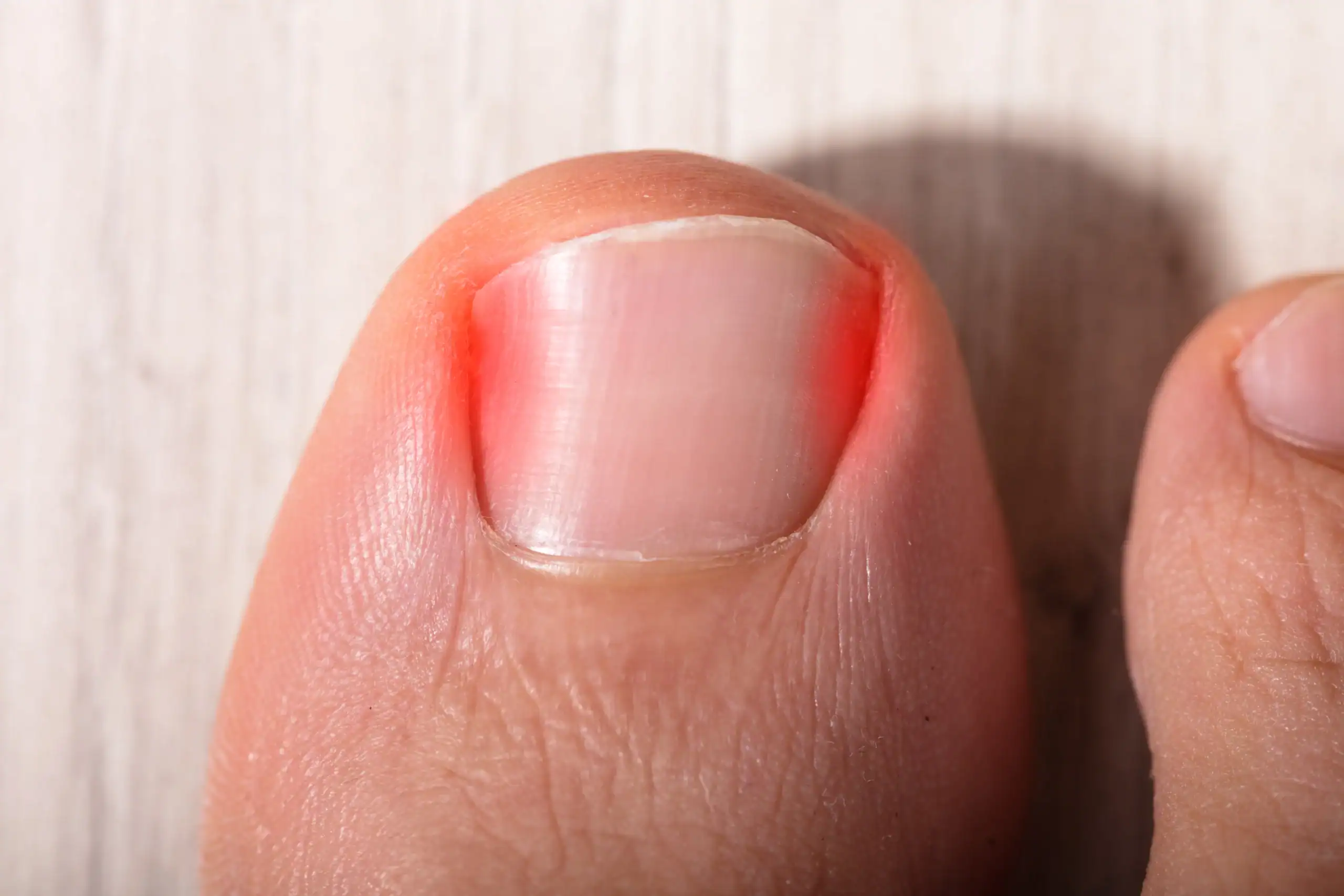
Nail Problems and What to Do About Them
Did you know that our nails are essentially hardened skin cells? They might seem tough as, well, nails, but they can present their own unique health problems if they aren’t treated with care and attention.
What Exactly Are Nails?
We want nails to look strong and healthy, serve as an onboard toolset of sorts and protect our fingers and toes. But what makes up a nail and how a nail grows is amazingly delicate.
Your nails are made up mostly of keratin, which is a protein found in the skin and hair. As nails grow out from the matrix – the hidden half-moon area under the cuticle – older cells in the nail are pushed forward and harden to form a visible nail that protects and supports tissues in our fingers and toes.
Common Nail Issues
Nail problems make up about 10% of all dermatological conditions. As we age, nails thicken and become more susceptible to issues such as fungal and bacterial infections. Often these are nothing to worry about, but some may signal disease. Here are some common nail issues:
- White Spots – Typically white spots in the nail are caused by mild trauma such as catching a finger in a door. Typically, the nail will grow out and the white spots will disappear. However, if you see several white spots that do not seem to grow out, those might be an indication of an infection or other medical condition that may need treatment.
- Ingrown Nail – Most of us have had ingrown nails when the corner of the nail curves into the skin. Ingrown nails can be painful and sometimes get infected.
- Bacterial Infections – Redness, swelling and pain of the skin around the nails can be signs of a bacterial infection. Sometimes the nail may appear green. If you have your hands in water or the skin around the nails is exposed to chemicals on a regular basis, you might be susceptible to developing a bacterial infection.
- Nail fungus – This is a common condition that typically begins as a white or yellow spot under the tip of the nail. The nail may become discolored, thickened, misshaped and maybe even painful. If you see any of these symptoms, make an appointment with your Water’s Edge dermatologist.
- Dark Spots – If dark spots or streaks appear on any nail and you know it’s not because of an injury, see your practitioner. Dark spots or streaks on a nail could be signs of melanoma – the deadliest form of skin cancer. Be sure to get checked out right away.
Tips to Keep Nails Healthy
Practicing good nail habits is key to keeping them healthy. Water’s Edge recommends these tips:
- Keep nails clean and dry to help prevent bacteria, viruses or fungus from collecting under the nail.
- Cut nails straight across, rounding them slightly at the tips for maximum strength.
- Keep nails shaped and free of snags.
- Avoid biting fingernails and do not remove the cuticle.
- Trim toenails regularly to keep them short.
- Soak your feet in warm salt water for 5 to 10 minutes if toenails are thick and difficult to cut. This softens the nails and makes them easier to trim.
- Avoid digging out ingrown toenails, especially if they are infected or sore. See your practitioner for treatment.
- Wear shoes that fit correctly and alternate your shoes so you are not wearing the same shoes every day.
- If you see changes in your nails, such as swelling or pain, see your Water’s Edge provider.
- If you have diabetes or poor circulation, watch your nails carefully. See your Water’s Edge provider at the first sign of a problem.
Your nails can reveal a lot about your health, and changes in nails can signal disease or a medical issue. If you notice any issues or changes in your nails, make an appointment with your Water's Edge provider or call 877-900-3223 .

Time for Your Child’s Summer Skin Check
With kids out of school, it’s time for fun, sun and a lot of activities. It’s also time to schedule a summer skin check and stock up on sunscreen!
At Water’s Edge Dermatology, we are experts in spotting and treating all kinds of pediatric skin, hair and nail conditions, which is why we are encouraging a summer skin health screening for all children.
Potential Skin Issues in Children
Damage from pediatric skin cancer, acne, warts, eczema, rashes and sun damage could have a destructive impact on a child’s life if left undetected and untreated. That’s why we are sharing these quick facts about potential skin issues in children.
Skin Cancer: Skin cancer in children is on the rise. Though the most serious and deadly form of skin cancer – pediatric melanoma – represents only about 1% of new melanoma cases diagnosed each year in the U.S., malignant melanoma is the most common skin cancer in children and teens. It has increased about 2% each year since 1970. Fair-skinned, light-haired children are at the highest risk, but it’s a good idea for all children to get checked out annually.
Acne: Acne is the most common skin problem in the country. It often begins in puberty but can also affect adults in their 20s, 30s, 40s and even into their 50s. Most acne appears on the face, but it can also show up on the shoulders, upper arms, chest, neck and back. While acne is not curable, your Water’s Edge dermatologist can create a plan that helps treat and prevent breakouts.
Warts: Warts are noncancerous skin growths that are caused by a viral infection in the top layer of the skin. Warts are usually skin colored and feel rough to the touch, but they can also appear dark in color or flat and smooth, depending on their location. In children, warts can disappear without treatment over several months to years. However, warts that are bothersome, painful or rapidly multiplying should be treated. Water’s Edge providers use a variety of treatments, depending on the type of wart and the age of the patient.
Eczema: Eczema is often called “the itch that rashes”. Eczema appears in itchy patches that can be widespread or limited to a few areas like the back of the knee or inside of the elbow. Between 10% and 20% of children develop eczema, and at least 80% of these children will have it before the age of five. If your child has eczema, it’s important to see your Water’s Edge provider and have the condition treated.
Rashes: Skin rashes are very common all year round, but especially in the summer months where the warm weather can cause rashes that irritate skin. Active children can develop a heat rash or get into poison ivy and other plants that may cause rashes. For some children, insect bites can cause an allergic skin reaction, while other children might be exposed to bacterial or viral skin infections that cause rashes. Your Water’s Edge provider can correctly diagnose and treat any skin rash your child may develop.
Sun Damage: Damage from the sun’s rays affects children as well as adults. Sun protection should begin in infancy and continue throughout life. We get about 80% of our total lifetime sun exposure in the first 18 years of life. So, protecting your child’s skin from the sun is very important to prevent skin cancer later in life. Be sure you are using a sunscreen with SPF 30 or higher and wear a t-shirt and hat when in the sun. Also, keep your children out of the sun in the middle of the day from 10am-3pm when the sun’s rays are most intense.
We Care About Skin Health
At Water’s Edge, we care about skin health and early detection of skin illnesses in children. As Florida’s premiere dermatology practice, our team delivers the highest standard of skin care and dermatology services. We are ready, willing and able to help ensure the health of your children’s skin.
Schedule a summer skin check for your children by clicking on the link below, and we will get you set up for an appointment at any one of our 36 offices near you. Schedule a summer skin check now.

Get Ready for Summer with UltraShape® Power

Summer is just around the corner, which means it’s time to get your body ready to hit the beach! Unfortunately, diet and exercise are not enough for some people to achieve the body they want and deserve. We have great news - UltraShape® Power is here.
UltraShape® Power
It’s the first and only FDA-cleared, non-invasive, body-shaping procedure that permanently destroys fat cells. It’s a life-changing technology that is now available at Water’s Edge Dermatology.
How It Works
UltraShape® Power uses gentle ultrasound technology to destroy fat in just three virtually painless treatments. The technology destroys the walls of fat cells and releases that fat in the form of triglycerides which are then processed through the liver and eliminated from the body naturally.
UltraShape® Power was developed by an internationally renowned plastic surgeon and a physicist specializing in the use of high-power ultrasound to destroy blood clots.
Treatment is fully customizable to meet the unique needs of each patient and will not cause pain or harm surrounding tissue, nerves or muscle. There are no unwanted side effects. Treatment takes an hour or less, with results sometimes seen just two weeks after the first session.
Don’t wait to get your body ready for summer. Click here to Request an Appointment or call 877.533.8214.

Eating for Fabulous, Healthy Skin
Spring is officially here! If you haven’t already, you will soon start seeing lots of colorful, fresh fruits and vegetables at local farmer’s markets and grocery stores. Did you know that what you eat affects your skin health and appearance? It does! To help restore or maintain healthy skin and a more youthful appearance, start with small steps. Here are three easy tips to follow:
Tip 1: Add more fish to your diet
Fatty fish (such as salmon, mackerel and herring) are excellent for supporting healthy skin. Rich in omega-3 fatty acids, these fish help keep your skin thick, supple and moisturized. Omega-3 fats in fish also help reduce inflammation and can even make your skin less sensitive to the harmful UV rays of the sun. Dry skin can be one sign that your body is not getting enough omega-3 fats.
Fatty fish also contain vitamin E – an important antioxidant that helps protect skin against damage from free radicals and inflammation. By incorporating more fatty fish into your diet, you get the benefit of high-quality protein that helps maintain skin’s strength and integrity.
Tip 2: Eat a rainbow of fruits & vegetables
Fruits and vegetables contain an array of powerful antioxidants that help protect skin from damage caused by free radicals. Free radicals from pollution and sunlight can cause wrinkles and other signs of early aging. Antioxidants neutralize free radicals we encounter in our everyday lives.
To get the biggest benefit, choose a colorful rainbow of fruits and vegetables, and aim for five portions a day. Vary your choices, and get as much color on your plate as possible. Berries (including blueberries, black berries and raspberries) are particularly rich in antioxidants. Carrots, sweet potatoes and pumpkin contain beta carotene, a powerful antioxidant. Kale, papaya and spinach are excellent sources of lutein, another potent antioxidant that is also good for maintaining eye health.
When you fill your plate, cover half of the plate with fruits and vegetables; one fourth with lean protein and one fourth with complex, healthy carbs (such as brown rice or whole grain pasta).
Tip 3: Indulge in dark chocolate
Yes, we saved the best for last, and the news is great! Cocoa is phenomenally beneficial to skin health.
A study reported by the National Institute of Health tells us that consuming cocoa powder on a daily basis for six to 12 weeks can result in thicker, more hydrated skin that is less sensitive to sunburn. Other studies have shown improvements in the appearance of wrinkles.
Specifically, you need to select dark chocolate with at least 70% cocoa in order to maximize the benefits to your skin and keep added sugar to a minimum.
Your Water’s Edge Cosmetics team is here to support your best appearance. Our skilled aestheticians can help you look as young as you feel. Click here to Request an Appointment or call 877.533.8214.

Protecting Lighter-Toned Skin from Skin Cancer
St. Patrick’s Day is a great time to remind everyone with lighter-toned skin to take extra precautions in the sun to protect yourself from skin cancer. Most skin cancers develop on areas of the skin that get years of sun exposure, like the face, neck, ears, forearms, hands, and trunk. Basal cell carcinomas and squamous cell carcinomas are the most common, but melanomas are the deadliest. Here’s a quick rundown of the most common skin cancers and what to look for.
Basal cell carcinoma (BCC) looks like a flesh-colored, pearl-like bump, or pinkish patch of skin. BCC frequently develops in people who have light skin, but it can occur in people with dark skin. With early treatment, this type of cancer can be cured. Left untreated, BCC can cause bleeding and severe damage, which can be disfiguring.
Squamous cell carcinoma (SCC) can look like a red scaly patch, raised, firm bump, or a sore that heals and re-opens. People who have light skin are most likely to develop SCC, but it can develop in dark-skinned people, especially those who have scarring.
With early detection and proper treatment, SCC also has a high cure rate. Left untreated, SCC can also be disfiguring. In rare cases, untreated SCC can spread to other areas of the body and can be deadly.
Melanoma may develop in a mole or it can appear on the skin as a new, dark spot. Sometimes melanoma contains shades of red, blue, or white. When found early, melanoma often can be cured. Left untreated, melanoma can spread to other areas of the body and be deadly. In fact, one person dies of melanoma every hour.
Sun Protection Tips
Sun protection helps prevent skin damage and wrinkles, and reduces the risk of developing skin cancer. Newer broad-spectrum sunscreens contain products to block both UVA and UVB rays. To be effective, sunscreen should be reapplied at least every two hours.
The American Academy of Dermatology (AAD) recommends that you seek shade when possible. Avoid sunbathing, wear a wide-brimmed hat, sunglasses, and protective clothing. A typical white tee shirt has an SPF of 3. Colorless dyes that increase the SPF of fabrics to an SPF of 30 are available as laundry products. If you must be in the sun, use a broad-spectrum sunscreen with a sun protection factor (SPF) of at least 30, even on cloudy days.
Melanoma Mondays in May
Mark your calendars for May. We’ll be sharing a wealth of information on protecting your and your family’s skin from the deadliest form of skin cancer. We’ll be giving away t-shirts with UV protection on Facebook and running a “Get Naked…It Saved My Life” promotion with lots of tips on protecting your skin right before the active summer season starts.
Do you have a suspicious spot on your skin that you are concerned about? Water’s Edge Dermatology recommends that everyone have regular skin cancer screenings from a board-certified dermatologist, especially in sunny Florida. Schedule an appointment today and enjoy peace of mind. Click here to Request an Appointment or call 877.533.8214.
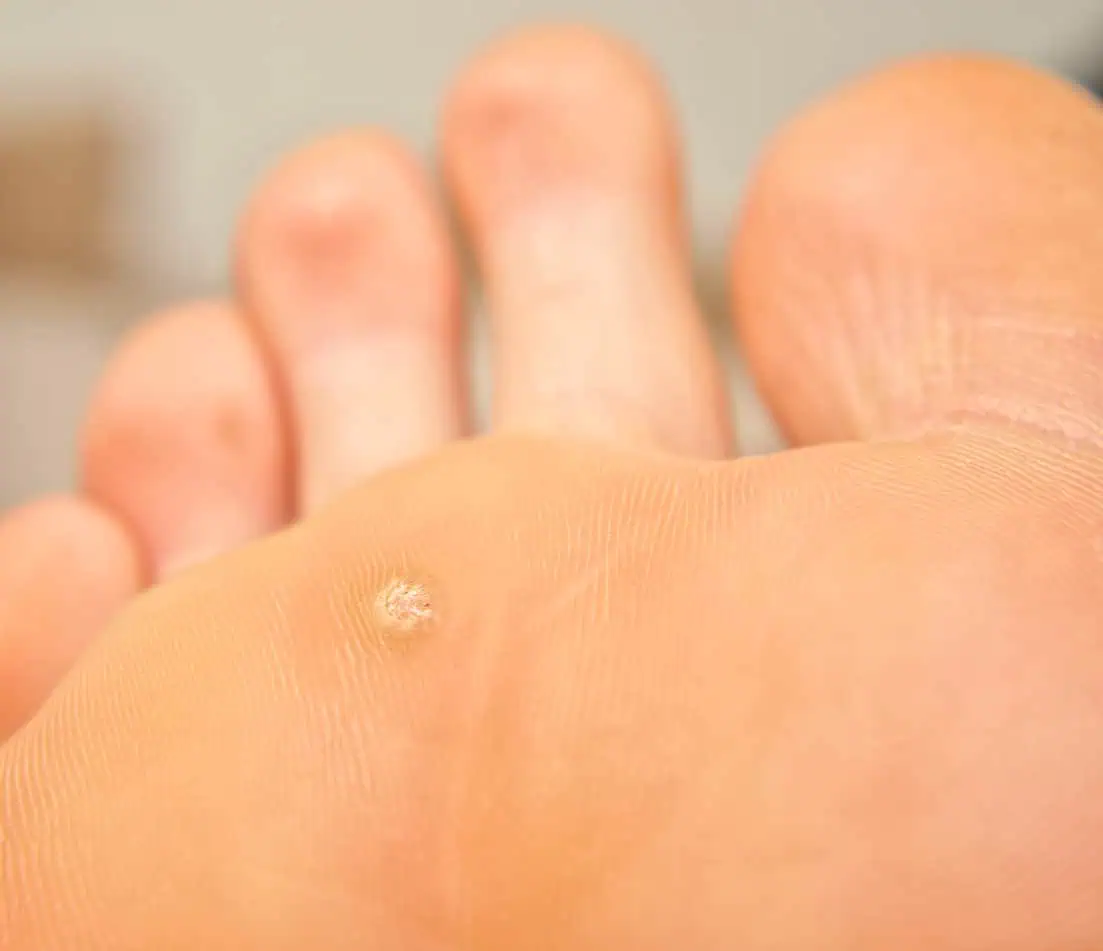
What Are Warts?
Warts are caused by viruses and are passed from person to person, sometimes indirectly through touching an object someone with a wart has touched. While they are cosmetically unappealing, they are non-cancerous and not dangerous, but they can cause discomfort if they become irritated.
What Causes Warts?
Warts are caused by a viral infection in the top layer of the skin. Viruses that cause warts are called human papillomavirus or HPV. Warts are usually skin-colored and feel rough to the touch, but they can appear dark, flat, and smooth. The appearance of a wart depends on where it is growing.
Some people get warts depending on how often they are exposed to the virus. Wart viruses occur more easily if the skin has been damaged in some way, which explains the high frequency of warts in children who bite or pick at hangnails. Some people are just more likely to catch the wart virus than others, just as some people catch colds more easily. Patients with a weakened immune system also are more prone to a wart virus infection.
Types of Warts
Common warts usually grow on the fingers, around the nails, and on the backs of the hands. They are more common where skin has been broken or where fingernails are bitten or hangnails picked. These are often called “seed” warts because the blood vessels to the wart produce black dots that look like seeds.
Foot or plantar warts are usually on the soles, or plantar area, of the feet. When plantar warts grow in clusters, they are known as mosaic warts. Most plantar warts do not stick up above the surface like common warts because the pressure of walking flattens them and pushes them back into the skin. Like common warts, these warts may have black dots. Plantar warts can be painful, feeling like a stone in a shoe.
Flat warts are smaller and smoother than other warts. They tend to grow in large numbers, 20 to 100 at a time. They can occur anywhere, but in children they are most common on the face. In adults, they are often found in the beard area in men and on the legs in women. Irritation from shaving probably accounts for this.
Treatment
In children, warts can disappear without treatment over a period of several months to years. However, warts that are bothersome, painful, or rapidly multiplying should be treated. Warts in adults often do not disappear as easily or as quickly as they do in children. Water’s Edge Dermatology practitioners are trained to use a variety of treatments for warts, depending on the age of the patient and the type of wart.
Common warts typically are treated by applying salicylic acid gel, “painting” with cantharidin, cryotherapy (freezing), electrosurgery, or laser treatment. Foot warts are often treated using salicylic acid plasters, applying other chemicals to the wart, or with laser surgery, electrosurgery, or cutting to remove the wart. Flat warts are treated using “peeling” methods with daily applications of salicylic acid, tretinoin, glycolic acid, or other surface peeling preparations.
Tips for Preventing Warts
Though there is no foolproof way to avoid getting warts, there are some steps that can reduce the chances of getting or spreading warts:
- Avoid biting or chewing fingernails and cuticles;
- Wash your hands often;
- Moisturize skin, especially skin that is dry and cracked;
- Always wear sandals or flip flops in public showers, locker rooms, and pools;
- Clean cuts and scratches with soap and water;
- Never share razors, towels, or socks with other people;
- Keep hands and feet dry and wear extra-absorbent socks if your feet tend to sweat a lot;
- Avoid touching other people’s warts.
Your Water’s Edge Dermatology practitioner can make a proper diagnosis and discuss the best way to treat a wart. Request an appointment now for you or your child or other family member to have warts evaluated and treated correctly.
Study Shows Tretinoin Top Choice for Anti-aging
 March 8 is International Women’s Day, and since 1911, it has been a day to celebrate women around the world. We want to encourage everyone to make a positive difference for all of the women and girls in your life every day. Your Water’s Edge team is committed to celebrating you and delivering the latest news in skin health so you can enjoy a lifetime of looking as young as you feel.
Our number one recommendation for skin protection is to be sure you and your family are using sunscreen to protect skin from the damaging rays of the sun. Regular use of sunscreen is also the number one anti-aging recommendation. Be sure you begin using sunscreen as early in life as possible. To prevent visible signs of aging that already exist, dermatologists recommend a retinol product to stimulate skin cell turnover and collagen production while exfoliating the top layers of skin to reveal fresher, younger-looking skin underneath.
Unlike many retinol skincare products on the market, Tretinoin is approved by the FDA for anti-aging and has become the gold standard for anti-aging skincare. Studies have shown that Tretinoin increases collagen and reduces fine lines and wrinkles by speeding cell turnover. These studies have also confirmed that Tretinoin brightens skin and smooths skin’s texture. It is also effective in reducing hyperpigmentation, skin discoloration and the formation of acne.
When compared with over-the-counter retinoid products, Tretinoin works faster and delivers more powerful results because it contains 20 times the retinol concentration allowed by the FDA for non-prescription, over-the-counter formulations. It is considered a medical grade prescription topical treatment that supports skin becoming stronger with a tighter and firmer appearance.
A recent study of the comparative effects of retinol and retinoic acid in the Journal of Cosmetic Dermatology* looked at the efficacy of a retinol formulation for improving skin’s appearance. Four weeks of retinol treatments showed an increase in epidermal thickness, collagen production and a significant reduction in facial wrinkles.
The study results also demonstrate that topical application of retinol affects both cellular and molecular properties in the epidermis and dermis.
Tretinoin is Water’s Edge Dermatology’s most recommended product because it delivers results. Water’s Edge Tretinoin is available by prescription in three strengths with 0.025% retinoic acid; 0.05% retinoic acid and 0.1% retinoic acid.
Many dermatologists recommend that anyone over 30 begin using Tretinoin in order to prevent the visible signs of aging. Our Water’s Edge clients love Tretinoin because they are seeing positive results in healthier and more youthful looking skin. You may notice results in a few as four weeks, and when using Tretinoin, remember to always wear sunscreen to get the full benefit and protect your skin from the sun.
Click here to make an appointment today at Water’s Edge Dermatology and learn more about how Tretinoin can help you look as young as you feel. Also, please share this blog with a friend and refer them to Water’s Edge Dermatology.
*https://www.ncbi.nlm.nih.gov/pubmed/26578346