
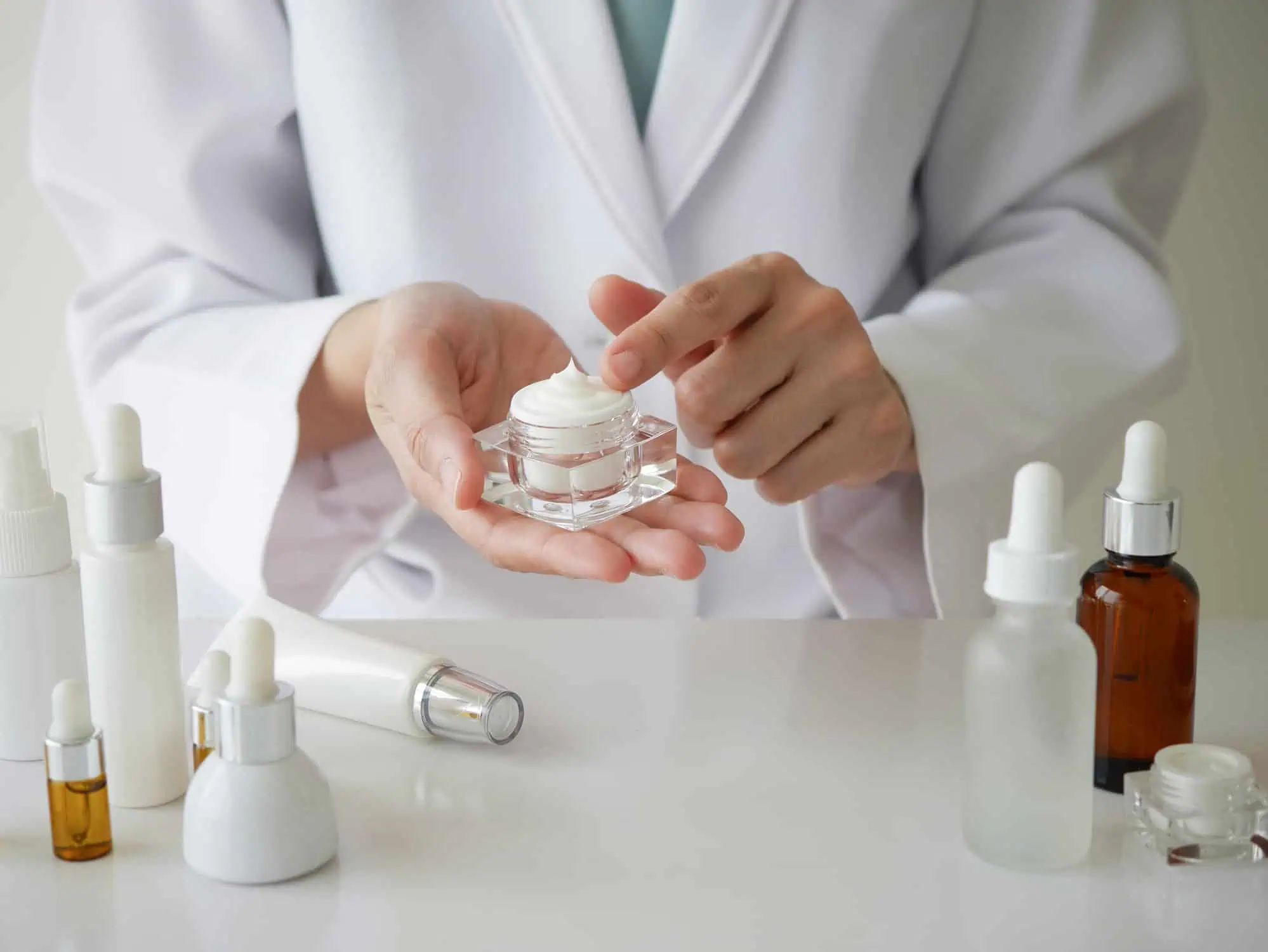
Hot Tips for Buying Skincare Products
Water’s Edge Dermatology is celebrating 20 years as Florida’s premiere skincare provider, and if we’ve learned anything over the years when it comes to skincare products, it’s how to help our valued patients buy what’s best for them and what to consider regarding skincare products on the internet. So, the Water’s Edge team has compiled a tips list based on our two decades of experience. Here’s to taking great care of your birthday suit!
Tip #1: Don’t purchase skincare products on the internet from off-brand sites
Quality skincare products can be damaged if they are not stored and shipped properly. Exposure to heat or cold can negatively affect the chemical ingredients, such as delicate antioxidants, that were developed to help your skin look and feel more youthful. Even if they have a top name-brand label on them, products sold on the internet could be past their expiration date. You’ll have no way of knowing that when you shell out your hard-earned cash. Once you receive your product, if you find that you are not happy with it, making a return and getting your money back can be a big challenge.
Tip #2: Beware of counterfeit products
The fake skincare product market is alive and well, just like fake designer handbags and clothing. Because these products often contain cheaper, less effective and sometimes dangerous ingredients, counterfeit products can damage your skin. Price often will tell you if a product is counterfeit. Many fake skincare products are offered at a very low price, enticing buyers who want deep discounts on brand cosmetic products. The truth is that quality skincare products rarely go on sale for more than 20 percent below their retail price. To ensure that you are getting the authentic product, purchase directly from the brand retailer, and look for legitimate sales from that retailer.
Tip #3: Get recommendations from a dermatologist, not retail store clerks
Sales associates at a department store cosmetics counter are paid to sell you their product line. Your dermatologist is committed to helping you get the right product that will deliver the results you want. With years of medical training and experience in skin science, your dermatologist can guide you to the best skincare products for your skin and your goals.
You’ll be able to test a product at your dermatology office before you purchase it, saving you money in the long run. It’s important to remember that not all skincare products – in spite of their great reviews – are right for every individual and skin type. Those with oily skin may fare better with serums rather than heavy moisturizers. People with dry skin typically need added moisture in their skincare products. Making an appointment with your dermatologist is the best place to start.
Your skin is an important asset. It’s one of the first things people notice about you. When you take the time to get the right information and advice backed by medicine and science, your skin will know it and show it. It’s why we practice the Art, Heart and Science of skincare.
Click here to learn more about Water’s Edge MediSpa & Aesthetic Skin Care Services.

Three Common Skin Rashes in Children
It’s that time of year again when children are back in school. Like every parent, you purchased school supplies and new school clothes so your child is comfortable and ready to hit the school room. But what about your child’s skin health, which can have a serious impact on their ability to thrive in school?
One of the most common skin show-stoppers are rashes. A rash is a skin reaction that can be caused by contact with a skin irritant, allergy, bacteria, or virus. Let’s take a look at three common skin rashes and what to look out for now and throughout the school year.
Eczema causes patches of dry, scaly red skin. Though eczema tends to flare up in cooler, dryer months when there is less moisture in the air, dryness from frequent exposure to air conditioning, overheating and sweating in the summer, and chlorine from swimming pools can also trigger eczema. Tree and plant allergies are also known to cause this skin rash. Your child’s doctor can draw up a treatment plan to help your child feel more comfortable and keep the symptoms under control.
Impetigo is a superficial skin infection caused by streptococcus or staphylococcus bacteria. This rash is often found near the nose and mouth but can occur anywhere on the body. It is more common in warmer months and can also occur as a secondary infection in the skin that has been damaged by insect bites, poison ivy, eczema, or abrasions.
Impetigo begins as small superficial blisters that rupture, leaving red, open patches of skin. It may be itchy and is highly contagious. Children can transfer the infection to other parts of the body or to other children through physical contact. Though rarely a serious disease, it is important to seek treatment. Doctors typically prescribe topical or oral antibiotics and anti-itch medication if needed.
Molluscum contagiosum is a contagious viral infection that causes pearly bumps on the skin. The virus enters the skin through small breaks in the skin barrier causing bumps, also known as “water warts” which may have a dimple in the center. This skin condition is caused by the poxvirus that is more common in hot, humid climates and may be spread in swimming pools, clothing, or towels shared by other children who may be infected. Though the bumps will typically go away on their own in six to twelve months, a dermatologist can help with topical creams to reduce the itching in order to prevent a secondary bacterial infection from occurring.
Water’s Edge Dermatology treats all types of skin rashes and diseases. We provide comprehensive, advanced skincare for children of all ages, whether your child is a newborn, a toddler, teenager, or young adult. We understand the importance of putting kids at ease with our kid-friendly, compassionate approach to care.
As experts in spotting and treating all kinds of skin diseases, we take the time to correctly diagnose the issue and provide an effective treatment plan that is right for you and your child. And we take the time to explain everything, so you and your child can have peace of mind.

How to Deal With Period-Related Skin Problems
When we talk about menstrual skin, we’re talking about a whole range of skin problems women can encounter during their menstrual cycle each month.
Between the ages of 10-15, most girls begin to menstruate, i.e., they start getting their monthly period. This shedding of tissues and blood from the uterine lining occurs every month for the next 40-something years in most women.
Powerful hormones such as estrogen and progesterone, which help regulate your skin’s ongoing elasticity, circulation and appearance, also control menstruation. That means your period and your skin condition are intimately related, for decades.
The hormonal changes associated even with normal menstruation alone can wreak havoc on a woman’s skin. Added to that, some women also struggle with hormonal imbalances and menstrual cycle irregularities – adding to skin problems such as acne, dryness and flakiness, excessive facial and body hair.
So, what menstrual skin changes occur during your period? Are there special skin care tips for healthy, glowing skin at every stage of your monthly cycle? Here’s the lowdown on menstrual skin, and how to cope with it.
The Menstrual Cycle & Skin Changes
With the start of each monthly period and menstrual cycle, estrogen levels fall and tend to give your skin a dull, washed-out appearance. Then as if that’s not challenge enough, while you’re on your period, your skin is drier and more sensitive than usual.
But have the smartphone and selfie-stick ready for the days immediately after menstruation; because that’s when your skin is at its healthiest.
Then towards the end of the menstrual cycle, just before your next cycle and period begin, progesterone, testosterone and cortisol levels all go up, helping lead to excessive oil production and sending many women with acne-prone skin into an outbreak.
Menstrual Skin Care: What to do when?
For dull, flaky skin at the start of your period:
- Moisturize with gentle skin care products that help retain moisture.
- Hydrate from the inside out by drinking plenty of water.
- Eat healthy fats, such as avocado, nuts, and fish.
For dry, sensitive skin during your period:
- Calm and soothe with gentle products containing Aloe Vera and chamomile.
- Use only a lightweight moisturizer, since the roller-coaster that is your menstrual cycle will have you overproducing oil within a couple of weeks.
- Improve circulation and nourish your skin with regular exercise.
- Eat vitamin-rich foods, such as broccoli, almonds, and fruit.
To maximize skin benefits immediately after your period:
- Go easy on make-up and let your skin breathe.
- Consider a HydraFacial to extract pore-clogging, acne-causing debris from your skin.
- Eat and drink foods rich in anti-oxidants, such as green tea.
For oily, acne-prone skin in the premenstrual period:
- Cleanse with gentle products containing salicylic acid.
- Exfoliate and moisturize with an oil-free moisturizer.
- Eat acne-fighting foods and avoid greasy foods.
All-in-all, it can be daunting, trying to maintain healthy, glowing skin at each stage of your menstrual cycle. But it is entirely possible, and worth the effort. Plenty of sleep, a healthy diet, regular exercise and some basic skin care; these are the first steps. They should lay a solid foundation for maintaining healthy, attractive skin throughout your menstrual cycle.
And if you run into a menstrual skin problem persistently pestering you that you just cannot seem to solve, it’s time to consult with your professional partner in skincare – hopefully one of our outstanding ed providers located across South-Central Florida.

8 Great Food Tips for Super Skin
Medical review by Michael Siino, PA-C
Just about everybody knows the old saying, “You are what you eat”… right?
Let’s get real, it can be… disconcerting, to look in the mirror and notice a new wrinkle forming on your face, or to see newly visible signs of aging anywhere on your skin, for that matter. Well, here’s the skinny on eating your way to better skin, 8 great tips and skin foods to keep the largest organ in your body looking and feeling as good as possible, for as long as possible:
- “Good” fats – monounsaturated and polyunsaturated fats, to be specific. Foods high in these include olive oil, along with peanut, canola, safflower oil and sesame oils; plus avocados, peanut butter, and most nuts and seeds.
- Protein, such as lean beef (grass-fed would be good!), skinless chicken, seafood, low-fat milk & dairy products, especially yogurt.
- Antioxidant-rich foods boost your skin’s sun-blocking capacities, and since sun exposure is a major cause of skin aging and wrinkling, not to mention skin cancer, you’ll want to eat more whole grains, tomatoes, sweet potatoes, sunflower seeds, salmon, asparagus… and wash it all down with the antioxidant-rich green tea!
- Unprocessed and unrefined grains and flours, which can help fight skin damage and contain vitamins such as Biotin, which helps prevent dry, scaly skin. On the other side of the coin, eating processed and refined carbs – think white bread, most bagels, donuts, pizza, etc. – can mess with your blood sugar and initiate an acne outbreak. So, the more whole grains, the better.
- Omega-3 fatty acids, found in tuna, salmon, sardines and herring, and also in walnuts and flax seed. Omega-3 is proven to keep skin hydrated and smoother by reducing the loss of water from skin cells.
- Vitamins A, B, C and many other natural nutrients found in fruits and vegetables; with berries of all kinds, oranges, kiwis, and dark leafy greens such as spinach and kale, all tops for skin health and youthfulness.
- Isoflavone has been found helpful in reducing signs of aging in the skin, and can be found in soybeans and soy-based foods.
- Silica, a mineral that’s great for strong bones and teeth, has also been shown helpful for both hydrating your skin, and for helping it to retain its elasticity. One easy way to get your natural silica is to eat the fruit/veggie peels and skins that you’ve probably been throwing away without thinking… but they’re a fantastic source of silica!
Last but in no way least, know that you can eat all the scientifically-proven skin-boosting foods you want without reaping the benefits – if you give in to empty calories and junk food cravings too often. Sure, you’ve got to live your life and have some fun. But if you want your skin looking its best while you’re doing it, for many years to come, then you’ll keep the junk to a minimum.
One more thing. Don’t forget to visit your dermatologist at least once a year for a skin screening, and for news on any new developments or breakthroughs in anti-aging treatments, and skin care.

Men’s Skin: Saving Face
For too many men, a daily facial care “regimen” means swiftly swirling a bar of body-deodorant soap across their face before rinsing off and rushing out of the shower. And word has it, some men even use trickle-down lather from their shampoo for a quick facial scrub!
Let’s face it, lots of guys need to step up their facial skincare game. Aside from maintaining good health and hygiene, the potential anti-aging and physical appearance benefits make it a no-brainer.
First, a Word on Sun Exposure
Protection. That’s the word on the sun exposure. The single best action any man can take to keep his face in good health, and looking good, is to wear sunscreen (SPF 30 or above) every day, without fail, not just when you go to the beach!
Statistics on increasing rates of skin cancer in men are alarming; and nothing increases the risk of developing it — not to mention deeper facial lines and wrinkling — like exposure to the UV rays of the sun, and indoor tanning devices. The easiest way to protect yourself on a daily basis is to make sure that the moisturizer you use in the morning after cleansing is labeled as having SPF 30 or above.
So... what kind of cleanser and moisturizer to use?
Know Your Skin Type
Different types of facial skin call for different cleansing and moisturizing regimens. As you probably know, the three basic types are oily, normal, and dry. But the most common is “combination skin”, which usually means oiliness in the t-zone (forehead, nose, chin and around the mouth), with varying degrees of dryness on the cheeks.
For normal skin, choose a gentle, natural facial cleanser, perhaps something coconut-based that gets rid of the day’s accumulated dirt, oil, and bacteria, without being overly drying. Then you’ll want to use a lightweight, oil-free moisturizer to hydrate the skin effectively.
If you have oily skin, look for a liquid cleanser with salicylic acid, which helps to “mattify” the skin and counterbalance the oiliness and shine. Then follow with very moderate application of a lightweight, oil-free moisturizer that also contains a little salicylic acid.
Dry skin calls for an all-natural, soap-free gel or cream cleanser that won’t irritate sensitive skin. Then, add extra hydration (and try to hold onto it!) with a weightier moisturizer that contains hyaluronic acid, which helps bind moisture to the skin.
If you do have dry skin, you may also want to try some natural facial oils, hydrators that relieve tightness and make your skin feel smooth. Argan oil is a good one to try.
And for combination skin, the trick is to effectively cleanse and moisturize without adding excess oils, or overly drying. Try a liquid cleanser with glycolic acid, which tones the skin without over-drying; and a lightweight-to-moderate moisturizer, using in careful moderation in that oily t-zone.
Avoid Shaving Irritation Issues
Shaving irritation may be the bane of many a man’s existence, but unless you’re ready for the bearded look, you’ll have to face up to it!
It helps to prep your face before you shave with plenty of warm water, which opens up the pores and loosens those hair follicles. However, if your face is actively irritated already and you must shave, cold water may actually feel better.
Then, use a higher quality shaving cream made for sensitive skin, and always shave with a still-sharp razor. If you use disposables, buy high quality ones, and change them often.
After shaving, consider using a cream or lotion made to help ease razor burn. Nivea makes an affordable “Men’s Sensitive Post Shave Balm” that’s usually available at your local drugstore. Or, you can go for more “upscale” selections at specialty and department stores, such as Kiehl’s “Razor Bump Relief”.
Make Regular Dermatologist Visits
Statistically speaking, men are more reluctant and unlikely to go to the doctor when something is bothering them — especially when it hasn’t risen to the level of being in-your-face life-threatening.
But when it comes to preventing skin cancer or diagnosing it early enough to cure and/or effectively treat it; and when it comes to looking your best and putting your best face forward... any man’s long-term plan for “saving face” should include having an experienced dermatology provider at the ready, both for annual skin cancer screenings, and for any facial or other skin care problems that come up in between.

The 3 Things Your Dermatologist Can Do For You
We are only given one body and the skin we're in is built to last a lifetime. However, it is up to us to treat our body and our skin as well as possible to keep it healthy and to increase our longevity. One of the best ways to do this is by taking frequent visits to your local dermatologists. While dermatologists are indeed experts when it comes to clear, beautiful skin, their knowledge runs further than skin deep and can help you improve more than just your complexion.
Still curious? Here are three things your dermatologist specialist can do for you:
Acne Treatment
Did you know that nearly 85% of people who suffer from acne at some point in their lives? And sometimes, even the best over the counter acne treatment doesn't cut it. Luckily, that's where dermatologists come in. From skin care routine to giving you the best acne treatment for your skin, dermatologists tackle your dermatological issues from a number of standpoints in order to ensure that your skin is clear and healthy.
Cosmetic Procedures
From unsightly acne scarring to excessive body hair to unwanted varicose veins, dermatologists offer a number of solutions to your cosmetic dermatological wants and needs. Using state-of-the-art technology such as laser treatment for and glycolic peels, dermatologists are able to restore your skin to its clearest, healthiest, and most natural state.
Skin Cancer Prevention and Treatment
Approximately one in five Americans will develop skin cancer in their lifetime. And because skin cancer can develop quickly and relatively silently, a seemingly harmless misshapen mole can reach stage four in a matter of months. Consequently, it's important to do regular mole checks and to visit your local dermatologist regularly. Your doctor will examine any existing moles on your body to assess your current risk level. In the event that they do find cancer, your dermatologist will work swiftly to alleviate the problem, finding the least invasive and most effective treatment possible.

Could You Be Making These 4 Common Skin Care Mistakes?
It's not easy to have a glowing complexion. Just look at the statistics: 85% of people will suffer from some sort of acne in their lifetime, and around 7.5 million Americans suffer from psoriasis. Despite this, the beauty and skin care industry is doing better than ever.
So what gives? Unfortunately (and fortunately), the secret to perfect skin isn't just about buying the best skin care products for women. Rather, it takes a commitment to a certain lifestyle that will not only have your skin looking better, but will have you feeling better, too.
Here are 4 skin care mistakes to avoid:
Not getting enough sleep
During the day, your skin is working hard to protect itself from damaging free radicals, pollutants, and ultraviolet rays. Just like your mind, your skin is able to rejuvenate and repair itself overnight, keeping skin in top notch condition. However, a lack of sleep will effectively accelerate the aging process, delay healing, and will result in a number of skin problems, such as acne, dark circles, and puffy eyes. To look and feel your best, shoot for eight hours of sleep per night.
Not washing your face before bed
While applying SPF, primer, makeup and the like has your skin looking good and feeling good during the day, these products are built to last and will remain heavily on the skin, clogging your pores and leaving it susceptible to dry skin, breakouts, and sensitive areas. Instead, use a gentle cleanser before bed and an evening formulated moisturizer that will help your skin to rejuvenate as it intends to. Ask a dermatologist about what night-time routine and products are best for your skin.
Not moisturizing your skin
Many of the 50 million Americans dealing with acne believe that people with oily skin should skip the moisturizer before bed. But like previous tips have shown, the skin has a tendency to dry out as you sleep. Providing it with the essential moisture necessary will help to halt excess oil production that leads to breakouts in the first place.
Not staying informed
Ignorance is bliss, but it also makes for poor skin habits and a bad complexion. Visit your local dermatologist regularly, or schedule a dermatology appointment to find out what skin care routine is best for your specific skin type. Whether you choose in-person or online, an expert will help you to correct any mistakes that are disrupting your current skin care routine.