

How to Prevent Wrinkles While You Still Can
Medical review by Denise Guevara, DO
If your face is still as smooth as a baby’s bottom, you probably aren’t thinking about wrinkles. Unfortunately, everyone gets them eventually, partly because as the body ages, it produces less collagen and elastin, proteins that keep the skin firm and elastic.
But if you act now, you can delay the development of wrinkles and enjoy young-looking skin longer. Here, Denise Guevara, DO, a board-certified dermatologist at Water’s Edge Dermatology, shares her best tips for staving off these telltale signs of aging.
Use sunscreen daily
You probably know this, but it bears repeating: Wearing sunscreen is one of the best ways to prevent wrinkles.
“Exposure to the sun’s ultraviolet rays is one of the main causes of premature wrinkles because they damage collagen and elastin, among other harmful effects,” said Dr. Guevara.
Sunscreen plays a particularly large role in preventing wrinkles in people with fair skin. A study published in Clinical, Cosmetic, and Investigational Dermatology concluded that UV rays appeared to be responsible for 80% of signs of aging facial skin in Caucasian women. (The sun takes less of a toll on dark skin because the skin contains more melanin, which provides some natural protection.)
Regardless of skin color, everyone should wear a broad-spectrum sunscreen with an SPF of at least 30 every day, both to prevent wrinkles and to reduce the risk of skin cancer, Dr. Guevara noted.
RELATED: A Melanoma Warning for Millennials and Gen Z
Wear sunglasses
Wearing sunglasses protects the skin around your eyes from UV rays and guards against wrinkles by making you less likely to squint.
“Crow’s feet, which are the wrinkles that form at the outer corners of your eye, are dynamic wrinkles, meaning they develop as a result of repetitive facial movements such as squinting,” Dr. Guevara explained.
If you need regular prescription glasses, it’s important to wear those too in order to limit squinting. Be sure to get regular eye exams as well. You may not realize right away that your vision has gotten worse and that you’ve been squinting more than usual.
Quit smoking
Smoking and vaping cause premature facial wrinkling in several ways. They interfere with the body’s ability to produce collagen and cause blood vessels to narrow, which prevents nutrients from being delivered to the skin. Smoking is also a major contributor to dynamic wrinkles.
“When you smoke, you make repetitive facial movements, such as pursing your lips and squinting,” Dr. Guevara said. “Over time, this creates wrinkles around the mouth and eyes.”
Quitting smoking won’t reduce wrinkles that have already appeared, but it can prevent them from deepening.
Sleep on your back
If you regularly sleep on your side or stomach, you may develop more wrinkles than someone who sleeps on their back.
“Resting your face on a pillow creates compression, which reduces blood flow to the areas of your skin and neck that are in contact with the pillow, depriving them of nutrients,” said Dr. Guevara. “This causes wrinkles to develop on the affected areas as time goes by.”
Can’t sleep on your back? You can minimize compression by sleeping on a softer, bouncier pillow.
Use retinoids
These vitamins A derivatives are commonly used to reduce and prevent wrinkles by increasing collagen production.
“Retinoids are like insurance against future wrinkling,” Dr. Guevara said. “You can start using them in your 20s to prevent wrinkles, though some people begin applying them in their teens because retinoids are also an effective treatment for acne.”
Your dermatologist can prescribe a retinoid, or you can use an over-the-counter retinol product. Retinols are weaker versions of retinoids. The option you choose comes down to what your skin can tolerate. Retinoids are very exfoliating, so you may prefer retinol — and lower-concentration retinol at that — if you have sensitive skin.
Apply a moisturizer that contains hyaluronic acid
Almost any moisturizer can temporarily plump the skin and diminish the appearance of fine lines, but using a moisturizer that contains hyaluronic acid can also help prevent wrinkles. Not only is hyaluronic acid particularly effective at drawing moisture into your skin, but it also helps maintain the integrity of the outer layers of skin, but Dr. Guevara also explained. These layers referred to as the skin barrier, provide protection from external factors that contribute to premature aging, such as pollution.
You can start using a moisturizer with hyaluronic acid at any age, but it becomes increasingly important as you get older, as the hyaluronic acid that is naturally present in the skin decreases over time.
Neutrogena’s Hydro Boost products contain hyaluronic acid, as does wederm Pure Hydration hyaluronic acid serum.
Add vitamin C serum to your skincare routine
Vitamin C serum helps prevent wrinkles by protecting skin from damage caused by unstable molecules called free radicals. These are generated when skin is exposed to harmful elements, such as UV rays and pollution.
“Free radicals cause premature aging because they break down collagen and elastin in your skin,” Dr. Guevara said. “This leads to wrinkles as well as other signs of aging, such as sagging skin.”
Ideally, you should start using vitamin C serum when you’re in your early 20s. But if you’re older and have wrinkles already, vitamin C serum is recommended to help diminish their appearance.
Eat a well-balanced diet
Eating fruits and vegetables rich in vitamin C and other antioxidants can help stave off wrinkles.
“In addition to neutralizing free radicals, fruit and vegetables also have a high water content, and hydration plays a key role in making the skin look firm,” Dr. Guevara said.
Limit foods that contribute to premature aging, such as those high in sugar. When sugar combines with fats or protein in the blood, harmful compounds called advanced glycation end products, or AGEs can form. AGEs can accumulate in the skin’s collagen and elastin and interfere with their functioning.
Consider “preventive” Botox
Botox injections treat wrinkles by temporarily paralyzing certain muscles. That effect also helps prevent dynamic wrinkles such as crow’s feet and worry lines on the forehead.
“Even if your skin is still smooth and firm, you may want to consider getting Botox injections by the time you’re in your late 20s in order to start minimizing facial movements that contribute to dynamic wrinkles, such as grimacing and frowning,” Dr. Guevara said.
Written by Jessica Brown, a health and science writer/editor based in Brooklyn, New York. She has written for Prevention magazine, jnj.com, BCRF.org and many other outlets.
What Is a PRP Facial and What Can it Do For Your Skin?
Medical review by Emmanuel Loucas, MD
Is your skin in need of a little rejuvenation? If you’re looking to brighten a dull complexion, tighten sagging skin or lessen the appearance of scars, wrinkles or sun damage, a relatively new treatment called a PRP facial, popularly known as a vampire facial, could be just the ticket.
What is a PRP facial?
PRP stands for platelet-rich plasma. In a PRP facial, plasma is taken from your own blood and then injected into your skin. That plasma is rich in platelets that contain proteins called growth factors.
“These growth factors stimulate fibroblasts, which are cells in the skin that produce collagen,” said Emmanuel Loucas, MD, a board-certified dermatologist at Water’s Edge Dermatology. “When you get PRP therapy, new collagen forms and plumps the skin, making it smoother and minimizing the appearance of fine lines, wrinkles and scars.” PRP therapy also boosts production of elastin, which increases skin’s elasticity.
PRP injections have been used for decades to help athletes heal from injuries. Only more recently have skin care providers begun using PRP injections for facial rejuvenation.
“Patients really like PRP therapy because it’s so natural,” said Dr. Loucas. “You’re being treated with platelets taken from your own blood.”
What to expect
When you arrive at your appointment, the doctor will draw 1 to 2 ounces of blood by placing a needle in your arm. The needle contains a small amount of anticoagulant to prevent the blood from clotting, so it may sting a little, Dr. Loucas said.
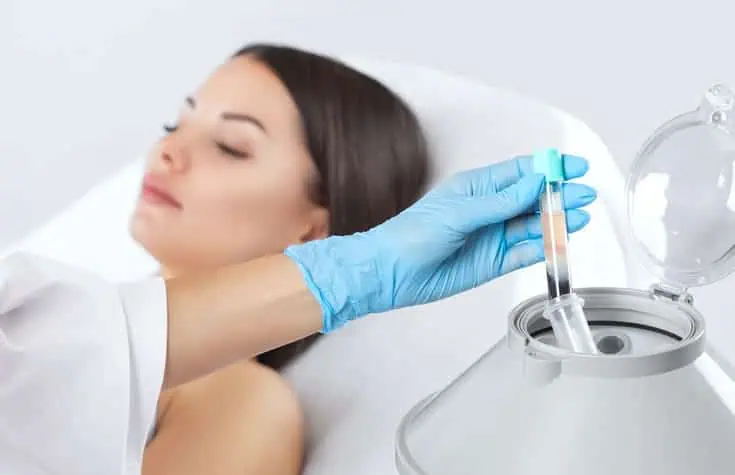
The blood is placed in a centrifuge to separate it into various components. The plasma rises to the top, and the lower part of the plasma layer, which is especially rich in platelets, is what is used for the injections.
The number of injections depends on the size of the area treated, but at least a couple of dozen injections with a small needle are typically needed for best results. Don’t worry, topical and injectable anesthetics can be used to minimize any discomfort.
Microneedling with PRP
In some cases, your provider may recommend adding microneedling to your treatment. Microneedling with PRP is performed by spreading the PRP on the skin and using a dermaroller (which resembles a mini paint roller coated with tiny needles) to create shallow pricks in the skin. The PRP enters the skin through these pricks. Microneedling on its own also boosts collagen production.
Some doctors use both injections and microneedling. “Combining the two approaches can lead to better results because you’re triggering collagen production in both the dermis [the thick layer of skin beneath the epidermis] and the epidermis,” Dr. Loucas explained.
PRP facial downtime
Recovery from a PRP facial is brief. The treated areas of skin may be a little red at first, but the redness fades in a few hours. You may experience minor swelling for a couple of days. Microneedling may also cause slight bruising, which clears up within four or five days.
How many treatments are needed?
A full course of PRP therapy is three treatment sessions spaced eight weeks apart. Improvement builds over time as collagen production increases. You’ll see the most improvement several weeks after you’ve had all three sessions, but many patients say they can see a difference after just one session, according to Dr. Loucas.
To maintain optimal results, consider undergoing maintenance treatments every six to 12 months.
The best candidates for PRP therapy
PRP facials work best when the skin still has a fair amount of collagen in it, said Dr. Loucas. “PRP isn’t very effective once the skin is very thin and has lost elasticity.”
Most people can safely undergo PRP treatments. Those who have severe inflammation in the area to be treated from a condition such as eczema or psoriasis should wait until the inflammation is cleared. People with a severe immune system disorder should talk with their doctor before undergoing treatment.
Possible risks and side effects
Because it uses your own plasma, PRP treatment is generally safe and well-tolerated. While there’s a risk of infection whenever you puncture the skin, the provider takes steps to minimize it. Other risks include injury to the blood vessels or nerves, calcification at the injection site and development of scar tissue.
When it comes to choosing a provider for your PRP facial, training and experience counts.
“There is an art to performing PRP therapy, so you really want to see a knowledgeable provider who won’t administer it robotically,” Dr. Loucas. “That way, you’ll get the best results for your money.”
Written by Jessica Brown, a health and science writer/editor based in Brooklyn, New York. She has written for Prevention magazine, jnj.com, BCRF.org and many other outlets.
Can You Do a Chemical Peel at Home?
Medical review by Shawna Sopher, LME
Whether you shop for skin care products at your dermatologist’s office, a high-end beauty store or your local pharmacy, you’ve probably noticed that nearly every brand now offers a chemical peel you can do yourself at home. The promises seem almost too good to be true: Just apply as directed and you could see improvements such as faded acne scars and fine lines, fewer pimples, less hyperpigmentation and brighter skin — the same benefits you’d get from a professional chemical peel.
But do home peels live up to the hype? And is it safe to do a chemical peel at home? Here’s what to know before you give them a try.
How at-home chemical peels work
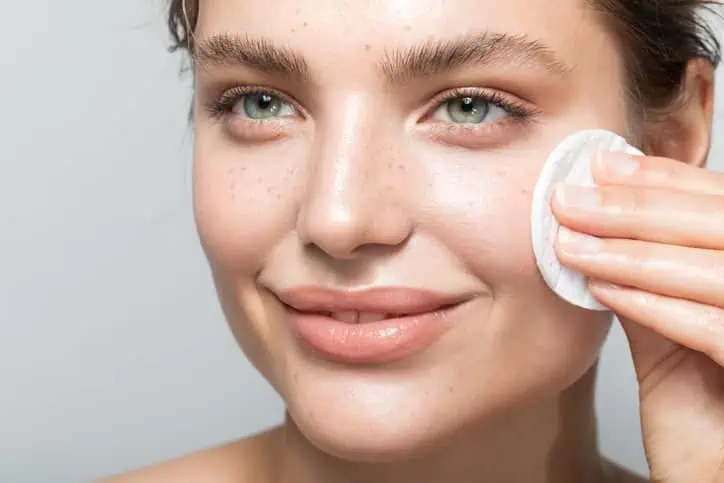
At-home chemical peels come as pre-moistened pads you wipe on your skin or bottled liquids you apply as a mask. The acids exfoliate dead skin cells on the top layer of skin, revealing newer, smoother skin below.
The acids in at-home peel products are similar to those used in the mildest professional peels, but at a much lower concentration. They include alpha hydroxy acids (glycolic acid, lactic acid, citric acid) and beta hydroxy acids (salicylic acid). At-home peels may also include other ingredients such as retinol to boost collagen production, fruit enzymes such as papaya or pineapple to brighten skin and antioxidants such as green tea and vitamin C.
What to expect from an at-home peel
At-home peels are worth doing if a quick radiance boost is your goal.
“It’s important for people to manage their expectations when they use at-home peels because they’re not on par with a peel you’d get from a dermatologist or aesthetician,” said Shawna Sopher, a licensed medical aesthetician at Water’s Edge Dermatology. “Less exfoliation occurs, so you’re not going to see very significant changes.”
The people who benefit the most from at-home peel products are those who also get professional chemical peels. “They’re best used about once a month between your professional treatments in order to maintain results,” Sopher noted.
At-home face peels are particularly helpful if you’re preparing for a special occasion. “They give your skin a nice glow, even if temporarily. So, you might use one the night before an event to help your skin look brighter and smoother,” said Sopher.
Is it safe to do chemical peels at home?
While at-home peels are milder than professional ones, they aren’t risk-free. The biggest problem people run into is buying a peel that isn’t well suited to their skin type.
“Usually when patients ask me about at-home peels it’s because they used one that burned or irritated their face, probably because it was too strong for their skin,” Sopher explained. “There are many different peels on the market that contain varying concentrations of acids, so it’s hard to figure out on your own which one is right for you.”
For the best results, consult with your skincare provider before you buy an at-home peel product. Your provider can help you find a product that’s not too harsh for your skin and contains the right ingredients to treat your complexion issues. If your skin is oily, for example, your provider may recommend a peel that contains salicylic acid, which decreases oil production. If it’s normal to dry, a peel with alpha hydroxy acids may be a better option because they don’t sap your skin’s natural moisture.
It’s also important to make sure you’re a good candidate for an at-home peel. Chemical peels, regardless of their strength, shouldn’t be used by anyone who is pregnant, nursing, taking isotretinoin or has inflamed acne or a sunburn. People with dark skin tones should ask their skin care provider about whether peels are a smart choice for them, since darker skin is prone to developing hyperpigmentation (dark spots).
Once your provider has given you the green light to use an at-home peel, keep these safety tips in mind:
- Shop from a reputable source. Sopher said it’s possible to find professional-strength peels (which should never be used at home) from unreputable sellers online. Stick to stores and sellers you know, or better yet, purchase a product from your dermatologist’s office.
- Don’t make your own. If you find a make-your-own chemical peel recipe online, ignore it. Chances are it was created by someone with no credentials and contains ingredients like lemon juice that can burn your skin.
- Do a patch test first. Test the peel on a small, hidden patch of skin to make sure you don’t have a bad reaction.
- Don’t use a peel more often than directed. You might think you’ll get better results in less time, but your skin will likely become raw and irritated.
If you’re not satisfied with the effects of your at-home peel, talk to your skin care provider. There are plenty of professional treatments that target acne scars, dark spots, and other skin issues and deliver lasting results.
Written by Jessica Brown is a health and science writer/editor based in Brooklyn, New York. Her work has appeared in Prevention, Johnson & Johnson, the Breast Cancer Research Foundation, and many more.
How to Heal Dry, Cracked Hands
Medical review by Ted Schiff, MD
Frequent hand-washing may be key to staying healthy, especially now and during cold and flu season, but it can really take a toll on your skin. That goes double in winter when colder temps and drier air conspire to zap skin of the natural oils that maintain moisture and provide a protective barrier. This can lead to dry, cracked hands.

"People think water is moisturizing, but it's actually drying — when it evaporates, it reduces skin’s natural oils," said Dr. Alissa O’Brien, a dermatologist at Water’s Edge Dermatology. "And if you're using hot water and harsh soap over and over throughout the day, it’s the perfect storm for drying out your skin."
Soap doesn’t discriminate between germs and the skin’s protective oils; neither does the alcohol in hand sanitizer. With frequent use, both can lead to dryness, irritation, and rash-like dermatitis or eczema. They can also lead to cracks in the skin which allow for the entry of germs like staph that make you more susceptible to skin infections.
To curb dry, cracked hands while practicing good hand hygiene, Dr. O’Brien offered this advice:
Wash your hands correctly
- Steer clear of harsh soap. A gentle moisturizing soap (Dr. O’Brien recommends Dove) will get the job done just as well as antibacterial soap, which is more drying and hasn’t proven to do a better job at preventing illness than regular soap. Of course, if your dermatologist has prescribed an anti-bacterial soap due to recurrent infections or other special circumstances, keep using it.
- Wash with lukewarm water. Lukewarm water is as effective as boiling water is at reducing germs. That’s because the goal of hand-washing isn’t to kill germs. "When you wash your hands, the germs get washed off," Dr. O’Brien explained. "They go down the drain." After washing, pat your skin dry. No need for vigorous rubbing, which can disrupt your skin barrier, lead to irritation and cause dry, cracked skin.
Moisturize regularly
"The best thing is literally to moisturize, moisturize, moisturize," said Dr. O’Brien. Moisture after every hand-washing. This will lock in moisture that got into your skin while washing and prevent evaporation that dries out the skin even more. For extra dry skin, apply an ointment at bedtime and then wear a pair of cotton gloves to help seal it in. Ointments can work extra well overnight when skin naturally loses more water.
Opt for ointment or cream moisturizer
Ointments work better than other types of moisturizers because they penetrate the skin better, according to Dr. O’Brien. "That’s why, when we prescribe topicals, we usually pick ointment forms — more medicine gets in that way." She recommends a product like Aquaphor Healing Ointment or a thin layer of petroleum jelly. "It sounds messy, but it’s extremely moisturizing and your hands are going to love it."
If an ointment is messier than you prefer, choose a cream moisturizer, which contains more oil than water-based lotions. Cream moisturizers are also more effective at trapping water in the skin and repairing its barrier function. Here are a few brands to try: Cetaphil, CeraVe, Eucerin, Gold Bond and Aveeno. Ingredients to search out include petrolatum and ceramides. Petrolatum helps block water loss from your skin; Ceramides are a type of lipid (fat) that helps form your skin’s barrier and increase hydration. Ceramides are a key ingredient in CeraVe products.
Be sure to stay away from lotions and moisturizers with fragrances and dyes. "Some dyes can irritate dry skin, so generally, I wouldn’t get the pink frilly one," said Dr. O’Brien.
Choose the right-hand sanitizer
Washing your hands is your best bet at removing all types of germs — even better than hand sanitizer. For instance, according to the Centers for Disease Control and Prevention, hand sanitizers don’t kill the stomach bug or a type of parasite that causes severe diarrhea. However, hand sanitizer is far better than nothing when you don’t have access to soap and water. If using a hand sanitizer, choose one that contains at least 60 percent alcohol and is enriched with an emollient like glycerin or vitamin E to help counteract the drying effect.
Wear gloves
If your hands are frequently immersed in water, such as when washing dishes or washing your car, wearing rubber or latex gloves can prevent the water from stripping away your skin’s oils. Gloves lined in cotton may be more comfortable on dry skin and are easier to put on and take off. Gloves are also recommended if you work with chemicals or plants, especially if you have sensitive skin that is prone to dryness.
Remember the sunscreen
It won’t be your main line of defense against dry, cracked hands, but because the sun can dry out your skin, sunscreen can help prevent further parching. "The sun not only makes dermatitis worse, but skin will be more prone to burning if it’s already irritated," said Dr. O’Brien. She likes CeraVe AM, a moisturizer with an SPF 30.
Written by Karyn Repinski is a Brooklyn, NY-based award-winning health and beauty writer.

Time for Your Child’s Summer Skin Check
With kids out of school, it’s time for fun, sun and a lot of activities. It’s also time to schedule a summer skin check and stock up on sunscreen!
At Water’s Edge Dermatology, we are experts in spotting and treating all kinds of pediatric skin, hair and nail conditions, which is why we are encouraging a summer skin health screening for all children.
Potential Skin Issues in Children
Damage from pediatric skin cancer, acne, warts, eczema, rashes and sun damage could have a destructive impact on a child’s life if left undetected and untreated. That’s why we are sharing these quick facts about potential skin issues in children.
Skin Cancer: Skin cancer in children is on the rise. Though the most serious and deadly form of skin cancer – pediatric melanoma – represents only about 1% of new melanoma cases diagnosed each year in the U.S., malignant melanoma is the most common skin cancer in children and teens. It has increased about 2% each year since 1970. Fair-skinned, light-haired children are at the highest risk, but it’s a good idea for all children to get checked out annually.
Acne: Acne is the most common skin problem in the country. It often begins in puberty but can also affect adults in their 20s, 30s, 40s and even into their 50s. Most acne appears on the face, but it can also show up on the shoulders, upper arms, chest, neck and back. While acne is not curable, your Water’s Edge dermatologist can create a plan that helps treat and prevent breakouts.
Warts: Warts are noncancerous skin growths that are caused by a viral infection in the top layer of the skin. Warts are usually skin colored and feel rough to the touch, but they can also appear dark in color or flat and smooth, depending on their location. In children, warts can disappear without treatment over several months to years. However, warts that are bothersome, painful or rapidly multiplying should be treated. Water’s Edge providers use a variety of treatments, depending on the type of wart and the age of the patient.
Eczema: Eczema is often called “the itch that rashes”. Eczema appears in itchy patches that can be widespread or limited to a few areas like the back of the knee or inside of the elbow. Between 10% and 20% of children develop eczema, and at least 80% of these children will have it before the age of five. If your child has eczema, it’s important to see your Water’s Edge provider and have the condition treated.
Rashes: Skin rashes are very common all year round, but especially in the summer months where the warm weather can cause rashes that irritate skin. Active children can develop a heat rash or get into poison ivy and other plants that may cause rashes. For some children, insect bites can cause an allergic skin reaction, while other children might be exposed to bacterial or viral skin infections that cause rashes. Your Water’s Edge provider can correctly diagnose and treat any skin rash your child may develop.
Sun Damage: Damage from the sun’s rays affects children as well as adults. Sun protection should begin in infancy and continue throughout life. We get about 80% of our total lifetime sun exposure in the first 18 years of life. So, protecting your child’s skin from the sun is very important to prevent skin cancer later in life. Be sure you are using a sunscreen with SPF 30 or higher and wear a t-shirt and hat when in the sun. Also, keep your children out of the sun in the middle of the day from 10am-3pm when the sun’s rays are most intense.
We Care About Skin Health
At Water’s Edge, we care about skin health and early detection of skin illnesses in children. As Florida’s premiere dermatology practice, our team delivers the highest standard of skin care and dermatology services. We are ready, willing and able to help ensure the health of your children’s skin.
Schedule a summer skin check for your children by clicking on the link below, and we will get you set up for an appointment at any one of our 36 offices near you. Schedule a summer skin check now.
TIPS FOR ACHIEVING YOUR BEST SKIN … NO MATTER YOUR AGE
 Skincare from your 20s to your 70s & beyond.
With Valentine’s Day approaching, the team of experts at Water’s Edge Dermatology wants to help you look your best on Valentine’s Day and every day. But did you know your skincare regimen needs to evolve depending on your age and adapting skincare for your age bracket can help you look and feel better? Find your age bracket below and check out our tips for your best skincare routine based on your stage in life.
Your 20s
Your 20s should be all about preventing sun damage, and that means using sunscreen and/or sunblock. It takes about 15 to 20 years for the sun’s damage to appear on your skin, so protecting the skin is critical early on. Products containing titanium or zinc dioxide physically prevent the sun’s rays from reaching the skin, while sunscreen works with the top layer of your skin to absorb UVA and UVB rays before they damage the skin. Sunscreen does not provide as much protection as sunblock. For extra protection, wear a hat when out outdoors.
Regular cleansing and moisturizing with gentle products are also important. Make sure your moisturizer has SPF 15 or 20 and provides both UVA and UVB protection. If you have any skin issues, such as adult acne, find a dermatologist who can design a regular maintenance routine just right for you and treat skin problems early on.
Your 30s
Your body’s ability to renew damaged skin cells begins to decline in your late 20s and early 30s. Skin becomes thinner and finer. As natural cell turnover slows, your skin may also begin to look dull. Your 30s is a good time to begin adding a physical or chemical exfoliant to your routine to help smooth the skin and stimulate cell renewal. Look for moisturizers with Vitamin C plus antioxidants and a night cream with retinol or glycolic acid to stimulate exfoliation and renewal. As fine lines begin to appear, some consider treatment with Botox to prevent those encroaching lines from becoming deeper.
Your 40s
The effects of gravity and sun damage begin to show up in your 40s. Lines become deeper and sun damage may be more apparent as dark blotches, hyperpigmentation, or melasma. To help reduce the impact of these changes, consider laser resurfacing to reduce the appearance of sun damage and stimulate collagen production. A prescription retinoid can help reduce brown spots, increase exfoliation and collagen production, and thicken the epidermis. Some may want to begin incorporating dermal fillers to help diminish fine lines and plump areas of the face that are less supple due to volume loss.
Your 50s
In your 50s, hormonal changes can pile on. Skin begins to lose elasticity and may appear dull. Hyperpigmentation, deep lines, and sagging neck begin to appear. Fortunately, there are many options for restoring skin in your 50s so you look and feel your best. Advanced laser resurfacing or Radio Frequency procedures, chemical peels, Botox and fillers can treat a number of issues that are common in your 50s. You’ll want a complete skincare regimen that helps rejuvenate the skin’s appearance on a daily basis. A trusted team of aestheticians and dermatologist can design the skincare plan that’s just right for you.
Your 60s & Beyond
By the time you reach your 60s, ideally, you’ve been taking good care of your skin throughout your adult life (and don’t worry – even if you haven’t it’s never too late to start). At this stage in life, it is not unusual to begin seeing a variety of age-related skin issues, including precancerous spots from sun damage, spider veins, or more dramatic hyperpigmentation. Menopause can cause a multitude of skin problems including extreme dryness, acne, and rosacea. Your Water’s Edge dermatologist can help with these issues and create a custom plan to care for your skin.
No matter your age, the Water’s Edge Dermatology team can help restore your skin so you look and feel your best. Request an appointment for a skin evaluation so we can help you achieve your best skin health. Request an appointment.
What to Expect from a Chemical Peel
Are you ready to reduce the appearance of sun damage, wrinkles, skin discoloration, or acne scars for a healthier, clearer, and brighter complexion? If so, skin-resurfacing with a chemical peel may be a right choice for you.
Types of chemical peels
Depending on the results you’d like to see, chemical peels can be done at different depths: light, medium, or deep. Each type of chemical peel uses a different chemical solution, and your choice of light, medium, or deep depends on the skin issues you are treating. During your consultation, your provider will make a recommendation based on your concerns, goals, and the level of down-time involved.
- Light chemical peel. This treatment removes the outer layer of skin (epidermis) and is used to decrease the appearance of fine wrinkles, acne, uneven skin tone, and even skin dryness. A light chemical peel can be repeated as often as every two to five weeks.
- Medium chemical peel. This treatment removes skin cells from the epidermis and from the upper portion of the middle layer of skin (dermis). This type of peel is used to treat wrinkles, acne scars, and uneven skin tone. A medium peel can be repeated after three to four weeks, then every three to four months to maintain best results.
- Deep chemical peel. This treatment removes skin cells from the epidermis and from the mid to lower layer of the dermis. A deep peel may be recommended to treat deeper wrinkles, scars, or precancerous growths. A deep chemical peel is dependent on your provider’s discretion and typically is only performed once.
The procedure
Once you and your dermatologist or clinician decide that you are a good candidate for a chemical peel, there are some precautions to take before your treatment, which include:
- Wear sunscreen. In order to help prevent irregular pigmentation in the treated areas of skin, be sure to use sunscreen at least four weeks before your appointment.
- Avoid these cosmetic and hair removal treatments. A week before your scheduled chemical peel appointment, be sure to avoid skin bleaching or facial scrubs. Also, avoid hair-removal laser treatments, waxing, or use of depilatory products on the area to be treated.
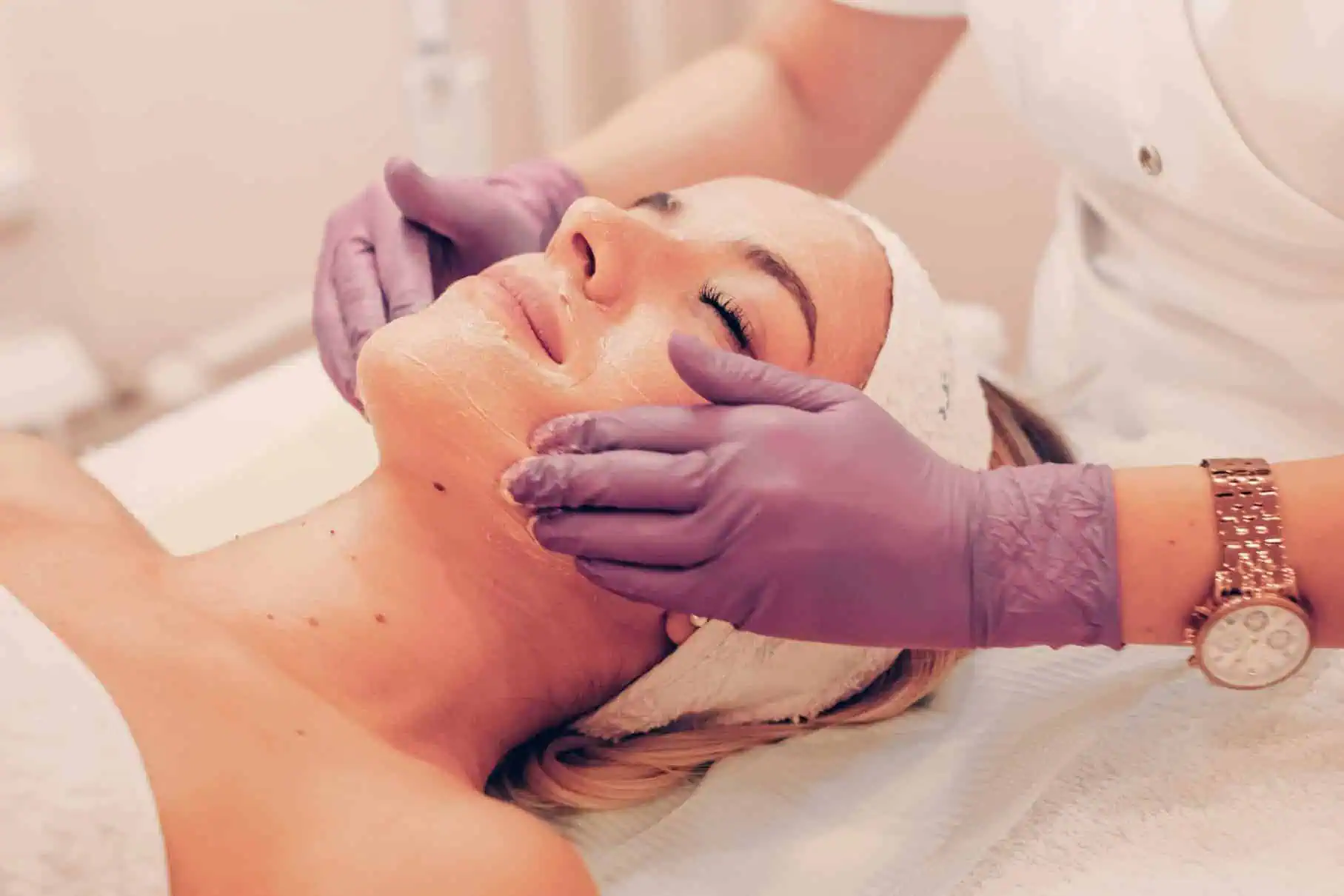
Chemical peels are performed in your dermatologist’s office. At the beginning of the treatment, your provider will clean your face and may cover your eyes with ointment, gauze, tape, or goggles. Before a deep chemical peel, your provider may numb your skin with a local anesthetic.
During a light chemical peel, your provider will use a brush, cotton ball, gauze, or sponge to apply a solution which might sting mildly while on your skin. Your provider will apply neutralizing solution to remove the chemical solution at the end of the procedure.
During a medium peel, your provider will apply cool compresses to your skin after the chemical treatment. You might feel stinging for up to twenty minutes.
After a light peel, treated skin may be red, dry, and mildly irritated. Your provider might apply a soothing, protective ointment or additional correctives. Expect treated areas to take one to seven days to heal.
After a medium peel, your treated area will be red, tight, and swollen. Your provider might recommend using ice packs. Treated areas take about one to two weeks to heal.
After a deep peel, you’ll experience redness, swelling, and skin burning. Your provider may apply a watertight dressing. Treated areas may develop new skin in about two weeks.
Results
Following your procedure, you’ll see improved skin texture, tone and decrease in appearance of wrinkles. Results are more dramatic if you have a medium or deep chemical peel. Because new sun damage can reverse your results, be sure to wear sunscreen on the treated area to protect your skin. Maintain and amplify your achieved results with a personal at-home skincare regimen.
Give yourself the gift of a more youthful and healthier look. Click here to request an appointment today to get started.