

Don't Spray Sunscreen on Kids ... At Least for Now
The Food and Drug Administration announced last month that it was investigating the potential risks of spray sunscreens. Of particular concern to us is the possibility that people might accidentally breathe in the ingredients, a risk that’s greatest in children, who — as any parent knows — are more likely to squirm around when they’re being sprayed.
As a result, we now say that until the FDA completes its analysis, the products should generally not be used by or on children. We have also removed one sunscreen spray — Ocean Potion Kids Instant Dry Mist SPF 50 — from the group of recommended sunscreens in our sunscreen ratings, because it is marketed especially for children.
Finally, we would like to reemphasize our longstanding advice that you use sprays carefully, by following these tips:
- Don’t use sprays on children, unless you have no other product available. In that case, spray the sunscreen onto your hands and rub it on. As with all sunscreens, be especially careful on the face, taking care to avoid the eyes and mouth.
- Adults can still use sprays — but don’t spray your face! Instead, spray on your hands and rub it on, making sure to avoid your eyes and mouth. And try to avoid inhaling it.
- Make sure you apply enough. Our tests have found that sprays can work well when used properly — but it is harder to make sure that you apply enough, especially when it’s windy. We recommend spraying as much as can be evenly applied, and then repeating, just to be safe. On windy days, you might want to spray the sunscreen on your hands and rub it on — or just choose one of our recommended lotions instead.
This entry was shared from Consumer Reports.
Baby Skin Care
There is nothing like a newborn baby’s super smooth skin. No doubt, you have plenty on your mind with a newborn, so the good news is the old adage "less is more” applies to caring for your newborn’s skin. Your baby’s immune system is developing, so stay away from products with chemicals, fragrances, and dyes that may be present in clothing, detergents, and baby products. These things can lead to newborn skin irritation, dryness, chafing, and rashes.
Resist the urge to bathe your baby too frequently. Any more than three times a week will remove the natural oils that protect baby's skin. That leaves baby's skin vulnerable, so it reacts to any potential allergen and may trigger a reaction like eczema.
Don't use baby products in the early months. The immune system is still developing. If you have a family history of skin problems, allergies, or asthma, it's especially important to protect your baby's immune system, and protect baby from irritating allergens.
Wash baby's clothing before it's worn. Use only baby laundry detergents that are fragrance- and dye-free. Wash baby clothes, bedding, and blankets separately from the family's laundry.
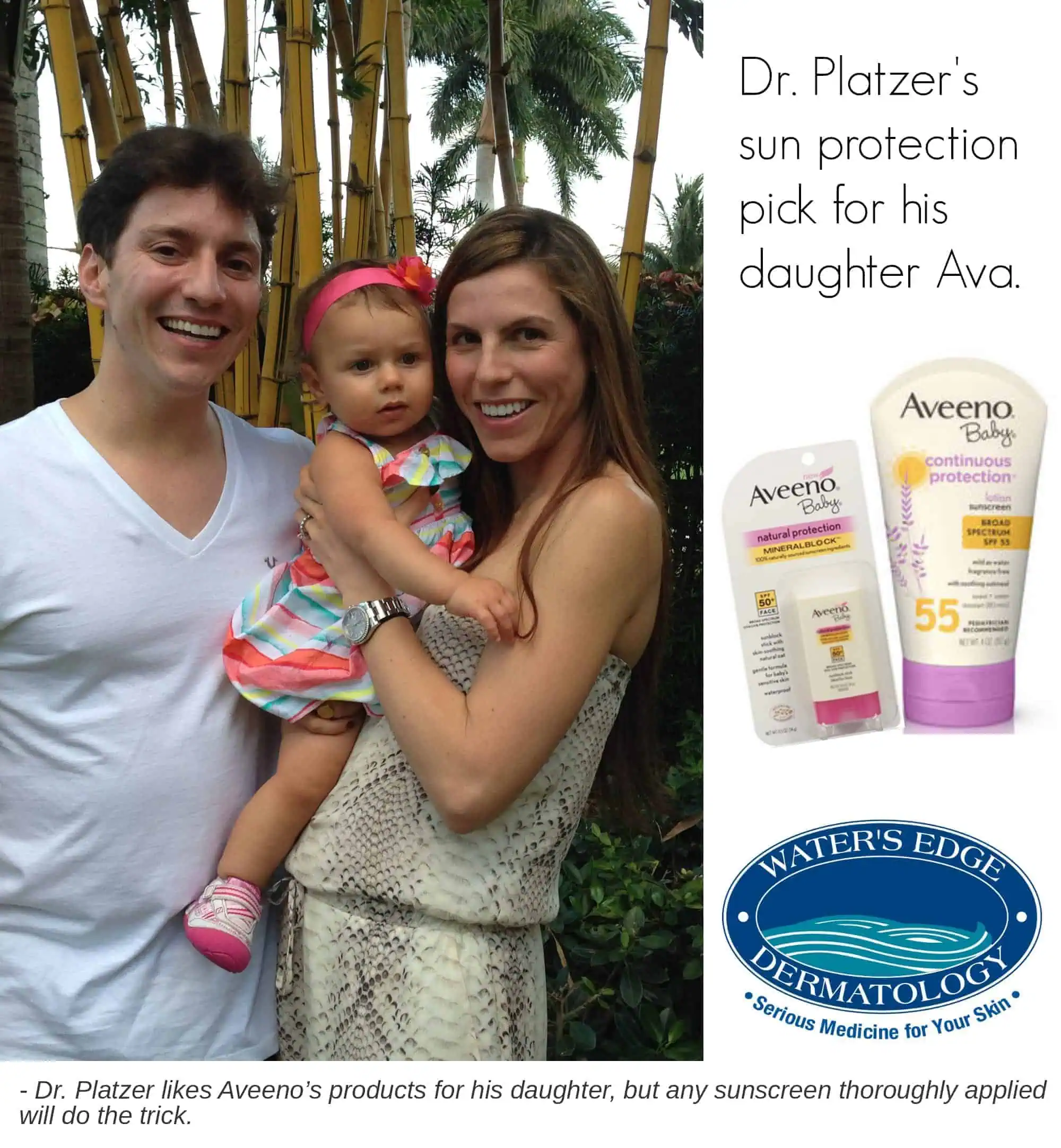
Always protect your baby from the sun. Just a few serious sunburns can increase your baby's risk of skin cancer later in life. The American Academy of Dermatology recommends using a broad-spectrum sunscreen with an SPF of 30 or more.
If your baby is 6 months or older, liberally use sunscreen. Also, avoid exposing your baby to the sun during peak hours — generally 10 a.m. to 2 p.m. — and dress your baby in protective clothing, a hat with a brim and sunglasses.
If your baby is younger than 6 months, keep them out of direct sunlight. Protect your baby from sun exposure by dressing him or her in protective clothing, a hat with a brim and sunglasses.
Sunscreen is Beauty’s New Best Friend
We all know sunscreen is an important step in protecting yourself from skin cancer and those painful sunburns. But did you know there is a new reason to slather it on? Water’s Edge Dermatology wants to encourage you to take a couple minutes to reapply sunscreen and make your skin look younger. The National Health and Medical Research Council of Australia funded a study to look for the truth in sunscreen use and dietary supplements such as beta-carotene. After reading their findings, you’ll be searching for that sunscreen bottle.
The researchers down under found more than 900 people under the age of 55 to either slather on sunscreen as per instructions or to keep up their usual routine. They were also given either a beta-carotene supplement or a placebo to test out the effects of dietary supplements meant to prevent skin damage and aging.
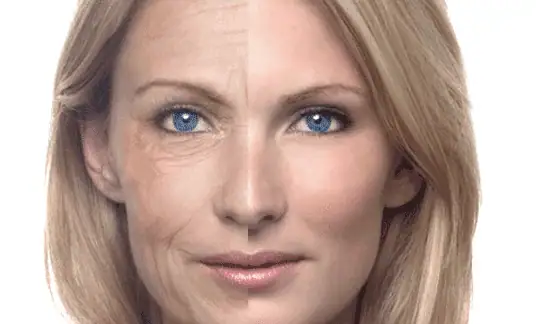
After four years of keeping track of all these people’s sunscreen regimen, researchers found that regular sunscreen use does slow the aging of skin while the beta-carotene supplement had no overall effect. The people who reapplied sunscreen on the hour and after getting wet were 24% less likely to show increased aging.
The main reason is the ability of UV-A rays to break down the collagen and elasticity of skin. Collagen isn’t only used to make your lips pouty, it holds your skin together and keeps it looking young. When collagen can’t do its job because of all the UV-A exposure, your skin begins to lose the battle for elasticity and a youthful experience.
So, even if it takes a couple minutes out of your day here or there, try to reapply whenever you can. Water’s Edge even sells non-oily sunscreen. Not only will it help prevent skin cancer, it’ll keep you looking pretty for longer.