Water’s Edge Dermatology specializes in Mohs micrographic surgery, a highly effective technique for removing skin cancer. The procedure was developed in the 1930s by Dr. Frederic Mohs at the University of Wisconsin and is now practiced throughout the world.
Mohs surgery differs from other skin cancer treatments in that it permits the immediate and complete microscopic examination of the removed cancerous tissue, so that all “roots” and extensions of the cancer can be eliminated. Due to the methodical manner in which tissue is removed and examined, Mohs surgery has been recognized as the skin cancer treatment with the highest reported cure rate.
Typically, Mohs surgery is performed as an single visit and procedure in your Water’s Edge Dermatology office. The patient is awake during the procedure and will experience minimal discomfort.
The Mohs procedure at our Florida offices involves removing the visible portion of the skin cancer, along with a layer of the surrounding skin. The removed tissue is then divided into sections, color-coded and processed to create microscope slides. These slides are immediately examined by one of our expert Water’s Edge Mohs surgeon, who reviews the undersides and edges of each section microscopically for evidence of remaining cancer cells.
If cancer is present in the tissue on the slides, another layer of tissue is removed. It is important to note that any additional tissue removed is only removed from the area(s) where cancer cells are still evident upon microscopic examination. This process is repeated until no further evidence of cancer remains.
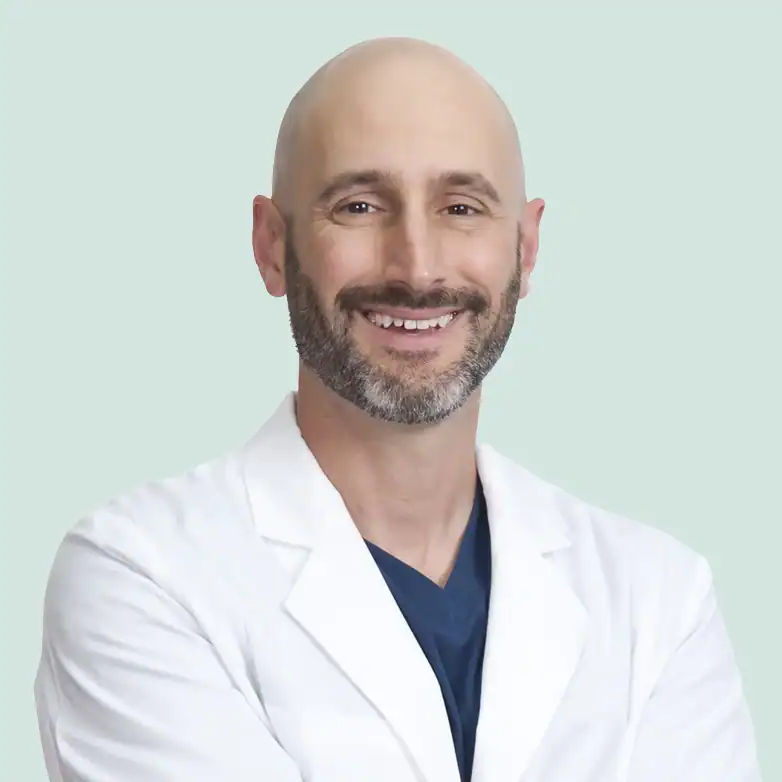

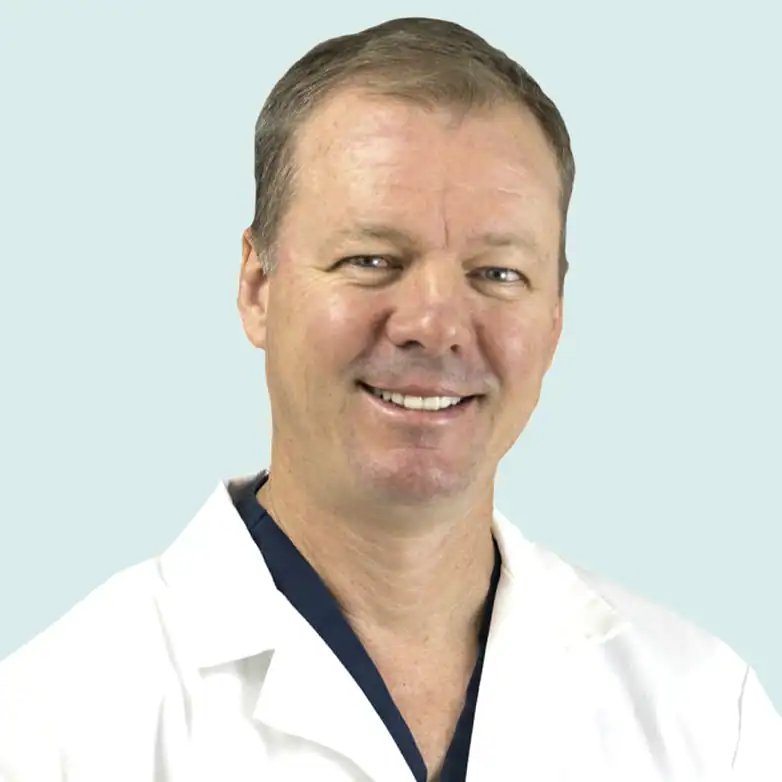
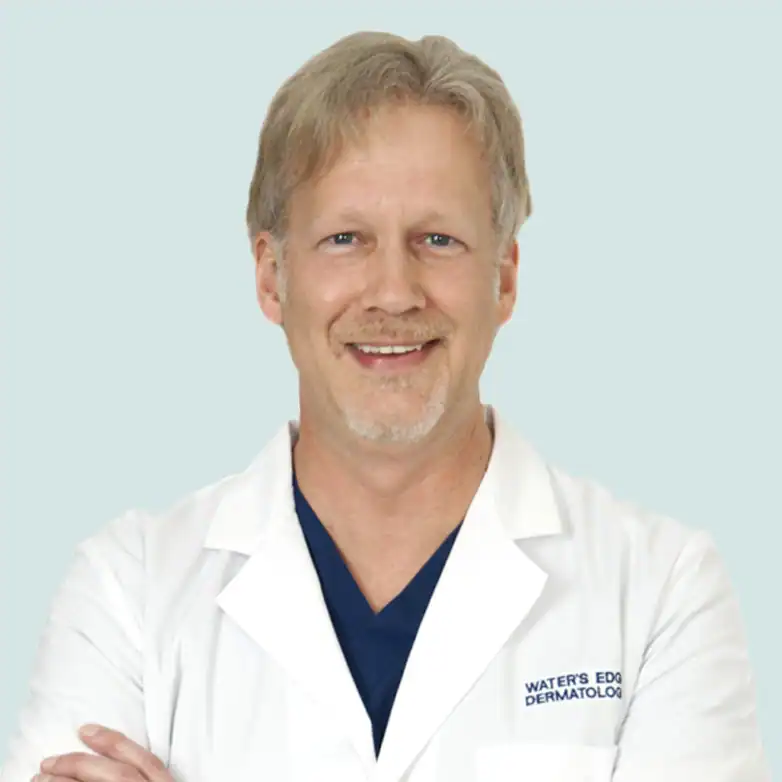

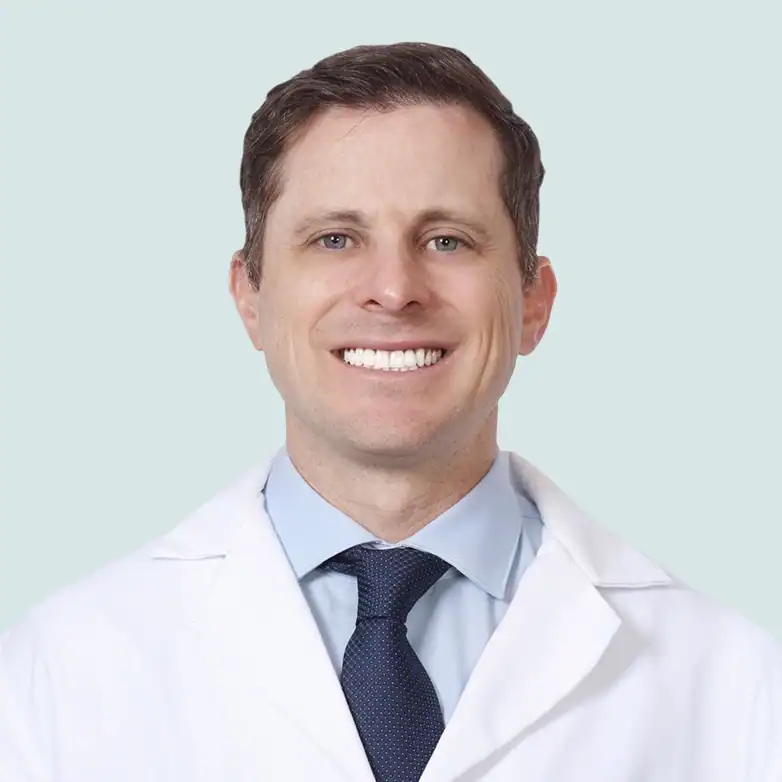
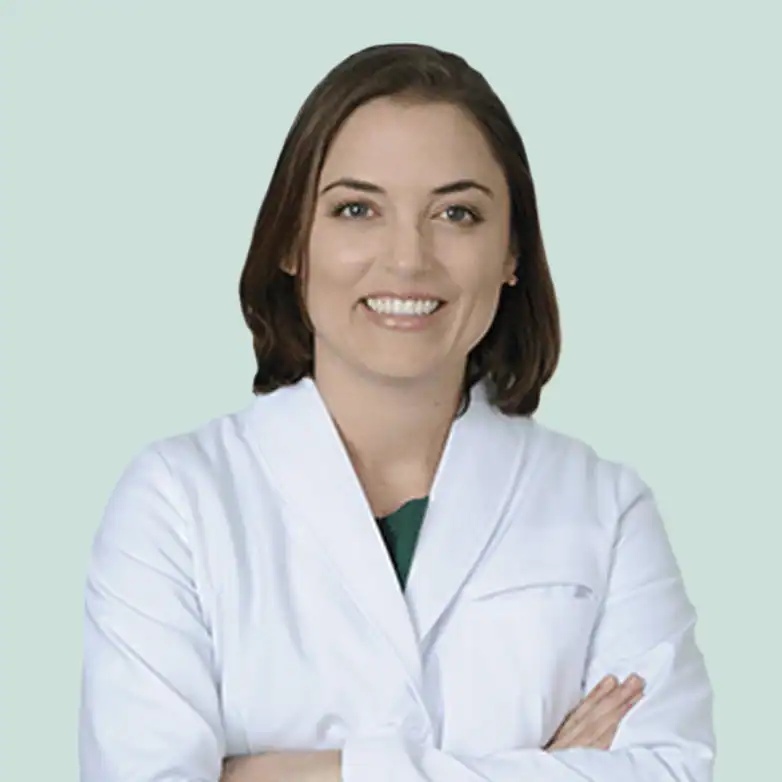
Mohs Surgeons: Training and Experience
Residency training in dermatology provides the skill set from which the Mohs micrographic technique is derived: skin cancer pathology, cutaneous histopathology, dermatologic surgery and the repair of complex surgical defects. These skills are further enhanced during residency and, once in practice, through repeated observation and performance of the Mohs technique.
Formal Mohs fellowships are available post-residency and include challenging medical education courses with an emphasis on Mohs surgery and observing other highly experienced Mohs surgeons. Further advancement and refinement of surgical skills allows a Mohs surgeon to treat more complex Mohs cases.
Special Qualifications of Mohs Surgeons
The Mohs surgeons at Water’s Edge Dermatology have specialized skills in dermatology, dermatologic surgery, dermatopathology and Mohs surgery. Basic and advanced training in Mohs surgery is available through selected residency programs, specialized fellowships, observational preceptorships and intensive training courses.
In addition, your Water’s Edge Dermatology Mohs surgeon has the required surgical and laboratory facilities needed to perform the procedure, and is supported by a well-trained Mohs nurse and histotechnological team.
Your Water’s Edge Dermatology Mohs surgeon can provide you with detailed information regarding his or her training in the above disciplines, as well as all applicable professional affiliations.
We Take a Team Approach to Skin Cancer Treatment
In an effort to provide the best possible medical care at Water’s Edge Dermatology, Mohs surgeons sometimes treat patients in partnership with other specialists such as oculoplastic surgeons, ENT (ear, nose and throat) specialists, oral surgeons, plastic surgeons and radiation oncologists.
Mohs Surgery FAQs
Mohs surgery is the preferred treatment for skin cancer found in the eyelid, nose, ear, finger, toe and genitalia, where preserving the maximum amount of surrounding healthy tissue is critical for functional and/or cosmetic purposes. Mohs surgery is also used to remove previously treated skin cancer that has recurred, skin cancer containing scar tissue, large areas of skin cancer, skin cancer with undefined borders and skin cancer that demonstrates unusual growth patterns.
Skin cancer with aggressive subtypes, such as sclerosing or infiltrating basal cell carcinomas, may also require Mohs surgery. A highly skilled dermatologist considers a number of factors in determining whether Mohs surgery is the best treatment option for each case of skin cancer.
If you have any type of suspicious skin lesion, you should seek evaluation by a qualified dermatologist. If skin cancer is suspected, he or she may recommend and perform a biopsy. Mohs surgery may be recommended based on the type and location of the skin cancer, as well as other factors. If your dermatologist does not perform this technique, he or she will be able to refer you to a Mohs surgeon in your area.
Mohs surgery is typically slightly more expensive than other skin cancer treatments because it involves a special multistep process. It is important to consider the effectiveness (five-year cure rates, approaching 99% for new cancers and 95% for recurrent cancers) and advantages of the Mohs technique (healthy tissue sparing capabilities, lower recurrence rate, etc.) in examining the total cost. Our billing specialists can provide you with estimated insurance reimbursement rates and/or possible payment plan information.
Most insurance policies, including Medicare, cover Mohs surgery and any reconstruction needed at the site of the surgery (if necessary). Please enlist the aid of your employee benefits administrator and/or our billing specialists to determine the out-of-pocket expenses you may incur from Mohs surgery.
All surgical procedures have the potential for some degree of visible scarring. The appearance of a post-Mohs surgical scar depends on several factors, including size and location of the skin cancer, individual skin characteristics and the reconstruction options available. You should keep in mind, however, that the tissue-sparing technique of the Mohs procedure may result in a smaller, less noticeable scar than other skin cancer removal methods. The Mohs surgeon also may be able to incorporate suture lines into natural skin lines and folds. Most scars improve in appearance naturally over time, and future scar revision techniques may be employed if necessary.
If you choose to have Mohs surgery to remove the skin cancer on your face, Water’s Edge Dermatology recommends that the surgery be performed by a dermatologist with specialized training in Mohs surgery. Not only are Mohs surgeons skilled at this particular procedure, but they are also trained in the histopathology component of the procedure (examining the tissue samples for evidence of cancer throughout the procedure). At Water’s Edge Dermatology, our Mohs surgeons are highly skilled at Mohs surgery and using techniques to minimize scarring, such as incorporating suture lines into your natural skin lines and folds. For the most complex cases, we also have plastic surgeons on staff to assist.
Another option you have at Water’s Edge is Electron Beam Therapy (Radiation), which is a non-surgical method of treating skin cancers. Water’s Edge Dermatology is one of the only dermatology practices in Florida who offers this alternative surgery option to its patients. With a high success rate and excellent cosmetic results, electron beam therapy might be a good option for you. Read more about it here.
There is no formal board certification process specific to Mohs surgery, as the procedure represents a technique utilized by dermatologists to treat skin cancer. American Society for Mohs Surgery (ASMS) Fellow and Affiliate members must be board-certified in dermatology by the American Board of Dermatology or the American Osteopathic Board of Dermatology. The surgical, histopathologic interpretation and reconstruction components of Mohs surgery are learned by dermatologists during their residency training. In addition, dermatologists are examined in these areas by their respective boards.
Some skin cancers can be deceptive in size – meaning, they appear small on the surface of the skin, but are far more extensive under the skin. These cancers may also have “roots” in the skin or along blood vessels, nerves or cartilage. Additionally, skin cancers that have recurred following previous treatment may send out extensions, or roots, deep under the scar tissue that has formed at the site. Mohs surgery is specifically designed to remove these cancers by tracking and removing these cancerous roots.
For this reason, it is impossible to predict how much skin will have to be removed during Mohs surgery prior to the procedure. The surgeon may only have to remove a little more skin than what is initially seen on the surface but occasionally, more skin needs to be removed due to the presence of deep roots of a skin cancer. It is important to remember that Mohs surgery removes only the cancerous tissue – the healthy, normal tissue is left untouched. Removing the roots of the skin cancer also greatly reduces the likelihood of recurrence.
Clinical studies have shown that Mohs surgery provides five-year cure rates, approaching 99% for new cancers and 95% for recurrent cancers.
What To Expect: Mohs Micrographic Surgery
1. Preparing for Mohs Surgery
If you are taking prescription medications, continue to take these unless otherwise directed by a physician. However, you should inform your Water’s Edge Mohs surgeon if you are taking blood-thinning medications such as Coumadin, Plavix, aspirin, aspirin substitutes (such as Advil, Motrin, Naprosyn, etc.), vitamin E, gingko, garlic, ginseng, ginger, ephedra or other nutritional supplements. These medications and supplements can sometimes cause an increased chance of bleeding after surgery. Prescription blood thinning medication should never be discontinued without approval of the prescribing physician.
2. After Surgery
Most patients do not complain of significant pain. If there is some discomfort, normally Tylenol (acetaminophen) provides adequate relief. However, stronger pain medications are available and will be prescribed when needed. You may experience some bruising and swelling around the wound, especially if surgery is performed near the eye area.
3. Wound Healing, Scarring and Scar Revision
As with all forms of surgery, a scar will remain after the skin cancer is removed and the surgical area has completely healed. Mohs micrographic surgery, however, will leave one of the smallest possible surgical defects and resultant scars. Often, wounds allowed to heal on their own result in scars that are barely noticeable. Even following extensive surgery, results are frequently quite acceptable.
In addition, scars do have the ability, through the body’s own natural healing properties, to remodel and improve in appearance for a six- to 12-month period. There are also many other techniques available to the patient for enhancement of the surgical area following skin cancer surgery.
Depressed or indented scars may be elevated using a facial filler such as Radiesse or Sculptra. Likewise, a raised or roughened scar may be smoothed using laser resurfacing or chemical peeling techniques. Skin flaps and grafts also may require a subsequent touch-up procedure to further improve their appearance. Talk to your surgeon or other members of your Water’s Edge Dermatology team to understand what options are a good fit for your situation.
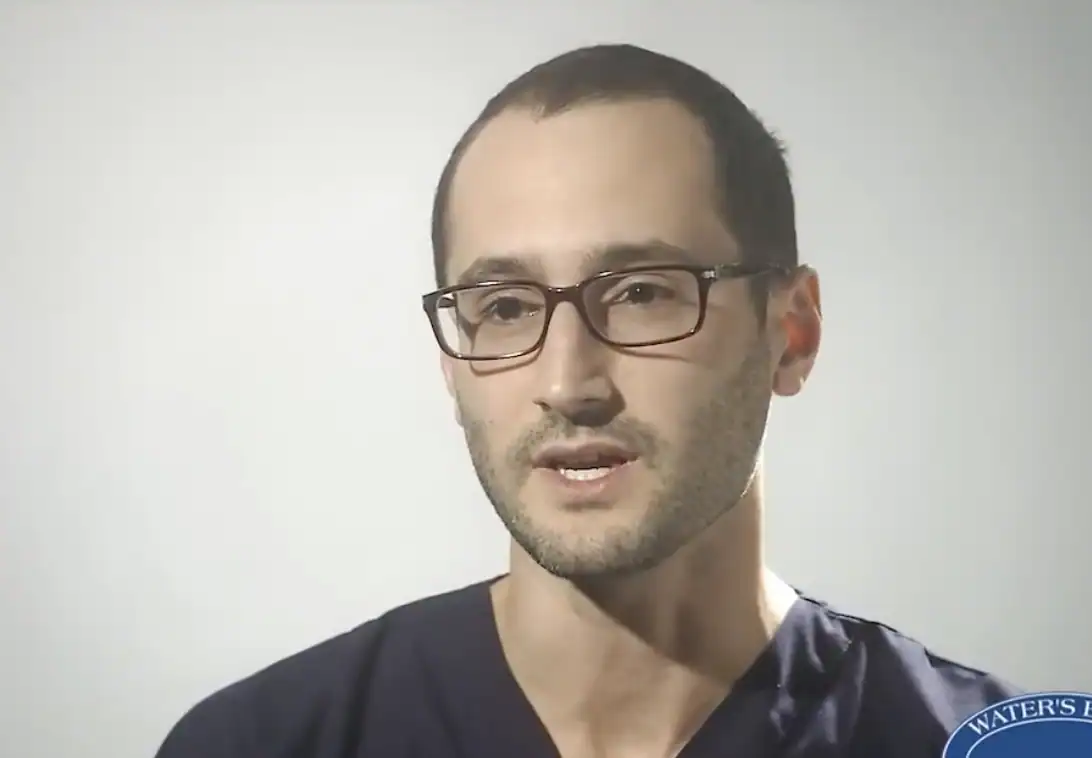
Water's Edge Video About Mohs