

Does Stress Cause Acne?
Medical Review By: Dr. John Minni
Pimples have a way of showing up at the worst possible time. Days or hours before a wedding, a reunion, a hot date, or a big presentation at work, a big fat blemish (or two, or three) appears, giving you yet another reason to feel stressed.
But does stress actually cause acne? Not exactly.
“There are several causes of acne, but stress isn’t one of them,” said John Minni, DO, a board-certified dermatologist at Water’s Edge Dermatology. “If you already have acne, however, stress can make it more severe.”
The stress-acne connection
Genetics and fluctuating levels of androgen hormones during puberty, menstruation, pregnancy, and menopause are two main factors that set the stage for acne. Taking certain medications, such as birth control pills, lithium, and corticosteroids, can also make people susceptible to acne.
Stress won’t give you acne if you’re not already predisposed to it, but it can make acne worse by causing levels of certain hormones to temporarily increase.
“When your fight-or-flight response is activated, the body releases stress hormones, such as cortisol and androgens,” Dr. Minni explained. “These hormones increase your skin’s oil production, which can exacerbate acne.”
Stress, anxiety, and fear might also worsen acne by triggering the production of cytokines, tiny proteins that stoke inflammation, including inflammation of the area around sebaceous glands, the glands that produce oil.
Stress-related disruptions in healthy habits play a role, too. “When you’re anxious, you may not sleep or eat as well as you normally do, which can worsen acne,” Dr. Minni said.
Some people turn to smoking, which is linked to an increase in blemishes. Others pick at their skin when they’re stressed, which can make blemishes more irritated and inflamed.
How to prevent stress-related acne breakouts
You can’t avoid stress altogether, but if you’re prone to acne, you can take steps to limit the effects stress has on your skin.
Develop a stress-relief habit
Dr. Minni encourages patients to embrace practices that relieve stress, whether it’s regular exercise or relaxation techniques such as yoga, meditation, or deep breathing, all of which can lower cortisol levels.
Follow an acne diet plan
There is no acne diet per se. But research suggests there are some foods that cause acne, or at least foods that make breakouts more likely in certain people. And they are some of the same foods we tend to “stress eat.”
“When people are stressed, they tend to eat more processed and sugary foods, which can increase inflammation and oil production,” said Dr. Minni. Studies suggest that swapping high-glycemic foods (think white bread, white rice, cookies and soda) for low-glycemic ones (think fruits, vegetables, beans and whole-cut oats) can make acne less severe.
Pre-plan for an important event
Finally, if you have an important event coming up and you’re determined to avoid stress-related acne flares, talk to your dermatologist.
“Certain treatments can be used temporarily to head off stress acne that doesn’t require any downtime, such as anti-inflammatory medications, gentle facials, and light therapy,” said Dr. Minni.
“For an event such as a wedding or the prom, where your appearance is particularly important, your dermatologist may recommend something stronger, such as low-dose steroids, to help you look your best.”
Contact Our Acne Dermatologists at Water's Edge Dermatology
Article Written By: Jessica Brown, a health and science writer/editor based in Brooklyn, New York. She has written for Prevention magazine, jnj.com, BCRF.org, and many other outlets.
Medical Review By: Dr. John Minni

Teen Acne Isn’t Just a Cosmetic Problem
Medical review by John Minni, DO
If you’ve ever had acne, you know how frustrating it can be. But for some people, it’s more than frustrating.
“Many people think that acne is just a cosmetic issue, but the condition can lead to depression and anxiety, and teenagers are particularly vulnerable,” said John Minni, DO, a board-certified dermatologist at Water’s Edge Dermatology.
“They’re at a stage when they’re trying to fit in and establish their identity, so it’s disheartening for them to be constantly reminded of their acne, whether they’re looking in the mirror or other people point it out.”
Scientists have long suspected that acne and depression were linked, as well as acne and anxiety. In 2020, a review of 42 studies published in the Journal of the American Academy of Dermatology confirmed these associations. The authors advised dermatologists to pursue aggressive treatment in patients with acne and to consider screening them for mental health issues or referring them to a mental health professional.
Teen acne has wide-ranging effects
Coping with acne, regardless of its severity, can affect nearly every aspect of a teen’s life, Dr. Minni said.
“Acne can contribute to low self-esteem and a poor self-image and make teenagers a target for bullies,” he explained. “As a result, they may try to make themselves invisible.” They may avoid speaking up in class, trying out for sports, joining clubs and hanging out with friends, or making new ones.
Acne can make grooming difficult for teenage boys who are starting to shave and may struggle to avoid nicking blemishes. Body acne may limit clothing choices. Teens ready to date may worry that no one will find them attractive.
Even though many teens get acne, it can create a feeling of loneliness.
“Teenagers are bombarded with images and videos of people with perfect skin, especially on social media sites such as Instagram, that can make them feel like they’re the only person who struggles with acne,” Dr. Minni said. They may not realize that in many cases the photos have been retouched or the person is wearing heavy makeup.
Who’s at risk for acne-related depression and anxiety?
Not every teenager with acne will develop emotional health problems. And not all cases of depression and anxiety in teens are related to acne.
“Acne can be a big instigator of depression and anxiety, but these illnesses are multi-faceted,” Dr. Minni says. “Battling acne may simply be the tipping point for teenagers who are already vulnerable to depression and anxiety due to genetics and environmental factors such as lack of social support.”
Gender may also play a role. Studies have shown that teen girls suffer more emotional distress due to acne than boys. However, the gap appears to be narrowing, according to Dr. Minni.
“The pressure on teen boys to meet certain standards of attractiveness has increased significantly over the years,” he said. “But the good news is that boys are now more likely to see a dermatologist for their acne. It used to be that ‘tough guys’ didn’t do that.”
Acne treatment for teens is critical
Treating acne early on can help reduce the risk of harmful psychological effects. If a teenager has already started showing signs of depression and anxiety related to acne, prompt treatment can help ease or resolve their symptoms, Dr. Minni noted.
“Early intervention is also important because fewer blemishes mean there are fewer opportunities to develop acne scars,” he added. “These scars may be permanent and can cause a lot of distress for years to come.”
Acne does sometimes respond well to over-the-counter cleansers and treatments, but many teens will need to see a dermatologist get results. If OTC products don’t lead to significant improvement after three months of regular use, that’s a sign to see a dermatologist.
“Parents and teens should know that dermatologists have more options for treating acne than ever before that are simple, safe, and affordable,” Dr. Minni said. “Teenagers can get extraordinary results from acne treatment, and that can help restore their confidence.”
Written by Jessica Brown, a health and science writer/editor based in Brooklyn, New York. She has written for Prevention magazine, jnj.com, BCRF.org and many other outlets.
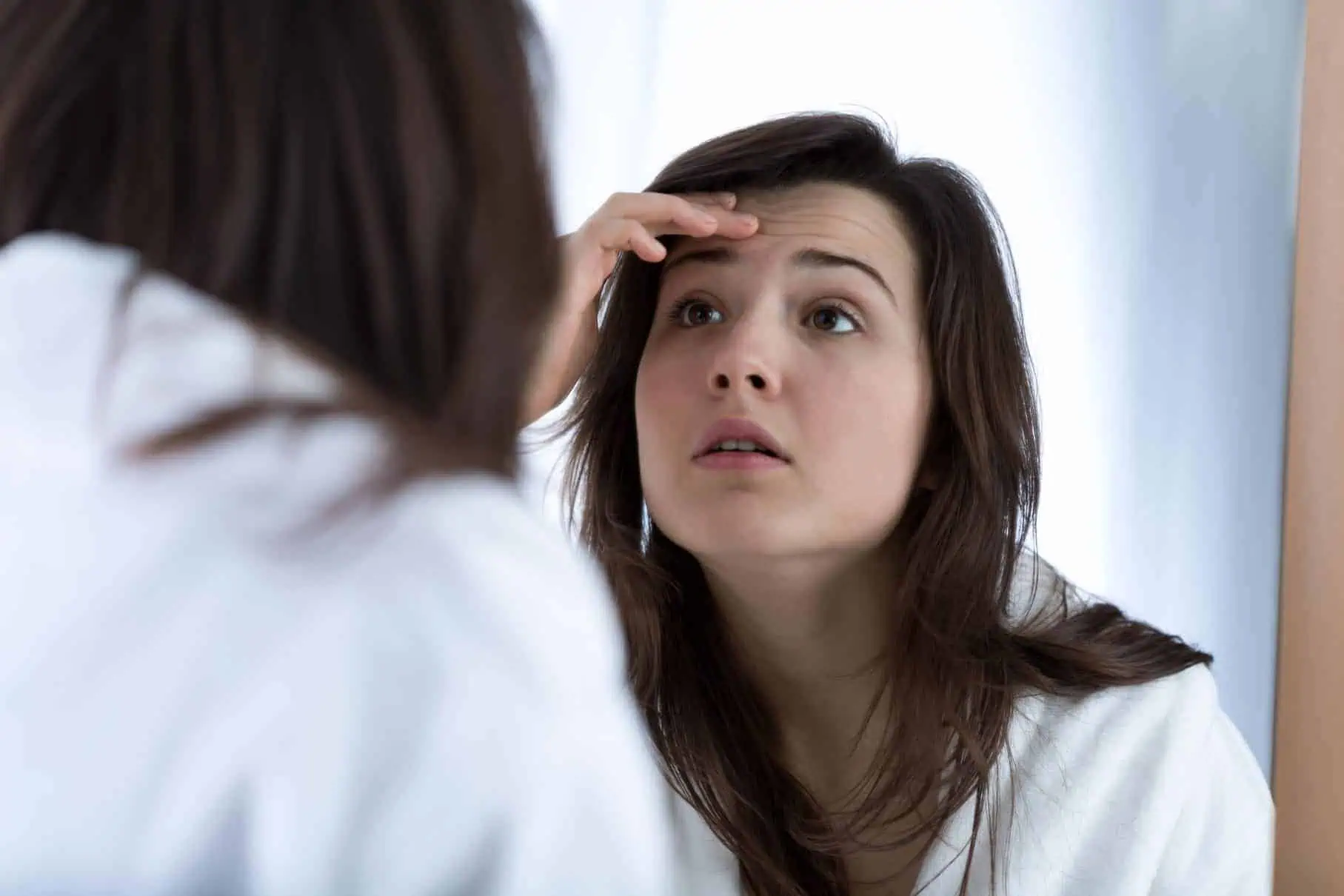
5 Tips to Help Your Teen Overcome Acne
Acne is the most common skin disorder in the U.S. and affects 40 to 50 million Americans. Just when appearance often becomes so important to teens acne can strike and strike hard. By the mid-teens, more than 40 percent of adolescents have acne.
At Water’s Edge Dermatology, teens come to see our acne experts tens of thousands of times each year. We know that acne can take a toll on a teen’s outlook on life, social adjustment, and even school performance. Studies show that teen acne can result in lower self-esteem, poor body image, social withdrawal, depression, anger, and frustration.
The good news is that there are things that parents can do to help teens overcome acne, starting with these five steps from the American Academy of Dermatology (AAD):
Tip 1: Take acne seriously
Telling your teen that acne will clear up on its own may do more harm than good. Kids with acne may be bullied and called names like “pizza face” or “crater face.” Studies have shown that when acne clears, self-esteem also rises. Treatment can help prevent acne from getting worse. Without treatment, acne sometimes becomes severe and may leave permanent scars.
Tip 2: Be cautious about reminding your teen to use acne treatment
It’s true that for treatment to work, your teen must use it. But because they are teenagers, daily parental reminders sometimes feel like nagging and may actually backfire. Fewer reminders may be more effective. Do help your teen keep all of their dermatology appointments. Studies have shown that teens are more likely to follow a treatment plan right before and after an appointment.
Tip 3: Reduce stress
Just about everything can be stressful during teenage years. Stress can cause acne to flare up, so do what you can to reduce stressful situations for your teen, encouraging physical activity, build into their schedules downtime to chill out, and share the importance of just taking a moment to pause and take a deep breath.
Tip 4: Watch for signs of depression
Acne can affect how teens feel about themselves and can lead to depression, anxiety or both. Watch for these signs:
- Sadness lasting 2 weeks or longer
- Loss of interest in activities your teen once enjoyed
- Avoiding social activities
If you spot any of these behaviors, seek professional counseling to help you help your teen. At some point, once you are confident your teen is ready, consider seeing a dermatologist for acne treatment.
Tip 5: Let your teen have the freedom to meet with the dermatologist alone
Allowing your teen the opportunity to meet with the dermatologist without you in the room can help the doctor find out what your teen wants, develop a treatment plan that makes sense to the teen, and create a trusting medical relationship that will make it more likely that your teen will follow treatment regimens and keep follow-up appointments.
Water’s Edge dermatologists can treat your teen’s acne and help prevent new breakouts from occurring, with several treatment options customized to meet your teen’s needs. Click here to request an appointment.
What’s New & Effective in Acne Treatments?
For teenagers and adults alike, acne is a difficult condition to live with. Finding the right acne treatment for your unique skin can be even more challenging. Anyone who's struggled with acne will tell you it can flare up at any time, for no apparent reason. Being prepared with expert advice and effective treatment options is key to managing the most common skin problem on earth — with about 80 percent of adults having suffered with acne issues at some stage of life.
For some people, using the same topical spot cream can work for years. Others try every new acne product that hits the market. The problem lies with not knowing which acne treatments really work, and which are actually inferior and/or ineffective products propped up by marketing spin . It’s also impossible to predict how your skin will respond to the newest gel, lotion, mask, or tablet.
That’s why you need the right professional partner in skincare to advise, guide, and provide you with an extra level of difference-making acne care when needed. To clarify the current situation, here’s a look at what’s new in acne treatments.
Online Dermatology Visits for Acne
A study published in JAMA, the Journal of the American Medical Association, has shown that photos taken by patients on a smartphone and submitted through a technology platform called NORA, can be as effective in monitoring and treating acne as in-office encounters with a dermatologist.
Another study with 8,000 participants is currently underway, and early findings are encouraging. They suggest that virtual dermatology services such as Water’s Edge Online Dermatology Visits can be a convenient, affordable, and effective way to consult board-certified dermatologists about acne and other skin problems.
Accutane Still Works for Many, and May Actually Help Depression
Isotretinoin (Accutane) is a medication that has been used for years to treat severe acne, providing much success for many patients. But it has long been thought that this highly effective acne drug might also trigger depression and other psychological problems for some people.
Now, however, a new meta-analysis of more than 30 studies has found that isotretinoin may actually help relieve depressive symptoms. The findings, which were published in the Journal of the American Academy of Dermatology, show that the incidence of depression is lower and depression scores actually improve following treatment with isotretinoin.
Laser & Light-Based Acne Treatments
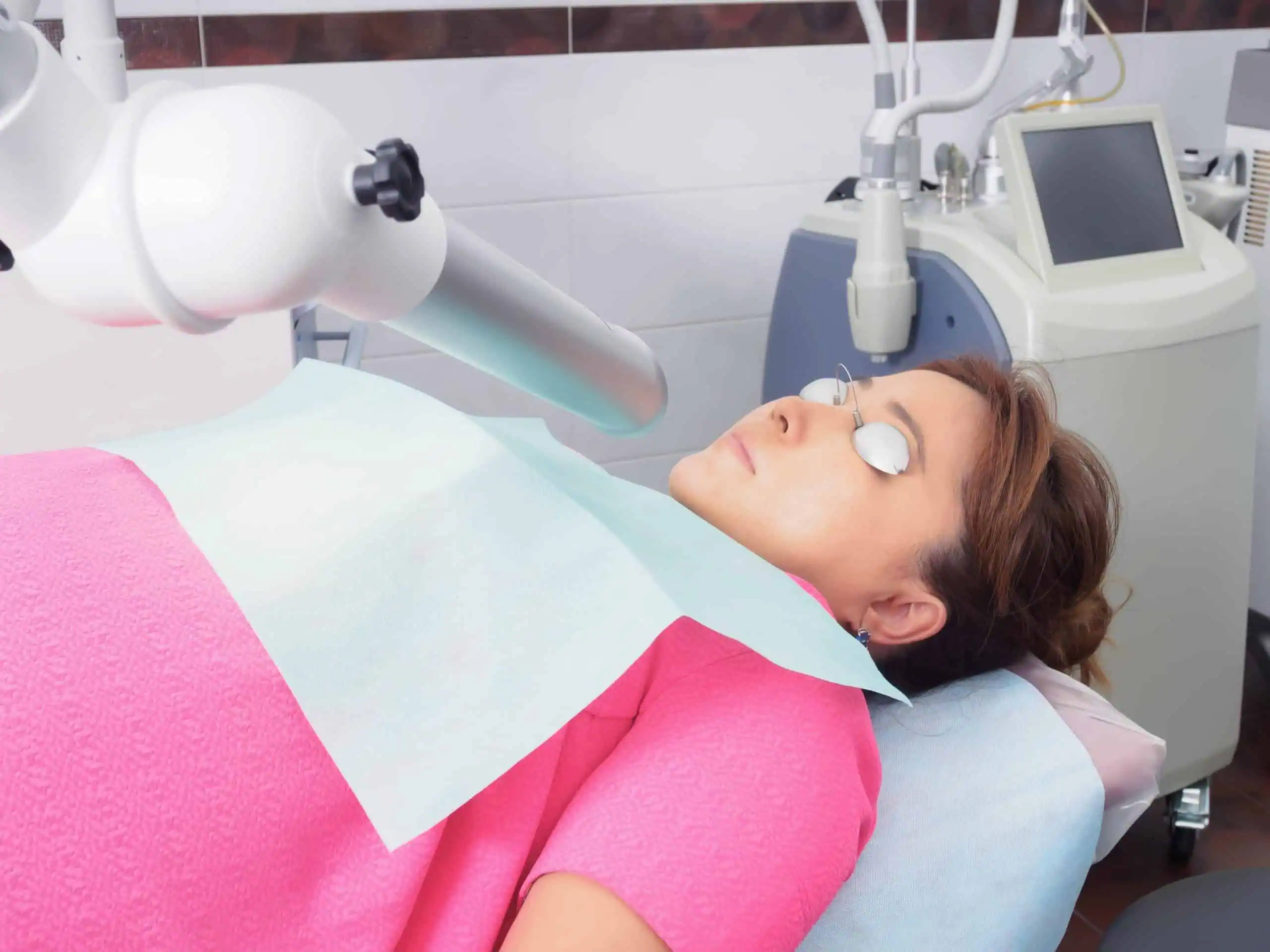
While laser skin resurfacing is beneficial in reducing acne scars and improving the overall appearance of the skin, new light-based treatments are an emerging alternative. These therapies for inflammatory acne have a solid safety profile, with no increased risk of bacterial resistance.
A couple of words of caution as you learn more about laser and light-based acne treatments. Home-use devices for light therapy can be far less effective than in-office treatments. There are countless such products for sale online, but none will match the strength and effectiveness of in-office procedures. Also, know that light therapy is usually most effective when used in combination with more proven treatments.
New Nitric Oxide Gel Acne Treatment
Researchers at Novan, Inc. have studied the physiology of acne and developed a new nitric oxide gel that has a different mechanism of action than traditional topical treatments. The SB204 gel stops the inflammatory process and treats acne in a completely new way.
Traditional acne treatment with retinoid drugs treats the condition by peeling and shedding the skin. The new nitric oxide gel is gentler on the skin. In terms of safety, the findings of a placebo-controlled trial show that the gel does not lead to an increase in the systemic level of nitrate. In addition, the gel does not affect the cardiovascular system. This new nitric oxide gel for acne is expected to hit the market by 2019.
All the above and other such upcoming advances in acne treatment can be quality-of-life-savers for teens seeking acne treatment, and for millions of adult acne sufferers as well. What’s most important is to find the right dermatology practice and professional skincare partner in your area. Because whether it’s teen or adult acne, it’s a confounding skin condition best managed in tandem with an experienced dermatology provider at your disposal.