
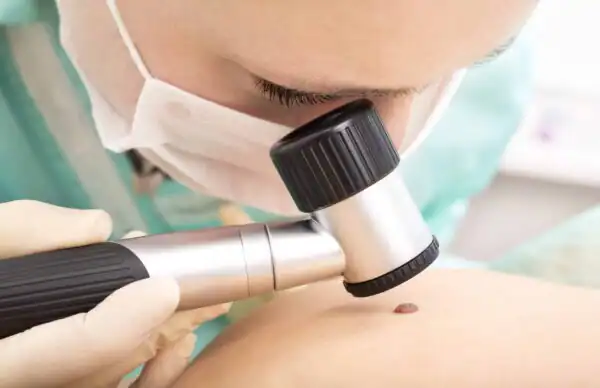
Top Reasons to See a Professional for Mole Removal
Moles are removed for several reasons, whether medical or cosmetic. If you find your skin mole unattractive, it causes irritation from rubbing against clothing or your dermatologist suspects cancer, removing your mole, or moles, is an option.
There are several at-home and “natural” treatment options available, but these can cause complications if not performed correctly. Let’s talk about the top five reasons to have your skin mole treatment performed by your dermatologist.
- If your mole might be cancerous, or pre-cancerous, your dermatologist can help you begin treatments to prevent the spread of skin cancer. A dermatologist can have a sample of your mole tested when removing it, which cannot be done with at-home treatments.
- Your mole could grow back. Shaving or treating your skin mole at home may not completely remove the mole. If your mole does grow back, that is a possible sign of melanoma, for which you should be treated by a dermatologist.
- You could disfigure your skin by leaving scars. Especially on the face, it is important to have moles treated properly to avoid unnecessary scarring.
- The treatment site could get infected. A dermatologist can prevent infection from occurring by correctly preparing your skin for the mole treatment and by properly treating and closing the wound.
- Mole removal creams can leave pits in your skin. Some skin mole removal creams are corrosive and can cause damage to healthy skin if used incorrectly. If you want to try this method, it is recommended you discuss it with your dermatologist to minimize potential side effects.
Your Water’s Edge dermatologist can effectively remove your skin moles with one of two skin mole treatments: surgical excision or surgical shaving, both of which can be performed in-office. Make an appointment to discuss your skin mole treatment with your Water’s Edge dermatologist.

Botox®: Banishing More than Your Crow’s Feet
Botox Cosmetic is a simple treatment used to block nerve impulses to injected muscles to relax facial muscles and improve the look of wrinkles.
Here are some of the top reasons to talk to your Water’s Edge cosmetic dermatologist about Botox:
- Results are noticeable within days
- Recovery time is unnecessary
- It is a simple, nonsurgical procedure
- It relaxes your targeted muscles to smooth existing wrinkles and prevent new wrinkles
- Results last from three to 12 months
- Side effects, such as bruising or soreness, are minimal and uncommon
Your skin will age as you do and as you expose it to sun and environmental factors, but you can still look as young as you feel. Ask your Water’s Edge cosmetic dermatologist about whether Botox® is an option for you.
Water's Edge Dermatology: We’ve got serious medicine for your skin.
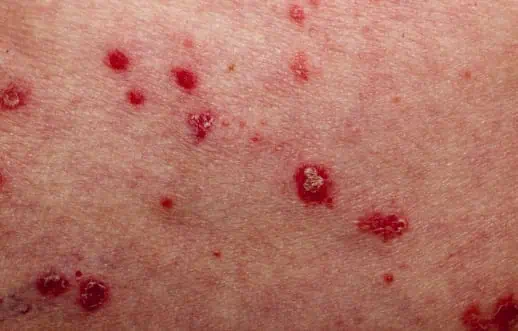
Banish Psoriasis Flare-Ups
Psoriasis itch is different from most skin conditions, and it can make cooler months miserable times. This year, tackle your psoriasis head-on with these tips, so you can enjoy your holiday season.
- Moisturize, moisturize and moisturize some more! The National Psoriasis Foundation suggests using a heavy cream or ointment to lock-in water. This helps control the itch and allows the skin to heal.
- Stay healthy. Psoriasis flare-ups are more likely when you’re ill, so rest up and wash your hands. Just remember to moisturize again after washing.
- Relax. Whether you choose a massage, a great workout or a spa trip, reducing your stress will keep psoriasis itch and pain at bay. Plus, holidays are just more fun without stress.
- Make hydration a priority. Drinking lots of water can help you hold on to more water in your skin, and it’ll help you stay healthy.
- Stay comfortable. Wear soft layers to avoid irritating your skin, and keep your humidifier running so your skin won’t lose moisture to your indoor heating.
Be sure to talk to your Water’s Edge dermatologist if the cooler, dry air causes your psoriasis to act up.

Getting A “Head” Start in Hair Care
It’s time to give your head and hair care regimen some TLC. With the help of these tips your hair and scalp can be healthy and strong.
- Know your scalp— Your scalp makes a big difference in your washing habits. If you have an oily scalp, your hair needs to be washed more often, sometimes as often as once a day. A drier scalp or color-treated hair should be washed less frequently.
- Wash wisely— Shampoo is your friend, but avoid scrubbing at your hair. Massage shampoo into your scalp and let it rinse through your hair to prevent breakage and flyaways.
- Conditioning leads to healthier hair— Always condition your hair after shampooing to strengthen your hair, protect it from UV rays, decrease static electricity and keep it shiny. Choose a conditioner specially formulated for your hair type and use it primarily on the tips of your hair for the best results.
- Protect your hair from yourself— Beauty doesn’t have to be detrimental to your hair. Let your hair air-dry or use the lowest setting if you must use a hair dryer. Remember to use a wide tooth comb if you comb it while it’s wet, and use the lowest settings on any hot hair tools.
Your Water’s Edge dermatologist can help you pinpoint the cause for your hair loss. In the meantime, giving your hair and your scalp a break will help you keep your hair looking it’s best.
Put Your Best Face Forward
Acne is never fun, but Water’s Edge Dermatology can help you keep your skin clear. Instead of suffering through painful breakouts, dermatologists suggest these tips to fight pimple-causing bacteria and clogged pores:
- Look for the word “noncomedogenic” on products you plan to use on your face or acne-prone skin
- Keep your hair and hands away from your face to avoid clogging your pores with hair products or spreading bacteria
- Wash your face with a mild cleanser and warm water twice a day and use your fingers rather than a washcloth or sponge
- Go oil-free with any products you put on your face, including sunscreens and makeup
- Moisturize your face to calm dry, irritated skin
- Don’t pop your pimples, you can cause scars or even more pimples to occur
Being kind to your face goes a long way toward clear skin. Eating healthy and taking time to relax can also help you avoid breakouts.
If over-the-counter facial cleansers and regular facial care aren’t enough to keep your skin breakout-free, you may need to visit your medical dermatologist at Water’s Edge Dermatology about a skin-care regimen.
Follow us on Twitter or Like us on Facebook to learn more about taking care of your skin.
Skin Cancer Treatment
There are treatments for skin cancer. Everyone can get skin cancer, no matter how light or dark your skin may be. Exposure may come from UV rays, X-rays, genetics, weak immune system, scarring from bad burns, cancer-causing compounds such as arsenic, sunburns, and the use of tanning beds.
You aren’t alone. Water’s Edge medical dermatologists are here to provide you with compassionate and thorough care.
Treatments:
Excision: Dermatologists will numb the skin and surgically remove the cancer along with a small bit of healthy skin around the area. The small bit of skin is called a margin.
Mohs Surgery: Performed by dermatologists who have received special training, this procedure involves taking layers of skin from the cancerous area layer-by-layer until the current layer is cancer-free. The dermatologist will scrutinize the skin layers through a microscope to determine if another layer needs taken.
Curettage and Electrodesiccation: This process involves scraping off a bit of skin from the top layer of the cancer and then gently cauterizing the remaining cancer cells. This treatment typically needs to be repeated three times.
Other Treatments:
Immunotherapy: Doctors will use the patient’s own immune system to fight the cancer.
Cryosurgery: Freezing the cancer cells and allowing them to slough off.
Chemotherapy applied to the skin: Physicians will apply medicine to the skin cancer and it will destroy the cancer cells.
Chemotherapy: Medicine used when the skin cancer goes beyond the skin.
Photodynamic therapy: This process involves a chemical peel and exposure to a special light.
Radiation therapy: Radiation may be used for large areas of skin cancer on older adults.
With dermatology centers throughout southeast Florida, Water’s Edge Dermatology can help you. Request a skin cancer screening today.
Prevent skin cancer now by performing a self-exam on your skin.
Genital Warts
Genital warts are caused by the human papilloma virus commonly known as HPV. There are more than 100 different strains of HPV known to exist. While only a small percentage of people with HPV will have genital warts, HPV carriers can still pass on the virus. Some people don’t even know they have it and are unknowingly spreading the virus. It can sometimes take years for the virus to develop warts, while some people contract them after a few months of contact with the virus.
The warts can show up on the genitals, anus or mouth and throat of an infected person, depending on where contact occurred.
Genital warts should be removed and treated. The warts are difficult to keep clean, can itch and bleed, and interfere with urination, bowel movements and sexual intimacy. Genital warts may also be passed along to infants during birth; alternate means of birth should be used.
If you think you may have contracted genital warts, make an appointment to see your Water’s Edge medical dermatologist immediately. There are various types of genital warts treatments.
Treatments
- Excision
- Electric needle removal
- Freezing with liquid nitrogen, cryosurgery
- Laser
- Applied chemicals
- Applied acids
- Podofilox gel or solution to stop wart growth
- Imiquimod cream
Successful removal of the warts is not a guarantee that the HPV virus is completely gone. The HPV may be deep in the skin. A person with HPV after wart treatment may still be able to transmit the virus.
HPV is a virus and there is no cure. The Center for Disease Control (CDC) recommends that all girls and boys receive the HPV vaccine at age 11 or 12. The vaccine is also recommended for gay and bisexual men and men with compromised immune systems (including HIV) through age 26, if they did not get fully vaccinated when they were younger.