
The 85%: Acne and Other Skin Diseases
Dermatology treats the largest organ of the human body: the skin. The skin serves, first and foremost, as the body's first line of defense against injury and disease. However, the skin has skin diseases of its own that require special medical attention. Some skin conditions, of course, are milder than others. Arguably the most well known skin condition, acne, is relatively mild in that it doesn't cause serious harm (with a few exceptions). On the other hand, melanoma, a form of skin cancer, can be terminal if not treated early on. It's important for everyone to know about the conditions and diseases that can befall the skin.
There are quite of few skin conditions to be aware of. Here are three you should definitely be familiar with:
Acne
Acne is one of the most common skin conditions out there. Nearly 85% of people have acne at least once in their lifetimes. Currently, up to 50 million Americans have acne. Acne causes mild to severe irritation in the skin, and tends to be present in oily areas. Acne scars are the result of people scratching and picking the skin, something you should avoid. There are many acne treatments available, both over-the-counter and prescription-level.
Seborrheic Keratoses
Seborrheic Keratoses (KS) is a common skin growth that cause small to medium sized brown lesions. Although unsightly, they are benign and tend to affect people during old age.
Melanoma
Melanoma is a form of skin cancer characterized by the uncontrollable growth of pigment cells. Unless treated in its early stages, it can spread to the lymph nodes and other parts of the body and can result in death.
If you notice any of these conditions, you should see a dermatologist doctor immediately. Dermatologist doctors provide the best skin care treatments available.

What is the Best Treatment Seborrheic Dermatitis Treatment?
When it comes to common skin conditions that require treatment from a dermatologist, the average person will likely think of problems like acne and skin cancer. Indeed, these conditions are very common, with nearly 85% of people suffering from acne at some point in their lives, and an estimated one in five people being diagnosed with skin cancer. Likewise, both problems will likely require several visits to a dermatologist clinic, whether a patient is seeking acne treatment products or looking to discuss skin cancer treatment options. However, there is another common skin condition that gets less attention these two problems and will likely need to be treated by a dermatologist specialist: seborrheic dermatitis.
Seborrheic dermatitis is a problem in which scaly patches, red skin, and stubborn dandruff form on oily areas of the body, such as the scalp, face, upper chest, and back. Though long-term, the condition does not threaten the patient's overall health and can be managed with good skin care. However, seborrheic dermatitis is often both uncomfortable and embarrassing, causing many patients to wonder what the best seborrheic dermatitis treatment could be.
Home Treatments
If you have seborrheic dermatitis and are considering talking to dermatologist about your condition, you should first try a number of skin care techniques; you may find that the best seborrheic dermatitis treatment is easier than you thought. Try to avoid scratching your skin, wear smooth, cotton clothing, wash your skin regularly, and avoid skin care products that contain alcohol. Next, if the patches are on your scalp, try using shampoos that contain pyrithione zinc, selenium, salicylic acid, and other anti-dandruff measures. Meanwhile, if the condition affects your skin, try a mild corticosteroid cream or a mineral oil to help soften and remove scales.
Dermatologist Treatments
If you have had no luck with the skin care treatments suggested above, the best seborrheic dermatitis treatment for you may be found at a dermatologist clinic instead. Depending on your unique condition, a specialist will likely prescribe a corticosteroid cream or an antifungal treatment, which may be used as a shampoo, a cream, or a pill. In more serious cases, dermatologists may recommend that you use a medication that affects your immune system, or even a combination of light therapy with medication. Unfortunately, the latter may not work for patients with thick hair.
If you have seborrheic dermatitis, you know exactly how uncomfortable and embarrassing it can be to live with this common condition. Fortunately, by taking steps to find the best seborrheic dermatitis treatment for you, you can find the relief you're looking for. Try out the suggestions above today!
New Treatments May Offer Effective Results For Patients With Psoriasis
When it comes to common skin conditions, people are likely to think of acne or skin cancer, two problems often treated by dermatology and skin cancer specialists. But while around 40% of teenagers will develop acne, and more than 2 million people are diagnosed with nonmelanomic skin cancer every year, another popular skin condition deserves attention: psoriasis.
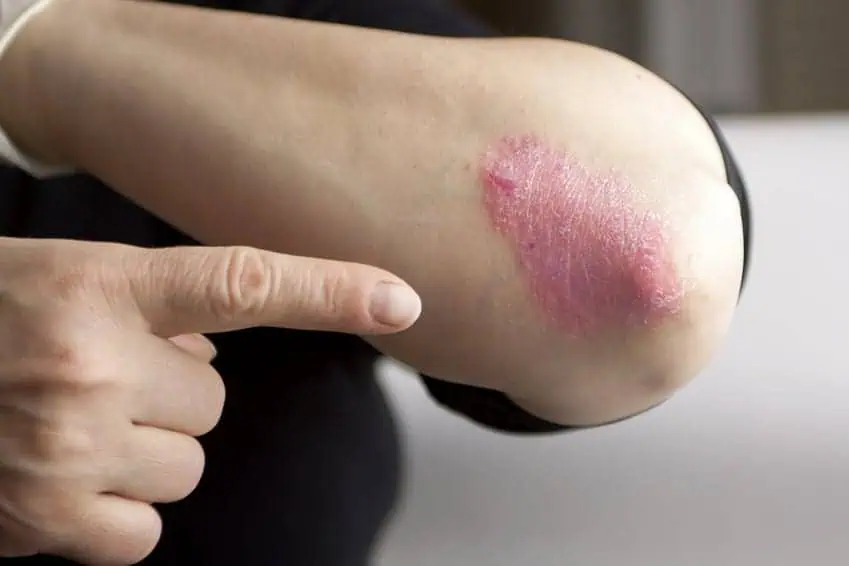
There are a number of different types of psoriasis, but the disease is typically distinguished by red, irritated patches on the skin and nails. In at least one form of the disorder, it can be difficult to tell the difference between psoriasis and seborrheic dermatitis, another irritating skin condition which targets the scalp and ears. Fortunately, once the disease is diagnosed, dermatologists can utilize a number of topical treatments, pills or injections, and light therapies to treat the irritation and skin patches. Biologic medications may even be used to treat severe or disabling cases. And therapies continue to improve and innovate: recently, a Swiss pharmaceutical company announced that one of their products has been shown to be effective at treating moderate to severe psoriasis.
Novartis, a multinational company based in Switzerland, recently presented their study on a product called secukinumab to the European Association of Dermatology and Venereology Congress in the Netherlands. Secukinumab is designed to treat plaque psoriasis, the most common form of the disorder, which features inflamed, scaly, red skin. Currently, the treatment is being touted as an effective way to improve psoriasis symptoms, improving and preventing joint damage, and importantly showing no negative impacts on patient health. And while this product likely won't be available to dermatologist clinics and doctors for some time, Novartis's recent presentation is only the most recent step towards having the medication accepted as a treatment: previously, the company submitted secukinumab to regulatory organizations in both the United States and Europe.
Due to the discomfort, joint damage, and unappealing appearance of the many different types of psoriasis, getting proper treatment is typically very important to patients who want to live life comfortably and without undue anxiety. While treatments like secukinumab are still being tested for their effectiveness and safety, there are a variety of other treatment options which can be prescribed by a dermatologist. If you or a loved one is suffering from the effects of psoriasis, schedule an appointment at a dermatologist clinic today to discuss how best to treat this common skin condition.