





Eye dropper and bottle on a yellow background surrounded by citrus fruits.

Vitamin C Serum Benefits: Yes, They’re Real

Medical review by Gioconda “Gio” Boaz, PA-C

Vitamin C serum has become one of the most popular skincare products for the face, and for good reason. Who wouldn’t want a serum that can improve the appearance of fine lines and wrinkles, fade dark spots, prevent and treat sun damage and give skin a healthy glow? The claims may seem too good to be true, but the benefits are real according to one skin care provider.

“Vitamin C has been known to improve skin for years, but it didn’t get the same amount of attention that other skin care ingredients did until recently,” said Gioconda “Gio” Boaz, PA-C, a board-certified physician assistant at Water’s Edge Dermatology.

“I think vitamin C serum is popular now because more information is surfacing on how it boosts the skin’s natural protection against sun damage, fights inflammation and produces a great cosmetic advantage.”

How vitamin C serum works

Vitamin C improves skin’s appearance in several ways. As an antioxidant, it protects against damage caused by unstable molecules called free radicals. Sun exposure increases free radical production. While your diet provides some vitamin C, using a vitamin C serum increases the concentration of the vitamin in your skin. And unlike sunscreen, it can’t be rubbed off. In fact, once vitamin C is absorbed, the protection it offers seems to last for days.

The vitamin also helps the body synthesize collagen and increases skin cell turnover. This means that dead and damaged skin cells are replaced by new ones more quickly, making skin look brighter.

Vitamin C serum can help address:

  • Hyperpigmentation. Increasing cell turnover can lighten sun spots (also called age spots), dark spots caused by acne, and dark patches caused by melasma. “One of the great things about vitamin C is that it’s safe for pregnant women, who are vulnerable to developing melasma,” Boaz said.
  • Fine lines and wrinkles. Faster cell turnover combined with increased collagen can make wrinkles less noticeable.
  • Sun damage. By neutralizing free radicals, vitamin C reduces and helps prevent sun damage. It also works to prevent the sun’s rays from suppressing the immune system. This immune suppression is thought to play a role in the development of melanoma and non-melanoma skin cancers.

Choosing the best vitamin C serum

Vitamin C serums range in price and the amount of vitamin C they contain. You don’t have to choose one of the pricier options if it’s not in your budget.

“Any vitamin C serum, as long as it’s a “stabilized” vitamin C, is going to be beneficial, and expensive doesn’t always mean better,” Boaz explained.

The amount of vitamin C in serums typically ranges from 5% to 20%. While vitamin C is generally well tolerated, it is acidic and can therefore irritate sensitive skin. Boaz recommends starting off with a lower concentration. Move to a higher concentration if you’re not seeing results and if your skin can tolerate it.

Packaging is also key. Vitamin C degrades quickly, particularly when it’s exposed to light. So, an opaque container is a must.

Application and storage tips

If you have sensitive skin, start by using vitamin C once a day. Apply it in the morning to take advantage of the added protection against sun damage. (Sunscreen is always a must.) For people with sun-damaged skin, Boaz recommends gradually switching to a twice-a-day routine.

Apply vitamin C serum after washing your face and before applying moisturizer and sunscreen. Don’t apply too much serum or you’re wasting your money — three to five drops are plenty.

“It’s normal to feel a brief tingling sensation when you use it. This usually dissipates after a couple of weeks,” said Boaz. “Anything beyond that may mean the serum is too strong for you. It’s also possible that you’re allergic to one of the ingredients.”

To prevent vitamin C serum from degrading, keep it stored in a dark place and replace the cap tightly after use. You can tell when it has degraded by its color. Most serums are pale yellow and turn orange or brown when they spoil. If yours has degraded, it’s time to throw it out.

For best results, apply vitamin C serum every day, Boaz advised. “The protective antioxidants immediately shield your skin. It can take about two months of regular use to start seeing cosmetic results, but it’s definitely worth the wait.”


Written by Jessica Brown is a health and science writer/editor based in Brooklyn, New York. Her work has appeared in Prevention, Johnson & Johnson, the Breast Cancer Research Foundation and many more.


Woman receiving facial aesthetic services at medspa office

Tips for Choosing the Best Anti-Aging Skincare Products

We all want to look our best and keep our skin youthful, but selecting the right anti-aging skin care products and developing an anti-wrinkle regimen can be daunting. There are so many products out there, it’s difficult to know where to start. Today we’re sharing dermatologists’ top tips for choosing the best anti-aging skincare products in order to maximize your results for healthy, beautiful skin.

  1. Start with sunscreen: Exposure to the sun speeds up the process of natural aging of your skin, causing wrinkles and uneven pigmentation. Dermatologists agree that sunscreen is the most-effective anti-aging product you can buy. Use sunscreen on exposed skin year-round when outdoors. Choose sunscreen that includes:
    • Broad spectrum – blocks UVA and UVB rays;
    • Non-comedogenic, sensitivity-free, fragrance-free and paraben-free;
    • SPF 30 or higher;
    • Water resistant.
  2. Add a moisturizer: Though moisturizers can’t prevent wrinkles, they can help minimize fine lines. This is so effective that moisturizer often is the secret ingredient in many anti-aging products. We recommend moisturizers with Hyaluronic Acid because they help to smooth and plump fine lines and wrinkles. If you use a tinted moisturizer for your face, be sure to select one with a built-in SPF of at least 15.
  3. Treat your #1 aging-skin concern:It’s important to remember that a regimen to rewind fine lines or fade sun-damaged spots can take time, and compliance is key! Too often, regimens are not followed because of skin irritation and over-doing it on intensive, results-oriented products. Acclimation is important before introducing more products that can create more inflamed skin.
  4. Buy products formulated for your skin type:No one product works for everyone. Select a sunscreen, moisturizer, and other anti-aging skin care products that are formulated for your skin type. If your skin tends to be oily, select a moisturizer made for oily skin. If you have sensitive skin, you want to see the words “sensitive skin” on the label.
  5. Read product labels: Look for products that offer all of the following:
    • Hypoallergenic – the product can still cause an allergic reaction, but the risk is lower;
    • Non-comedogenic or non-acnegenic – the product does not cause acne;
    • Consumer hotline number - contact for questions regarding the product.
    • Not tested on animals.
  1. Buy anti-aging products from a cosmetic practice: It’s always better to purchase anti-aging products from a cosmetic practice rather than over the counter or in a spa. Qualified aestheticians can help create a personalized skincare plan that is right for your skin type and targets your key skin concerns. Additionally, they can recommend medical treatments with a well-rounded approach that encompasses wrinkles and brown spots, prescription creams, serums, injectables and fillers as well as skin-resurfacing and can guide you to the right combination of treatments for you.

Schedule a skin assessment today at Water’s Edge Dermatology. We can help create a skincare regimen that fits your lifestyle and recommend the best products for you. Click here to: Request an Appointment.


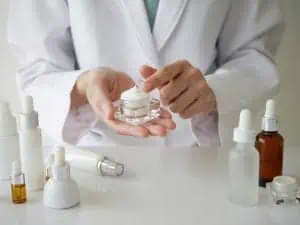
Woman in lab coat holding skin care products

Hot Tips for Buying Skincare Products

Water’s Edge Dermatology is celebrating 20 years as Florida’s premiere skincare provider, and if we’ve learned anything over the years when it comes to skincare products, it’s how to help our valued patients buy what’s best for them and what to consider regarding skincare products on the internet. So, the Water’s Edge team has compiled a tips list based on our two decades of experience.  Here’s to taking great care of your birthday suit!

Tip #1: Don’t purchase skincare products on the internet from off-brand sites

Quality skincare products can be damaged if they are not stored and shipped properly. Exposure to heat or cold can negatively affect the chemical ingredients, such as delicate antioxidants, that were developed to help your skin look and feel more youthful. Even if they have a top name-brand label on them, products sold on the internet could be past their expiration date. You’ll have no way of knowing that when you shell out your hard-earned cash. Once you receive your product, if you find that you are not happy with it, making a return and getting your money back can be a big challenge.

Tip #2: Beware of counterfeit products

The fake skincare product market is alive and well, just like fake designer handbags and clothing. Because these products often contain cheaper, less effective and sometimes dangerous ingredients, counterfeit products can damage your skin. Price often will tell you if a product is counterfeit. Many fake skincare products are offered at a very low price, enticing buyers who want deep discounts on brand cosmetic products. The truth is that quality skincare products rarely go on sale for more than 20 percent below their retail price. To ensure that you are getting the authentic product, purchase directly from the brand retailer, and look for legitimate sales from that retailer.

Tip #3: Get recommendations from a dermatologist, not retail store clerks

Sales associates at a department store cosmetics counter are paid to sell you their product line. Your dermatologist is committed to helping you get the right product that will deliver the results you want. With years of medical training and experience in skin science, your dermatologist can guide you to the best skincare products for your skin and your goals.

You’ll be able to test a product at your dermatology office before you purchase it, saving you money in the long run. It’s important to remember that not all skincare products – in spite of their great reviews -- are right for every individual and skin type. Those with oily skin may fare better with serums rather than heavy moisturizers. People with dry skin typically need added moisture in their skincare products. Making an appointment with your dermatologist is the best place to start.

Your skin is an important asset. It’s one of the first things people notice about you. When you take the time to get the right information and advice backed by medicine and science, your skin will know it and show it.  It’s why we practice the Art, Heart and Science of skincare.

Click here to learn more about Water’s Edge MediSpa & Aesthetic Skin Care Services.