
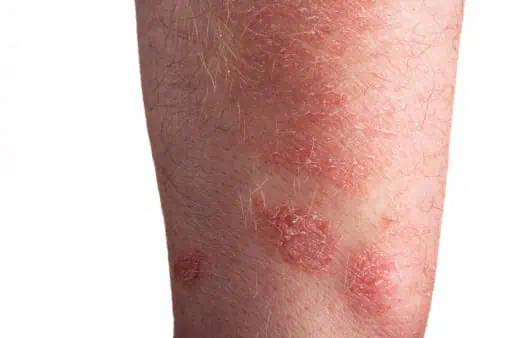
Signs and Symptoms of Psoriasis
Psoriasis is a heredity skin disease that is often a lifelong condition. Psoriasis is a chronic disease that affects the skin and joints. Usually your skin “turns over” every 30 to 60 days, but with psoriasis, it occurs every 9 to 12 days. The skin cells are not shed and it creates a layer of excess skin cells over the skin. This appears as patches of red or white scaly, itchy skin.
Proper diagnosis is the first step to psoriasis skin treatment. Water’s Edge is your psoriasis treatment center. Your medical dermatologists can help with diagnosis and a variety of effective treatment options.
Common Signs and Symptoms of Psoriasis Skin Disease
- Areas of red, inflamed skin, covered with white scales. These areas of red are called plaques. Scales are the silvery-white coating over the plaque.
- Psoriasis plaques can itch and can be painful.
- Plaques can appear anywhere on the skin. They are most common on the knees, elbows, lower back and scalp.
- Patches of plaques vary in size and can often merge together into a larger patch.
- Crumbling or detached nails. Discoloration and pits in the nails may occur.
- Flakey, white scales on the scalp.
- Bleeding areas where skin is scratched.
Read more about psoriasis skin disease here.
There is no cure for psoriasis. However, it can be controlled with treatments.
Don’t let your psoriasis rule your life. Schedule a consultation with your Water’s Edge medical dermatologist today.

Do You Need a Dermatologist?
There are a number of skin conditions that a person may contract over the course of their lives, from acne, which affects nearly 85% of people at some point during their lifetime, or skin cancer, which will affect an estimated one in five Americans. Fortunately, for the skin conditions that require clinical help, dermatologist specialists offer a number of treatment options for a wide array of skin problems. These range from aesthetic issues, like varicose vein laser treatments, to serious medical problems, such as melanoma and other forms of skin cancer. Can a dermatologist treat your skin condition? Read on to find out.
Research shows that an estimated 7,575 dermatologist clinics in the United States offering treatments for skin problems. One of the most common disorders these clinics treat is acne, which affects an estimated 40 million to 50 million Americans. Many of the people affected by this condition are teenagers: by their mid-teens, more than 40% of adolescents will have acne or acne scarring. However, acne occur at almost any age, and as a result, there are a number of different acne treatment products and methods available. This includes everything from common topical products or even laser acne treatments. A skin care specialist will prescribe a treatment regimen based on the individual needs of the patients that will use different products and combinations of treatments to best rid the patient of their acne.
Skin care specialists also treat a variety of other skin issues, including those which develop in reaction to other, more serious problems in the body. For example, candida infections often form in reaction to a weakened immune system caused by cancer, HIV, and other diseases. It then spreads to various parts of the body, including the lungs, liver and skin. Similarly, Kaposi's sarcoma is a skin condition characterized by dark or purplish lesions on the skin, which forms rarely as a genetic condition and more commonly by the weakened immune system caused by AIDS. Because KS lesions can spread quickly to other parts of the body, including the internal organs, it is important to treat the problem as soon as possible.
The average person will likely experience some form of skin problem over the course over their lives, whether it is as common as acne, as serious as skin cancer or melanoma, or merely an aesthetic concern, like varicose veins. Regardless of the problem, skin care specialists can help you achieve the beautiful, healthy skin you want. Contact a dermatologist today to discuss how they may be able to help you.
How Dermatologists Help Treat the Symptoms of Serious Disease
If you have problem skin, it's likely that you have considered making an appointment with a skin dermatologist to discuss your treatment options. Currently, there are an estimated 7,575 dermatologist clinics in the United States, comprising an industry that has generated an estimated $11 billion in revenue. The dermatologists that work in these clinics are well-versed in providing care for a wide variety of aesthetic and medical skin conditions, from laser varicose vein treatments to different forms of treatment for melanoma skin cancer, and have the knowledge and experience to devise a plan for relieving your individual case or symptoms.
One of the most common skin conditions skin dermatologists treat is acne, which nearly 85% of people will experience at some point in their lifetime. Of this number, and estimated 40 to 50 million Americans are believed to suffer from this problem. Many people experience acne during their teenage years, with more than 40% of adolescents reporting acne or acne scarring by their mid-teens. However, people of all ages can be affected by this condition. Skin dermatologists can treat acne with a number of different methods; often, they will prescribe acne treatment products, procedures such as laser acne treatment, or even a combination of several of these options. Their diagnosis and prescription will depend on the severity of the acne, the afflicted areas of the skin, and the patient's overall health, as well as several other factors. For this reason, dermatologist acne treatments are often far more effective than common home treatments and drug store products.
Dermatologists also treat a number of more serious skin conditions, including skin cancer, which affects an estimated one in every five Americans at some point during their lifetime. There are several different treatments for skin cancer, with the most common being surgery and radiotherapy, though the procedure used will depend on the severity of the cancer and the patient. Skin dermatologists also often treat conditions that develop as a result of serious illness. Candida infections, for example, which can affect the patient's lungs and liver in addition to the skin, commonly develop in people with cancer, HIV, and other conditions that weaken the immune system. Likewise, Kaposi's sarcoma, dark or purplish lesions that form on the skin, form as part of the weakened immune caused by contracting the AIDS virus and can spread to the organs. Dermatologists are able to help treat these conditions when they manifest on the skin, reducing the patient's experience of the full extent of their sickness.
Skin dermatologists treat a wide variety of aesthetic and medical skin complaints every day, from performing laser hair removal to diagnosing a possible case of skin cancer and prescribing treatment if necessary. For this reason, if you have a problem with your skin, whether it is a case of acne or a Candida infection, a dermatologist may be able to help you. Contact a dermatology specialist in your area today to schedule an appointment.
Itchy, Burning Feet? Could be Athlete’s Foot.
Athlete’s foot. Gross, right? Well, it turns out that it is the most common type of fungal infection.
Athlete’s foot is a common fungus. But what does that mean? Let’s check out the technicalities.
Athlete’s foot is also known as tinea pedis. It’s similar to ringworm and jock itch. It is contagious, but can be treated with over-the-counter medications. It is caused by mold-like fungi called dermatophytes. They always are living on your skin, but they don’t grow as long as your skin stays dry and clean. When your skin becomes a damp, closed environment, that’s when the problems begin.
These dermatophytes love tight shoes that squish the toes together to create warm, moist areas between them, damp socks and humid conditions. They are partial to plastic shoes. Athlete’s foot is also more common in men.
Anyone can pick up athlete’s foot. It is as easy as coming in contact with an infected person or contaminated surfaces like floors (locker rooms, saunas, pools and showers), clothes, shoes or bed linens.
If you think you have athlete’s foot, you may have the following symptoms:
- Burning, stinging and itching between your toes
- Burning, stinging and itching on the soles of your feet
- Blisters that itch
- Peeling and cracking skin between your toes and the soles of your feet
- Vast amounts of dry skin on the bottoms or sides of your feet
- Thick, crumbly, ragged, discolored toenails
Or if your foot looks like this, you may have athlete’s foot.
If you have been treating athlete’s foot with over-the-counter medications and the symptoms do not improve or worsen, go see your medical dermatologist.
You can make an appointment at Water’s Edge Dermatology with one of our clinics.
Summer Skin Care
Summer is here. This means barbecues, the beach and other outdoor fun. However, rising temperatures, a poor diet and sunscreen can irritate pores and cause oilier skin.
Water’s Edge’s team of acne dermatologists answer questions and provide advice on the best summer skin care for acne prevention.
Is diet important for clear skin? It is not proven that ingesting fried or greasy foods causes acne, according to our acne dermatologists, but oils remaining on the skin can clog the pores. Certain foods may trigger breakouts and should be avoided to prevent flare-ups. A healthy diet and plenty of hydration is recommended to enhance the well-being and look of your skin.
What is the oil on skin? The oil produced on our skin is called sebum and its purpose is to keep the skin from drying out. However, an increase in production may cause breakouts and irritation. Prevent breakouts by minimizing the oil and bacteria on the skin. A regimen can be as simple as washing the face with soap and water. Antibacterial soap like Dial or Cetaphil will reduce the bacteria. Wash immediately after sports and workouts. If oil persists, a toner or benzoyl peroxide product may need to be added.
What kind of skin products should I use?
Clogged pores may need a retinoid. Retinoids, like Retin A Micro, speed up the skin-cell turnover time by putting a light peel on the skin, which prevents pores from clogging. Be careful to choose makeup, moisturizers and sunscreens that don’t clog pores. Check the labels and look for wording like non-comedogenic, non-greasy or oil-free. Products like Cerave and Cetaphil are just two available options. Elta MD and Minus Sol are sunscreens available in our office. A facial is recommended by our cosmetic dermatologists and estheticians, and this service is available in many of our offices. to keep the skin from drying out. However, an increase in production may cause breakouts and irritation. Prevent breakouts by minimizing the oil and bacteria on the skin. A regimen can be as simple as washing the face with soap and water. Antibacterial soap like Dial or Cetaphil will reduce the bacteria. Wash immediately after sports and workouts. If oil persists, a toner or benzoyl peroxide product may need to be added.
Look your best all year! Good skin care is recommended all year. Our desire at the Florida center for dermatology is to help you look great, but protecting your skin from damage and harmful rays is most important. Always moisturize your skin, keep it well hydrated and use protective clothing and sunblock. The skin is our first line of defense and should be protected every day.
Sunscreen is Beauty’s New Best Friend
We all know sunscreen is an important step in protecting yourself from skin cancer and those painful sunburns. But did you know there is a new reason to slather it on? Water’s Edge Dermatology wants to encourage you to take a couple minutes to reapply sunscreen and make your skin look younger. The National Health and Medical Research Council of Australia funded a study to look for the truth in sunscreen use and dietary supplements such as beta-carotene. After reading their findings, you’ll be searching for that sunscreen bottle.
The researchers down under found more than 900 people under the age of 55 to either slather on sunscreen as per instructions or to keep up their usual routine. They were also given either a beta-carotene supplement or a placebo to test out the effects of dietary supplements meant to prevent skin damage and aging.
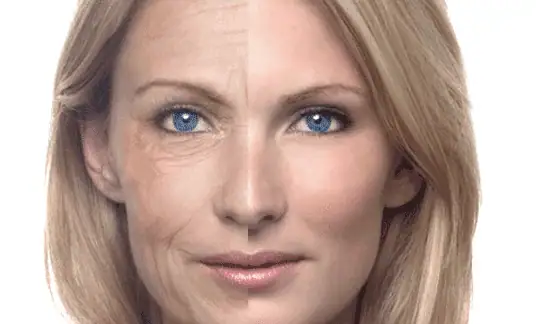
After four years of keeping track of all these people’s sunscreen regimen, researchers found that regular sunscreen use does slow the aging of skin while the beta-carotene supplement had no overall effect. The people who reapplied sunscreen on the hour and after getting wet were 24% less likely to show increased aging.
The main reason is the ability of UV-A rays to break down the collagen and elasticity of skin. Collagen isn’t only used to make your lips pouty, it holds your skin together and keeps it looking young. When collagen can’t do its job because of all the UV-A exposure, your skin begins to lose the battle for elasticity and a youthful experience.
So, even if it takes a couple minutes out of your day here or there, try to reapply whenever you can. Water’s Edge even sells non-oily sunscreen. Not only will it help prevent skin cancer, it’ll keep you looking pretty for longer.

The Long and Short of UV rays
Coolers, beach chairs, umbrellas and sunscreen, lots of sunscreen, are popping up in endless colorful displays throughout stores nationwide! This could only mean one thing, summer is on the horizon!
Picking out a sunscreen to protect yourself and your family can be a bit confusing. What brand do I want? What spf do I need? What does UVA and UVB protectants even mean?
Let's start with the basics...
Ultraviolet UV rays are emitted from the sun in three lengths. UVA are the long rays, UVB are the short rays and UVC are absorbed in the ozone layer before they even make it to earth. Over the years research has shown that both UVA and UVB can cause damage to the skin. These rays are proven human carcinogens which means they can cause genetic mutations in the skin leading to skin cancers.
UVA rays are the long rays which can penetrate their way deeper into the skin and are responsible for skin aging and wrinkling. They are present during all daylight hours and remain even throughout the year. The tilt of the earth during various seasons does not change the level of UVA rays found in sunlight. These UVA rays can penetrate clouds and even glass when you are indoors or in your car. As you can see, the recommendation of daily sunscreen as part of a good skin care regimen is important.
UVA rays are responsible for damaging the keratinocytes which are found in the basal layer of the epidermis. Basal cells and squamous cells are both types of keratinocytes. Damage to these cells can lead to to both basal cell carcinoma and/or squamous cell carcinoma which are the first and second most common forms of skin cancer.
UVB are the short rays which penetrate and damage the more superficial layers of the skin known as the epidermal layers. These short rays are responsible for burning and reddening of the skin. The intensity of the UVB rays varies with season, location and time of day. UVB rays are most intense between the hours of 10am to 4pm from April through October. Avoidance of the sun during these peak hours is an effective way to prevent skin damage. Although at higher altitudes and with reflection on ice or snow, UVB rays can cause damage throughtout the year. In contrast to UVA, UVB do not significanlty pass through glass.
Protection is Key!
Now that we know both UVA and UVB rays can cause long lasting skin damage what do we do? Protecting yourself and your family is your primary prevention. Hats, sunglasses, sunscreen and sun protective clothing are key. When choosing a sunscreen read carefully, select a product with "broad-spectrum" coverage for both UVA/UVB protection with as spf of 30 or higher!
Please stay tuned for our second part of sun protection....Choosing Sunscreen, Mineral vs Chemical?
Reference: www.skincancer.org, 2013 The Skin Cancer Foundation | 149 Madison Avenue Suite 901 New York, New York
Skin Cancer Screenings for Skin Cancer Month
According to the American Cancer Society, skin cancer accounts for nearly half of all cancers in the United States, with one in five people having some form of skin cancer. Melanoma, the most serious type of skin cancer, will account for more than 76,600 cases of skin cancer in 2013, resulting in roughly 9,000 deaths annually.
“It’s so unfortunate when a patient waits too long to be screened and melanoma is found way too late, as it’s very treatable if found early,” says Justin Platzer, M.D., a board-certified dermatologist and Mohs skin cancer surgeon at Water’s Edge Dermatology.
Darlene Moore of West Palm Beach, Fla., echoes Dr. Platzer’s sentiment of the importance of diagnosing melanoma early. During a regular skin cancer screening at Water’s Edge Dermatology, Shanna Stone, ARNP, saw a few areas of concern on Ms. Moore’s ear and arm and took biopsies. Ms. Moore was diagnosed with Stage 1 melanoma on her arm and basal cell carcinoma on her ear.
“The basal cell, frankly, I wasn’t as concerned about,” says Ms. Moore. “Dr. Platzer reassured me that Mohs surgery was very effective for basal cell carcinoma and he was able to get it all. But I was really concerned about melanoma, because my brother-in-law died of melanoma.”
Surgery is the best way to remove early melanomas, with later stages usually requiring more extensive treatment, such as radiation and chemotherapy. Mohs surgery saves the greatest amount of healthy tissue, appears to reduce the rate of local recurrence and has the highest overall cure rate — about 94 percent to 99 percent — of any treatment for squamous cell carcinoma. And generally, Mohs surgery is 98 percent or better for basal cell carcinoma, according to the Skin Cancer Foundation.
“As the old saying goes, ‘An ounce of prevention is worth a pound of cure,’” says Dr. Platzer. “Say no to tanning beds and always wear sunscreen. And, if you live in sunny Florida, it is critical to have regular skin cancer screenings — and there’s no better time than this month, Skin Cancer Month.”
Many of Water’s Edge Dermatology clinics are open Saturdays and late during the workweek. To make an appointment, visit www.WeDerm.com and fill out the online appointment form, email info@WeDerm.com or call (561) 694-9493 for more information.
Skin Cancer Prevention Tips for Skin Cancer Awareness Month
May is Skin Cancer Awareness Month, and Water’s Edge Dermatology recommends the following skin cancer prevention tips to have fun in the sun and reduce risk for skin cancer at the same time:
- Generously and regularly apply water-resistant sunscreen that has a sun protection factor (SPF) of 30 or more. Make sure the sunscreen is labeled as “broad-spectrum,” indicating it protects against ultraviolet A (UVA) and ultraviolet B (UVB) rays. Reapply sunscreen every two hours and after swimming or sweating—and use it year-round.
- Use extra caution when taking sun-sensitizing medications or are near water, snow and sand. Some over-the-counter medications, such as ibuprofen, and prescription drugs, such as antibiotics, can make your skin more sensitive to sunlight. Water, snow and sand can reflect and/or intensify sun rays, making it easier to burn.
- Wear protective clothing, including long-sleeved shirts and pants, a wide-brimmed hat that provides more coverage than a baseball hat and UVA/UVB protective sunglasses.
- Seek shade during the middle of the day, between 10 a.m. and 4 p.m., when the sun’s rays are strongest, and try to schedule outdoor activities for other times of the day—even when it is cloudy.
- Say no to tanning beds. Ultraviolet light from tanning beds can cause skin cancer. New self-tanning lotions and spray booths provide a tan without the risk of cancer.
- Check your entire body routinely and report skin changes to your dermatologist. New growths, changes in existing moles or bleeding on the skin, require an immediate appointment with a dermatologist. Skin cancer is very treatable when caught early.
“As the old saying goes, ‘An ounce of prevention is worth a pound of cure,’” says Dr. Platzer. “Say no to tanning beds and always wear sunscreen. And, if you live in sunny Florida, it is critical to have regular skin cancer screenings—and there’s no better time than in May, skin cancer awareness month.”
Who’s at Risk of Developing Shingles?
Shingles, also known as herpes zoster, is a viral disease that manifests as a painful skin rash with blisters. It develops when the chicken pox virus reactivates in the body, often for unknown reasons.
Anyone who has had chicken pox is at risk for developing shingles. About 20 percent of those who have had chicken pox will get shingles—most develop shingles only once.
It is not clear what reactivates or "awakens" the virus. However the following are thought to cause outbreaks:
- Compromised immunity
- Old age
- Illness
- Trauma
- Stress
Shingles can also be contagious. Though not as contagious as chicken pox, shingles can be transmitted through direct skin contact if blisters break. Because of this, people with shingles should not interact with pregnant women, small children or the immunocompromised.
Shingles typically causes more pain and less itching than chicken pox. A person may feel burning, itching, tingling or extreme sensitivity on the skin. These usually last for one to three days, sometimes more, before a red rash appears in the same area. A shingles rash usually occurs on only one side of the body.
To diagnose shingles, a dermatologist looks at the appearance of the skin and asks how the rash developed. To confirm the diagnosis, a dermatologist may scrape skin cells from a blister for examination under a microscope. Also, the blister fluid containing the virus can be sent to a laboratory for special testing.
Shingles usually clears on its own in a few weeks and seldom recurs. A dermatologist may prescribe an oral medication to help. While shingles is clearing, pain relievers can help ease the discomfort, and cool compresses may provide soothing relief.
The most common problem of shingles is postherpetic neuralgia, which is pain, numbness, itching and tingling that last long after the rash clears. Oral pain medications can help relieve the pain.
A shingles vaccine has been approved by the U.S. Food and Drug Administration (FDA) for people ages 60 and older who have never had shingles. In one study, this immunization decreased the incidence of shingles by more than 50 percent.
If you or someone you know may be at risk for singles, schedule an appointment with a Water’s Edge Dermatology practitioner.


